Luisteroefening in het Esperanto · A1 · Beginner
What does “pasigi” mean in Esperanto?
Tre longa vojaĝo al Moskvo kaj Tula
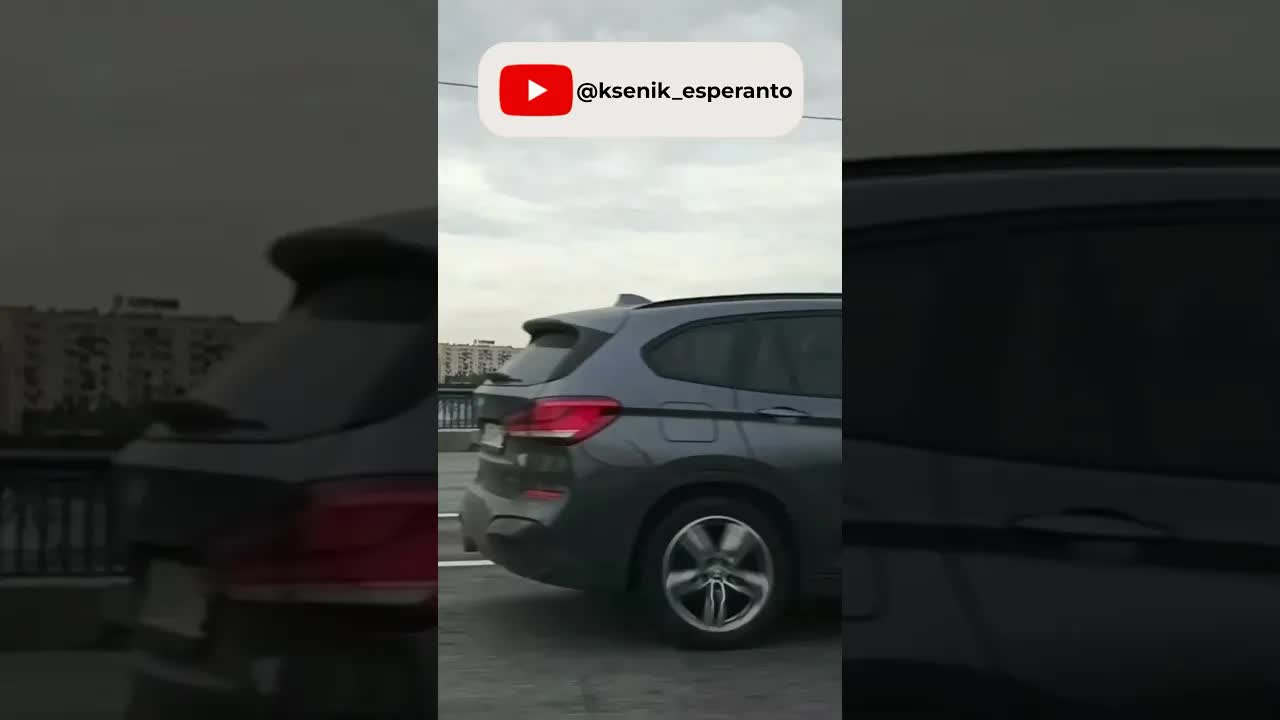


Van Ksenik | Esperanta jutubisto op YouTube. Bekijk origineel
Pasigi is pasi plus -igi: to make time pass, in other words to spend it.
Pasigi means to spend time, and it is built from pasi (to pass) plus -igi (to cause to): you make time pass. That is why Esperanto says “mi pasigis tri horojn” and not a word for spending money. The pasi/pasigi pair is the key: pasi is what time or a person does, pasigi is what you do to the time.
The clip lists the trip: “En Moskvo ni pasigis ĉirkaŭ tri horojn”, then three more hours by bus to Tula. Notice that pasigi takes a direct object, the time spent, so the hours are in the accusative-free plural form “horojn” with -n. Wiktionary’s own example is “Du tagojn la ŝuisto pasigis en la najbaraĵo de la ponto” (the shoemaker spent two days near the bridge). Use it for any stretch of time: pasigi la vesperon, pasigi la ferion.
Hoe gangbaar zijn de woorden in deze clip?
96,8%
van de woorden staat in de top 2.000 meest voorkomende woorden in het Esperanto
Uit ons onderzoekHoeveel woorden heb je nodig om native video’s te begrijpen?
Meer clips zoals deze
Mia biciklo rompiĝis: Problemo kun la rado
Kie Estas Mia Ĉapelo? – Filmo por la Usona Bona Film-Festivalo
Paŭlo – Esperanto-Rakonto
Tro Frue: Mallonga Filmo en Esperanto
Sciuro scias! #Esperanto #conlang #learnesperanto

Tagmanĝo: Decidoj pri Manĝo
Leer van echte video’s
Duizenden clips zoals deze, afgestemd op jouw niveau terwijl je kijkt.