תרגול האזנה בEsperanto · A1 · מתחילים
What does “pasigi” mean in Esperanto?
Tre longa vojaĝo al Moskvo kaj Tula
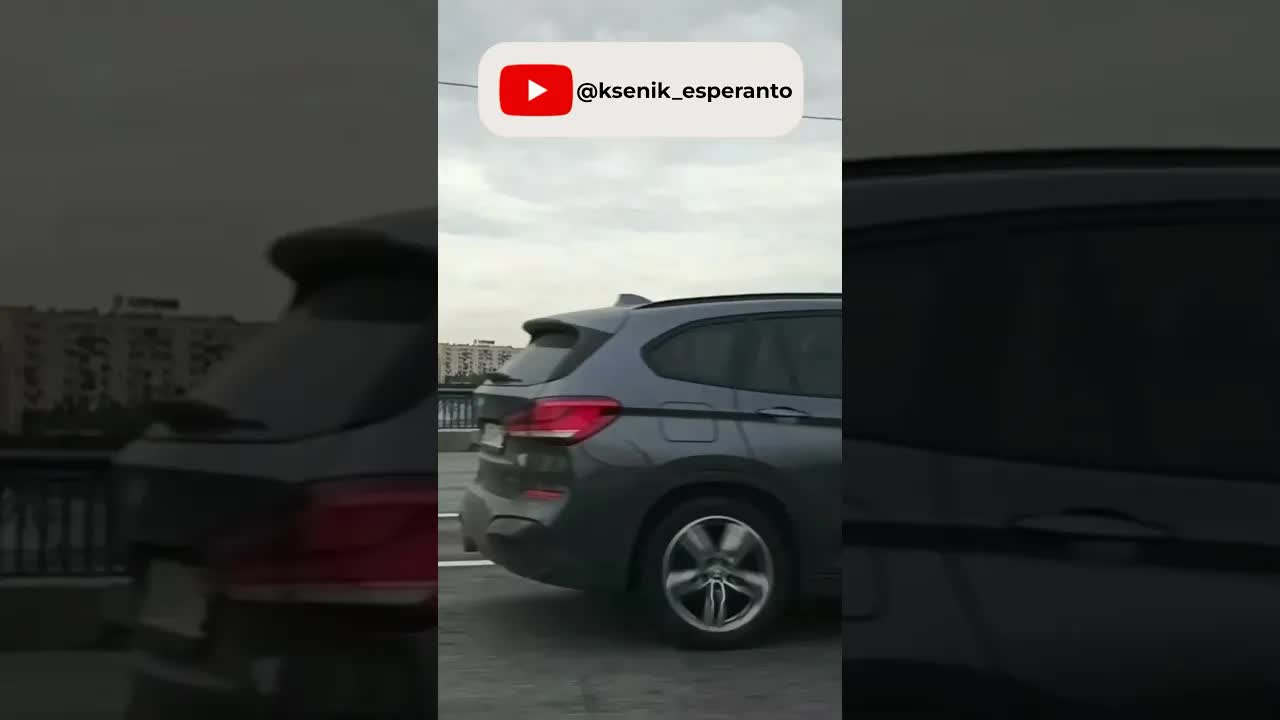


מאת Ksenik | Esperanta jutubisto ב-YouTube. צפייה במקור
Pasigi is pasi plus -igi: to make time pass, in other words to spend it.
Pasigi means to spend time, and it is built from pasi (to pass) plus -igi (to cause to): you make time pass. That is why Esperanto says “mi pasigis tri horojn” and not a word for spending money. The pasi/pasigi pair is the key: pasi is what time or a person does, pasigi is what you do to the time.
The clip lists the trip: “En Moskvo ni pasigis ĉirkaŭ tri horojn”, then three more hours by bus to Tula. Notice that pasigi takes a direct object, the time spent, so the hours are in the accusative-free plural form “horojn” with -n. Wiktionary’s own example is “Du tagojn la ŝuisto pasigis en la najbaraĵo de la ponto” (the shoemaker spent two days near the bridge). Use it for any stretch of time: pasigi la vesperon, pasigi la ferion.
עד כמה נפוצות המילים בסרטון הזה?
96.8%
מהמילים נמצאות בין 2,000 המילים הנפוצות ביותר בEsperanto
מתוך המחקר שלנוכמה מילים צריך כדי להבין סרטונים של דוברים ילידיים?
עוד סרטונים כמו זה
Mia biciklo rompiĝis: Problemo kun la rado
Kie Estas Mia Ĉapelo? – Filmo por la Usona Bona Film-Festivalo
Paŭlo – Esperanto-Rakonto
Tro Frue: Mallonga Filmo en Esperanto
Sciuro scias! #Esperanto #conlang #learnesperanto

Tagmanĝo: Decidoj pri Manĝo
למידה מסרטונים אמיתיים
אלפי סרטונים כמו זה, מותאמים לרמה שלך תוך כדי צפייה.