Exercices d’écoute en Esperanto · C1 · Compréhension sans effort
What does “malsati” mean in Esperanto?
Imagina epilogo de la opero Aida
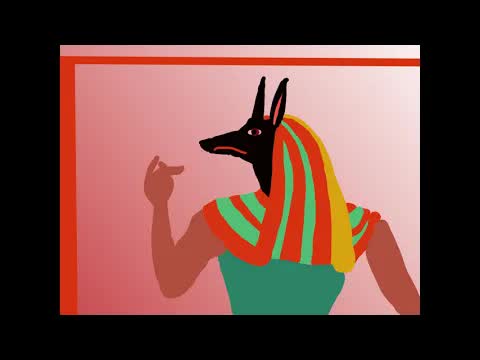


De Esperanto + Edukado ILEI sur YouTube. Voir l’original
To be hungry is “un-sated” in Esperanto: malsati.
Malsati means “to be hungry”, and it is built as the opposite of sati, “to be full, sated”. Esperanto does not have a dedicated verb root for hunger. You say mi malsatas, literally “I am un-sated”. That makes the word easy to remember once you know mal- flips the meaning, and it pairs with soifi, “to be thirsty”.
In the clip, a trapped character in an Egyptian tomb whispers “Mi soifas mi malsatas”, “I am thirsty, I am hungry.” It is a short, vivid line that puts both verbs side by side. Note that both are verbs in Esperanto: you do not say “I have hunger” but simply mi malsatas.
Plus de clips comme celui-ci

La Horora Rakonto de Grumblulo kaj Insekto
La eskapo: Sekreta rulaĵo kaj la nevidebla Dio

La fino de la agrabla fikcio: Kanado kaj nova realo
Historio de Antonija Jozičić kaj Esperanto

Interna rezisto kontraŭ faŝismo
Vivresumo - Mikaelo Bronŝtejn
Apprends avec de vraies vidéos
Des milliers de clips comme celui-ci, adaptés à ton niveau pendant que tu regardes.