Esperanto 듣기 연습 · A1 · 초보
How do you say “you’re welcome” in Esperanto?
Helpo en la Flughaveno: Maltrafita Vojaĝanto
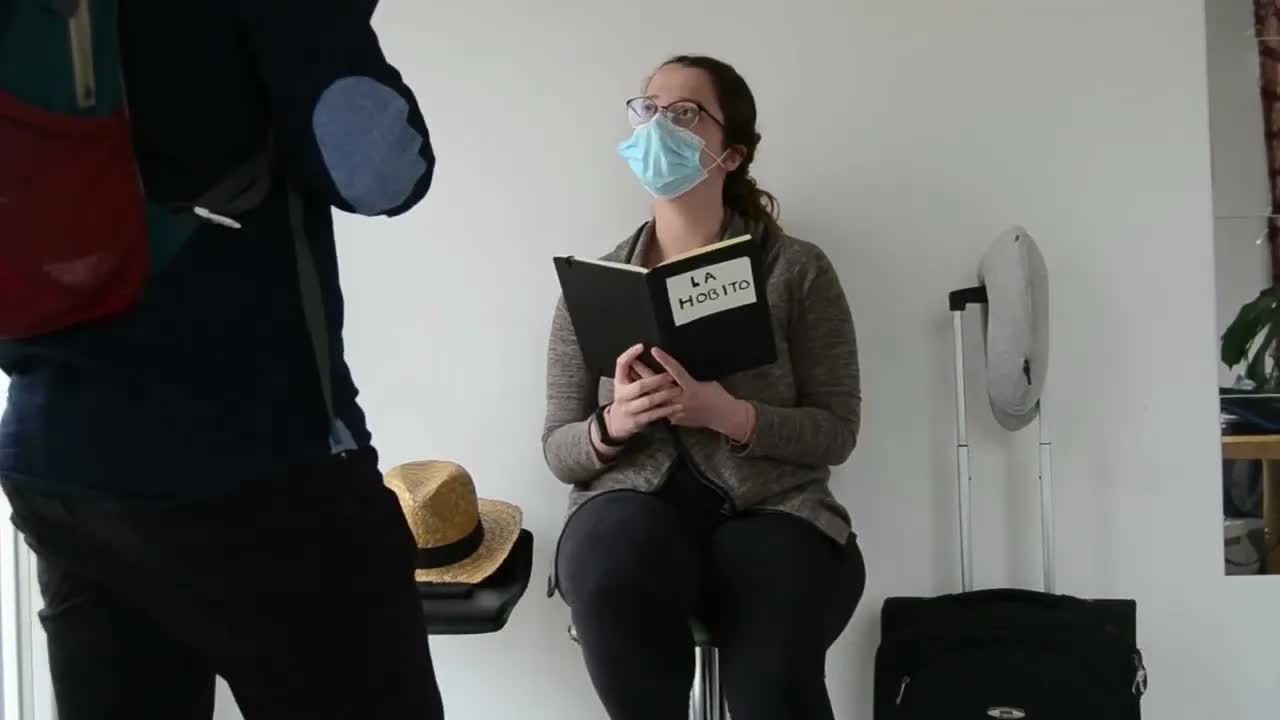


Esperanto USA · YouTube 원본 보기
Nedankinde is the Esperanto 'you’re welcome': literally 'not worth thanking'.
Esperanto has a ready reply to “Dankon”: nedankinde. It means “you’re welcome” or “no problem”, and it is made of ne- (not), danko (thanks), -inda (worthy of) and the adverb ending -e. So it says, almost word for word, “not worth thanking”. Written as one word or two (ne dankinde), it is the standard way to wave thanks away.
At the end of the clip the helper says “Bonan vojaĝon”, the traveler thanks them, and the reply is “Nedankinde. Bonan flugon.” The -inda ending is useful beyond this phrase: bedaŭrinda means regrettable, admirinda admirable, legenda ... no, stay with the pattern: verb root + -inda gives “worth doing”. Compare vidinda (worth seeing) and dankinda (worth thanking), the positive twin of nedankinde.
이 클립의 단어는 얼마나 흔할까요?
95.9%
Esperanto에서 가장 많이 쓰이는 단어 2,000개 안에 들어요
Reelang 연구원어민 영상을 이해하려면 단어 몇 개가 필요할까?
비슷한 클립


진짜 영상으로 배워요
이런 클립이 수천 개 있고, 보면서 내 레벨에 맞는 클립을 골라 줘요.