Esperantoのリスニング練習 · A1 · 初心者
How do you say “you’re welcome” in Esperanto?
Helpo en la Flughaveno: Maltrafita Vojaĝanto
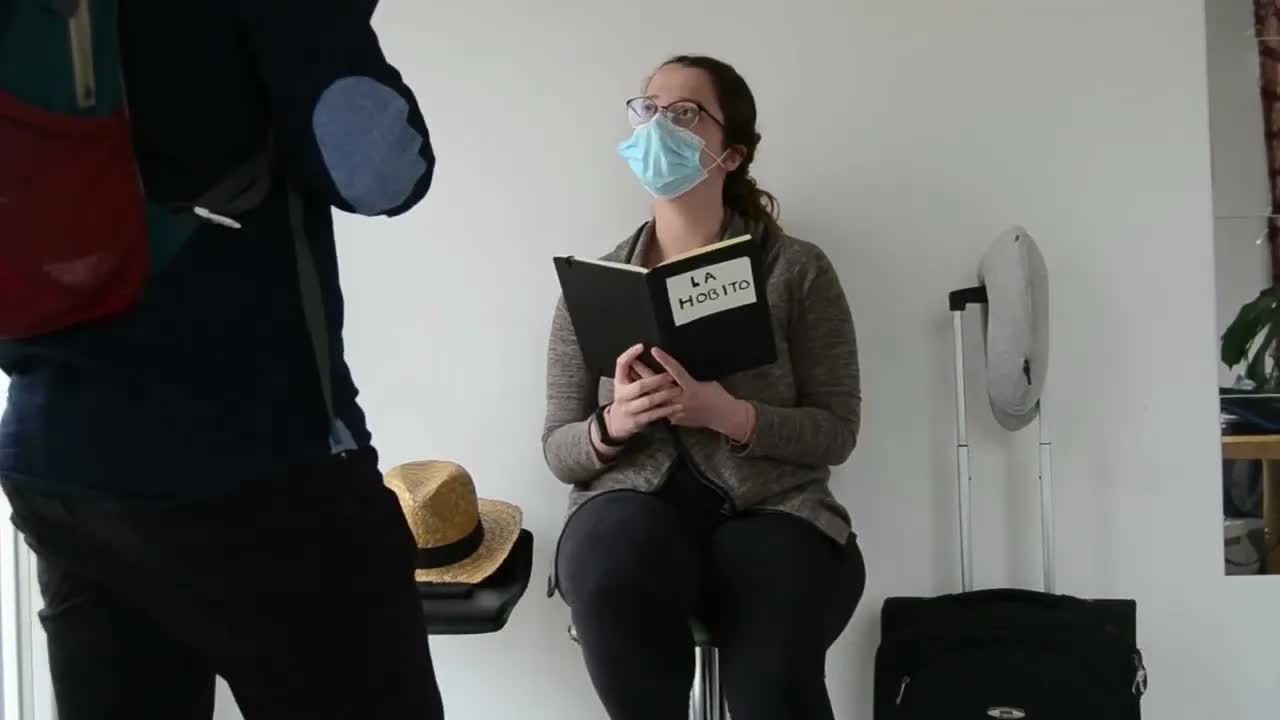


Esperanto USA(YouTube)より。 元動画を見る
Nedankinde is the Esperanto 'you’re welcome': literally 'not worth thanking'.
Esperanto has a ready reply to “Dankon”: nedankinde. It means “you’re welcome” or “no problem”, and it is made of ne- (not), danko (thanks), -inda (worthy of) and the adverb ending -e. So it says, almost word for word, “not worth thanking”. Written as one word or two (ne dankinde), it is the standard way to wave thanks away.
At the end of the clip the helper says “Bonan vojaĝon”, the traveler thanks them, and the reply is “Nedankinde. Bonan flugon.” The -inda ending is useful beyond this phrase: bedaŭrinda means regrettable, admirinda admirable, legenda ... no, stay with the pattern: verb root + -inda gives “worth doing”. Compare vidinda (worth seeing) and dankinda (worth thanking), the positive twin of nedankinde.
このクリップの単語はどれくらい一般的?
95.9%
の単語が、Esperantoの頻出2,000語に入っている
Reelangの調査よりネイティブの動画を理解するには何語必要か
似たクリップ


本物の動画で学ぶ
このようなクリップが何千本も。見ているうちに、あなたのレベルに合っていきます。