Практика аудіювання: Esperanto · A1 · Початківець
How do you say “you’re welcome” in Esperanto?
Helpo en la Flughaveno: Maltrafita Vojaĝanto
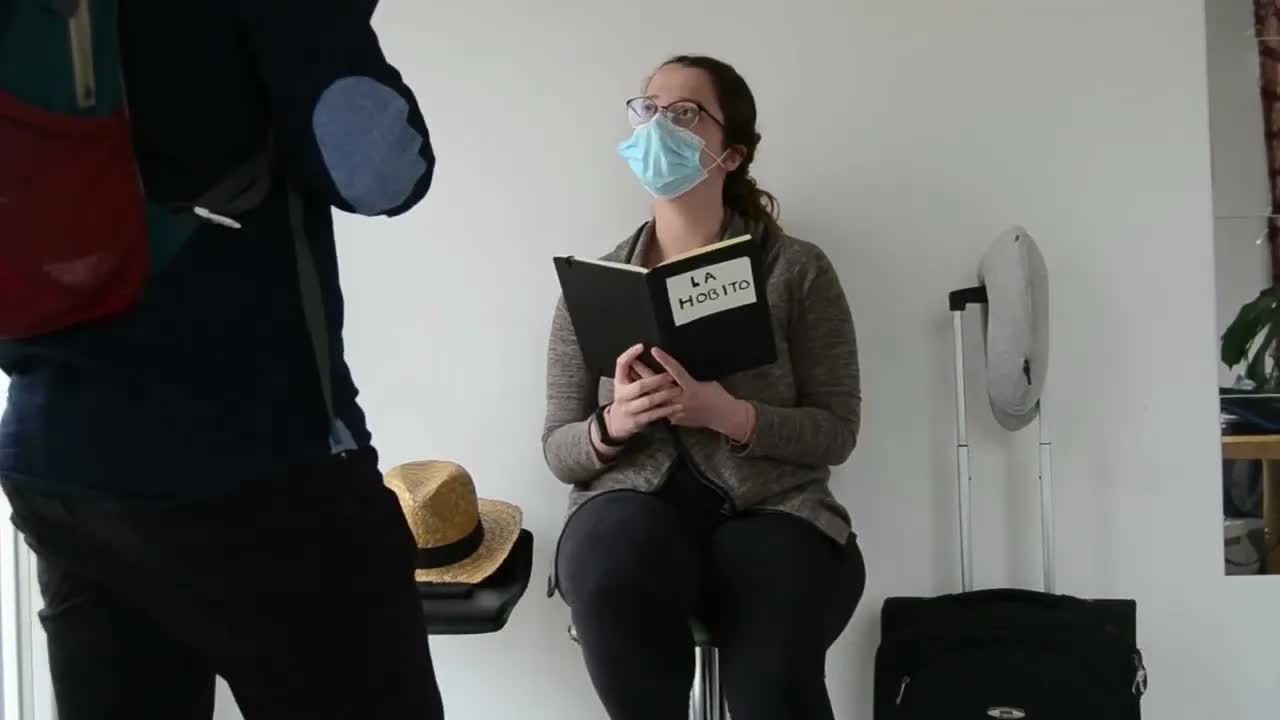


Від Esperanto USA на YouTube. Дивитися оригінал
Nedankinde is the Esperanto 'you’re welcome': literally 'not worth thanking'.
Esperanto has a ready reply to “Dankon”: nedankinde. It means “you’re welcome” or “no problem”, and it is made of ne- (not), danko (thanks), -inda (worthy of) and the adverb ending -e. So it says, almost word for word, “not worth thanking”. Written as one word or two (ne dankinde), it is the standard way to wave thanks away.
At the end of the clip the helper says “Bonan vojaĝon”, the traveler thanks them, and the reply is “Nedankinde. Bonan flugon.” The -inda ending is useful beyond this phrase: bedaŭrinda means regrettable, admirinda admirable, legenda ... no, stay with the pattern: verb root + -inda gives “worth doing”. Compare vidinda (worth seeing) and dankinda (worth thanking), the positive twin of nedankinde.
Наскільки поширені слова в цьому ролику?
95,9%
слів входять у число 2000 найчастотніших слів (Esperanto)
З нашого дослідженняСкільки слів треба, щоб розуміти відео від носіїв?
Більше таких роликів


Вчися зі справжніх відео
Тисячі таких роликів, дібраних під твій рівень просто під час перегляду.