Exercices d’écoute en Esperanto · A1 · Débutant
How do you say “you’re welcome” in Esperanto?
Helpo en la Flughaveno: Maltrafita Vojaĝanto
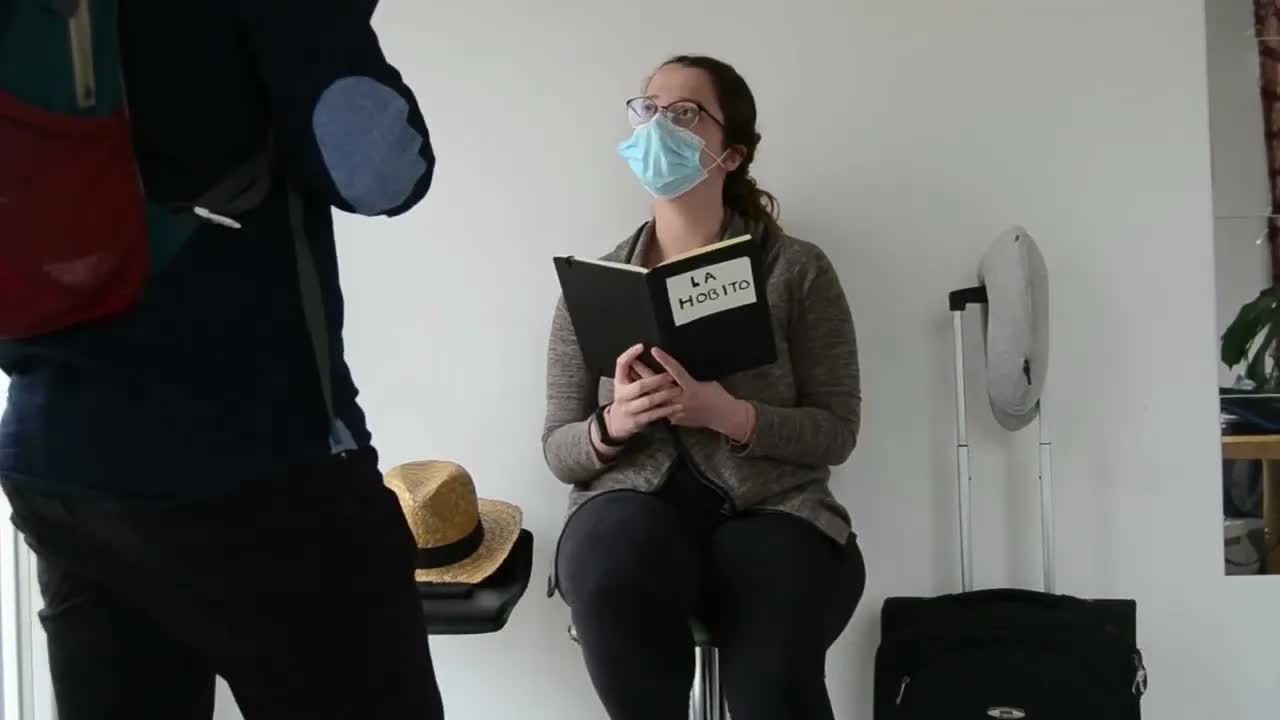


De Esperanto USA sur YouTube. Voir l’original
Nedankinde is the Esperanto 'you’re welcome': literally 'not worth thanking'.
Esperanto has a ready reply to “Dankon”: nedankinde. It means “you’re welcome” or “no problem”, and it is made of ne- (not), danko (thanks), -inda (worthy of) and the adverb ending -e. So it says, almost word for word, “not worth thanking”. Written as one word or two (ne dankinde), it is the standard way to wave thanks away.
At the end of the clip the helper says “Bonan vojaĝon”, the traveler thanks them, and the reply is “Nedankinde. Bonan flugon.” The -inda ending is useful beyond this phrase: bedaŭrinda means regrettable, admirinda admirable, legenda ... no, stay with the pattern: verb root + -inda gives “worth doing”. Compare vidinda (worth seeing) and dankinda (worth thanking), the positive twin of nedankinde.
Les mots de ce clip sont-ils courants ?
95,9%
des mots figurent parmi les 2 000 mots les plus courants en Esperanto
Notre rechercheCombien de mots faut-il pour comprendre des vidéos natives ?
Plus de clips comme celui-ci


Apprends avec de vraies vidéos
Des milliers de clips comme celui-ci, adaptés à ton niveau pendant que tu regardes.