Prática de escuta em Esperanto · A1 · Iniciante
How do you say “you’re welcome” in Esperanto?
Helpo en la Flughaveno: Maltrafita Vojaĝanto
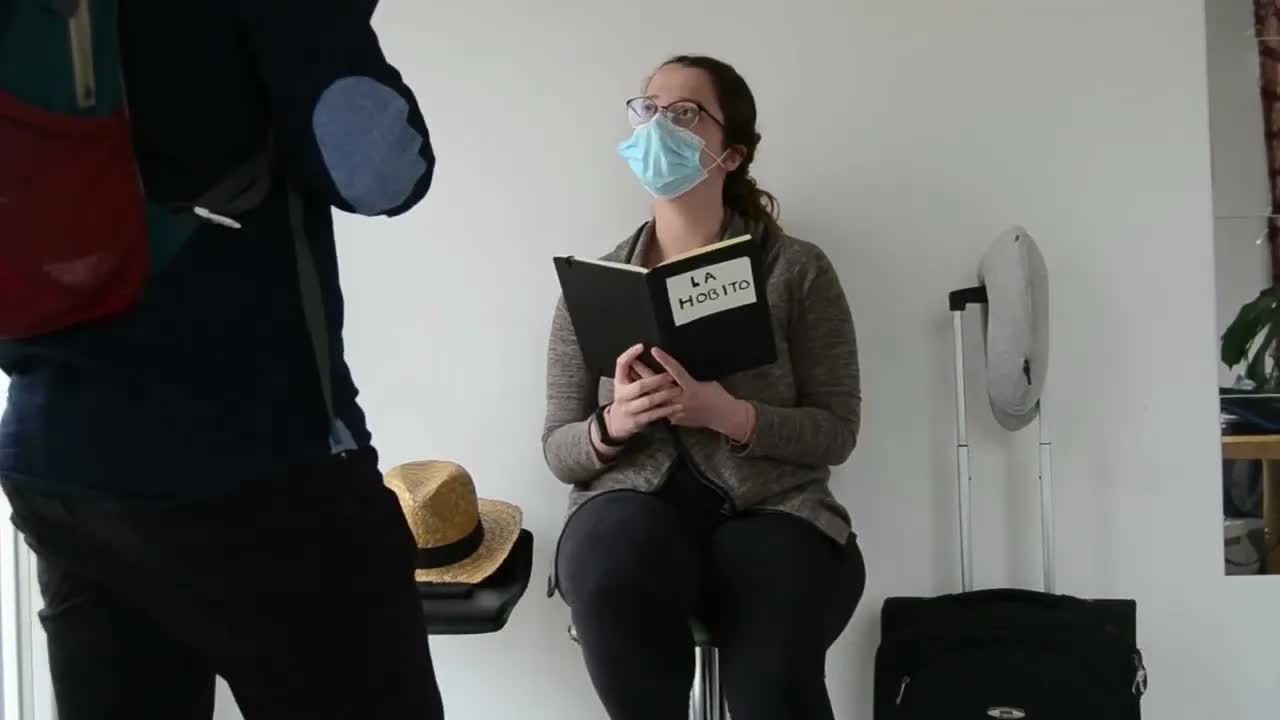


De Esperanto USA, no YouTube. Assistir ao original
Nedankinde is the Esperanto 'you’re welcome': literally 'not worth thanking'.
Esperanto has a ready reply to “Dankon”: nedankinde. It means “you’re welcome” or “no problem”, and it is made of ne- (not), danko (thanks), -inda (worthy of) and the adverb ending -e. So it says, almost word for word, “not worth thanking”. Written as one word or two (ne dankinde), it is the standard way to wave thanks away.
At the end of the clip the helper says “Bonan vojaĝon”, the traveler thanks them, and the reply is “Nedankinde. Bonan flugon.” The -inda ending is useful beyond this phrase: bedaŭrinda means regrettable, admirinda admirable, legenda ... no, stay with the pattern: verb root + -inda gives “worth doing”. Compare vidinda (worth seeing) and dankinda (worth thanking), the positive twin of nedankinde.
Quão comuns são as palavras deste clipe?
95,9%
das palavras estão entre as 2.000 mais comuns do Esperanto
Da nossa pesquisaQuantas palavras você precisa para entender vídeos de nativos?
Mais clipes como este




Aprenda com vídeos reais
Milhares de clipes como este, ajustados ao seu nível enquanto você assiste.