Luyện nghe Esperanto · A1 · Người mới
How do you say “you’re welcome” in Esperanto?
Helpo en la Flughaveno: Maltrafita Vojaĝanto
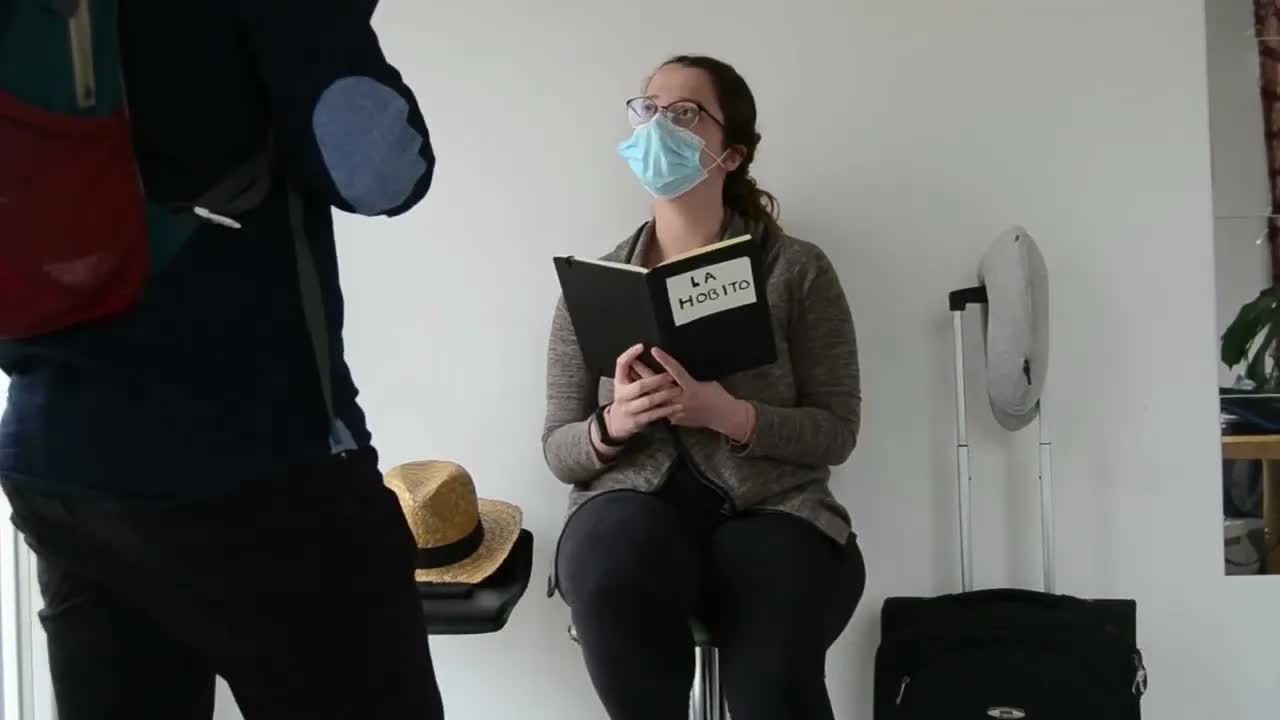


Từ Esperanto USA trên YouTube. Xem bản gốc
Nedankinde is the Esperanto 'you’re welcome': literally 'not worth thanking'.
Esperanto has a ready reply to “Dankon”: nedankinde. It means “you’re welcome” or “no problem”, and it is made of ne- (not), danko (thanks), -inda (worthy of) and the adverb ending -e. So it says, almost word for word, “not worth thanking”. Written as one word or two (ne dankinde), it is the standard way to wave thanks away.
At the end of the clip the helper says “Bonan vojaĝon”, the traveler thanks them, and the reply is “Nedankinde. Bonan flugon.” The -inda ending is useful beyond this phrase: bedaŭrinda means regrettable, admirinda admirable, legenda ... no, stay with the pattern: verb root + -inda gives “worth doing”. Compare vidinda (worth seeing) and dankinda (worth thanking), the positive twin of nedankinde.
Các từ trong clip này phổ biến đến đâu?
95,9%
số từ nằm trong 2.000 từ Esperanto thông dụng nhất
Từ nghiên cứu của chúng tôiCần bao nhiêu từ để hiểu video của người bản xứ?
Thêm clip tương tự



Học từ video thật
Hàng nghìn clip như clip này, phù hợp trình độ của bạn khi xem.