Esperanto聽力練習 · A1 · 新手
How do you say “you’re welcome” in Esperanto?
Helpo en la Flughaveno: Maltrafita Vojaĝanto
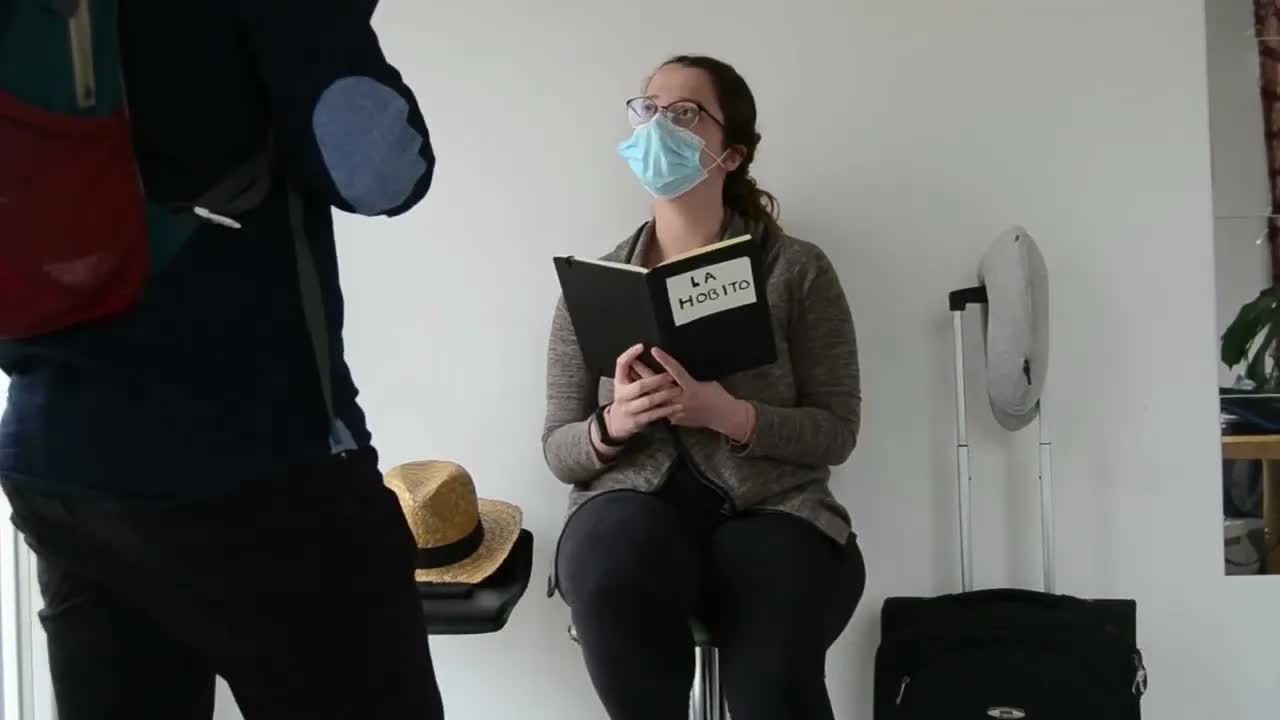


Esperanto USA,來自 YouTube。 看原始影片
Nedankinde is the Esperanto 'you’re welcome': literally 'not worth thanking'.
Esperanto has a ready reply to “Dankon”: nedankinde. It means “you’re welcome” or “no problem”, and it is made of ne- (not), danko (thanks), -inda (worthy of) and the adverb ending -e. So it says, almost word for word, “not worth thanking”. Written as one word or two (ne dankinde), it is the standard way to wave thanks away.
At the end of the clip the helper says “Bonan vojaĝon”, the traveler thanks them, and the reply is “Nedankinde. Bonan flugon.” The -inda ending is useful beyond this phrase: bedaŭrinda means regrettable, admirinda admirable, legenda ... no, stay with the pattern: verb root + -inda gives “worth doing”. Compare vidinda (worth seeing) and dankinda (worth thanking), the positive twin of nedankinde.
這支短片的單字有多常見?
95.9%
的字詞落在Esperanto最常用的 2,000 個單字內
來自我們的研究看懂母語者的影片,需要多少單字?
更多類似的短片


從真實影片學語言
數千支像這樣的短片,依你的程度挑選。