Prática de escuta em Kannada · B1 · Seguro no dia a dia
What does “ತಲೆ ತಿನ್ನು” (tale tinnu) mean in Kannada?
ಮಕ್ಕಳಿಗೆ ಆಟವಿಲ್ಲದೆ ತಲೆಕೆಟ್ಟ ಮನೆಯಲ್ಲಿ
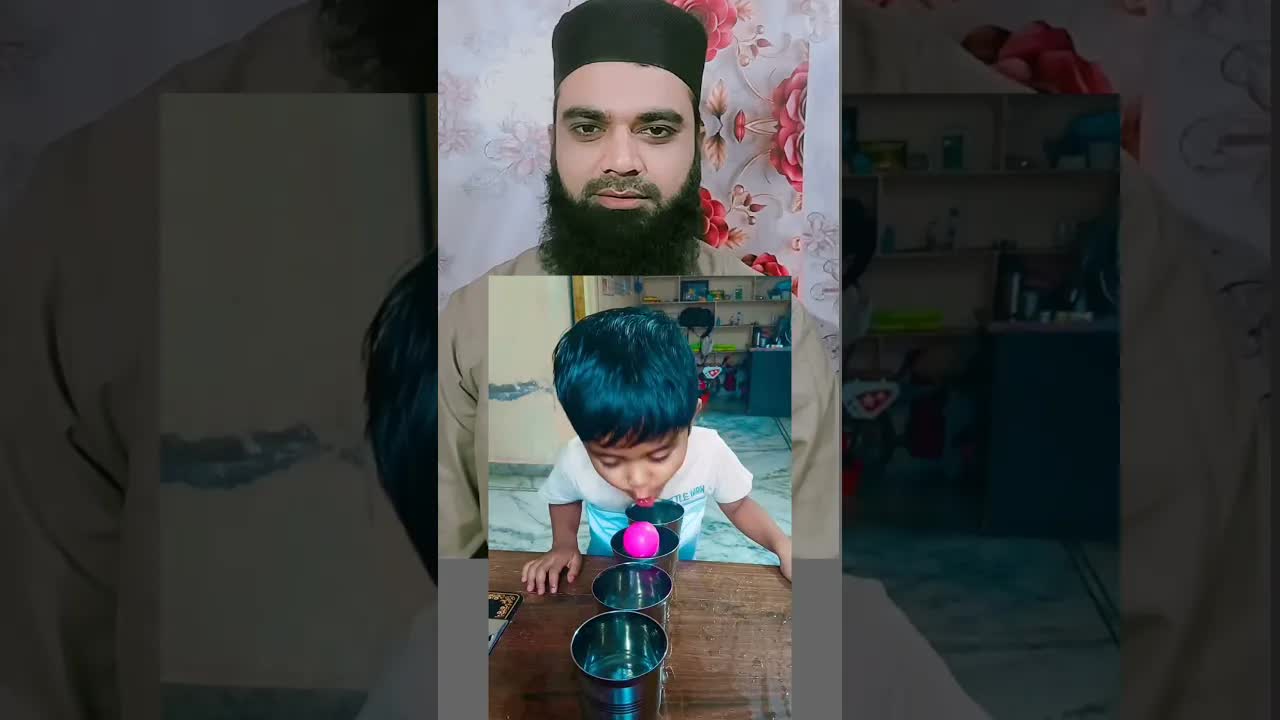


De ಇರ್ಫಾನ್ ಶಾರ್ಟ್ಸ್ , no YouTube. Assistir ao original
Literally “to eat someone’s head”; to pester or nag someone endlessly.
Kannada says someone ತಲೆ ತಿನ್ನುತ್ತಾರೆ (tale tinnuttāre), literally “eats your head”, when they pester you and won’t leave you alone. Kittel’s dictionary glosses the phrase as “to worry about, to be troubled”. The head is the thing being consumed, so the image is of your peace of mind being chewed away. It is casual and a little grumbly.
In the clip a parent complains that during the school holidays the kids are home all day and “ಬಹಳ ತಲೆ ತಿಂತಾವೆ” (bahala tale tintāve), they really eat my head. Note the spoken form tiṃtāve, where the written verb tinnuttāve loses a syllable and the plural ending -āve is used for the children. You can use it as a verb pair with a person as the subject: ಅವನು ದಿನಾ ನನ್ನ ತಲೆ ತಿಂತಾನೆ (“he eats my head every day”). It is an annoyance idiom, not an insult, so it works well when you are venting to a friend.
Mais clipes como este

ಸೀಕಾ ಸನ್ಸ್ಕ್ರೀನ್ ಟೆಸ್ಟ್ ಮತ್ತು ಗಿಫ್ಟ್ ಓಪನಿಂಗ್
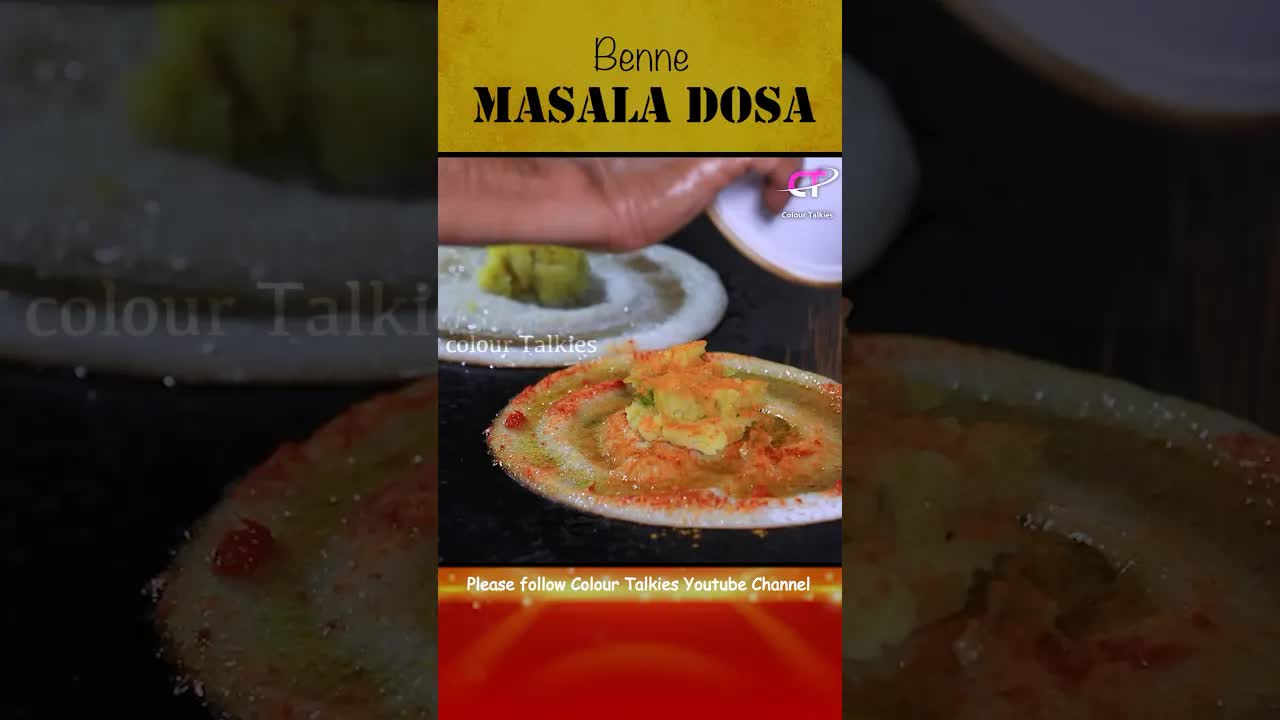
ಬೆಣ್ಣೆ ದೋಸೆ ತಯಾರಿಸುವ ವಿಧಾನ

ಬೆಳಗ್ಗೆಯಿಂದ ಸಂಜೆಯವರೆಗಿನ ದಿನಚರಿ ಮತ್ತು ಮೇಕಪ್ ರೂಟಿನ್
ಗಂಡ ಹೆಂಡತಿ ಜಗಳ ಮತ್ತು ಪ್ರೀತಿ

ಹೆಚ್ಡಿಕೆ ನೈಸ್ ಟೋಲ್ ವಿರುದ್ಧ ಹೋರಾಟ
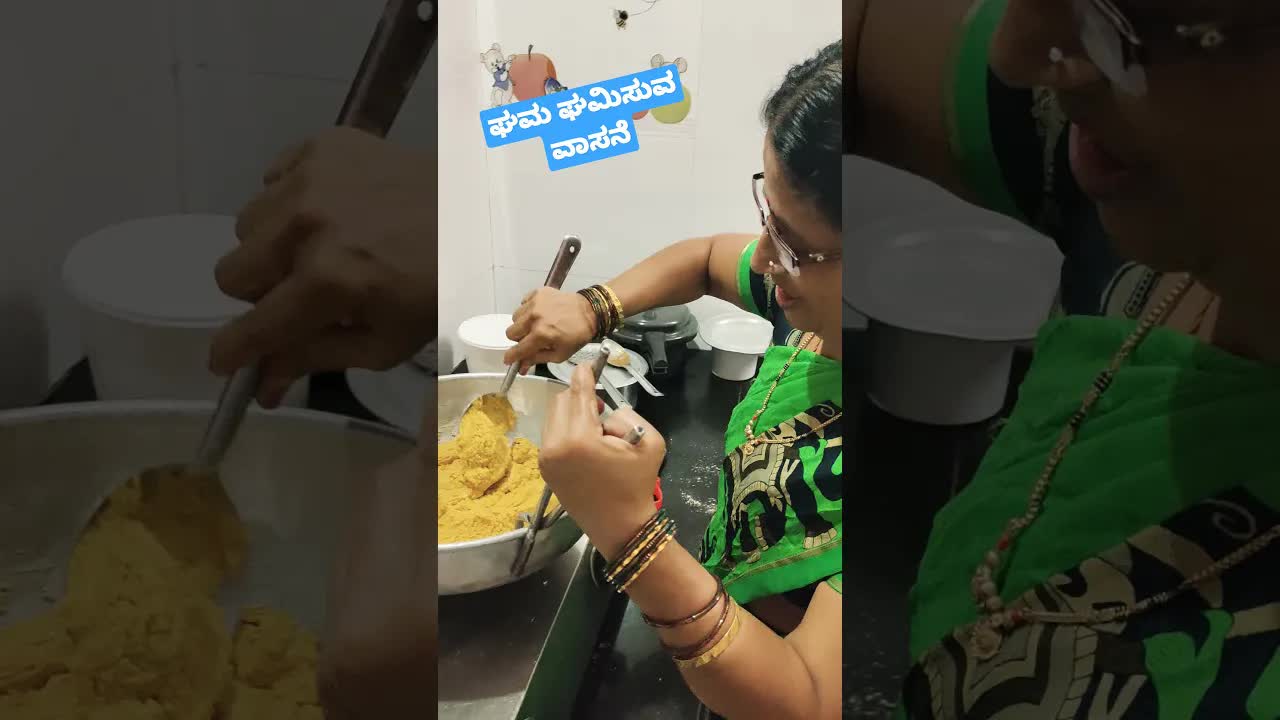
ಅತ್ತೆಯ ಸೀಕ್ರೇಟ್ ಬೇಸನ್ ಉಂಡಿ ರೆಸಿಪಿ
Aprenda com vídeos reais
Milhares de clipes como este, ajustados ao seu nível enquanto você assiste.