Prática de escuta em Serbian · B2 · Até temas complicados
What does “lova” mean in Serbian?
Bilja Jevtić o sinu, zavičaju i 40 godina braka
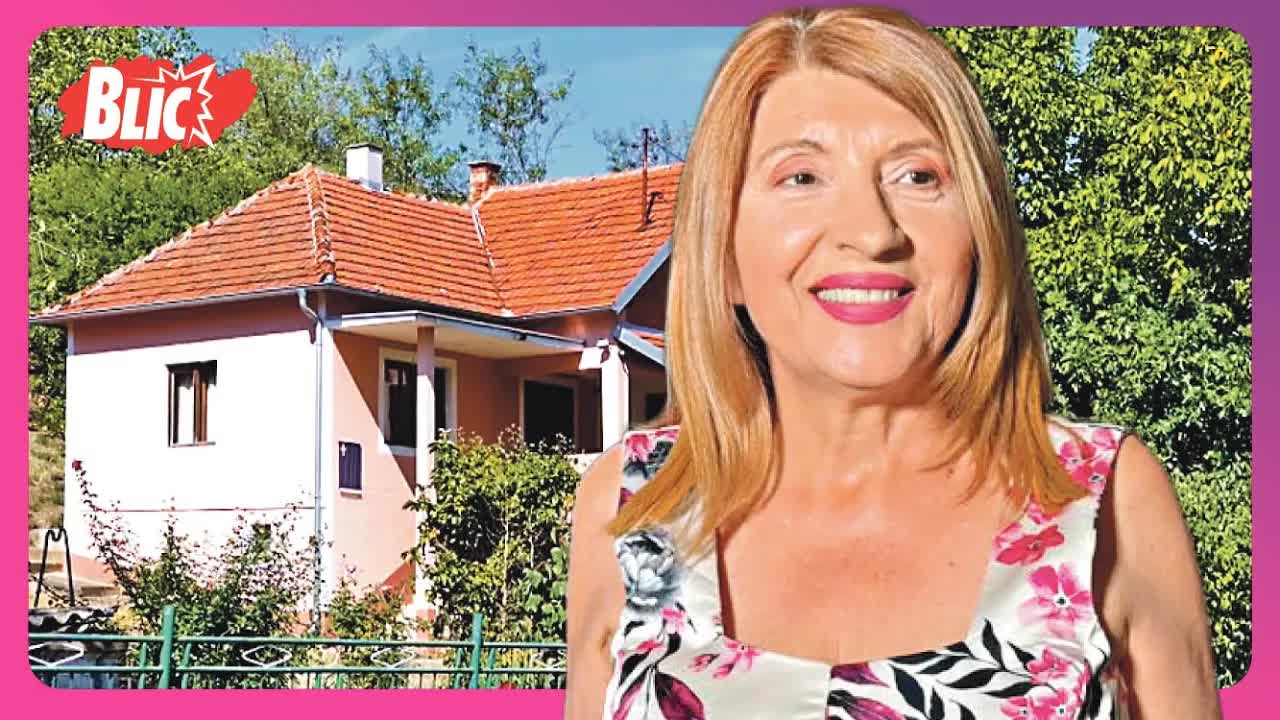


De Blic, no YouTube. Assistir ao original
Lova is everyday Serbian slang for money, and it came into the language from Romani.
Lova is the everyday slang word for money in Serbian, the equivalent of English “dough” or “cash”. It is informal: you hear it between friends and family, not on a bank form. The word traces back to Romani love, “money”. It is a feminine noun, so “I have no money” becomes “nemam love” and “give me money” becomes “daj mi lovu”.
In the clip, Bilja Jevtić tells how, when the family wanted to celebrate her son’s graduation, he skipped the party and said: “Dajte vi meni lovu, a ja idem u Pariz.” (“You give me the money, and I’m off to Paris.”) She then repeats it, “lova je bila poklon”, to make clear the money was the gift. Note the forms: lova (nominative), lovu (object), love (genitive, after negation: “nemam love”). Do not confuse it with lov, “hunt”, whose genitive looks the same (love). Neutral alternatives are novac and pare; keš is also common.
Mais clipes como este

Miki Dudić o Elite 9: Porodica, posao i budućnost
Jovan Radulović Jođir o hapšenju i životu

Glumci o nagradama, karijeri i temama nasilja
Bolovanje, odmor i nervi u Srećnim ljudima

Šta stoji iza uspeha Vojaža i Stošića
Gastronomad priprema ukusan ručak sa limetom
Aprenda com vídeos reais
Milhares de clipes como este, ajustados ao seu nível enquanto você assiste.