Prática de escuta em Telugu · B1 · Seguro no dia a dia
What does “ఏనుగు” mean in Telugu?
శ్రీలంక భారీ ఏనుగు కవంతిసా మరణం



De BBC News Telugu, no YouTube. Assistir ao original
ఏనుగు (elephant) probably grew out of the plural ఏనుగులు, according to Wiktionary.
ఏనుగు (ēnugu) means elephant, and its history is odd. Wiktionary traces it to Proto-Dravidian *yānay, the same root behind Tamil ஆனை (āṉai), Kannada ಆನೆ (āne) and Malayalam ആന (āna). The Telugu form is described as a reanalysis of the plural ఏనుగులు (ēnugulu), so the plural shape ended up supplying the singular. Cousins in other languages sound much shorter.
The clip is about a famous wild elephant in Sri Lanka. It opens with శ్రీలంకలో అత్యంత ఎత్తైన భారీ ఏనుగు అయిన కవంతిసా మరణించింది (“Kavantissa, the tallest, huge elephant in Sri Lanka, has died”). Notice the stacked adjectives అత్యంత ఎత్తైన (the very tallest) and భారీ (huge) before ఏనుగు. Later you hear ఈ ఏనుగును (this elephant, accusative), a good form to recognise.
Mais clipes como este

పర్భానిలో పదిహేను అడుగుల పాము జింకను మింగిన విషయం

వెహికిల్ పూజ మరియు ప్రసాదం తినడం

మా ఫస్ట్ తెలుగు ఫ్యామిలీ వ్లాగ్ పరిచయం

బండి తాళం కోడ్ గురించి తెలుసుకోండి

తమ్ముడు డాన్స్పై ఫన్నీ ఫ్యామిలీ రియాక్షన్
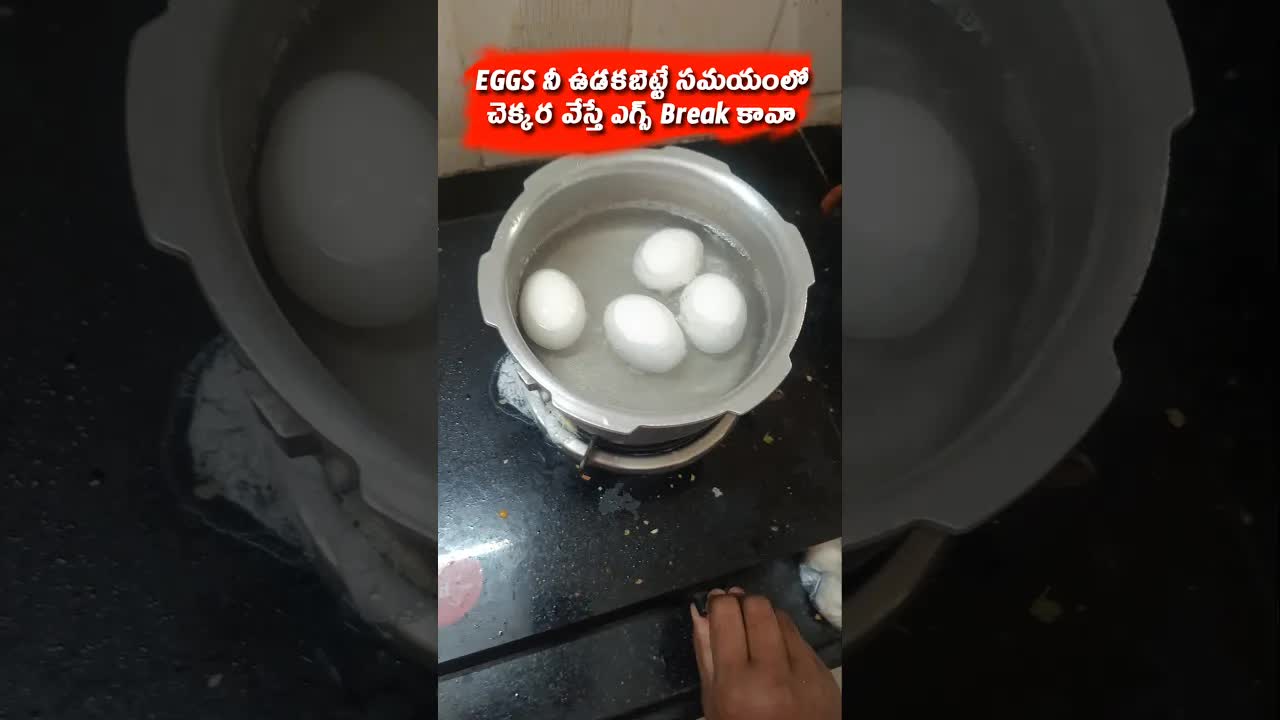
Eggs Break అవకుండా ఉండటానికి ట్రిక్
Aprenda com vídeos reais
Milhares de clipes como este, ajustados ao seu nível enquanto você assiste.