Практика аудирования: Bulgarian · A1 · Начальный
What does “имало едно време” mean in Bulgarian?
Златокоска и трите мечки — кратка приказка
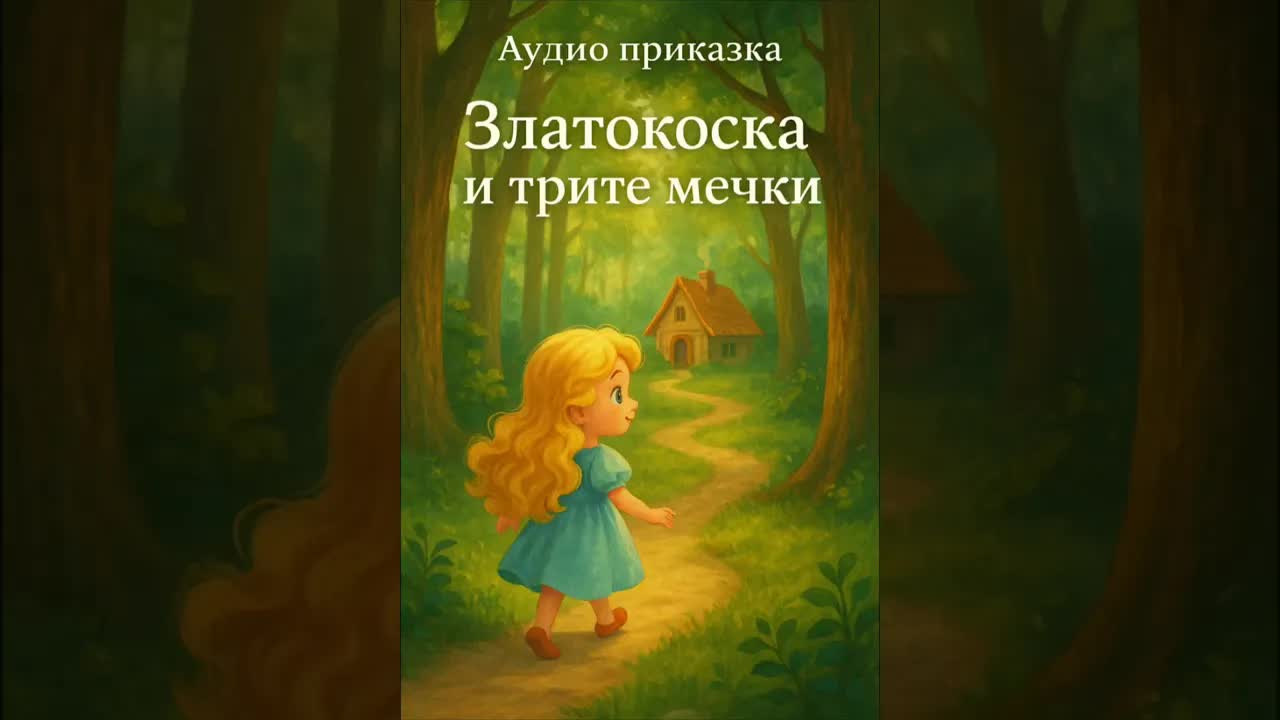


От Гласът на Приказките на YouTube. Смотреть оригинал
Bulgarian fairy tales start with „имало едно време“, literally „there had been one time“, and the whole tale stays in -л forms.
Bulgarian fairy tales open with имало едно време, the equivalent of “once upon a time”. The first word, имало, is the neuter past participle of има (“there is”), not a plain past tense like “имаше”. The phrase is fixed, so you do not conjugate it. Hear it, and you know a story is starting.
In the clip the narrator begins: „Имало едно време едно момиченце Златокоска.“ After that the story keeps using -л participles: „видяла“, „влязла“, „опитала“, „изяла“, „заспала“. Notice that they drop the auxiliary „е/са“, which is how Bulgarian tales are told, and why the verbs all end in -ла, -ло or -ли. To tell a story yourself, start with „Имало едно време…“ and put each verb in its -л form. The wording of the tale is simple and repetitive, which makes it good A1 listening.
Ещё такие ролики

Доматена супа с фиде стъпка по стъпка

Криеница с Анди студио: намери ме във видеото

Баница с котидж сирене без мазнина за отслабване

Как ходиш от вкъщи до работа и на ваканция

Приказка за Червената шапчица за деца

Плажни абсурди и инфлация в България
Учись по настоящим видео
Тысячи таких роликов, подобранных под твой уровень прямо во время просмотра.