Free French app
French learning that does not feel like school
Real French videos at your level.
Learn French by listening to the people who speak it, in Paris, Montréal, Brussels, Geneva and all over French-speaking Africa. Reelang turns short videos of real people talking, interviews, stories and comedy into daily French listening practice, at a level you can follow.
Real French drops and joins sounds: “je ne sais pas” becomes “chais pas”, “il y a” becomes “y a”, and words run together with liaison. Reelang starts you with slow, clear videos. It learns from the people you follow, the videos you skip and the words you look up. No quiz and no account to start.
14,186
French videos
5
Accents
Focus Mode is exactly what I was hoping for. The guided language learning approach makes it much easier to know what to do next and removes a lot of the friction. I also love the Learner Insights, Smart Subtitles and Expressions.
Accent
Level
Speed
Subject
Picked French videos
Showing 24 of 10,223 videos


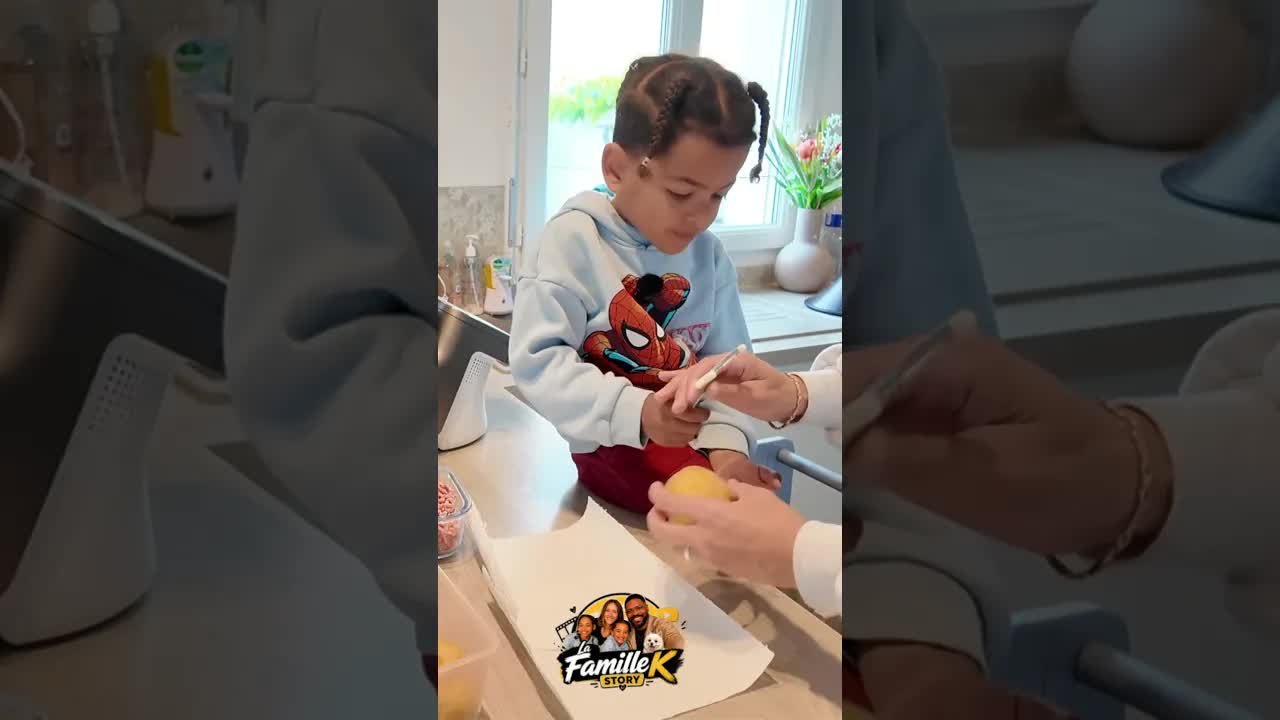
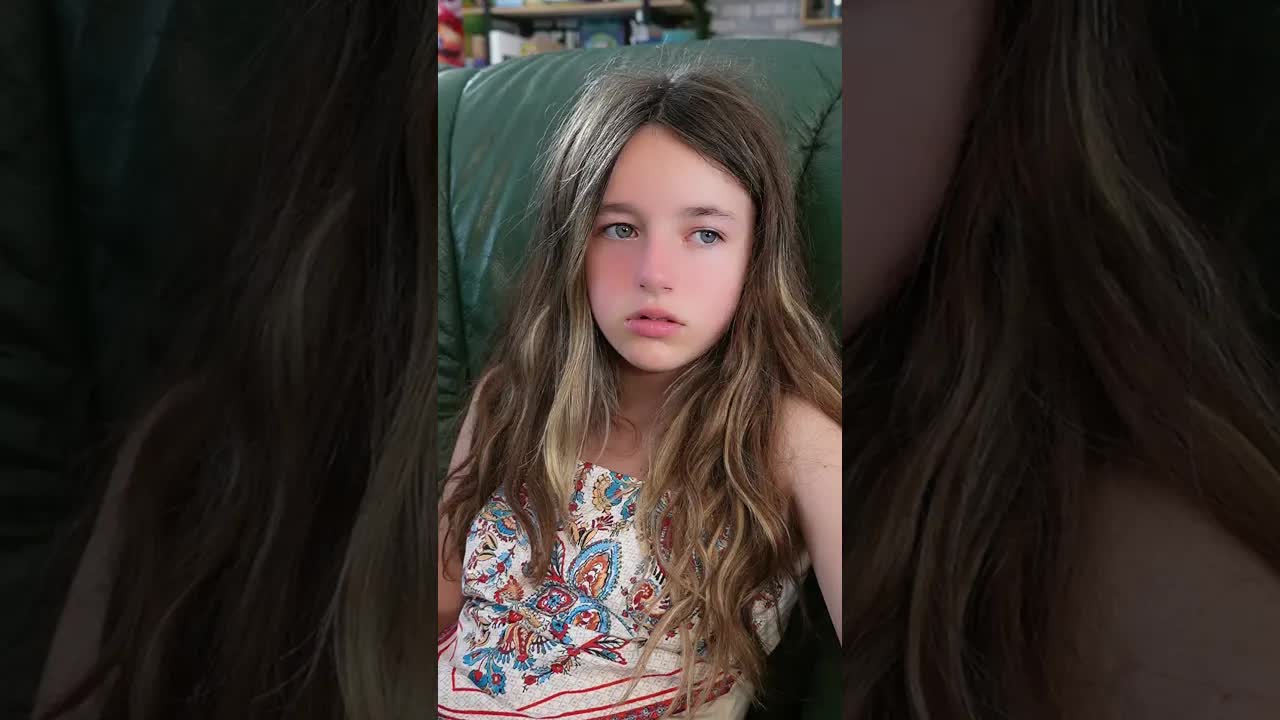

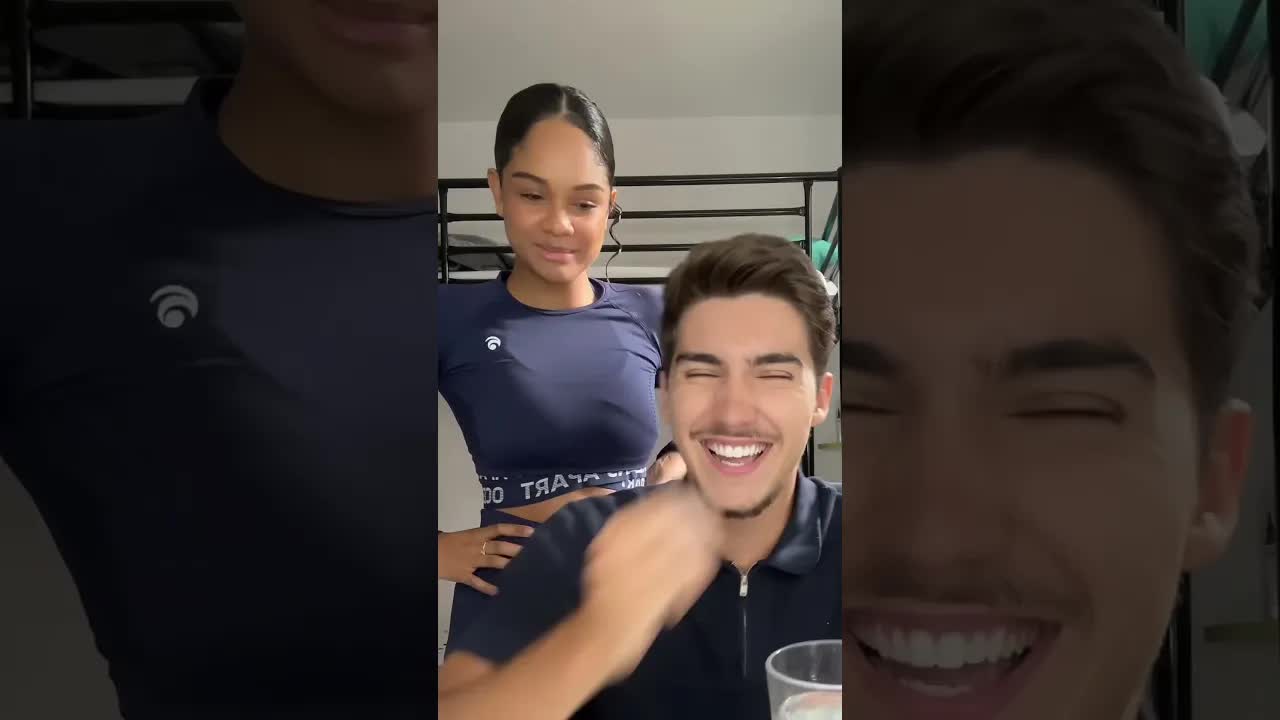
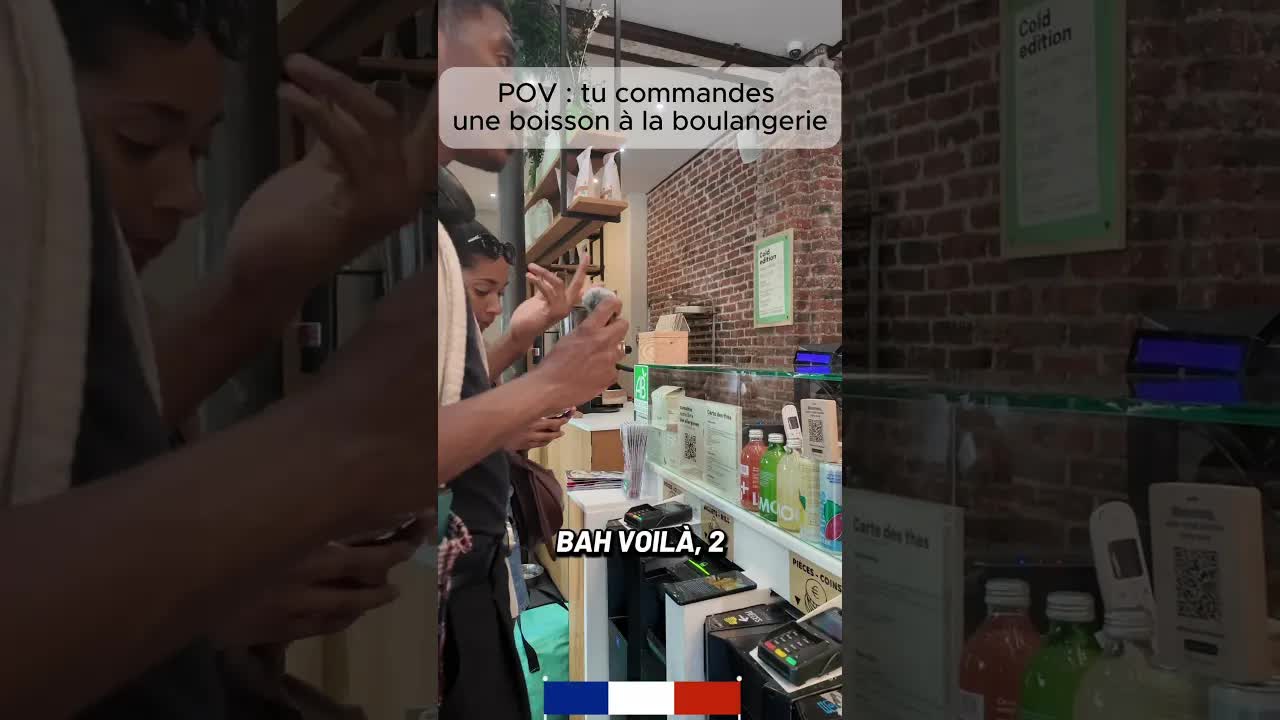
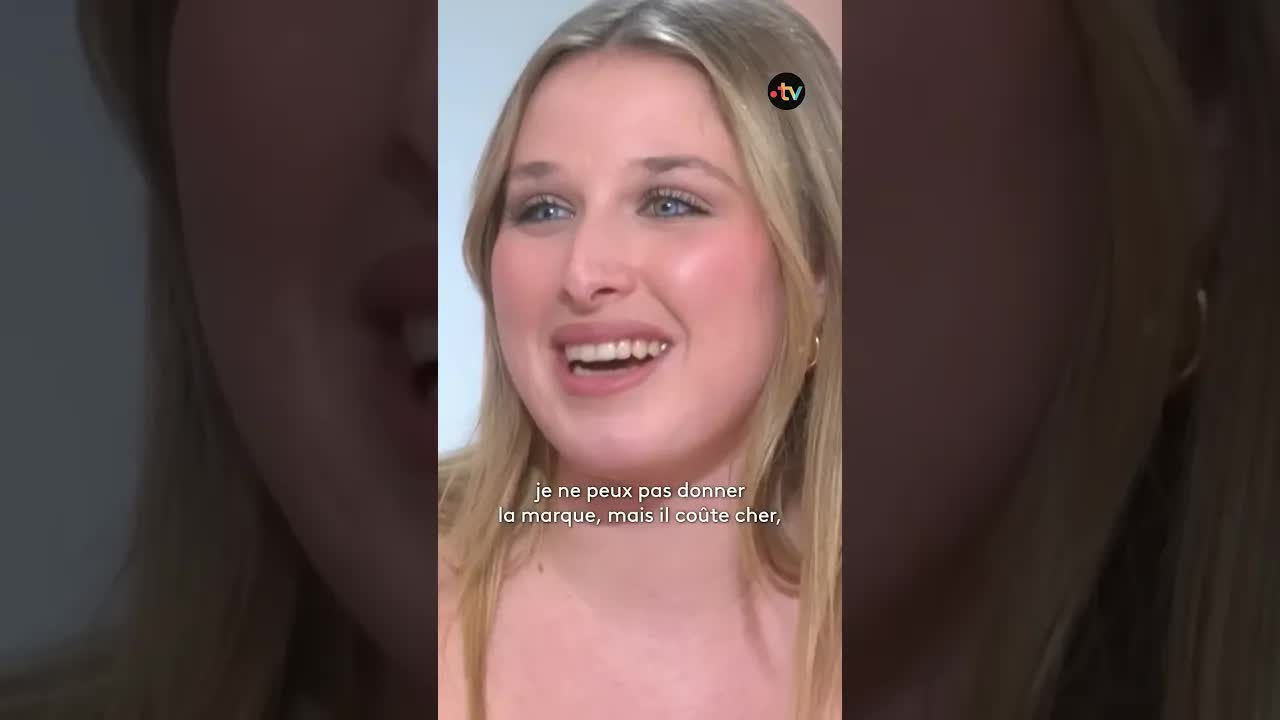


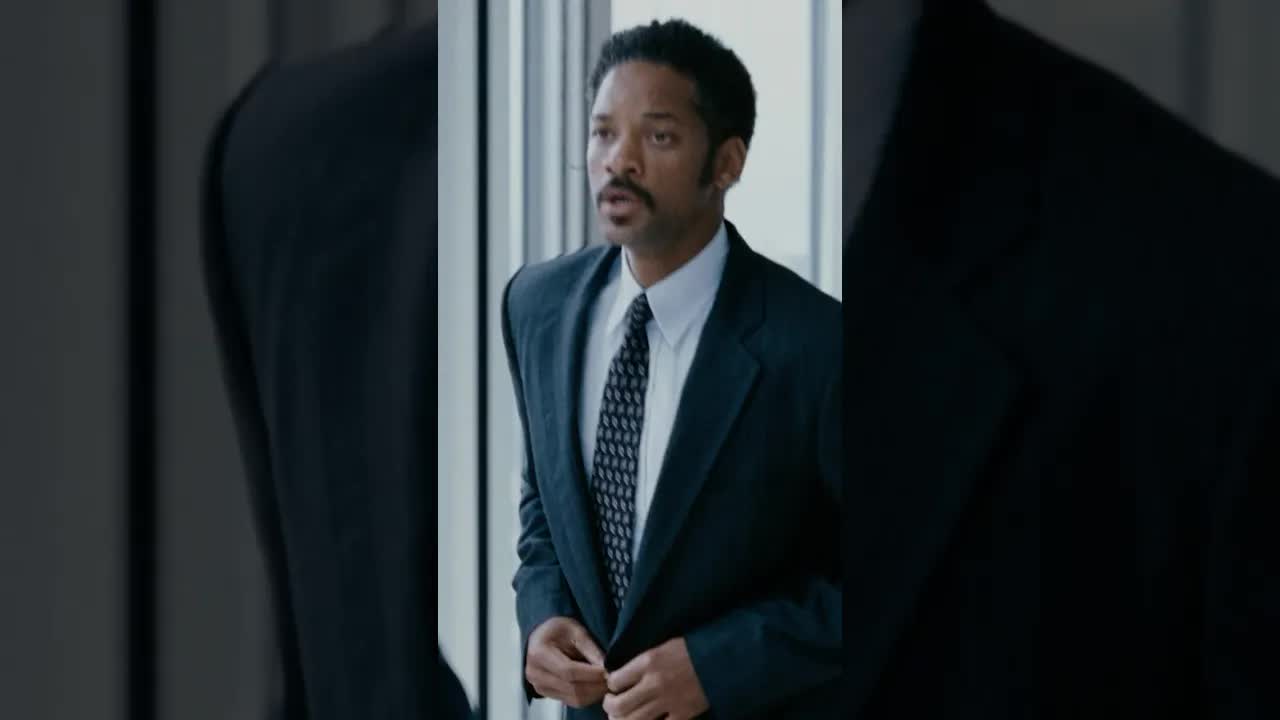

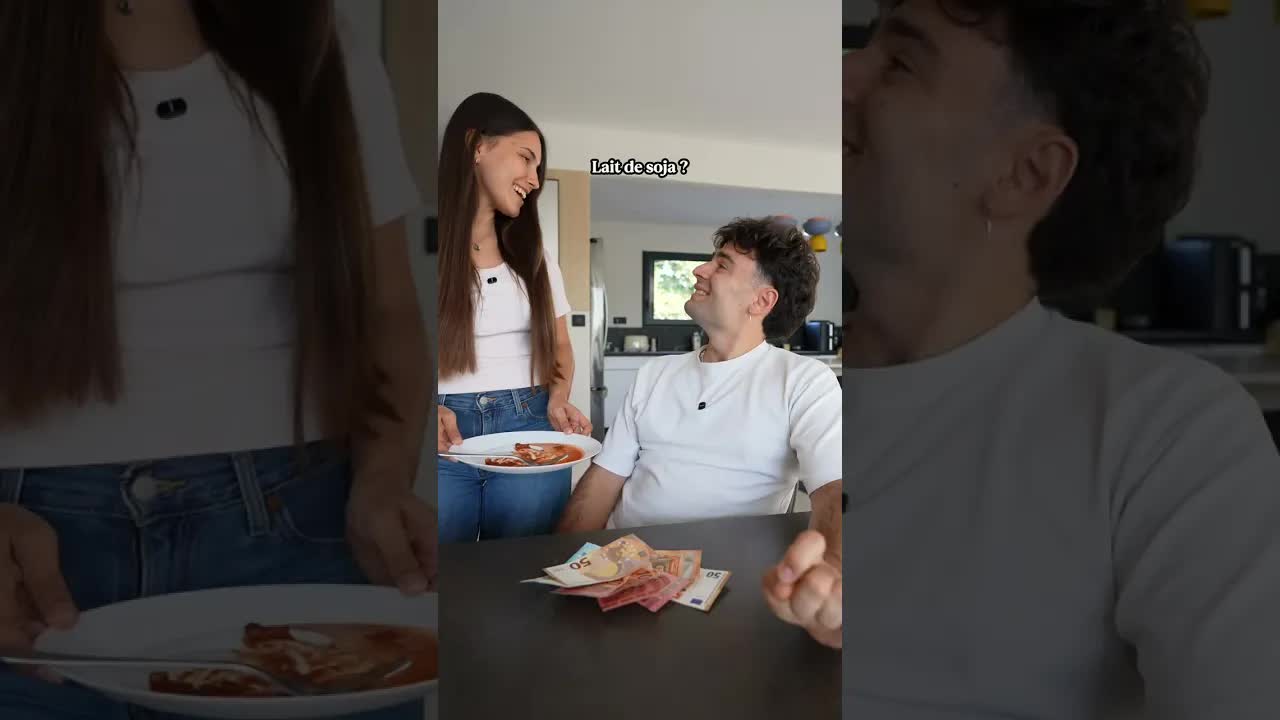
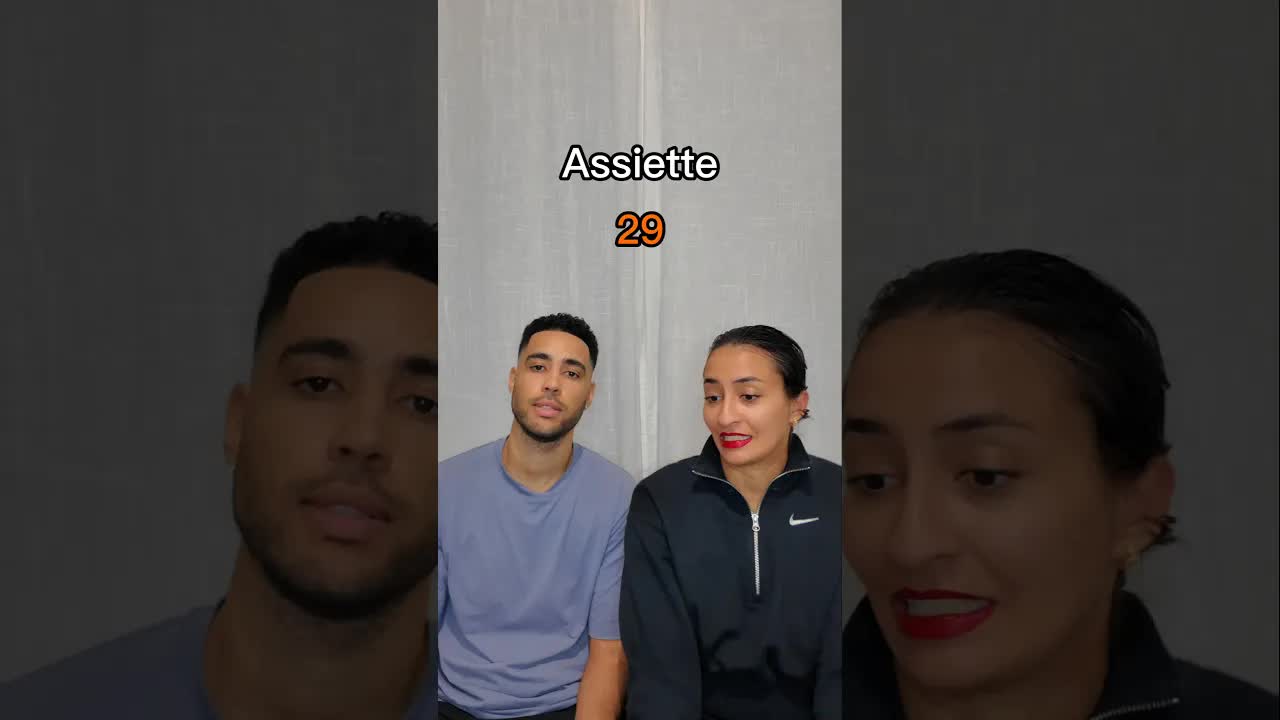


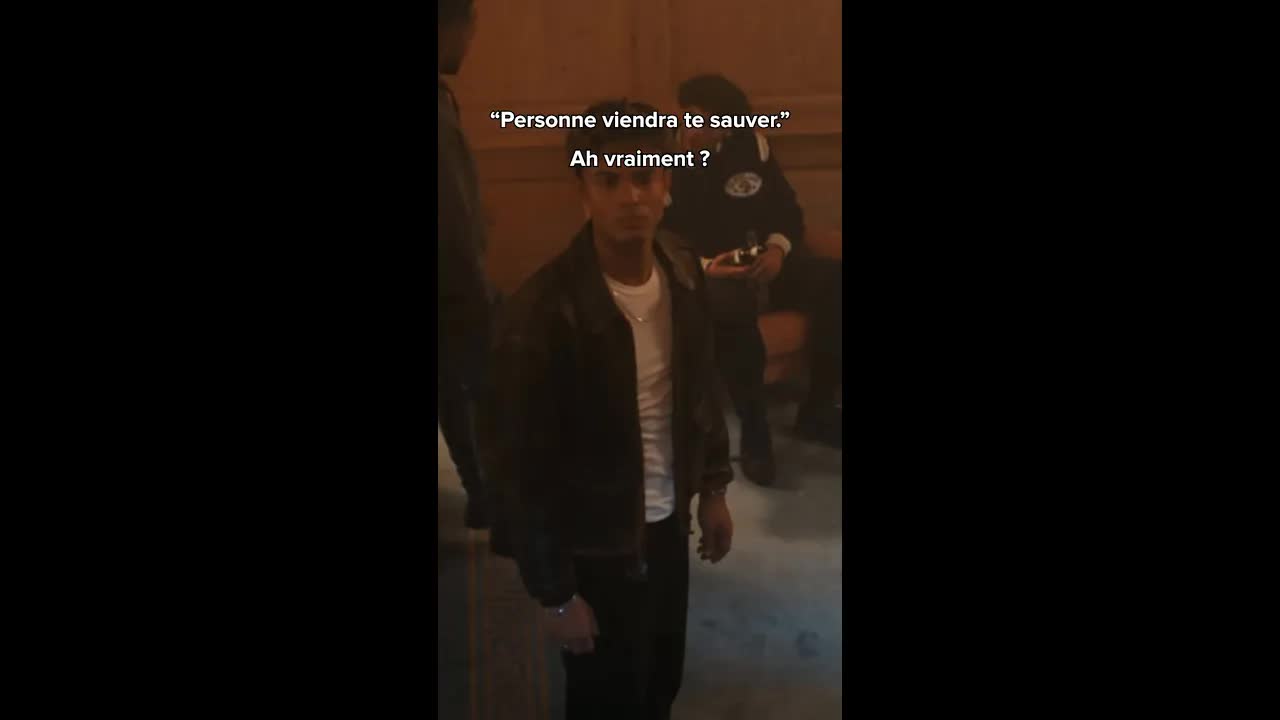

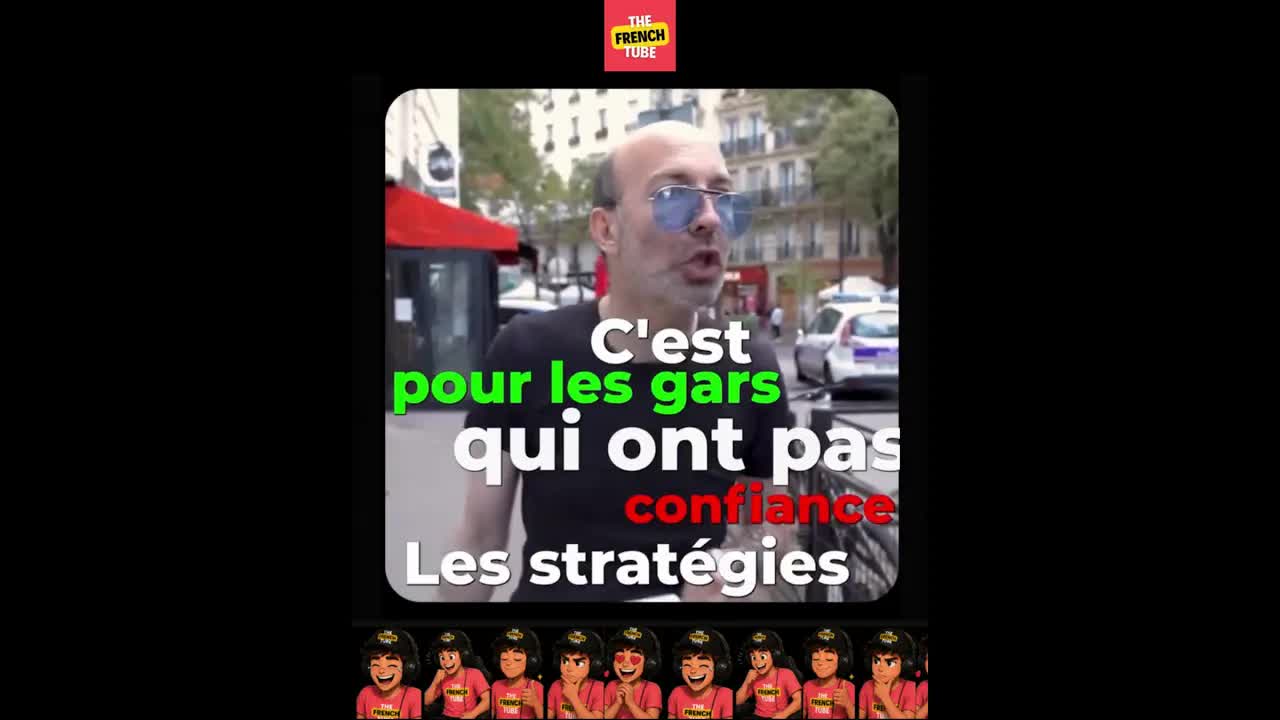
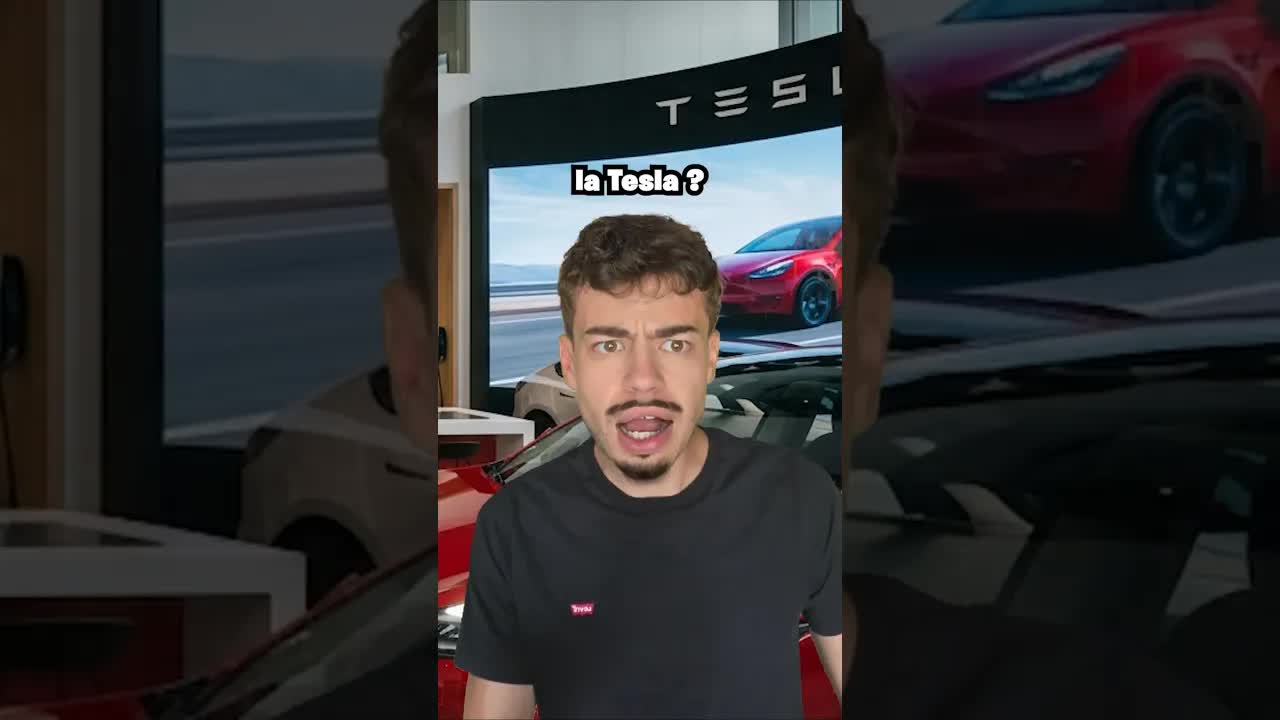
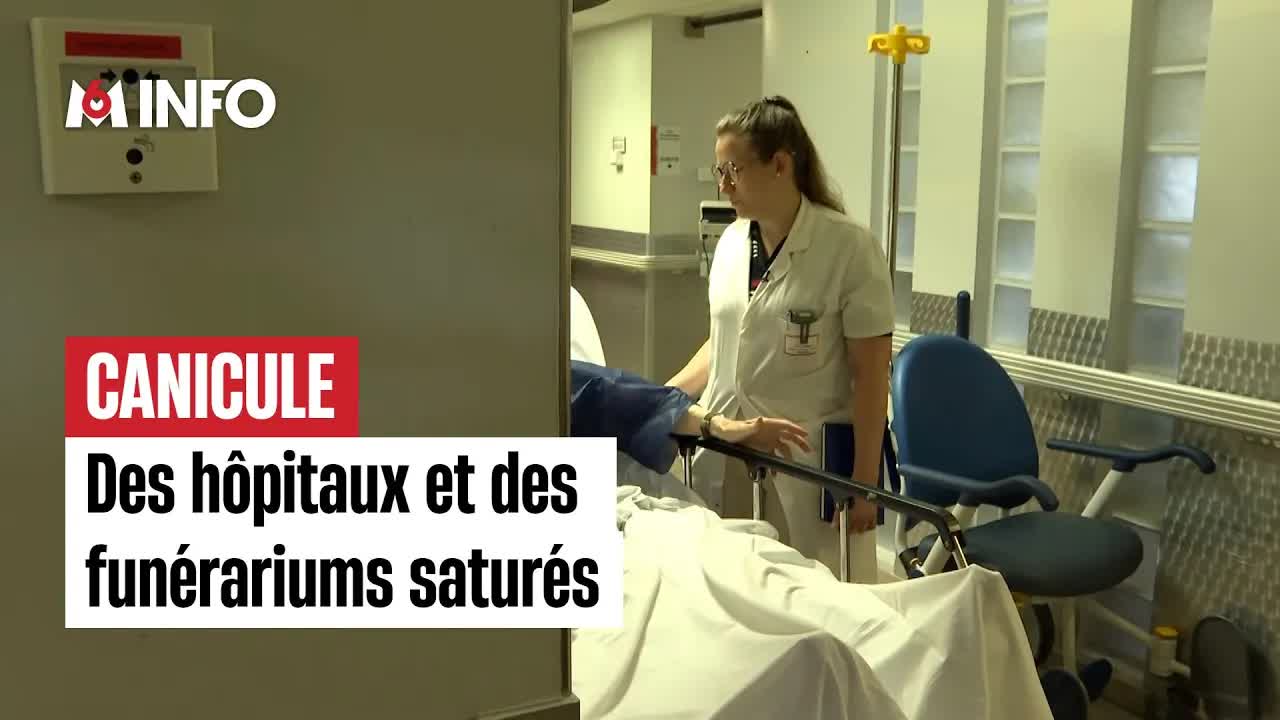

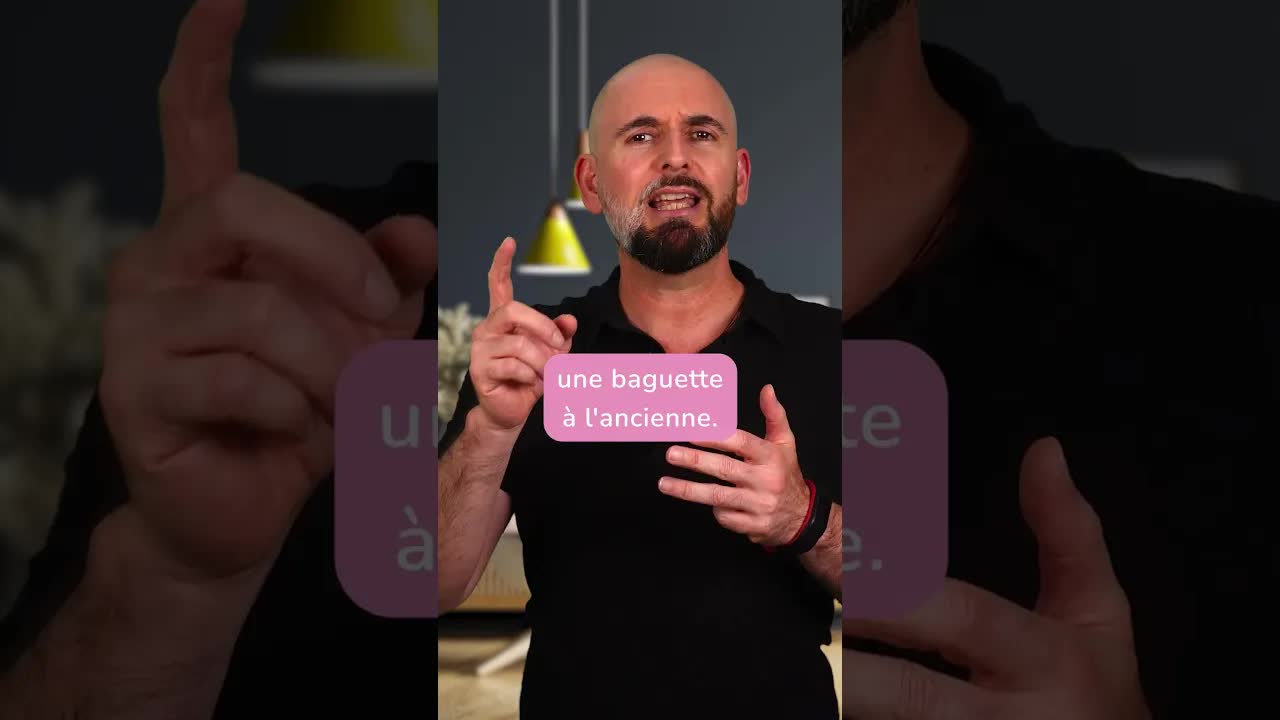
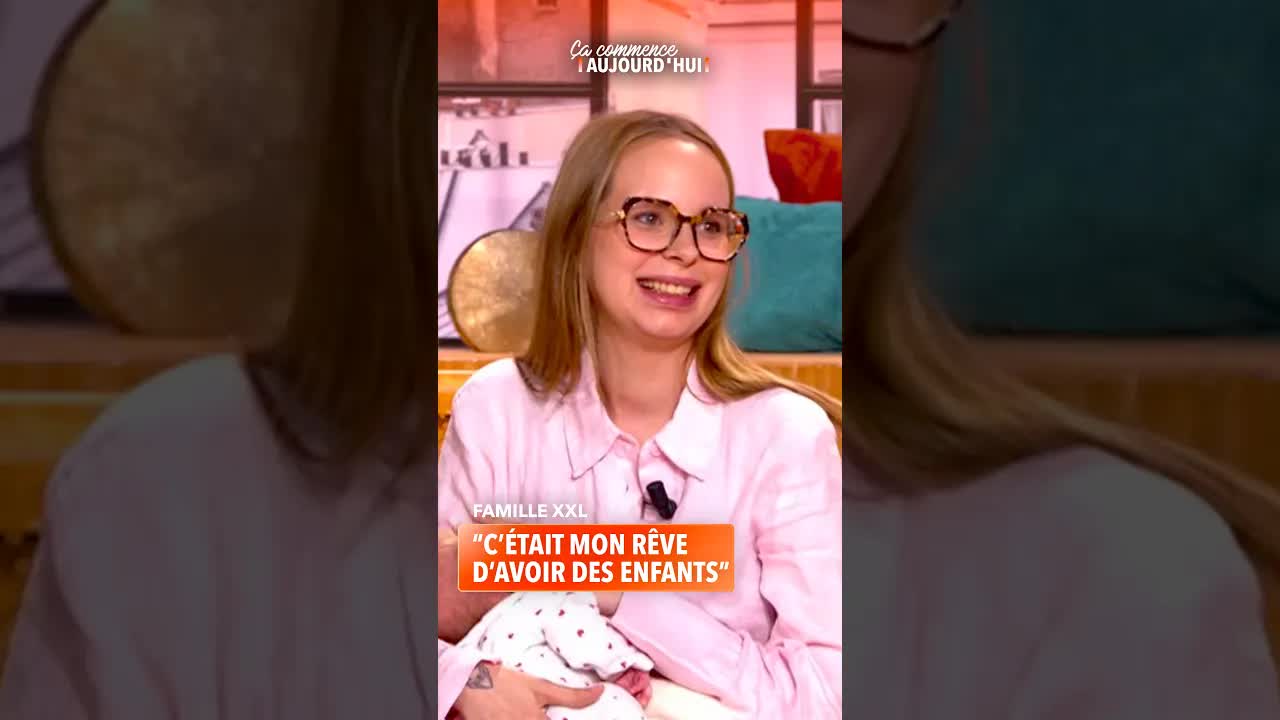
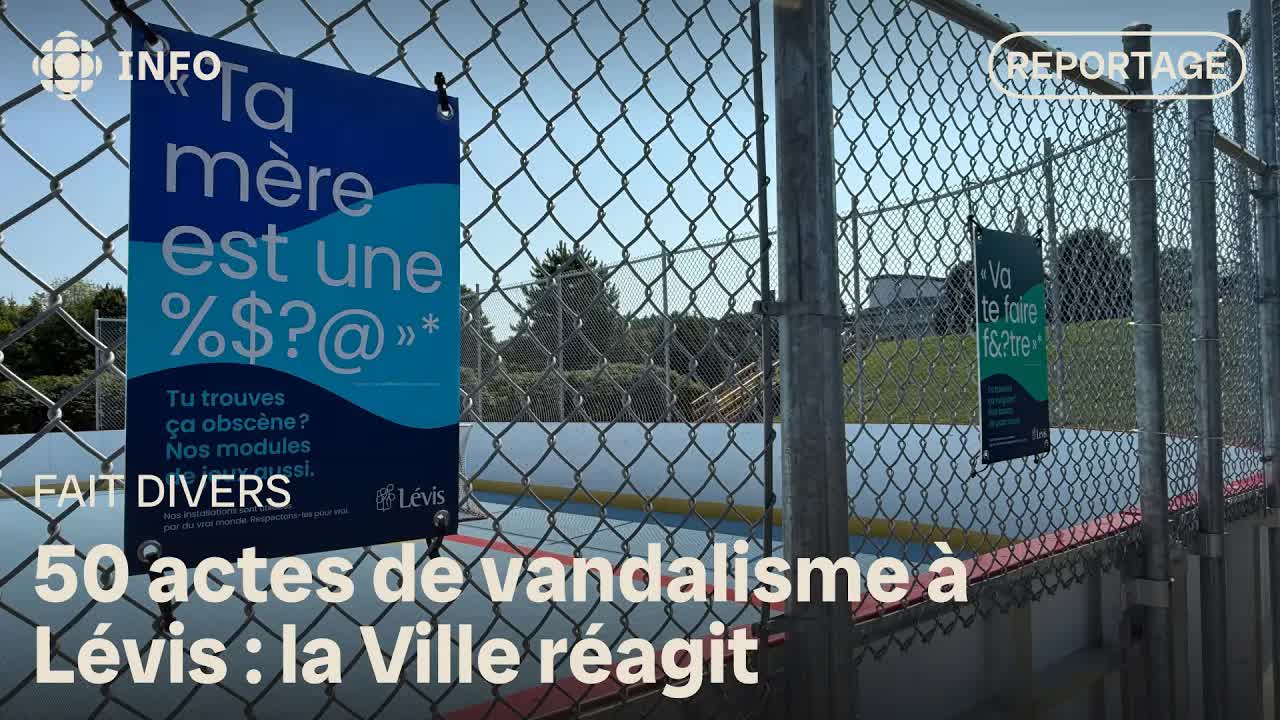

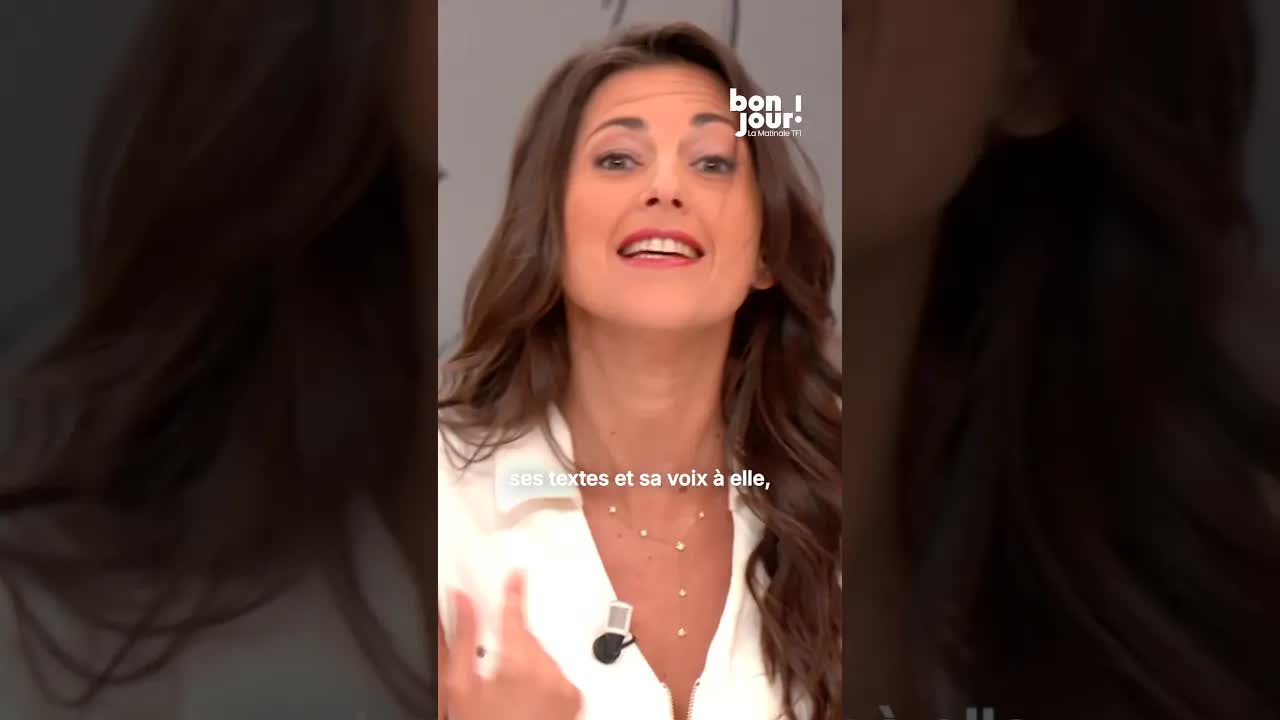



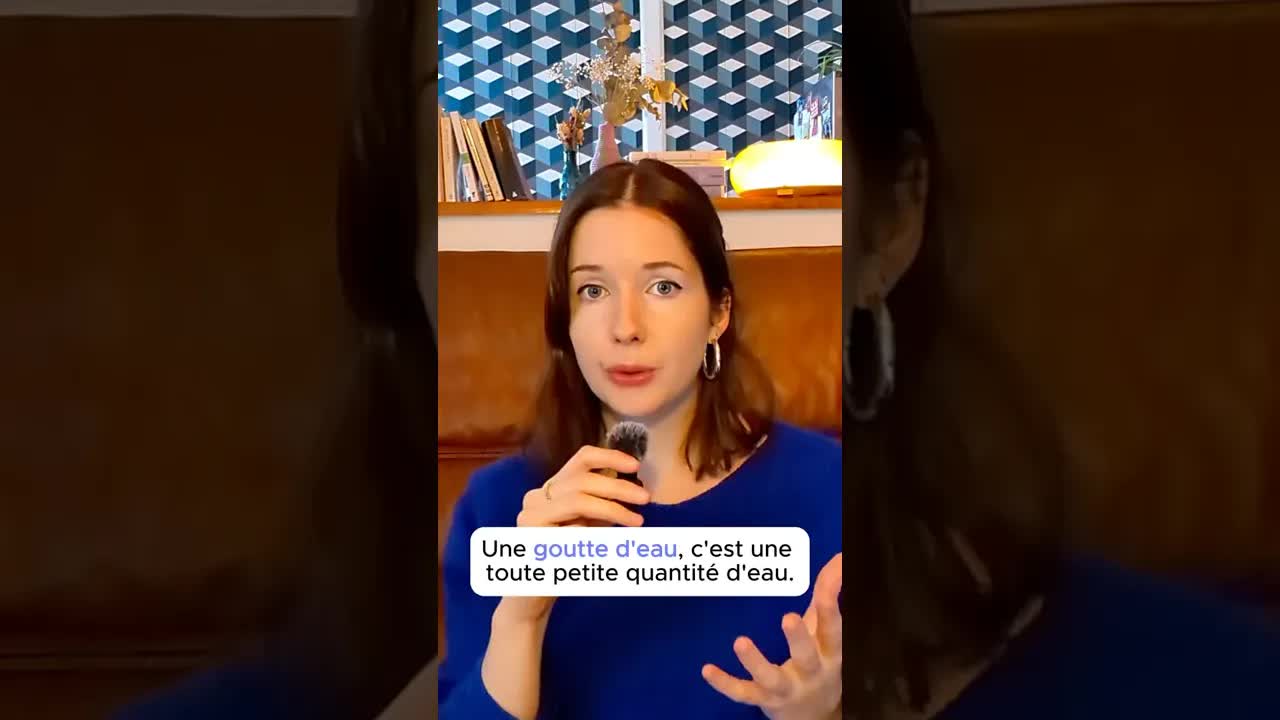


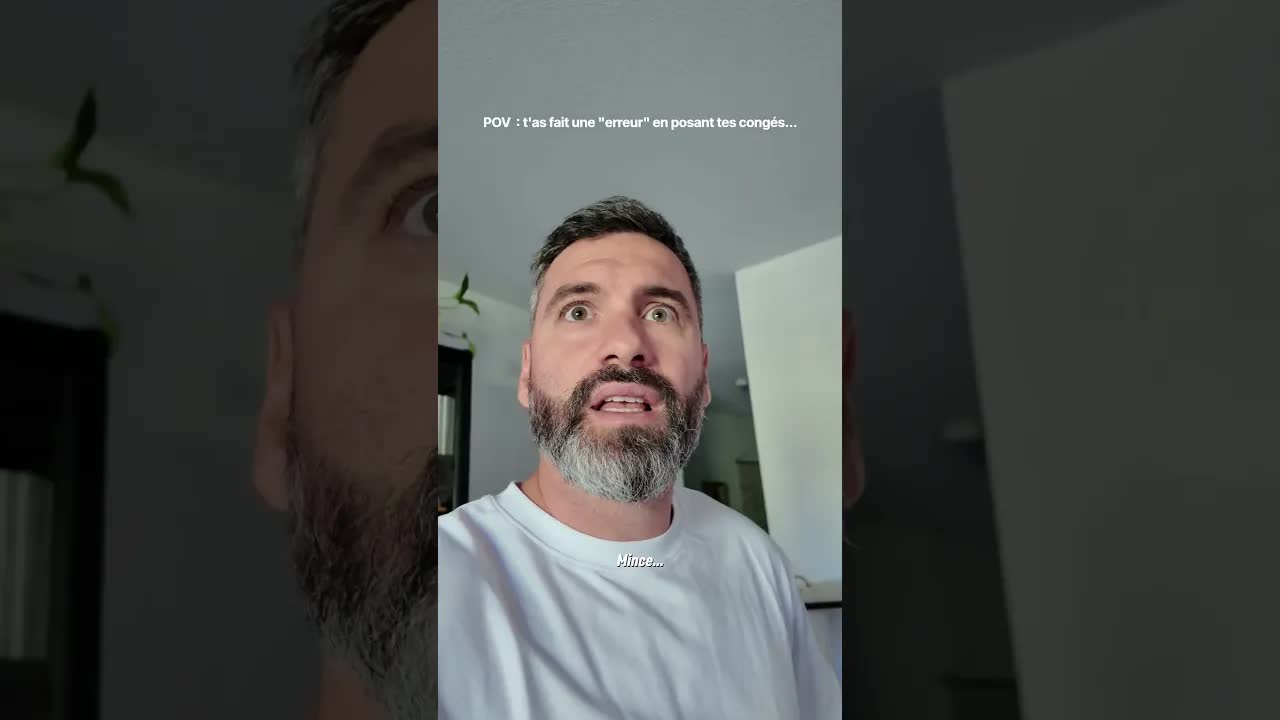
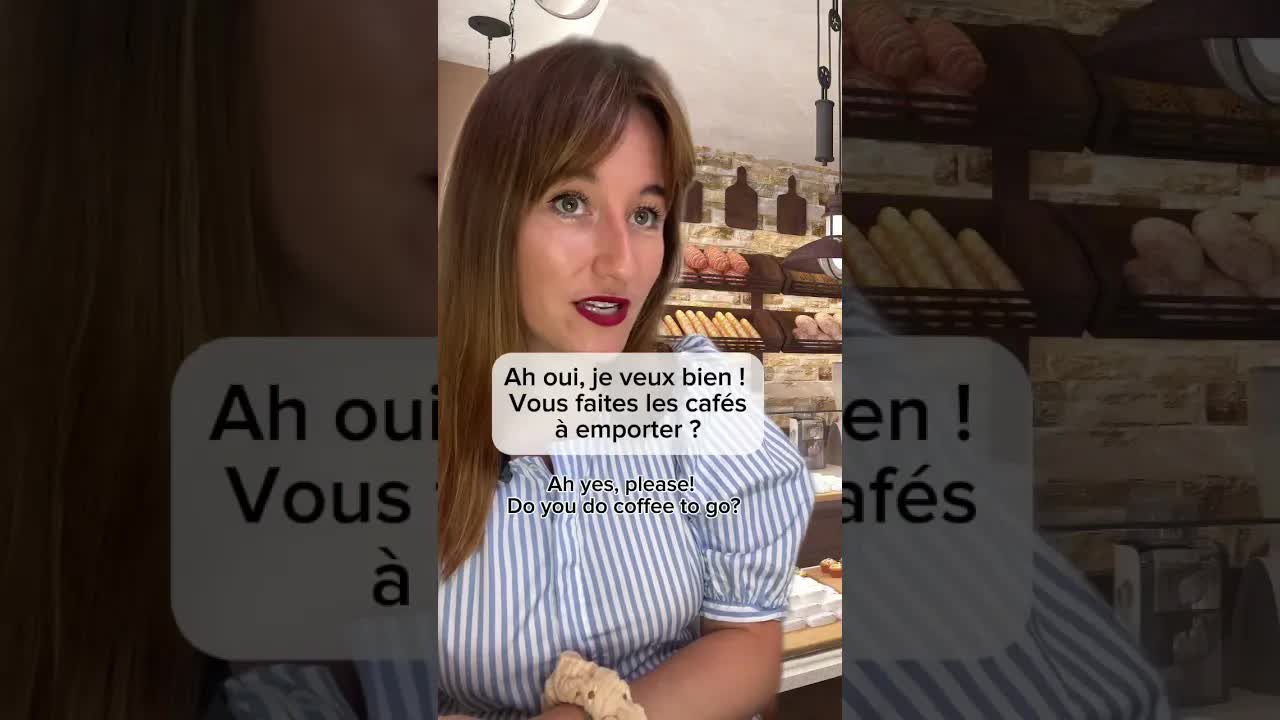

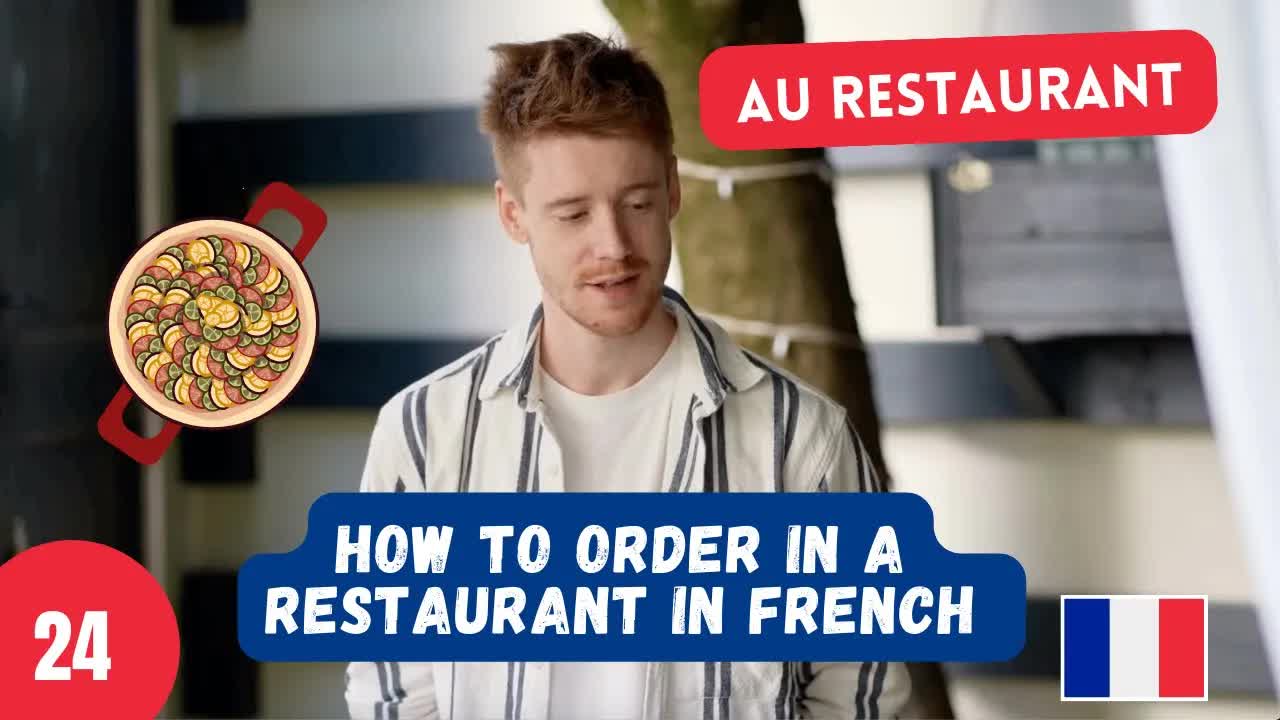

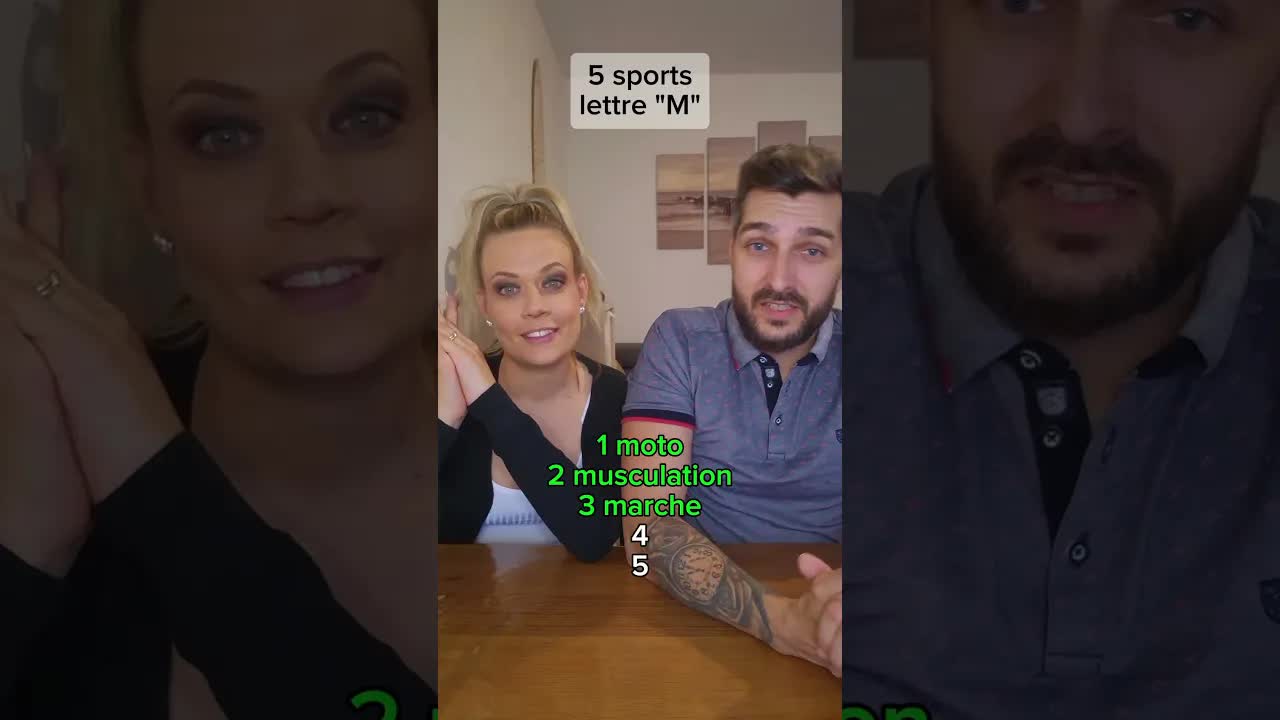
Is Reelang the best app to learn French?
It depends on your level. If you start from zero, a course app like Duolingo or Babbel is a good first step. When you know the basics, from about A2, the hard part is to understand real people. Reelang is for that. You get real French videos from many French-speaking places, at your level, with help when you need it. You can use both.
- The French you really hear: no “ne”, dropped sounds and fast talk. Books leave these things out.
- Always at your level: each video has a level and a speed. The page learns as you watch.
- The accents you will hear: French from France, Québec French, African French, Belgian French, and Swiss French.
- Made for listening: many people read French well, but cannot follow real talk. Reelang trains exactly this.
French videos by level
Pick your level, or one step above it, and stretch upward as your ear gets used to faster, more connected French.
French accents
French sounds different in Paris, Montréal, Brussels, Geneva and Dakar. Train your ear on the accent you need.
French from France: the variety most courses teach, from Paris to the regions.
Québec French: distinctive vowels, “tsu” and “dzi” sounds and everyday expressions you won’t hear in France.
African French: French as spoken across West and Central Africa, with its own rhythm and vocabulary.
Belgian French: close to French from France, with its own numbers (septante, nonante) and expressions.
Swiss French: a calm pace, septante and nonante, and a few local words.
French videos by subject
Learn French through what you already enjoy: food, travel, culture, comedy, relationships and more.
Did you grow up with French at home?
If you understand French from your family and want to understand more, Reelang has real people who speak it, at a level a little above yours.
Getting ready for DELF or DALF?
Practice the listening part with real people, at a speed close to the test. The free DELF B1 and B2 listening packs come from our video list.
How it works
Questions about learning French with Reelang
What is the best app to learn French with real videos?
Reelang is made for this. It is a free watch page of real French videos from real people. Each video has a level, a speed and an accent, and the page changes as you watch.
How does Reelang find my level?
It starts you with easy videos. Then it learns from the people you follow, the videos you skip and the words you look up. There is no level quiz.
What is the Reelang French watch page?
A page of short videos from real people who speak French. Each video has a level and a speed, and we show the accent. It learns how you watch and keeps showing videos at your level.
What are videos you can understand?
It is French that you can mostly understand, with a little that is new. Stephen Krashen, a man who studies how people learn languages, said this is how we learn them. Reelang is built on his idea.
Reelang goes one step more. It checks how often each word is used in everyday French. It also knows which words you already know. So your page shows videos with words you know, plus the most common words you do not know yet. Videos you can understand, made for you.
Does Reelang explain the words in each video?
Tap any word to see what it means. With Reelang+, Learner Insights tell you more about the culture and the way people talk in a video.
Some French words and phrases we explain, from new videos:
- passer au tableau: "to be called up to the board" in class
- un portable: "a mobile phone" (or a laptop), not just "portable"
- la tradi: short for *la baguette tradition*, the premium baguette
- il te reste: "you have … left," literally "there remains to you"
- les internes et les externes: two ranks of French medical students, not "interns" or "externs"
Why short videos from real people?
With short videos, you hear many more people, accents and places in the same time. So your ear learns French the way people really talk.
How does Reelang know if a video is too fast or too hard?
We check how people talk in each video, not only the words. We check how fast they talk, how often they stop, how many words they say between stops, and how much of the video is talking. We also check the word level. So the page knows what you know and how fast you can follow.
What if I do not know a word?
Tap it to see what it means. With Reelang+, you also see it in your own language. And words you look up come back in new videos.
Which French words should I learn first?
The most common ones. Smart Subtitles show how common each word is. So you know which words to learn first.
Which levels does it have?
Beginner (A1) to Understands fast talk (C1). It works best from about A2.
Do I need an account? Is it free?
The French watch page is free. You can start without an account. Reelang+ gives you videos picked for you, words in your own language, and words that come back in new videos.
Why is spoken French so hard to understand?
Because it is shorter than written French. People drop the “ne” in sentences with “not”, drop the e in “je” and “le”, and join words with liaison. So “je ne sais pas” can sound like one word. Course audio rarely trains your ear for this. Real videos at your level do.
Can I learn Québec French on Reelang?
Yes. Pick an accent to hear people from Québec, Belgium, Switzerland and French-speaking Africa, and also from France. French from Québec has its own sound (“tu” sounds close to “tsu”) and its own words, like char for a car or blonde for a girlfriend. In Belgium and Switzerland you hear septante and nonante, not soixante-dix and quatre-vingt-dix.
Does Reelang help with DELF or DALF?
Yes, for the listening part. The free DELF B1 and B2 listening packs come from our video list. The speed is close to the test.
How is Reelang different from a normal language app?
Most apps use drills and made-up audio. Reelang helps you listen to real French, the way people really talk.
How much should I watch?
A little every day is best. A short time each day that you like is better than a long time that you skip.
About this page
Videos you can understand in French
What are videos you can understand?
Videos you can understand are videos where you get most of it, but a few words are new. People learn a language best by understanding real messages, not just by learning how words fit together. This is very true for French. Many people can read French well before they can follow real spoken French. On Reelang, this means you hear French you can follow now. At the same time, you get used to the real speed and the way words join together. These are the things that make listening hard.
Why we use real videos, not book talking
French in class and French in real life can feel like two different languages. Real people drop sounds, talk fast, and change how they talk depending on who they talk to. Books do not always show this. Reelang uses real short videos. Nobody writes down what people say before they say it. So you hear real talking, at real speed, just how it really sounds. Not a slow, clean version made just to show one rule.
How to use this video list
Start with your level. From there, see videos by subject or how people talk based on what you want to notice. If you can read French better than you can understand spoken French, start with easy videos and build up from there. You can also choose videos by a French rule, like how to say no, words like I and you, or words for the past. Getting ready for a test? The free listening packs on the DELF B1 page and the DELF B2 page come from our videos. The speed is close to the compréhension orale of the real test.
Want a full plan? Read our guide to videos you can understand.