Russisch-Hörübungen · C1 · Müheloses Verstehen
What does the particle «-таки» mean in Russian?
Шутка про странные звуки и шопена



Von SantiagoTV auf YouTube. Original ansehen
The particle «-таки» adds a sense of “after all, in the end”: «вышел-таки Изя» (Izya came out after all) means that Izya did come out in the end.
The particle -таки attaches to a word with a hyphen and carries the sense “after all, despite the doubts”: «он вернулся-таки» (he came back after all) means «он всё-таки вернулся» (he did come back in the end). In everyday speech it gives a sentence an ironic, colloquial tone. Related forms are «всё-таки» (all the same), «опять-таки» (again, likewise) and «так-таки» (really, at that). The short «-таки» after a verb is less common, so it is easy to spot.
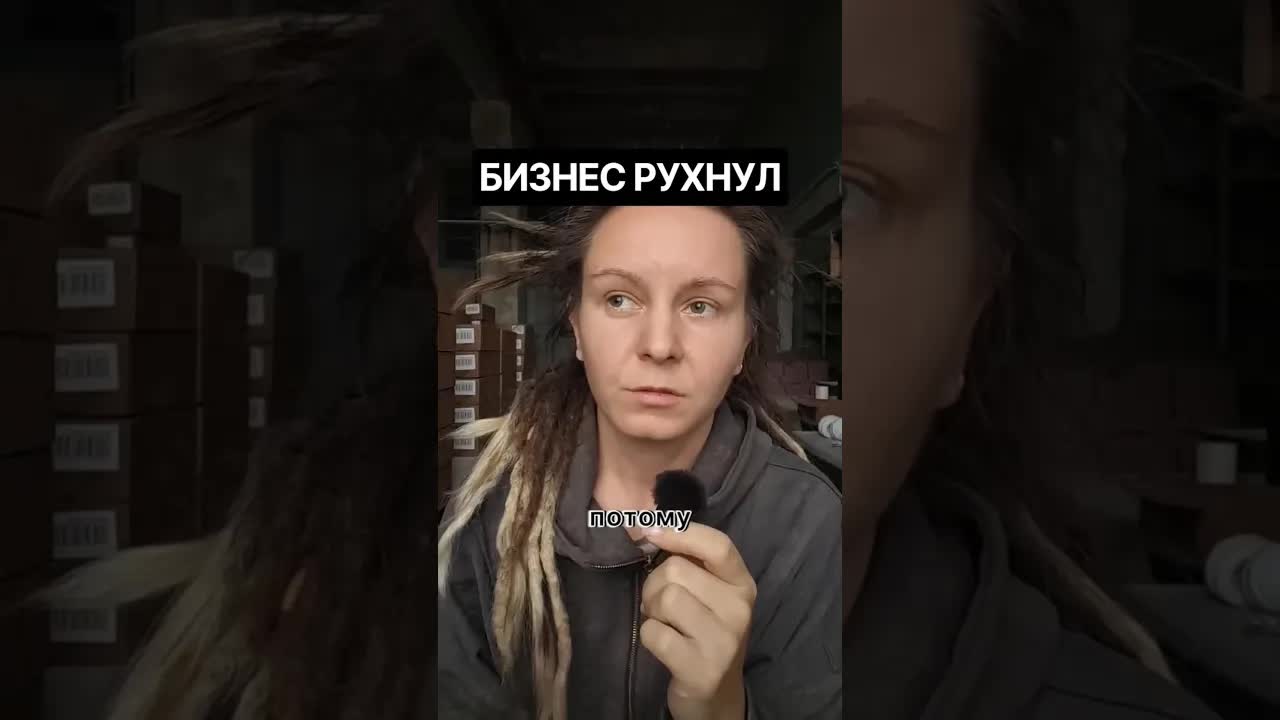
In the clip, the joke depends on an ambiguity. Sofochka says strange sounds were coming from the room, and answers that it was Chopin playing. Then comes the line «странно-странно звучал Шопен, а вышел-таки Изя» (Chopin sounded very strange, but it was Izya who came out after all). «Вышел-таки» (came out after all) stresses that, against the Chopin story, it was Izya who finally came out of the room. Compare «пришёл» (came, a plain fact) and «пришёл-таки» (came after all, although people expected he would not come).
Wie häufig sind die Wörter in diesem Clip?
78,9%
der Wörter gehören zu den 2.000 häufigsten russischen Wörtern
Aus unserer ForschungWie viele Wörter brauchst du, um Videos von Muttersprachlern zu verstehen?
Mehr Clips wie dieser

Как Робби Уильямс пел для Тельмана Исмаилова

Самый лучший момент дня — мой утренний напиток

Почему молодые становятся социалистами

Психология бытовых ссор: симптом или проблема?

Разочарование после встречи с кумиром в Кремниевой долине