Practice listening in Japanese · C1 · Understands fast talk
What does “オンパレード” mean in Japanese?
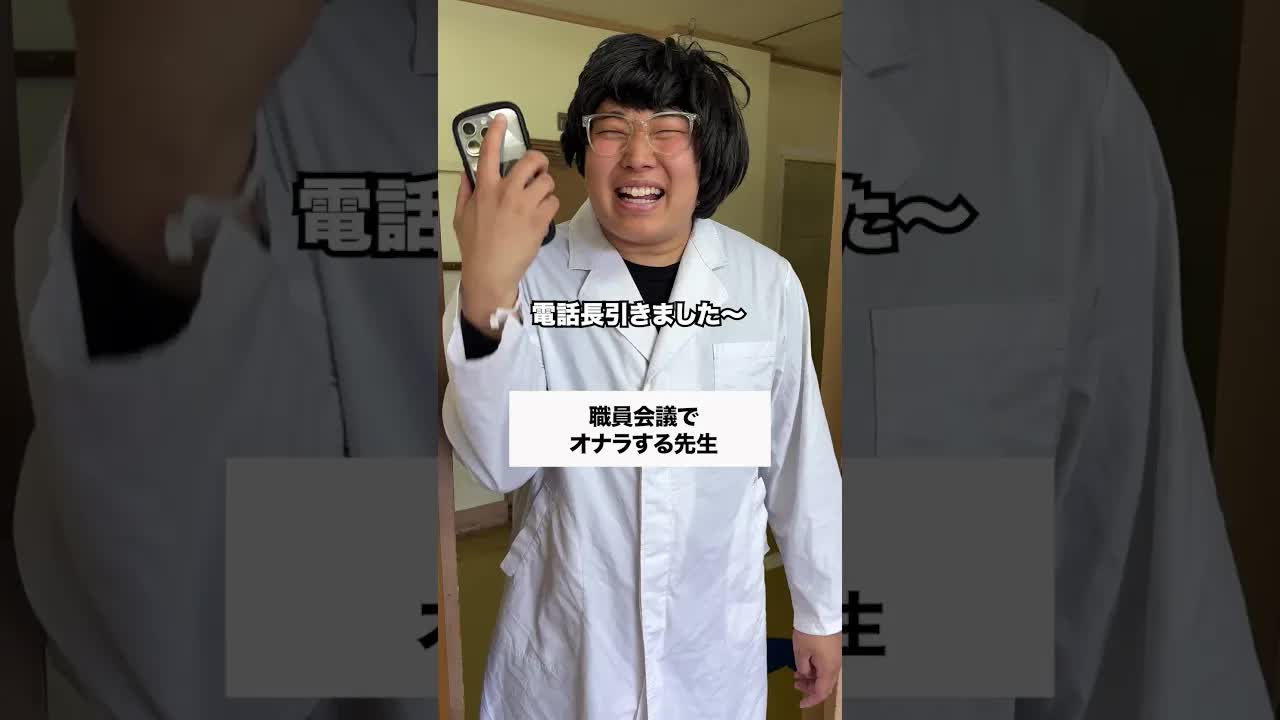
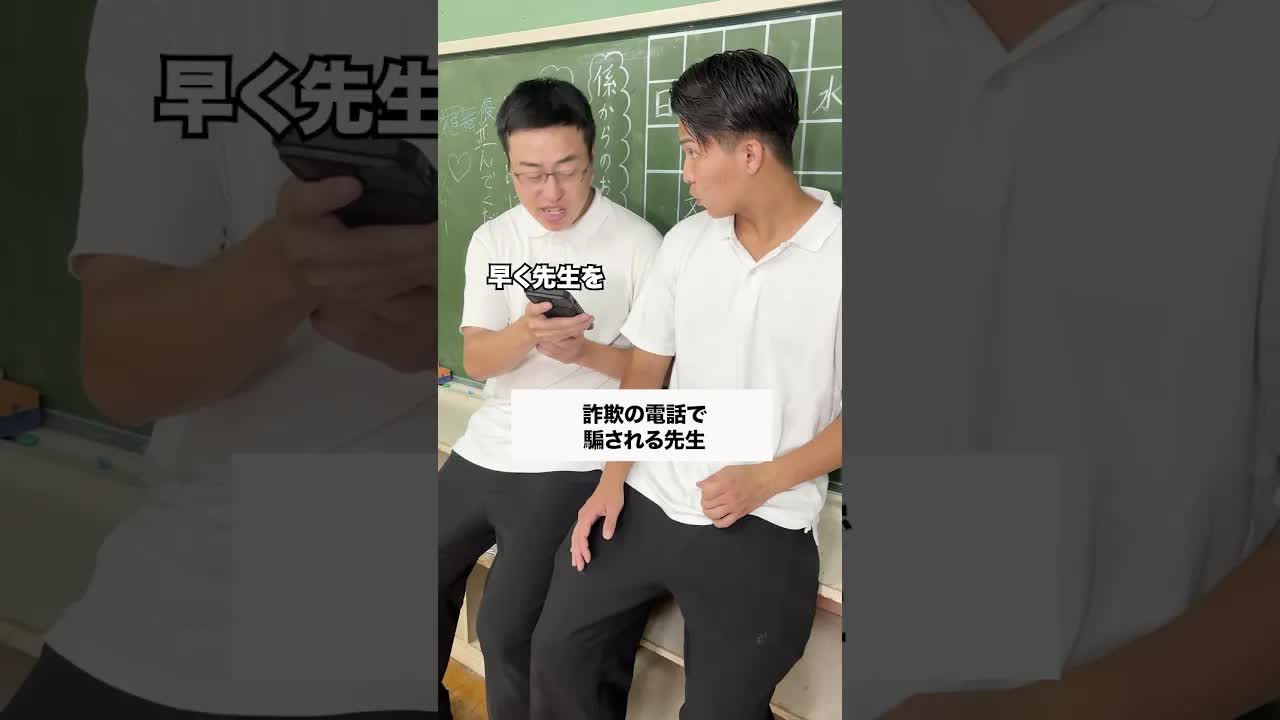
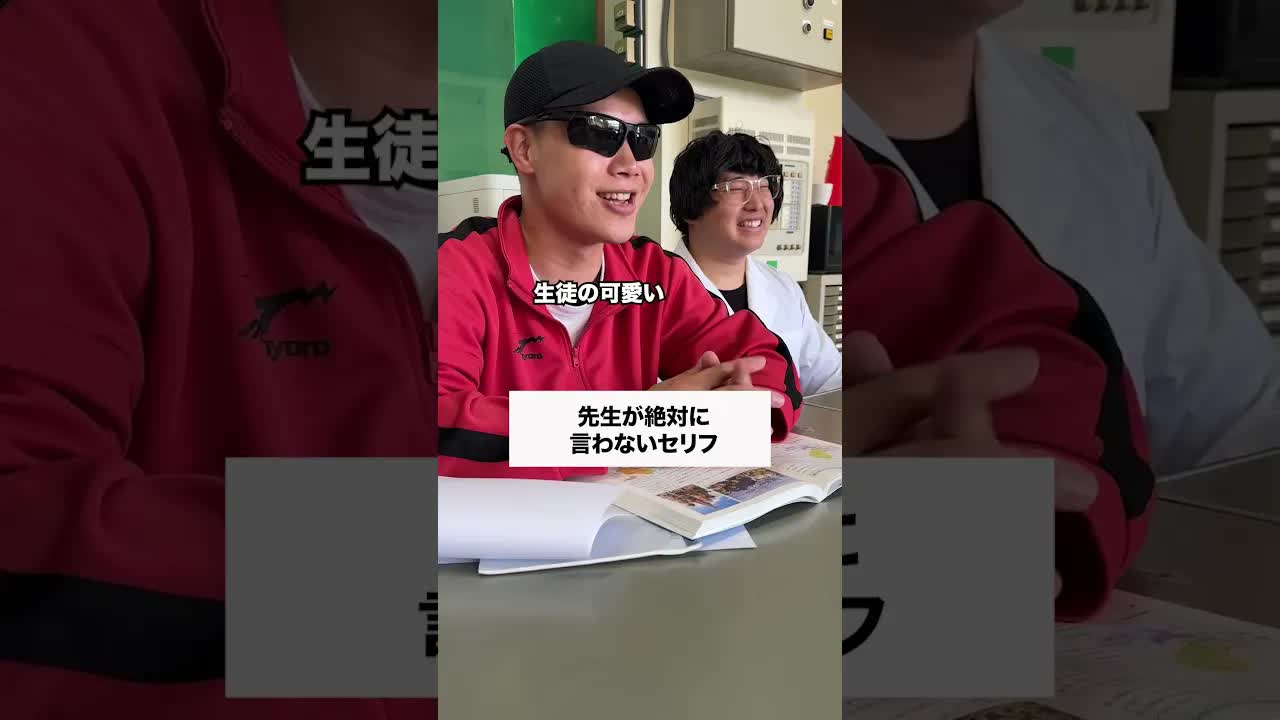
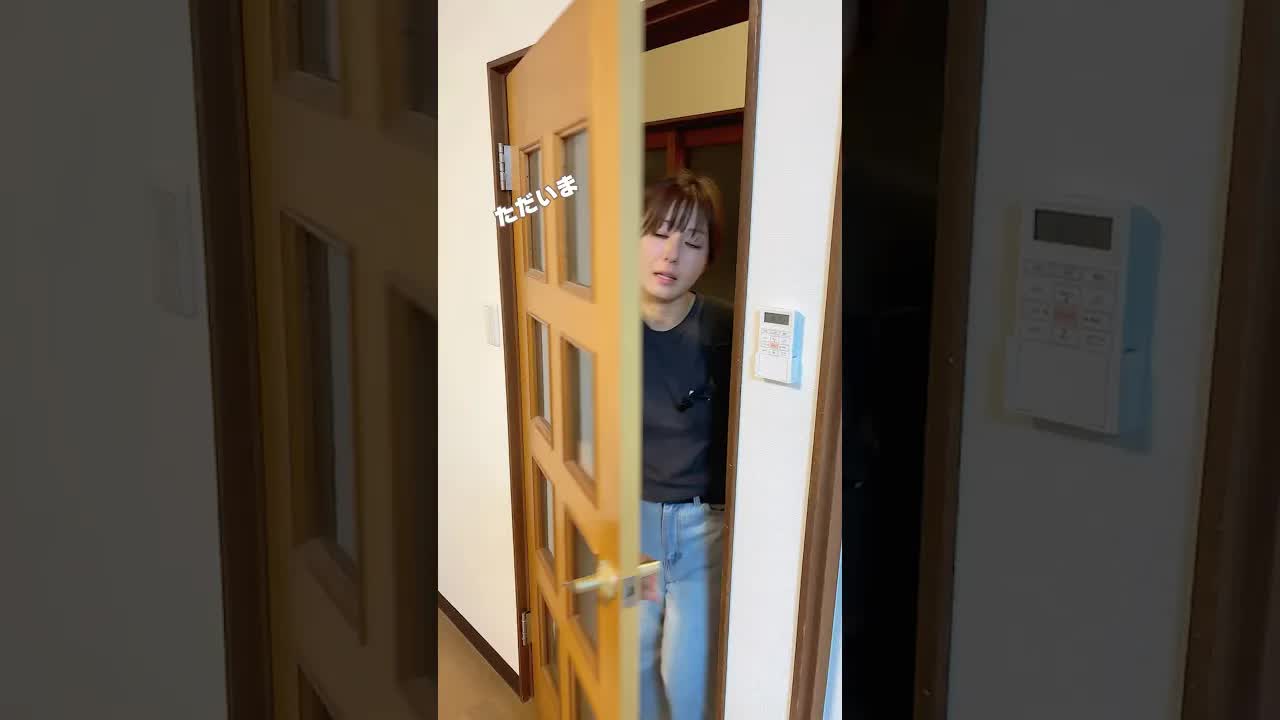
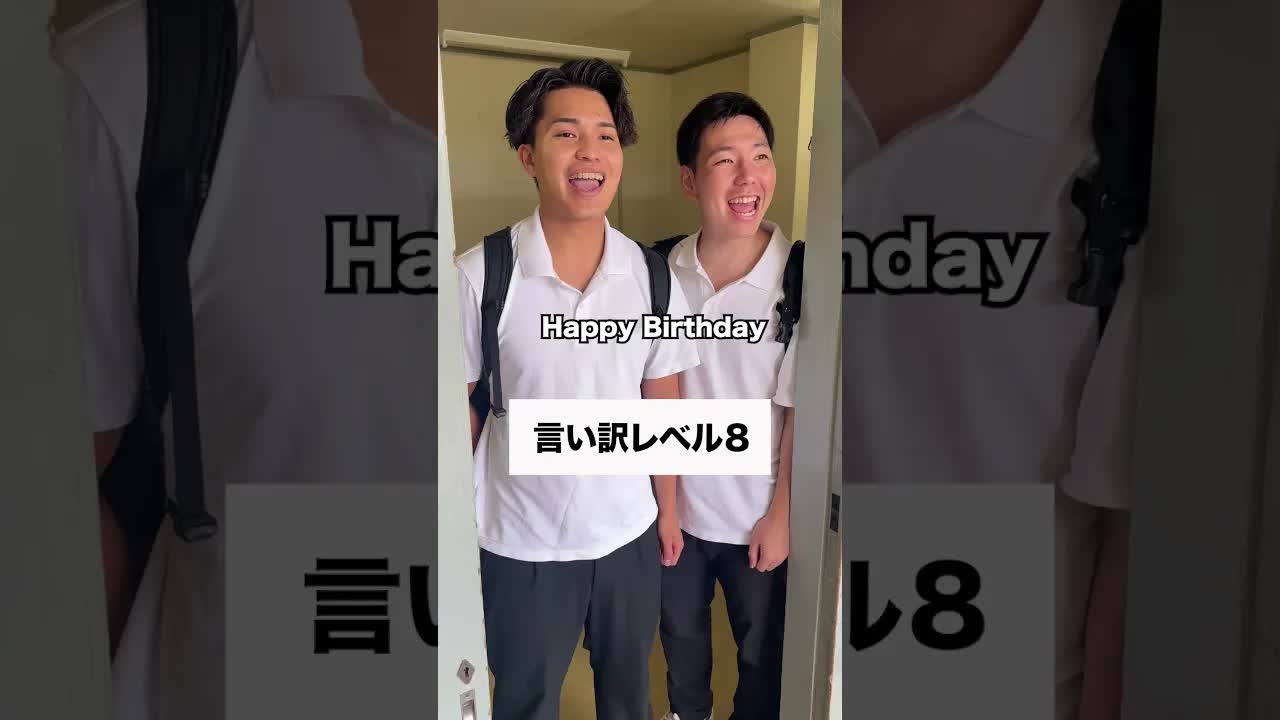
遅刻の言い訳がレベルMAXな高校生コント
In this clip you’ll learn 10 words, including 嘘つけ (lie), よしの (Yoshino), and いや (no).


From テセサクch on YouTube. Watch original
A “parade” of one thing after another, usually in a mocking or amazed tone
オンパレード looks like English “on parade”, but English speakers don’t use it that way. It’s a Japanese-made word for a flood of similar things arriving one after another: 名曲のオンパレード is a run of hit songs, 言い訳のオンパレード is a string of excuses. Tack it on after の and you can describe almost any pile-up, good or ridiculous.
In the clip, a teacher listens to a student’s late excuses (a train delay, an alien, a lost wallet, an elephant) and wraps it up with 言い訳のオンパレードやんけ, “what a parade of excuses.” The ending やんけ is Kansai-flavoured casual speech for やないか. The tone depends on the noun. With something good (名曲, 豪華ゲスト) it’s admiring; with something bad (ミス, 言い訳) it’s a dry complaint. It’s not a loanword you can drop into English, so treat it as a Japanese word that happens to be written in katakana.
Words you’ll learn in this clip
Each word with what it means in this clip and the line it is said in.
- ▶ 0:01A rarer word, outside the 5,000 most common嘘つけlie
“嘘つけ。”
- ▶ 0:12A rarer word, outside the 5,000 most commonよしのYoshino
“よしの、お早う。”
Checked by Asami, a native speaker - ▶ 0:18One of the 5,000 most common wordsいやno
“いや、これガチです。”
- ▶ 0:20A rarer word, outside the 5,000 most commonはtopic marker
“連れてきました。は?”
- ▶ 0:20A rarer word, outside the 5,000 most common連れてきましたbrought (someone)
“連れてきました。は?”
- ▶ 0:33A rarer word, outside the 5,000 most commonイエーYeah!
“ハッピーバースデートゥーユー。イエー!”
Checked by Mei, a native speaker - ▶ 0:33A rarer word, outside the 5,000 most commonハッピーバースデートゥーユーHappy Birthday to You
“ハッピーバースデートゥーユー。イエー!”
Checked by Mei, a native speaker - ▶ 0:40A rarer word, outside the 5,000 most commonすいませんexcuse me
“すいません、遅刻しました。”
Checked by Mei and Asami, native speakers - ▶ 0:40A rarer word, outside the 5,000 most common遅刻しましたwas late
“すいません、遅刻しました。”
Checked by Mei and Asami, native speakers - ▶ 0:42A rarer word, outside the 5,000 most common象elephant
“象と出会いました。象?”