日本語のリスニング練習 · C1 · らくらく理解
What does “オンパレード” mean in Japanese?
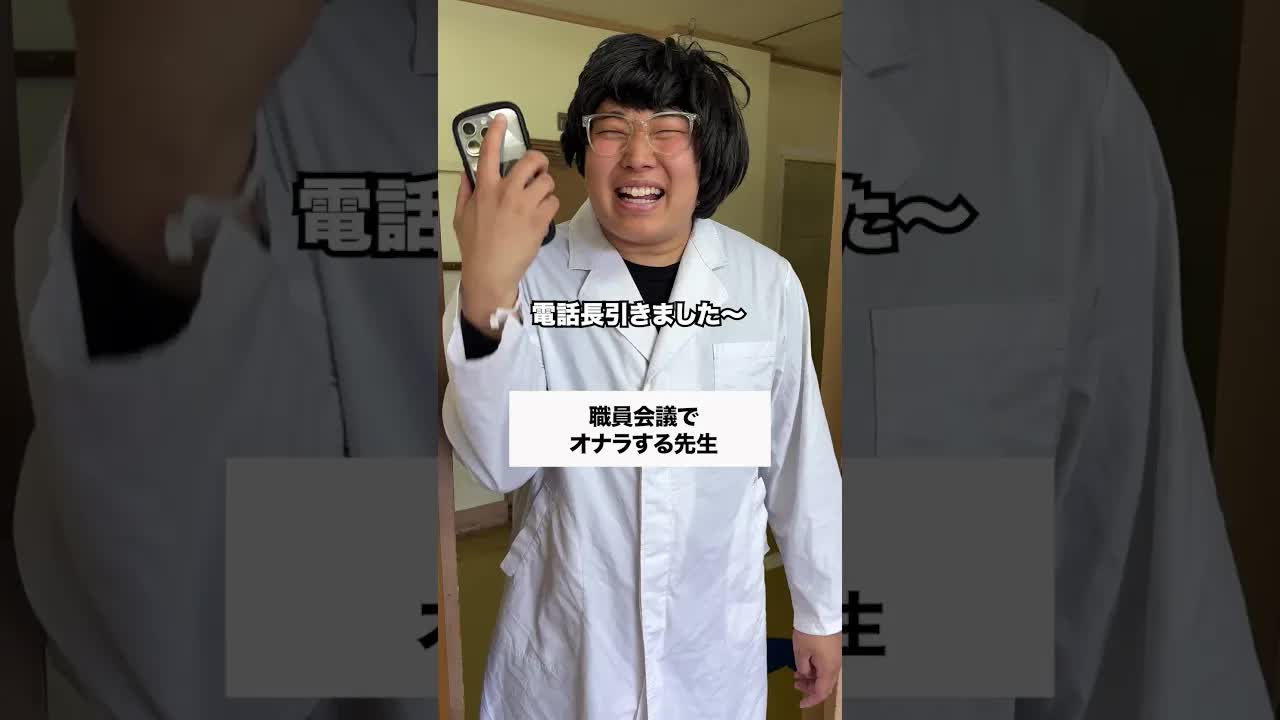
遅刻の言い訳がレベルMAXな高校生コント



テセサクch(YouTube)より。 元動画を見る
A “parade” of one thing after another, usually in a mocking or amazed tone
オンパレード looks like English “on parade”, but English speakers don’t use it that way. It’s a Japanese-made word for a flood of similar things arriving one after another: 名曲のオンパレード is a run of hit songs, 言い訳のオンパレード is a string of excuses. Tack it on after の and you can describe almost any pile-up, good or ridiculous.
In the clip, a teacher listens to a student’s late excuses (a train delay, an alien, a lost wallet, an elephant) and wraps it up with 言い訳のオンパレードやんけ, “what a parade of excuses.” The ending やんけ is Kansai-flavoured casual speech for やないか. The tone depends on the noun. With something good (名曲, 豪華ゲスト) it’s admiring; with something bad (ミス, 言い訳) it’s a dry complaint. It’s not a loanword you can drop into English, so treat it as a Japanese word that happens to be written in katakana.