Exercices d’écoute en japonais · C1 · Compréhension sans effort
What does “オンパレード” mean in Japanese?
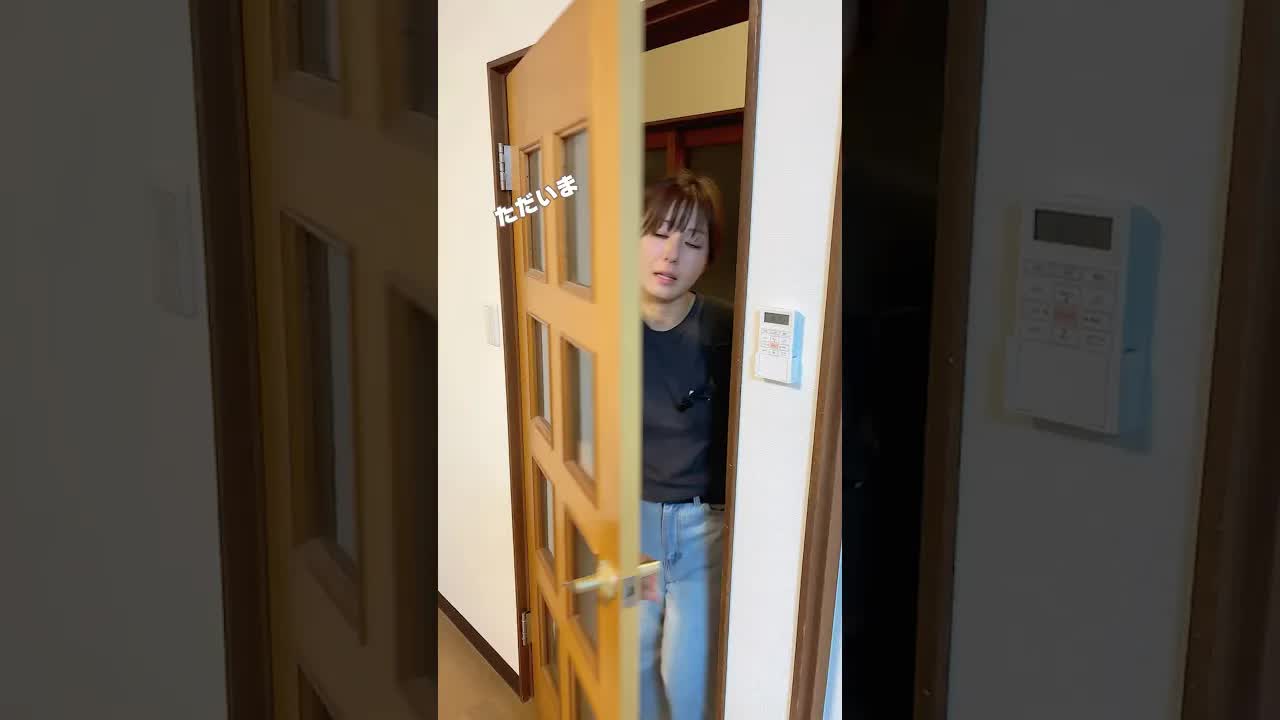
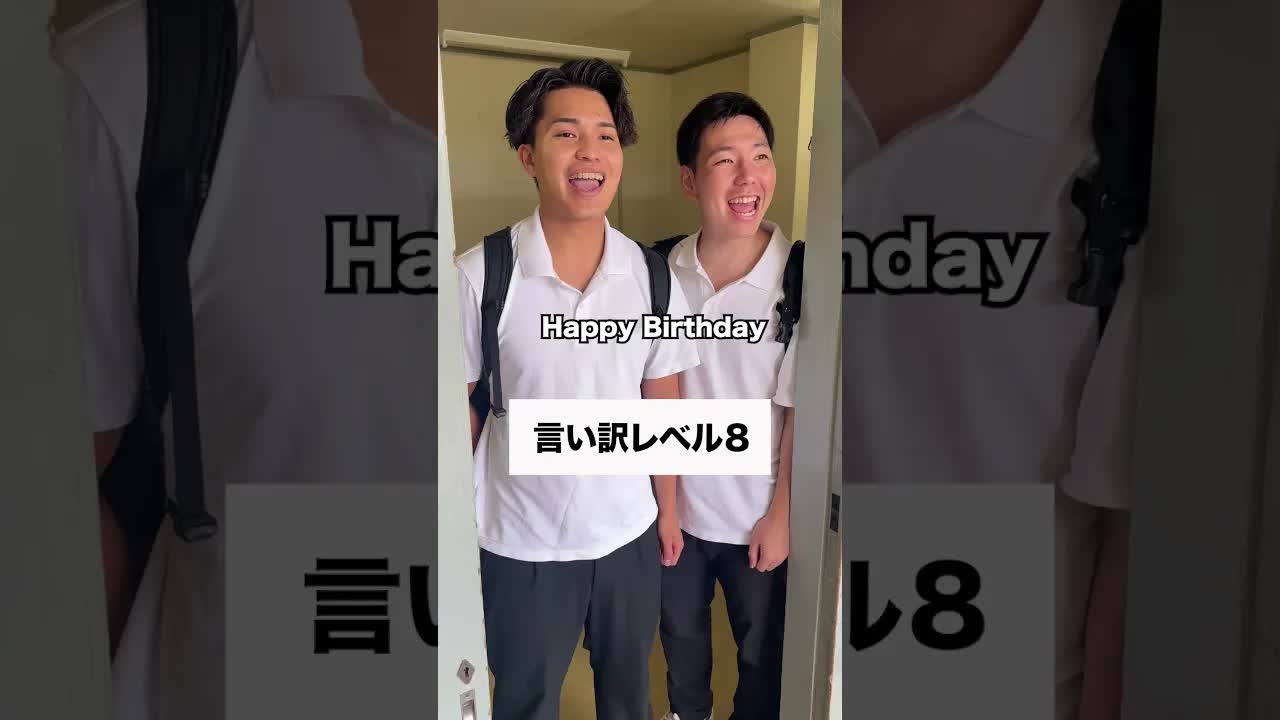
遅刻の言い訳がレベルMAXな高校生コント
Dans ce clip, tu apprends 10 mots, dont 嘘つけ (mentir), お早う (bonjour) et よしの (nom de personne).


De テセサクch sur YouTube. Voir l’original
A “parade” of one thing after another, usually in a mocking or amazed tone
オンパレード looks like English “on parade”, but English speakers don’t use it that way. It’s a Japanese-made word for a flood of similar things arriving one after another: 名曲のオンパレード is a run of hit songs, 言い訳のオンパレード is a string of excuses. Tack it on after の and you can describe almost any pile-up, good or ridiculous.
In the clip, a teacher listens to a student’s late excuses (a train delay, an alien, a lost wallet, an elephant) and wraps it up with 言い訳のオンパレードやんけ, “what a parade of excuses.” The ending やんけ is Kansai-flavoured casual speech for やないか. The tone depends on the noun. With something good (名曲, 豪華ゲスト) it’s admiring; with something bad (ミス, 言い訳) it’s a dry complaint. It’s not a loanword you can drop into English, so treat it as a Japanese word that happens to be written in katakana.
Les mots que tu apprends dans ce clip
Chaque mot avec son sens dans ce clip et la phrase où il est dit.
- ▶ 0:01Un mot plus rare, hors des 5 000 plus courants嘘つけmentir
“嘘つけ。”
- ▶ 0:12Un mot plus rare, hors des 5 000 plus courantsお早うbonjour
“よしの、お早う。”
Vérifié par Asami, locuteur natif - ▶ 0:12Un mot plus rare, hors des 5 000 plus courantsよしのnom de personne
“よしの、お早う。”
Vérifié par Asami, locuteur natif - ▶ 0:18Parmi les 5 000 mots les plus courantsいやnon
“いや、これガチです。”
- ▶ 0:20Un mot plus rare, hors des 5 000 plus courantsはmarqueur de sujet
“連れてきました。は?”
- ▶ 0:20Un mot plus rare, hors des 5 000 plus courants連れてきましたamener ici
“連れてきました。は?”
- ▶ 0:33Un mot plus rare, hors des 5 000 plus courantsイエーoui !
“ハッピーバースデートゥーユー。イエー!”
Vérifié par Mei, locuteur natif - ▶ 0:40Un mot plus rare, hors des 5 000 plus courantsすいませんexcusez-moi
“すいません、遅刻しました。”
Vérifié par Mei et Asami, locuteurs natifs - ▶ 0:40Un mot plus rare, hors des 5 000 plus courants遅刻しましたarriver en retard
“すいません、遅刻しました。”
Vérifié par Mei et Asami, locuteurs natifs - ▶ 0:42Un mot plus rare, hors des 5 000 plus courants象éléphant
“象と出会いました。象?”