日文聽力練習 · C1 · 輕鬆理解
What does “オンパレード” mean in Japanese?
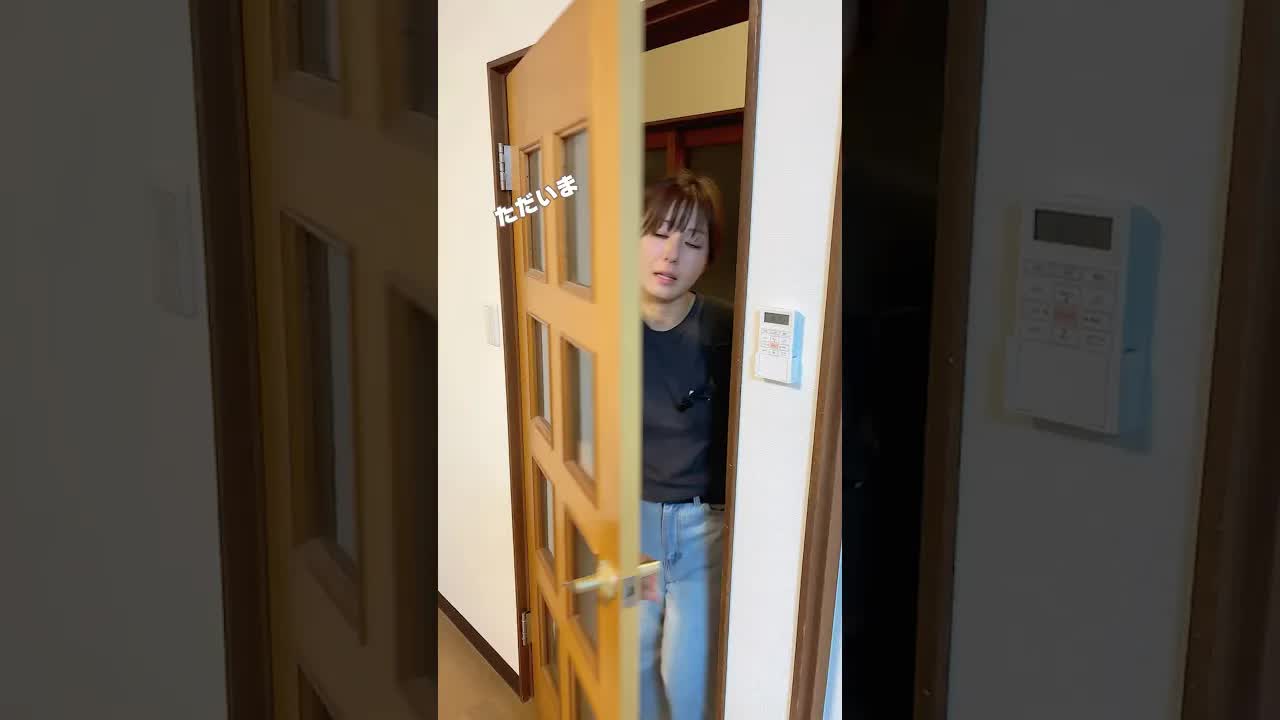
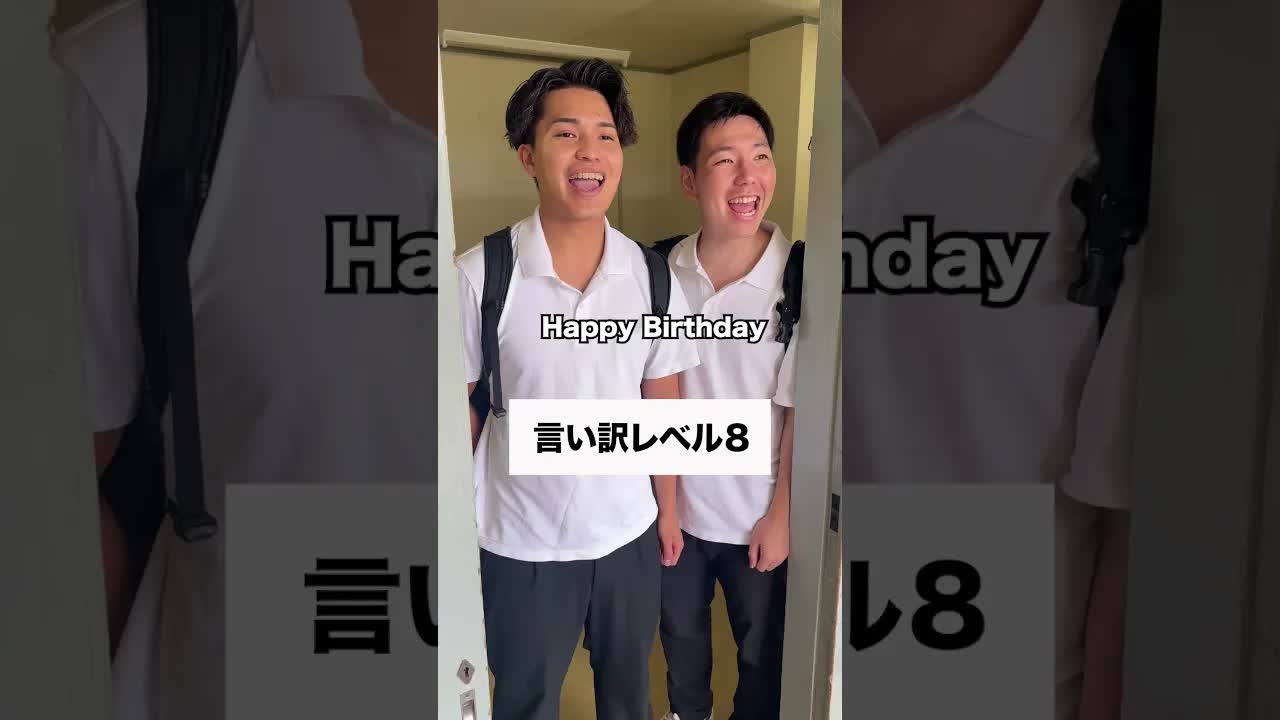
遅刻の言い訳がレベルMAXな高校生コント
這支短片會教你 10 個單字,包括 嘘つけ (说谎)、お早う (早上好)和よしの (名字)。


テセサクch,來自 YouTube。 看原始影片
A “parade” of one thing after another, usually in a mocking or amazed tone
オンパレード looks like English “on parade”, but English speakers don’t use it that way. It’s a Japanese-made word for a flood of similar things arriving one after another: 名曲のオンパレード is a run of hit songs, 言い訳のオンパレード is a string of excuses. Tack it on after の and you can describe almost any pile-up, good or ridiculous.
In the clip, a teacher listens to a student’s late excuses (a train delay, an alien, a lost wallet, an elephant) and wraps it up with 言い訳のオンパレードやんけ, “what a parade of excuses.” The ending やんけ is Kansai-flavoured casual speech for やないか. The tone depends on the noun. With something good (名曲, 豪華ゲスト) it’s admiring; with something bad (ミス, 言い訳) it’s a dry complaint. It’s not a loanword you can drop into English, so treat it as a Japanese word that happens to be written in katakana.
這支短片會學到的單字
每個單字都附上它在這支短片裡的意思,以及出現的那一句。
- ▶ 0:01較少見的字,不在最常用的 5,000 字內嘘つけ说谎
“嘘つけ。”
- ▶ 0:12較少見的字,不在最常用的 5,000 字內お早う早上好
“よしの、お早う。”
由母語人士 Asami 確認 - ▶ 0:12較少見的字,不在最常用的 5,000 字內よしの名字
“よしの、お早う。”
由母語人士 Asami 確認 - ▶ 0:20較少見的字,不在最常用的 5,000 字內は(疑问语气助词)
“連れてきました。は?”
- ▶ 0:20較少見的字,不在最常用的 5,000 字內連れてきました带来
“連れてきました。は?”
- ▶ 0:33較少見的字,不在最常用的 5,000 字內イエー耶
“ハッピーバースデートゥーユー。イエー!”
由母語人士 Mei 確認 - ▶ 0:40較少見的字,不在最常用的 5,000 字內すいません不好意思
“すいません、遅刻しました。”
由母語人士 Mei和Asami 確認 - ▶ 0:40較少見的字,不在最常用的 5,000 字內遅刻しました迟到了
“すいません、遅刻しました。”
由母語人士 Mei和Asami 確認 - ▶ 0:42較少見的字,不在最常用的 5,000 字內象大象
“象と出会いました。象?”
- ▶ 0:44較少見的字,不在最常用的 5,000 字內すいません对不起;不好意思
“すいません、遅刻しました。”