Free Hebrew learning app
Hebrew learning that doesn’t feel like studying
Real native Hebrew videos at your level.
Israelis don’t talk like the dialogues in a Hebrew course. They fill pauses with ke’ilu, ask your name a different way, and change the verb depending on who they’re talking to. These are real videos from native speakers in Israel, graded to your level.
Start on slow clips, many made for learners, and move up to fast Tel Aviv speech as your ear adjusts. The feed learns from what you follow and what you look up, and you can start watching without an account.
7,061
Hebrew videos
The app is getting better and better. I can't wait for what's next.

Level
Speed
Topic
Recommended Hebrew videos






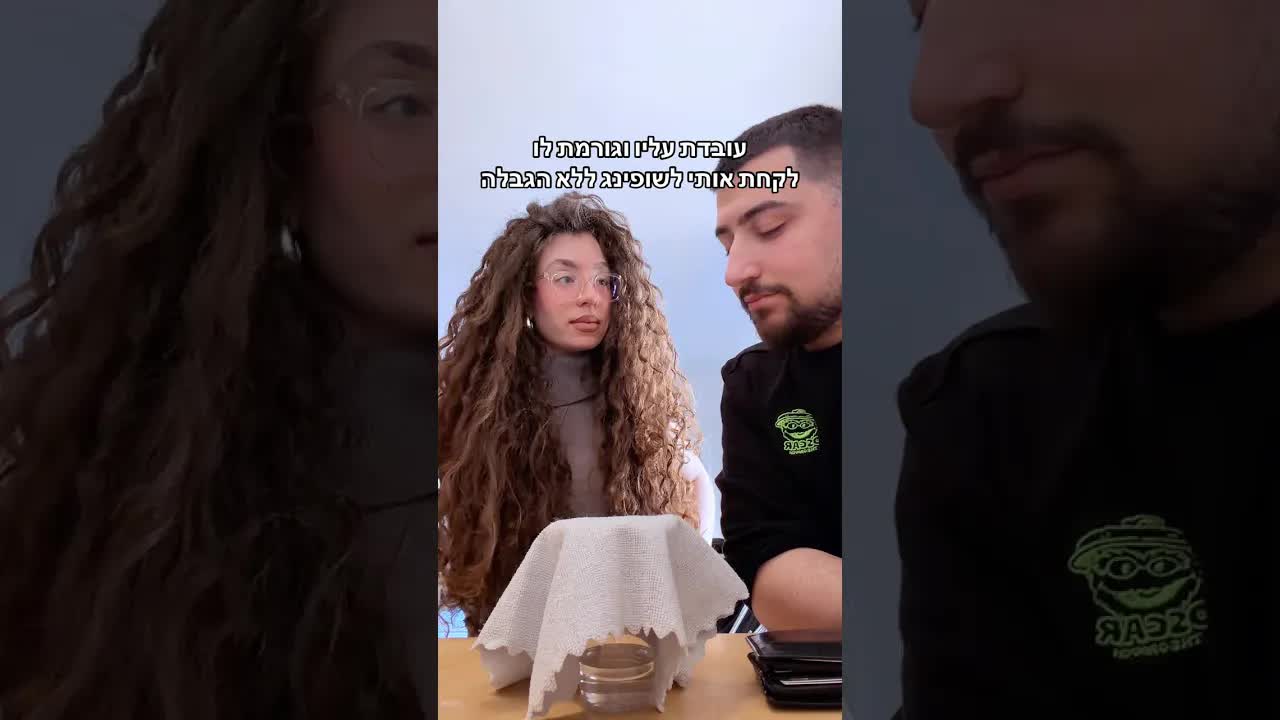


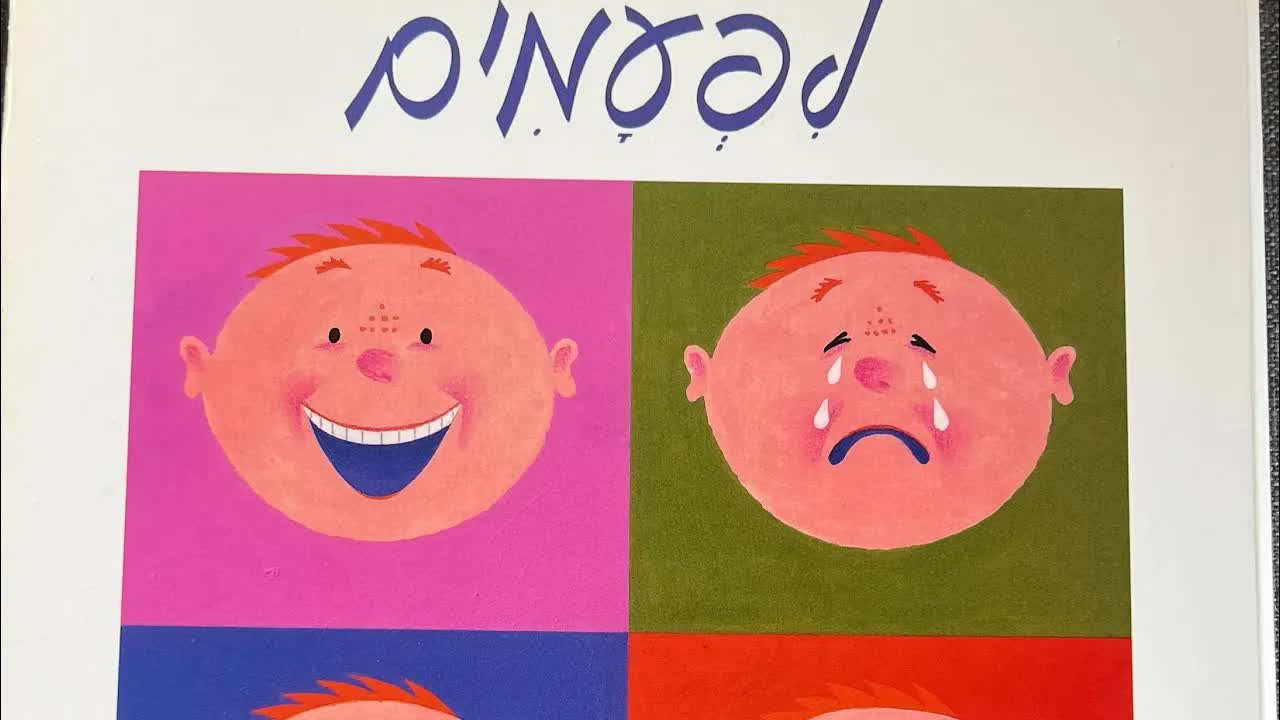



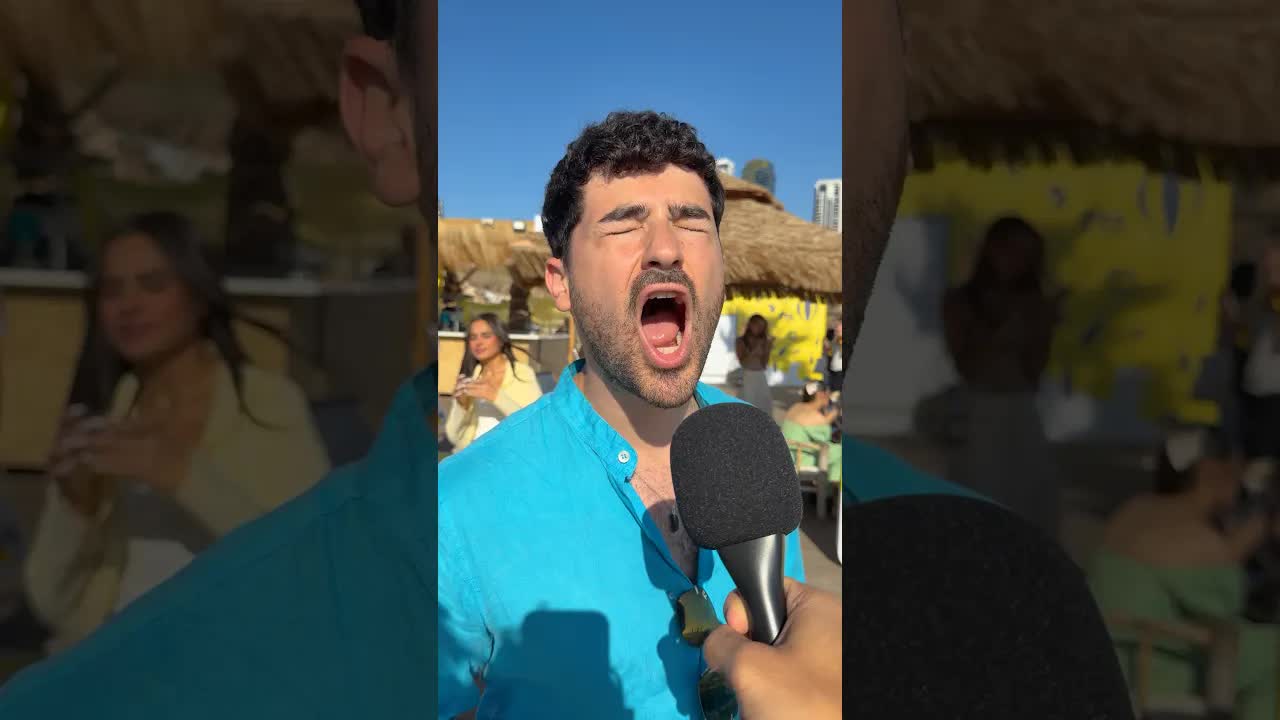




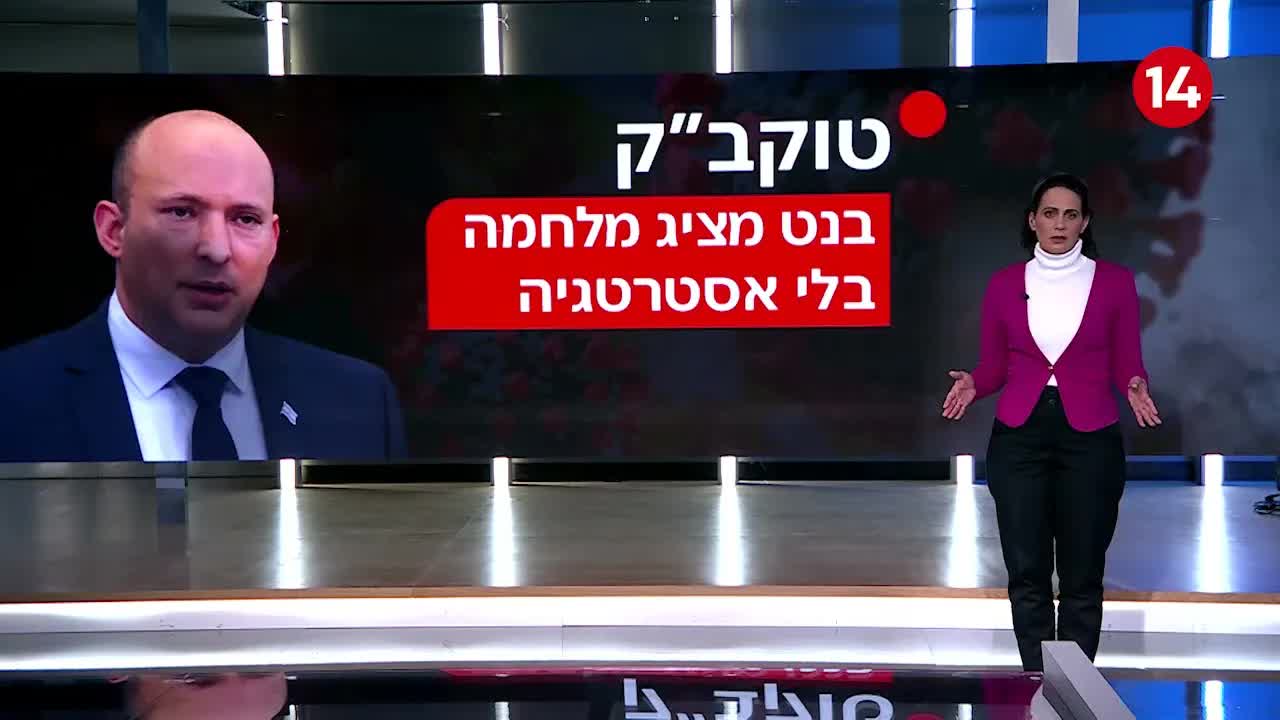






























More Hebrew videos are waiting in the feed and the app.
Is Reelang the best app to learn Hebrew?
It depends on where you are. If you’re starting from zero, a structured course app like Duolingo is a good first step. Once you know the basics, from about A2, the hard part is understanding real people, and that’s what Reelang is for: real Hebrew videos at your level, with help when you need it. You can use both.
- Real Hebrew, not scripts: no actors and no textbook dialogues, just the way people actually talk.
- Always at your level: every clip is graded by level and speaking speed, and the feed adapts as you watch.
- Built for listening: written Hebrew leaves out most vowels, so you can read a word you’ve never heard said. Clips with subtitles give you the spelling and the sound at the same time.
Hebrew videos by level
Find Hebrew videos at your level, then stretch upward as casual speech, slang, and fast linking start feeling familiar.
Grew up hearing Hebrew?
If you understand Hebrew from home but want more range, Reelang gives you real conversations from native speakers, at a level that stretches you.
Textbook Hebrew and the Hebrew you’ll hear
Every course teaches מה שמך (ma shimkha) for “what’s your name?”. It’s correct, but in Israel you’ll mostly hear eich kor’im lekha, “how do they call you?”. Spoken Hebrew is full of swaps like that, and short clips are where you meet them.
Gender is everywhere, even in commands: בואי (bo’i) is “come!” to a girl, bo to a boy. כאילו (ke’ilu) (“like”) fills the pauses of younger speakers, קלטתי (klateti) (“I got it”) marks the moment something clicks, and כן (ken), “yes”, slipped in before a verb means “actually did”: ani ken tasti, “I did fly”.
How it works
Questions about learning Hebrew with Reelang
What is the best app to learn Hebrew with real videos?
Reelang is built for it: a free feed of real Hebrew videos from native speakers, graded by level, speaking speed and accent, that adapts as you watch.
How does Reelang figure out my level?
It starts you on easier clips and adjusts from what you follow, skip and look up. There’s no placement quiz.
What is the Reelang Hebrew video feed?
A TikTok-style feed of real Hebrew videos from native speakers, graded by level and speaking speed and tagged by accent. It learns from how you watch and keeps serving clips at your level.
What is comprehensible input?
Comprehensible input is Hebrew you can mostly understand, with a little that’s new. Linguist Stephen Krashen argued it’s how we acquire languages, and it’s the idea Reelang is built on.
Reelang takes it a step further with word frequency. It ranks every word in every video by how often it’s used in everyday Hebrew, and keeps track of which words you already know. So instead of videos that are only roughly your level, your feed picks the ones made of words you know, plus the most frequent words you haven’t learned yet. Comprehensible input, made for you.
Does Reelang explain the words in each video?
Tap any word for its meaning. With Reelang+, Learner Insights also explain the culture, idioms and slang behind a clip.
A few Hebrew words and phrases our explanations cover, from recent videos:
- בא לי (ba li): "I feel like"; literally "it comes to me"
- חף מפשע (chaf mi-pesha): "innocent," literally "clean of crime"
- בצק עלים (batzek alim): "puff pastry," literally "dough of leaves"
- להשתזף (lehishtazef): to sunbathe, to get a tan
- לפעמים (lif'amim): "sometimes," literally "at times" — from פעם, one of Hebrew's busiest words
Why short videos from native speakers?
Short clips let you hear many more speakers, accents and situations in the same time, so your ear gets used to Hebrew as people actually speak it.
How does Reelang know if a video is too fast or too hard?
Every clip is analysed for how it’s spoken, not just which words it uses: speaking speed in words per minute, how often the speaker pauses, how many words come out between pauses, and how much of the clip is speech. With its vocabulary level, that lets the feed match both what you know and how fast you can follow.
What if I don’t know a word?
Tap it to see what it means, in your own language. With Reelang+, the words you look up come back in new clips.
Which Hebrew words should I focus on first?
The most common ones. Smart Subtitles show how common each word is, so you can tell which words are worth learning now.
Which levels does it cover?
Beginner (A1) to Advanced (C1). It works best from about A2 upward.
Do I need an account? Is it free?
The Hebrew feed is free and you can start without signing up. Reelang+ adds a personalized feed and words that come back in new clips.
Do I need to read Hebrew without vowels (niqqud)?
Eventually, yes. Newspapers, signs and text messages leave the vowel marks out; mostly children’s books, poetry and learner material keep them. Listening helps here: once you’ve heard a word many times, you recognise it in writing without the marks. The subtitles on these videos are in ordinary Hebrew script, the way Israelis write.
Is this Modern Hebrew or Biblical Hebrew?
Modern Hebrew, as people speak it in Israel today. Biblical Hebrew uses the same alphabet and many of the same roots, but its grammar, word order and much of its vocabulary are different. If you know some Biblical Hebrew, you’ll recognise roots everywhere, but the rhythm and the everyday words will be new.
How is Reelang different from a typical language app?
Most apps teach with drills and scripted audio. Reelang trains listening on real Hebrew the way people actually speak it.
How much should I watch?
Little and often works best. A daily session you enjoy beats a long one you skip.
About this hub
About comprehensible input in Hebrew
What is comprehensible input?
Comprehensible input is language you can mostly follow, with a small amount that is still new. The idea is often associated with Stephen Krashen: people acquire language by understanding meaningful messages, not only by memorizing rules in isolation. Hebrew puts a particular demand on this: the written form usually leaves vowels out, so the spoken form is the only place you meet the full word.
Why real reels, not textbook dialogues
Classroom Hebrew tends to slow down, pronounce carefully, and lean on a more formal register. Everyday Israeli Hebrew is faster and looser: casual vocabulary, quick sentence rhythm, and a steady layer of slang that textbooks can only hint at. Reelang uses unscripted short-form video from native speakers so that register shows up in context, inside stories, reactions, and normal conversation, which is where it actually lives.
How to use this catalog
Start with your level. From there, browse by topic depending on what you want to work on. If reading Hebrew is further along than listening, the fix is usually listening you can stay with, not harder reading. Pick topics you would actually watch in English, and let repetition do the work.
Want a full roadmap? Read our guide to comprehensible input.