Free Indonesian learning app
Indonesian learning that doesn’t feel like studying
Real native Indonesian videos at your level.
Your coursebook says tidak and saya. Jakarta says nggak and gue. Reelang gives you both, in real videos from Indonesian creators graded to your level: from careful formal Indonesian to the fast everyday speech you hear on the street and online.
Casual Indonesian drops letters and adds small words: sudah becomes udah, saja becomes aja, and nih, deh or sih change the tone of a whole sentence. The feed begins with slow, clear clips and gets closer to street speed as you understand more. No level test, no account needed.
7,110
Indonesian videos
4
Accents
Reelang handles the need for variety ingeniously: an algorithm-based feed that takes your level and your interests into account. It's a dream way to learn languages, and it replaced my doomscrolling.

Accent
Level
Speed
Topic
Recommended Indonesian videos
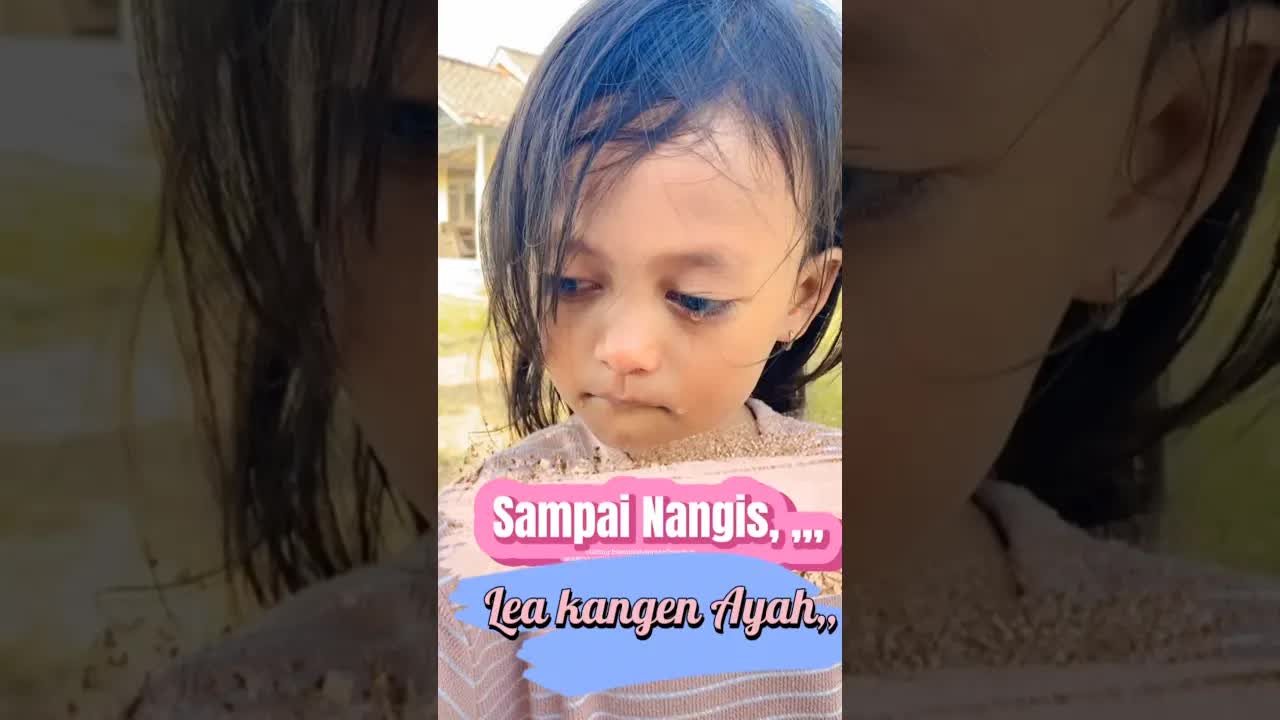










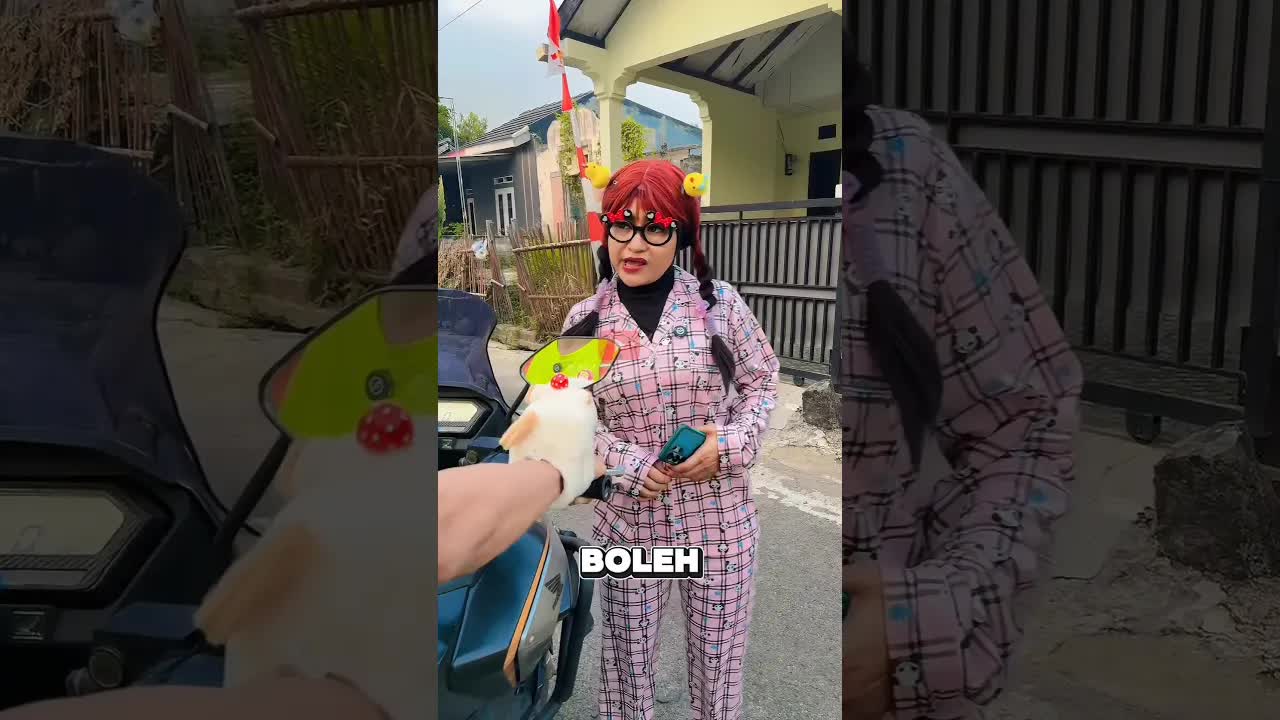


 Javanese-accented
Rahasia orisinalitas konten kreator ala Mindplace Studio





















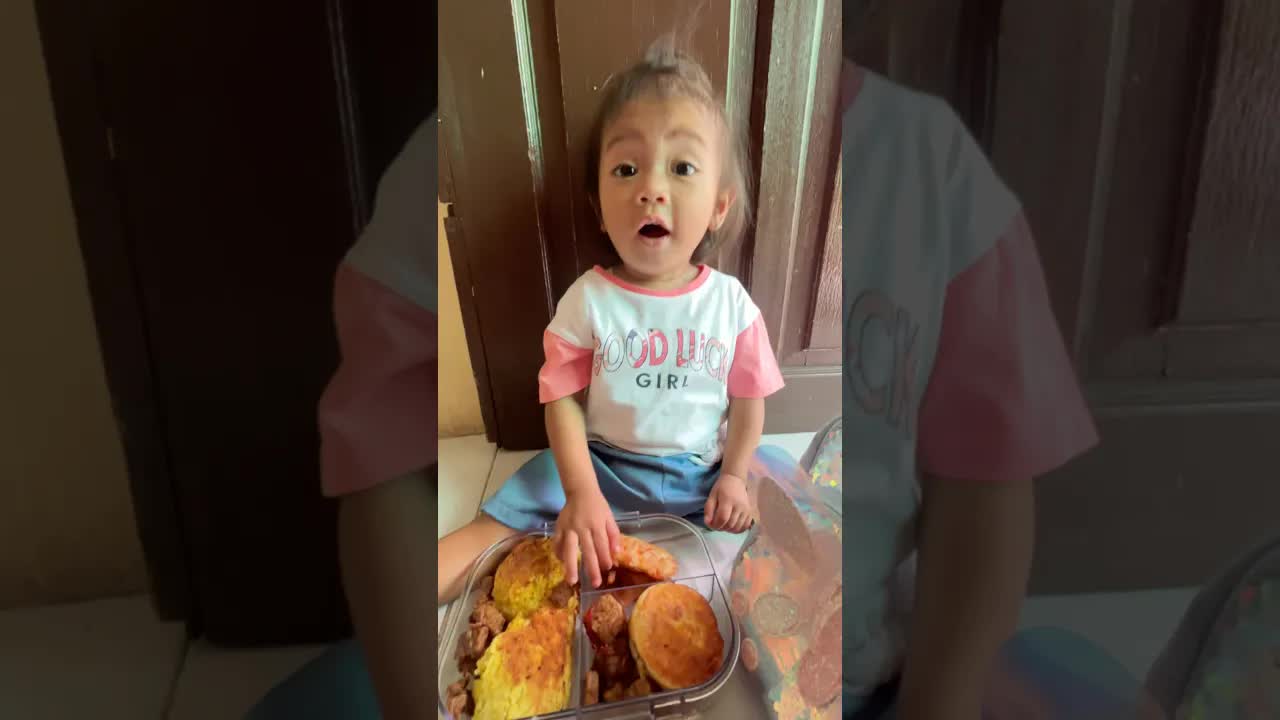

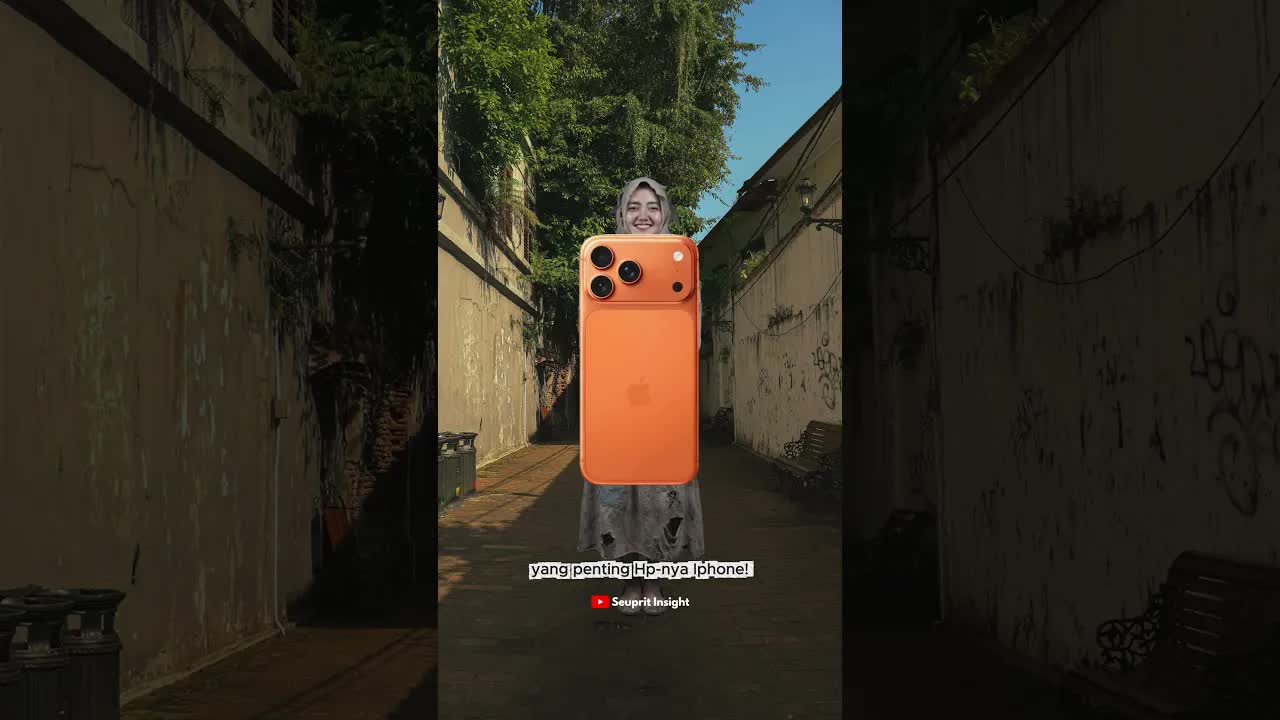












More Indonesian videos are waiting in the feed and the app.
Is Reelang the best app to learn Indonesian?
It depends on where you are. If you’re starting from zero, a structured course app like Duolingo or Babbel is a good first step. Once you know the basics, from about A2, the hard part is understanding real people, and that’s what Reelang is for: real Indonesian videos at your level, with help when you need it. You can use both.
- Formal and casual, side by side: many clips are labeled standard or Jakarta colloquial, so you know which Indonesian you’re hearing.
- Always at your level: every clip is graded by level and speaking speed, and the feed adapts as you watch.
- The accents you’ll meet: Standard Indonesian, Jakarta Colloquial Indonesian, Javanese-accented Indonesian, and Medan Indonesian.
- Built for listening: most Indonesian apps teach words and grammar drills. Reelang trains your ear on real conversations.
The small words that make Indonesian sound casual
Spoken Indonesian runs on particles that textbooks barely mention: nih, deh, lah, yuk. They add tone, not facts. Nih points at something, yuk invites you along, deh and lah soften a sentence or push it. Without them people sound flat; once you catch them, you hear how someone feels.
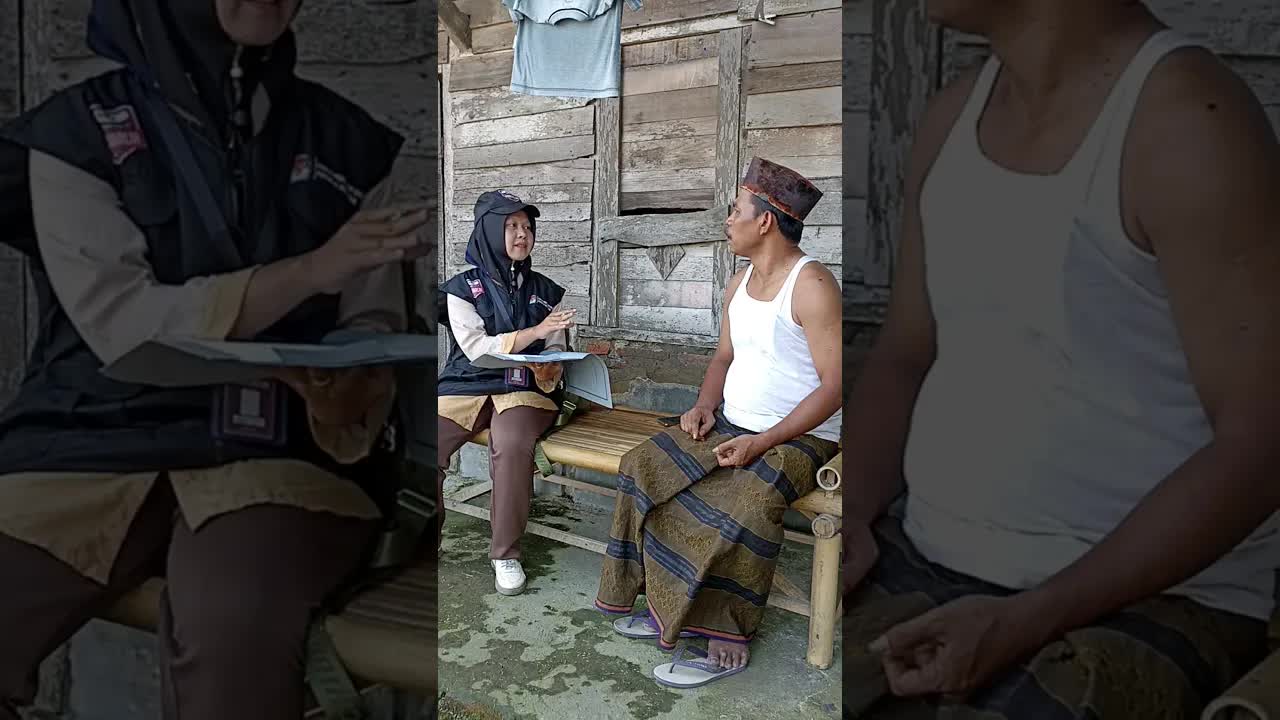
Some everyday words have a second, casual life. Formally, wacana means discourse, but between friends it’s a plan that never happens: wacana doang, all talk. Then there’s kode, a code: ngasih kode means dropping a hint, often a romantic one. And bapak, father, is also how you say “you” to an older man, which one census visit turns into a comedy of errors.
Indonesian videos by level
Find Indonesian videos at your level, then nudge upward as casual vocabulary and informal shortcuts stop feeling unfamiliar.
Indonesian accents and regional varieties
Hear Indonesian from native speakers across Indonesia and the wider Indonesian-speaking world.
How it works
Questions about learning Indonesian with Reelang
What is the best app to learn Indonesian with real videos?
Reelang is built for it: a free feed of real Indonesian videos from native speakers, graded by level, speaking speed and accent, that adapts as you watch.
How does Reelang figure out my level?
It starts you on easier clips and adjusts from what you follow, skip and look up. There’s no placement quiz.
What is the Reelang Indonesian video feed?
A TikTok-style feed of real Indonesian videos from native speakers, graded by level and speaking speed and tagged by accent. It learns from how you watch and keeps serving clips at your level.
What is comprehensible input?
Comprehensible input is Indonesian you can mostly understand, with a little that’s new. Linguist Stephen Krashen argued it’s how we acquire languages, and it’s the idea Reelang is built on.
Reelang takes it a step further with word frequency. It ranks every word in every video by how often it’s used in everyday Indonesian, and keeps track of which words you already know. So instead of videos that are only roughly your level, your feed picks the ones made of words you know, plus the most frequent words you haven’t learned yet. Comprehensible input, made for you.
Does Reelang explain the words in each video?
Tap any word for its meaning. With Reelang+, Learner Insights also explain the culture, idioms and slang behind a clip.
A few Indonesian words and phrases our explanations cover, from recent videos:
- merah jambu: Indonesian says "red guava" for pink: merah jambu, red plus the rose apple fruit.
- nemu: Nemu is the everyday, informal way to say menemukan: to find, to come across.
- cewek / cowok: Cewek and cowok are the everyday Indonesian words for a girl and a guy, born in Jakarta slang and never used in formal writing.
- puyeng: Puyeng means dizzy or head-spinning, and it also fits a problem that gives you a headache.
- MBG: MBG is short for Makan Bergizi Gratis, Indonesia's free nutritious meals programme, and everyone says the letters.
Why short videos from native speakers?
Short clips let you hear many more speakers, accents and situations in the same time, so your ear gets used to Indonesian as people actually speak it.
How does Reelang know if a video is too fast or too hard?
Every clip is analysed for how it’s spoken, not just which words it uses: speaking speed in words per minute, how often the speaker pauses, how many words come out between pauses, and how much of the clip is speech. With its vocabulary level, that lets the feed match both what you know and how fast you can follow.
What if I don’t know a word?
Tap it to see what it means, in your own language. With Reelang+, the words you look up come back in new clips.
Which Indonesian words should I focus on first?
The most common ones. Smart Subtitles show how common each word is, so you can tell which words are worth learning now.
Which levels does it cover?
Beginner (A1) to Advanced (C1). It works best from about A2 upward.
Do I need an account? Is it free?
The Indonesian feed is free and you can start without signing up. Reelang+ adds a personalized feed and words that come back in new clips.
Will Reelang help me understand Indonesian slang?
Yes. Many clips are in Jakarta colloquial Indonesian, the casual speech that Indonesian TV and social media are full of: gue and lo for I and you, nggak for no, banget for very. Others come with a Javanese or Sundanese accent. With Reelang+, Learner Insights explain the slang behind a clip, from ngawur (all over the place) to sontoloyo (a playful word for a fool).
How is Reelang different from a typical language app?
Most apps teach with drills and scripted audio. Reelang trains listening on real Indonesian the way people actually speak it.
How much should I watch?
Little and often works best. A daily session you enjoy beats a long one you skip.
About this hub
About comprehensible input in Indonesian
What is comprehensible input?
Comprehensible input is language you can mostly follow, with a small amount that is still new. The idea is often associated with Stephen Krashen: people acquire language by understanding meaningful messages, not only by memorizing rules in isolation. Indonesian fits the idea neatly, because formal Indonesian is genuinely helpful and still quite different from how anyone speaks in a group chat or on the street.
Why real reels, not textbook dialogues
Casual Indonesian trims the official prefixes, picks up loanwords and slang that vary by city, and shifts into English and local languages without warning. A clip from Jakarta does not sound like a clip from Yogyakarta, and neither sounds like your coursebook. Reelang uses unscripted short-form video from native speakers so the casual register arrives as part of normal conversation, which is where learners usually need it first.
How to use this catalog
Start with your level. From there, browse by topic depending on what you want to work on. If formal Indonesian is comfortable and casual Indonesian still catches you off-guard, the gap closes with exposure, not with more grammar. Pick topics that hold your attention and stay in clips you can mostly follow.
Want a full roadmap? Read our guide to comprehensible input.