Luisteroefening in het Vietnamese · C1 · Moeiteloos begrip
What does “thiếp” mean in Vietnamese?
Romeo và Juliet: Nỗi đau chia ly
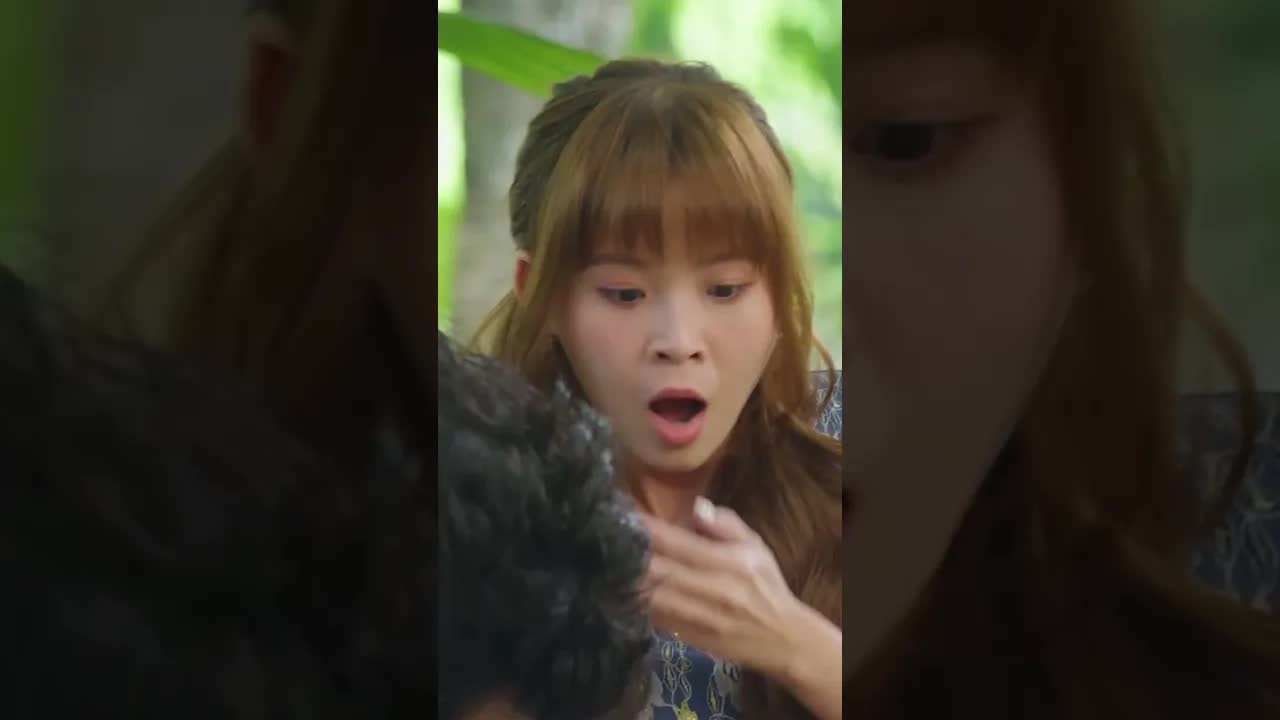


Van FAPTV op YouTube. Bekijk origineel
In classical Vietnamese a wife calls herself “thiếp” and her husband “chàng”.
Thiếp is an archaic, literary word a woman uses for “I” when speaking to the man she loves, with an endearing tone. Its partner is “chàng” (the beloved man), and the man answers with “nàng” for her and “ta” for himself. You will not hear it in daily talk, but it appears in poetry and fiction.
This clip plays Romeo and Juliet in that register. Juliet says “Chàng bỏ thiếp đi mà không nói một lời từ biệt nào” (you left me without a word of goodbye), while Romeo says “nàng ơi, nàng là ánh sáng duy nhất trong cuộc đời tăm tối của ta”. The pronouns alone tell you it is a tragic, literary scene, not a modern one.
Hoe gangbaar zijn de woorden in deze clip?
87,7%
van de woorden staat in de top 2.000 meest voorkomende woorden in het Vietnamese
Uit ons onderzoekHoeveel woorden heb je nodig om native video’s te begrijpen?
Meer clips zoals deze

Ăn bánh gạo cay với tương siêu đậm đà

Nói lái hài hước với các nhân vật Sài Gòn

Lột xác bạn trai với ba phong cách khác nhau

Con cái nôn ba chết và cú lật hài hước

Chị em làm vỡ đồ chơi và giận dỗi

Nợ tiền mà đòi bàn chuyện kinh tế
Leer van echte video’s
Duizenden clips zoals deze, afgestemd op jouw niveau terwijl je kijkt.