Exercices d’écoute en Vietnamese · C1 · Compréhension sans effort
What does “thiếp” mean in Vietnamese?
Romeo và Juliet: Nỗi đau chia ly
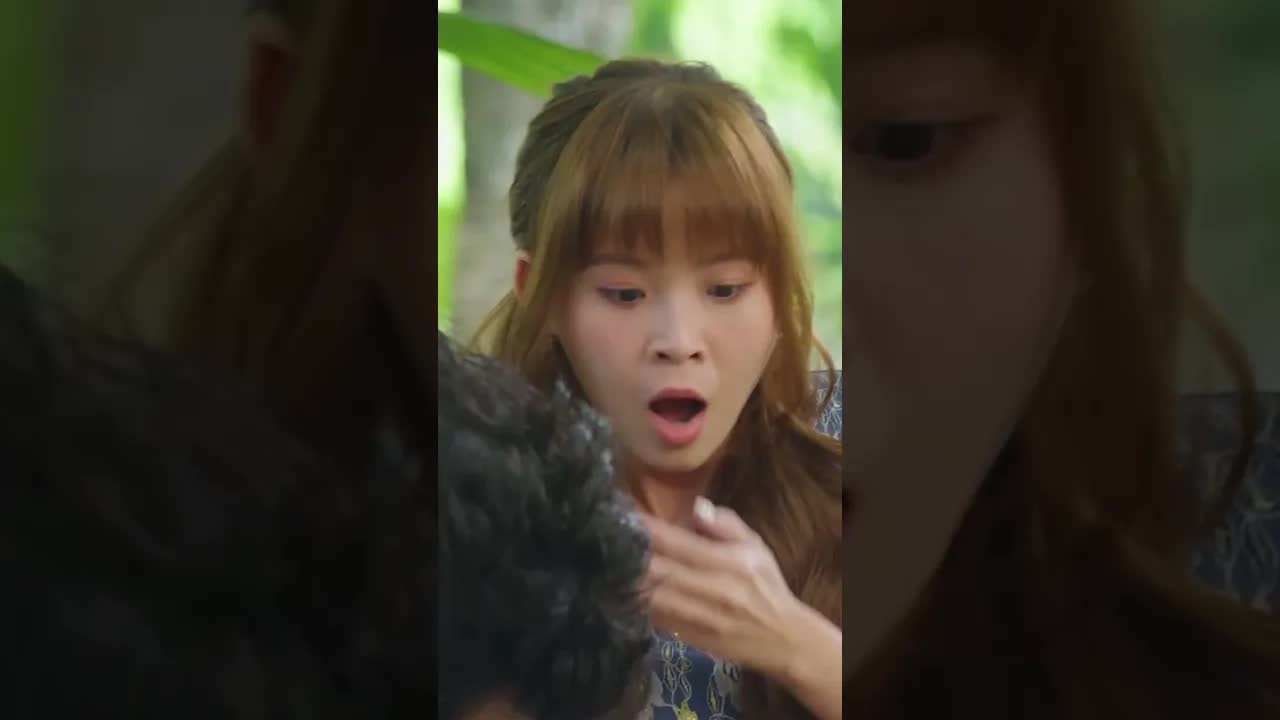


De FAPTV sur YouTube. Voir l’original
In classical Vietnamese a wife calls herself “thiếp” and her husband “chàng”.
Thiếp is an archaic, literary word a woman uses for “I” when speaking to the man she loves, with an endearing tone. Its partner is “chàng” (the beloved man), and the man answers with “nàng” for her and “ta” for himself. You will not hear it in daily talk, but it appears in poetry and fiction.
This clip plays Romeo and Juliet in that register. Juliet says “Chàng bỏ thiếp đi mà không nói một lời từ biệt nào” (you left me without a word of goodbye), while Romeo says “nàng ơi, nàng là ánh sáng duy nhất trong cuộc đời tăm tối của ta”. The pronouns alone tell you it is a tragic, literary scene, not a modern one.
Les mots de ce clip sont-ils courants ?
87,7%
des mots figurent parmi les 2 000 mots les plus courants en Vietnamese
Notre rechercheCombien de mots faut-il pour comprendre des vidéos natives ?
Plus de clips comme celui-ci

Ăn bánh gạo cay với tương siêu đậm đà

Nói lái hài hước với các nhân vật Sài Gòn

Lột xác bạn trai với ba phong cách khác nhau

Con cái nôn ba chết và cú lật hài hước

Chị em làm vỡ đồ chơi và giận dỗi

Nợ tiền mà đòi bàn chuyện kinh tế
Apprends avec de vraies vidéos
Des milliers de clips comme celui-ci, adaptés à ton niveau pendant que tu regardes.