Ćwiczenia ze słuchania po turecku · B1 · Pewnie na co dzień
What is the -miş past tense in Turkish and when do you use it?
Mışlı Muşlu Zamanın Komik Kullanımı
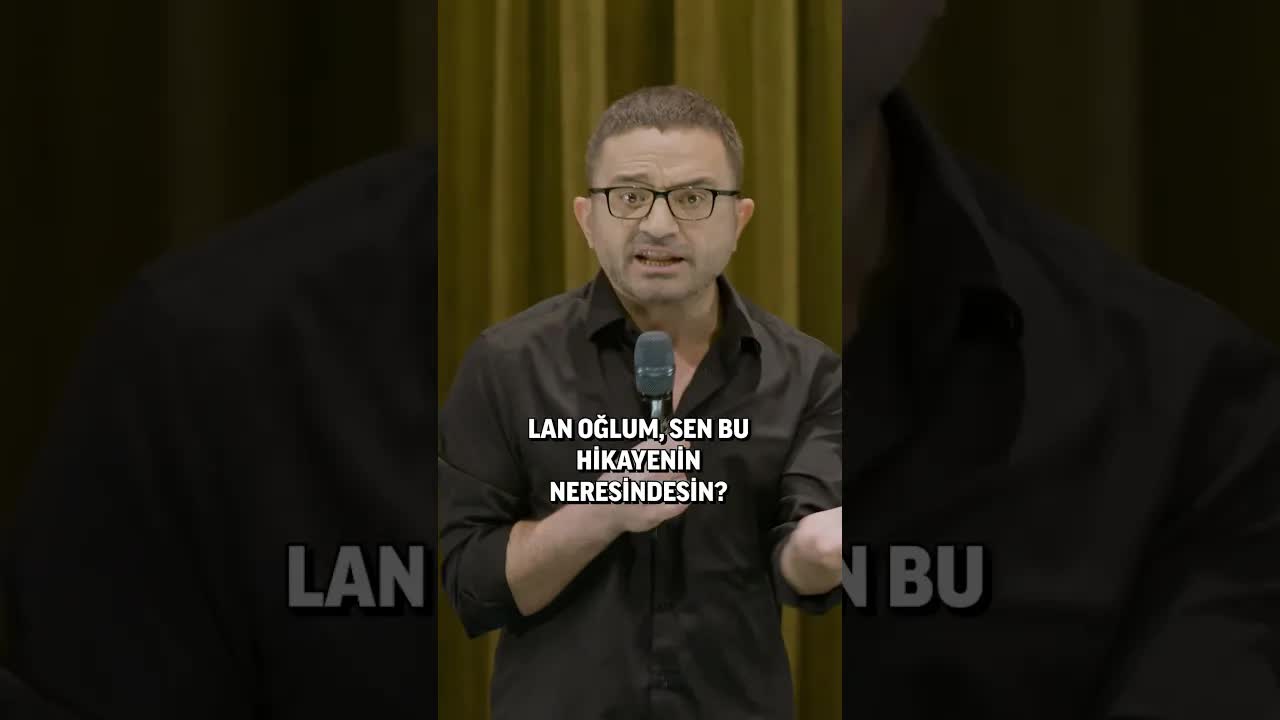


Od Ali Congun na YouTube. Obejrzyj oryginał
The Turkish -miş past is the “I heard it / apparently” tense, and stacking it makes a story sound second-hand.
Turkish has a past tense ending in -miş/-mış/-muş/-müş that says you did not see the event yourself: you heard it, inferred it, or are telling a story. Grammar books call it the “duyulan” or “-miş'li” past. It is how Turks tell fairy tales and gossip, and how they hedge. Pile it up in a first-person account and the speaker suddenly sounds like they’re reporting someone else’s life.
The clip makes a joke of exactly this. The speaker imitates a man saying “Ben adama o kadar söz vermişim, ben mal getirmişim, ben adama demişim, ben ne yapmışım.” Every verb carries -miş, so it sounds as if he is describing events he did not witness. The punchline: “Asıl özne sen misin?” (are you really the subject of this story?). So -miş is not only “past”: it marks “apparently” (“gelmiş” = he has apparently come).
Jak częste są słowa w tym klipie?
97,2%
słów należy do 2000 najczęstszych słów tureckiego
Z naszych badańIle słów trzeba znać, żeby rozumieć filmy native speakerów?
Więcej takich klipów
Büryan Yemeği ve Bitlis-Siirt Tartışması

Hayatın roman olsa adını ne koyardın
Erzurum'da 101 Yaşındaki Amca ile Sohbet
Erzurumlu Bakkal ile Yumurta Şakası

En Komik Erzurum Fıkraları ve Video Ları
Kalabalık Bir Aile Hayali ve Piknik Keyfi
Ucz się z prawdziwych filmów
Tysiące klipów takich jak ten, dopasowanych do twojego poziomu w trakcie oglądania.