How do I get ready for the Staatsexamen NT2 Programma I listening test (Luisteren)?
The NT2 Programma I listening test (Luisteren) uses daily Dutch at the B1 level. It is about work, study and daily life. Each part plays only once. You cannot listen again.
The best free way to get ready: listen to a lot of real Dutch at the B1 level. Below is a free pack of 99 B1 videos, at a speed close to the test.
Advice from a great teacher
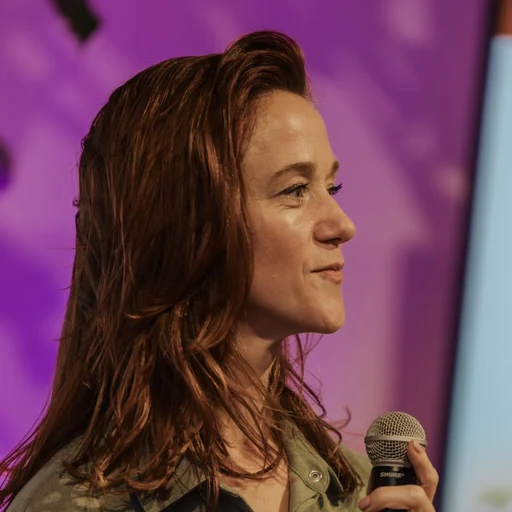
Dutch teacher and speaking coach since 2013 · Started the Dutch Speaking Academy
Mariska van der Meij wrote the listening advice on this page. She has been a Dutch teacher and speaking coach since 2013. She started the Dutch Speaking Academy near Amsterdam. She helps people who understand a lot of Dutch but still change to English when someone talks to them. More than 1,000 students have worked with her.
From a Dutch teacher
How do I prepare for the NT2 Programma I listening test?
First, know what to expect. Luisteren is 90 minutes long. It has about 40 questions on 5 or more listening texts. Each question gives you 3 or 4 answers. Only one answer is right. You get about 25 seconds to read a question before it starts. 1 to 3 parts are short videos. Every part plays only one time. Goethe and DELF play some parts again. This test never does. So you must understand it the first time.
Before you sign up for the test, try a practice test. The official ones are free. You can do them at home on your computer. This shows you the level. It helps you see if you are ready.
Practise at test speed, not podcast speed
The listening in the test is fast. Practice a lot with practice tests and real videos. Slow podcasts are nice when you start. But they will not get you ready for the test speed.
The people in the videos talk about work, school, and daily life. They talk at normal speed. This is real Dutch. This is what you should practice.
Pick videos at your level, with a little challenge
Practice with videos at your level. Pick videos that are a little hard for you. If everything is easy, you learn nothing. If you understand almost nothing, you are only guessing.
If you can, practice with a Dutch person or a teacher. Ask them to ask you questions about the video. Answering someone makes you listen harder than practicing alone.
The 20 second listening practice
Many podcasts and videos have subtitles or text. Here is how to use them. Take a short part, about 20 seconds long. Do these steps:
Listen one time. Do not look at the text. What did you hear? What did you understand?
Say out loud what you heard. Or let someone ask you a question about it.
Listen again. Still do not look at the text. Did your answer change?
Listen a third time. Now read the text or the subtitles.
Go to the next part. Start again.
Do this for 30 minutes at most. Then take a break. This takes a lot of energy, so take care of yourself. Do not do too much. It is a great way to train your listening.
You can practise this in real life too
You do not need a screen. Try it on the train. Try it while you wait for coffee. Try it when people near you talk. Listen the same way. What is this about? What did they decide? All of this counts.
Dutch people use small words a lot
We say uhm, zeg maar ("like"), weet je wel ("you know"), nou ("well"), and hoe zal ik het zeggen ("how should I say this") a lot. These words fill the quiet moment while we think. They do not mean much.
For the test, focus on the right answer. Try to ignore those words. Listen for the key words from the question.
Do both things every week. Watch real Dutch at your level most days. This trains your ear for normal speed. Also do a full practice test now and then. Then the test will not surprise you. Be patient with yourself. Have fun. Succes!
Why this level
Why do people take Staatsexamen NT2 Programma I?
Programma I shows you know Dutch at the B1 level. People need this for:
Study at mbo level, or work at mbo-3 or mbo-4 level
Becoming a Dutch citizen. Your NT2 result at B1 or B2 counts for this.
Joining life in the Netherlands (inburgering). Most people use the B1-route.
Do you want to study or work at hbo or university level? Then you need B2. Start with the NT2 Programma II listening page.
Free · 99 videos · 3 hours 53 minutes
Your free NT2 Programma I listening pack
Here are 99 short videos by real people at level B1. They talk at a speed close to the test, about 200 words a minute. This is Dutch from the Netherlands, the kind the test uses. Not Flemish Dutch. Most words are inside the top 97% most common Dutch words people speak. So they use the same kind of language as the test. Together they give you about 3 hours 53 minutes of listening practice for the Staatsexamen NT2 Programma I. They are all free to watch below.
Play all the videos in the app
Leven met een kind in een tiny house

Een dagje Tilburg: tips voor een gezellig bezoek
Vrouw verliest 2400 euro aan oplichters

Vijf wetenschappelijke tips tegen keuzestress
Niels Wenemars wint kaasrolwedstrijd in Engeland

Boodschappen doen in 2020 vs nu: inflatie shock

Leven in een tiny house van vijftien vierkante meter

Een dagje Assen: tips voor stad en natuur

Fietsvakantie door Sicilië: Palermo, Erice en Marsala

Weekendje in het champagnegebied met vriendinnen
Waarom Nederland nu zo droog is

Nederlanders verhuizen naar Duitsland voor hun droomhuis

Utrechters beantwoorden 7 persoonlijke vragen op straat

Nieuws in makkelijke taal over opvang, natuurbrand en rookverbod

Tips voor betere balans en veiligheid op de fiets

Tips voor een succesvol sollicitatiegesprek en voorbereiding
Slaaptips voor betere prestaties op school
Drie enge dieren die er echt bestaan

Heimwee naar Schokland en de verdwenen Zuiderzee

Vrouwen delen hun verhaal op de Amsterdamse vrouwenmars

Harrie zet tachtig klokken op tijd voor zomertijd

Joy Beune verslaat Jenning de Boo op de 3000 meter

Máxima-effect: meer vrouwen kiezen voor het leger

Wonen op de Dam in hartje Amsterdam

Hondenzwembad en aquatherapie voor revaliderende viervoeters

De vijf mooiste fietsregio’s van Nederland

Waarom vieze spijkerbroeken ineens een modetrend zijn

Anna opent haar taartenzaak met Turkse baklava-croissant

Elektrische fietsen, accu’s opladen en laadpunten bij horeca

Rondleiding: aan tafel in de grote balzaal

Dagje naar een Pixar tentoonstelling in Brussel
De kern van de Nederlandse cultuur

Wat zit er in mijn Lowlands tas?

Hoe Nederland zijn fietskennis met de wereld deelt
Jongeren gooien waterballon naar rijdende auto
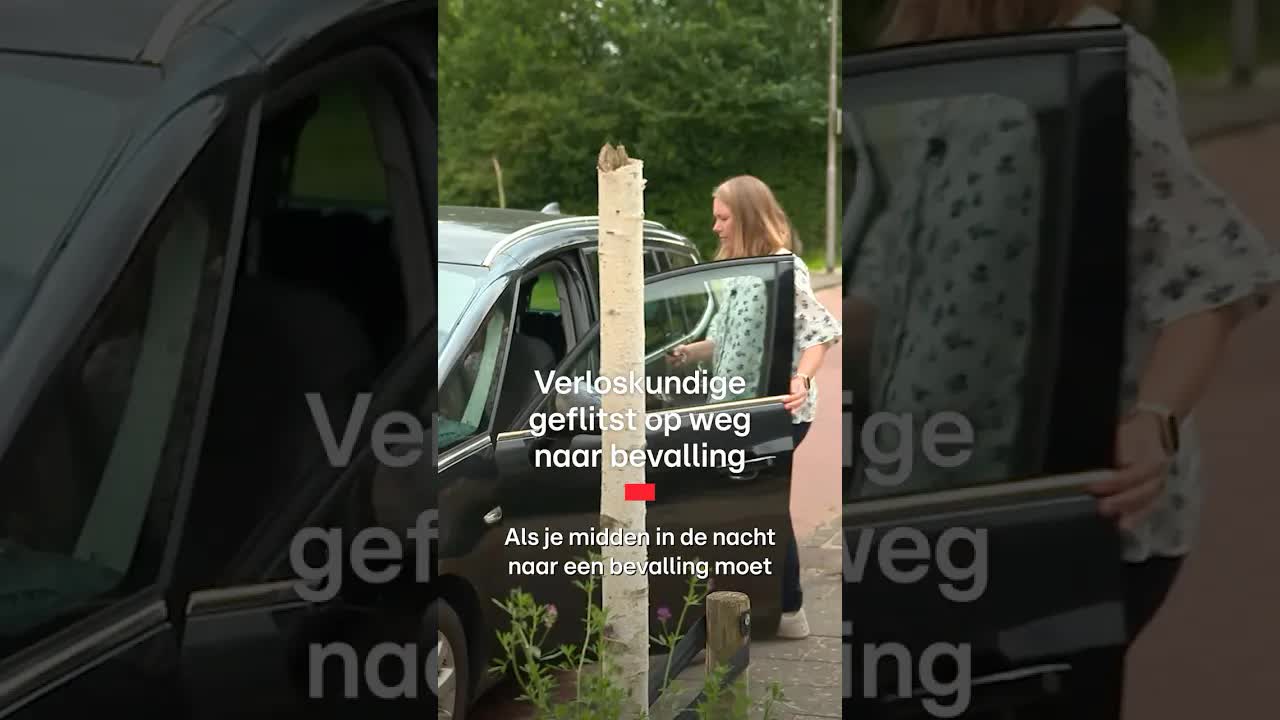
Verloskundige geflitst op weg naar bevalling

Koningsdag en thuiswerken in coronatijd

Dieren opzetten als hobby: cursus taxidermie bij Sanne

Angst in flat na politie-inval en zoektocht naar schutter

Leven als brus: Thekla en haar broer Jonas

Osdorpers reageren op vertrek van hun tuincentrum

Buurtbewoners reageren op vertrek tuincentrum Osdorp

Rouwende kroonkraanvogel na dodelijk ongeluk op de A2

Vakantiedialyse op camping geeft nierpatiënten vakantiegevoel

Een monument voor doodnormale maar bijzondere dagen

Mag AI zomaar jouw stem namaken?

Van koffieprut naar Groningse oesterzwam bitterballen

Psychische problemen uitgelegd met een toren van blokjes

Koningsdagvlog met pechduivel, motorschade en reddende engelen

Studeren met een assistentiehond aan de hogeschool

Zebrazoemer helpt blinden veilig oversteken bij verkeerslichten
Wat koolhydraten doen in je lichaam

Koningsdag gezellig maken met oranje decoratie

Dikke huisdieren op dieet bij de dierenarts

De Brielse maskerade als eeuwenoude traditie uitgelegd

Taalmaatjes in Nijmegen: samen Nederlands en cultuur leren
10 tips om later een baan te vinden

Egels in de opvang en hoe je ze helpt

Kroketten proeven in de Amsterdamse snackbar

Een zondag bij Fort Altena: ontdek de waterlinie
over een nieuw bed en een nieuw huis dromen

Moeten jongeren al vanaf 16 jaar mogen stemmen?

Renée vertelt over pesten, bedreiging en jezelf blijven

Ome Kees stopt na zestig jaar met de kermis

Twijfel tussen Assen en Haren bij huis kopen

Pratende koffiezetapparaten en hoe we met machines omgaan
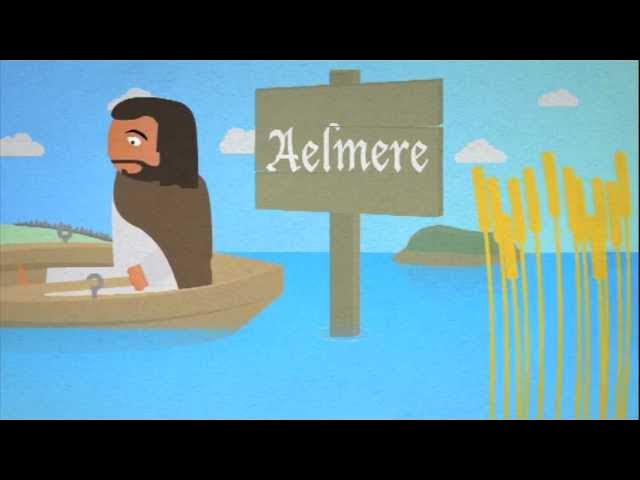
Hoe Almere veranderde van water naar stad

Over bevalling, eerste weken en trots moederschap

Normen, waarden en beleefdheid in verschillende culturen
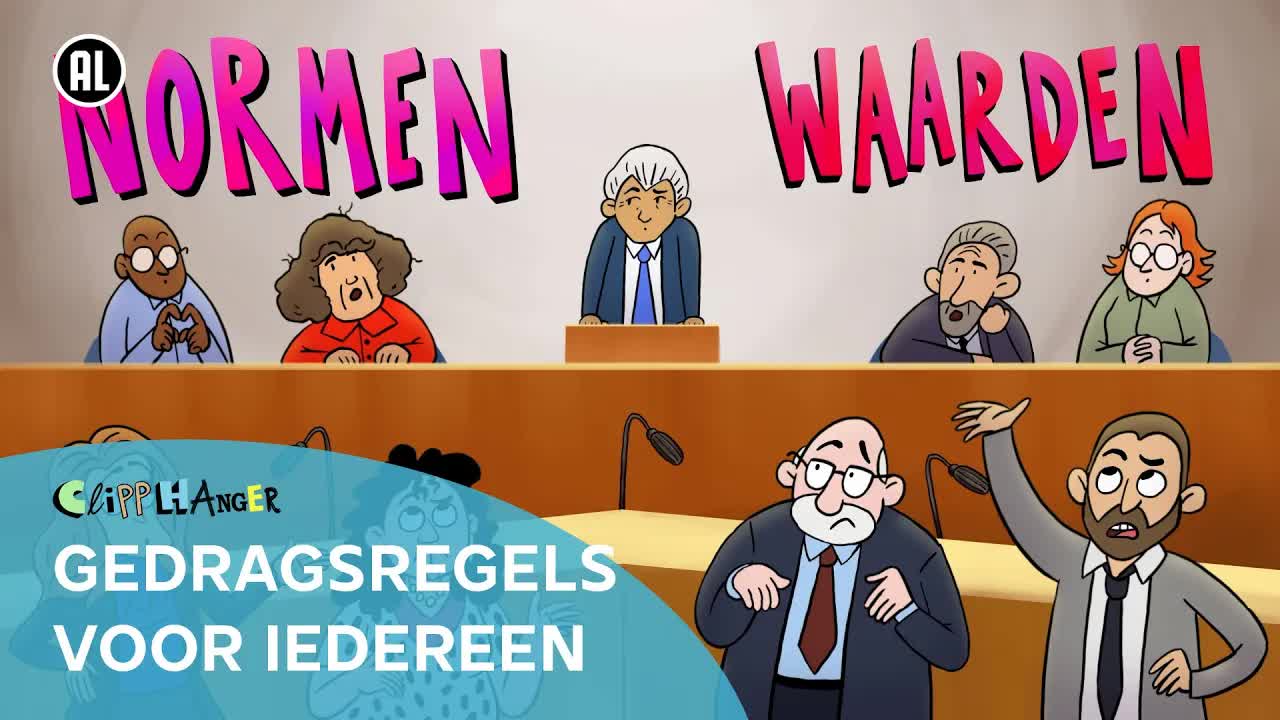
Wat zijn normen en waarden?

Studeren in coronatijd en omscholen naar ict

Oma’s ontdekken QR-codes tijdens een boswandeling

Sollicitatiegesprek voor een baantje als afwashulp

Hoe AI je dagelijks leven ongemerkt beïnvloed

Satirische sketch over bellen met de huisartspraktijk
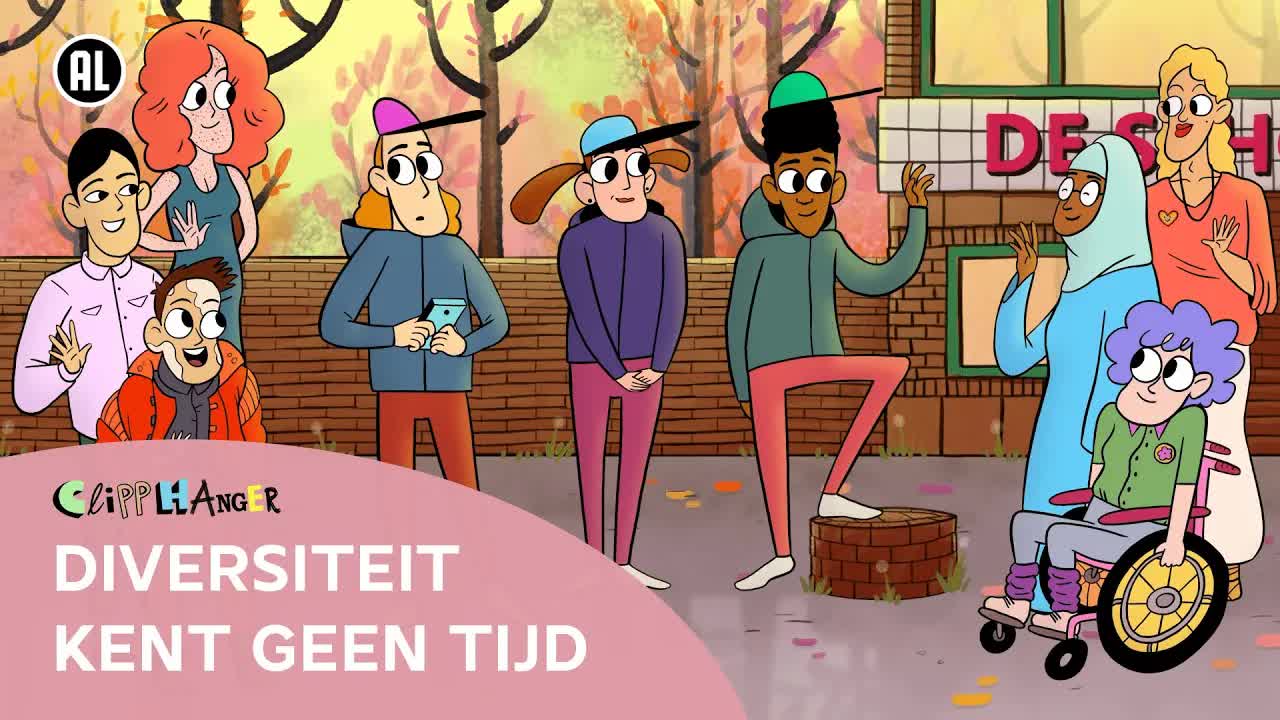
Wat diversiteit is en waarom het belangrijk is

Kees vertelt over zijn documentaire en zelfstandig wonen

Expeditie Robinson reageert op online haat tegen deelnemers

Hoe we ons droomhuis in Zweden hebben gekocht
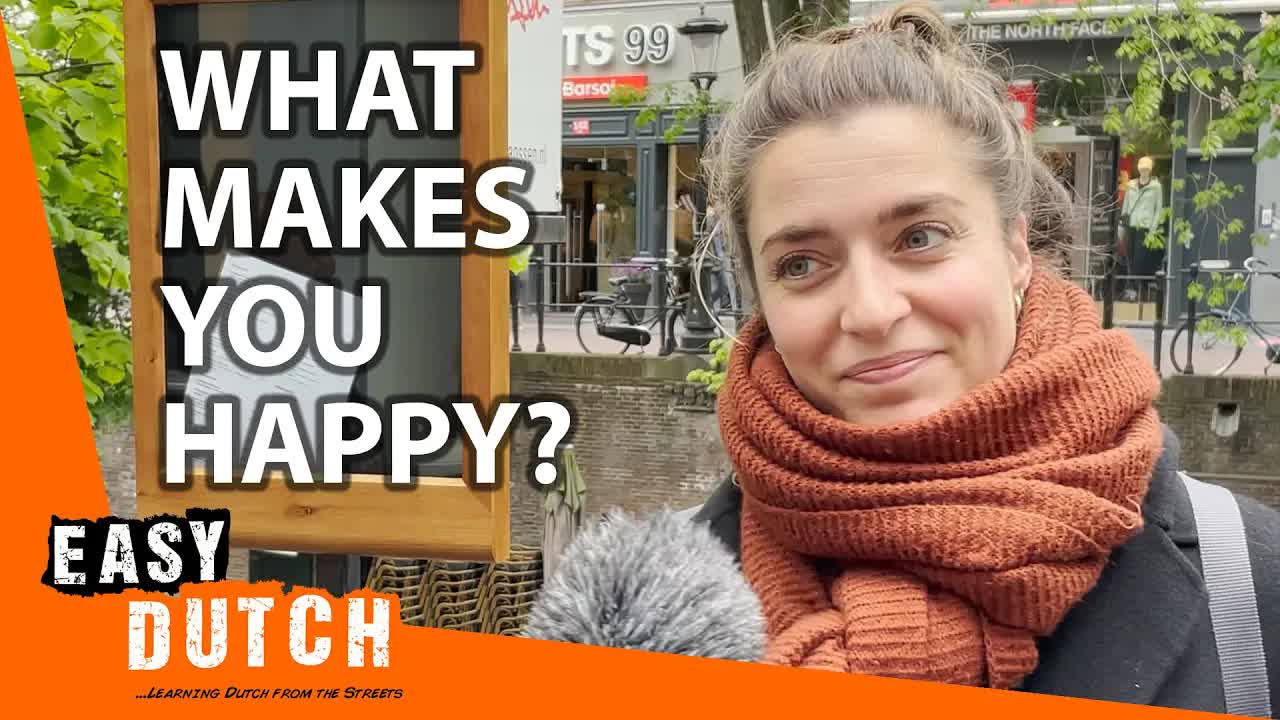
Wat maakt jou gelukkig? Straatinterviews in Nederland

Sinterklaas in Maastricht: op de boot tussen de kinderen

Fietsen langs de nieuwe Hollandse waterlinie
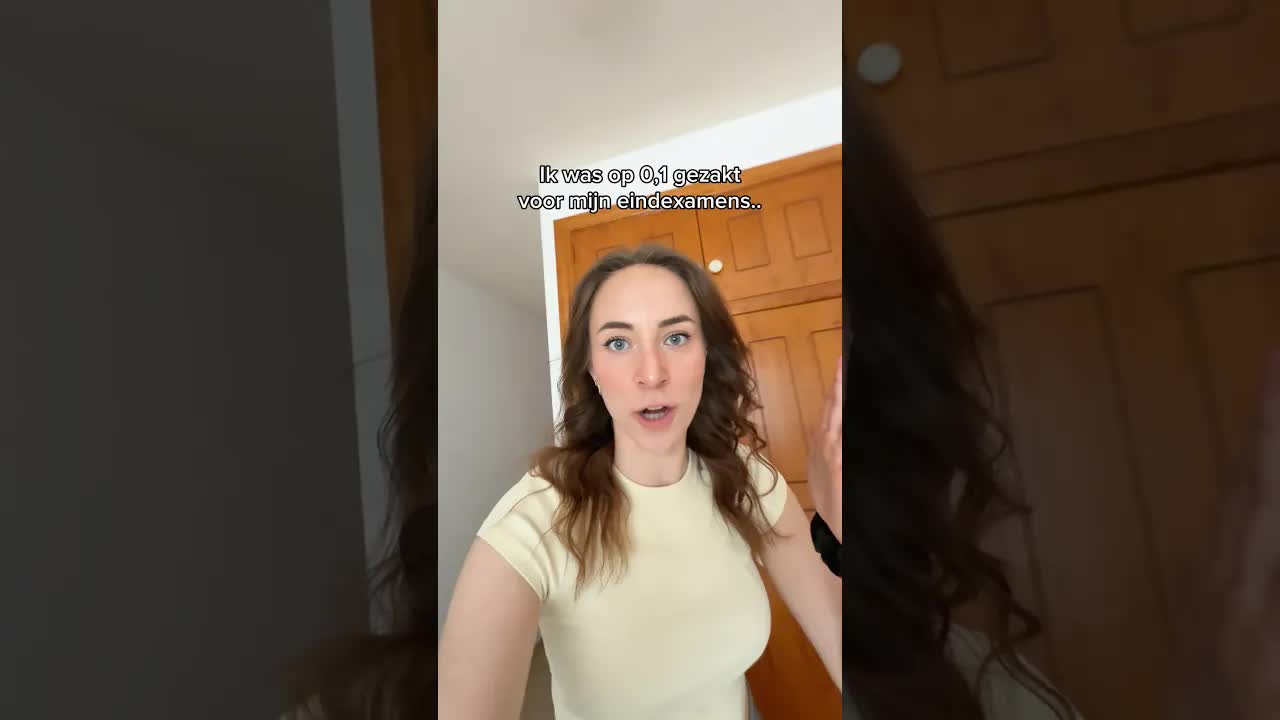
Toch gezakt op mijn eindexamen wiskunde

Uitleg over de dekolonisatie na de Tweede Wereldoorlog
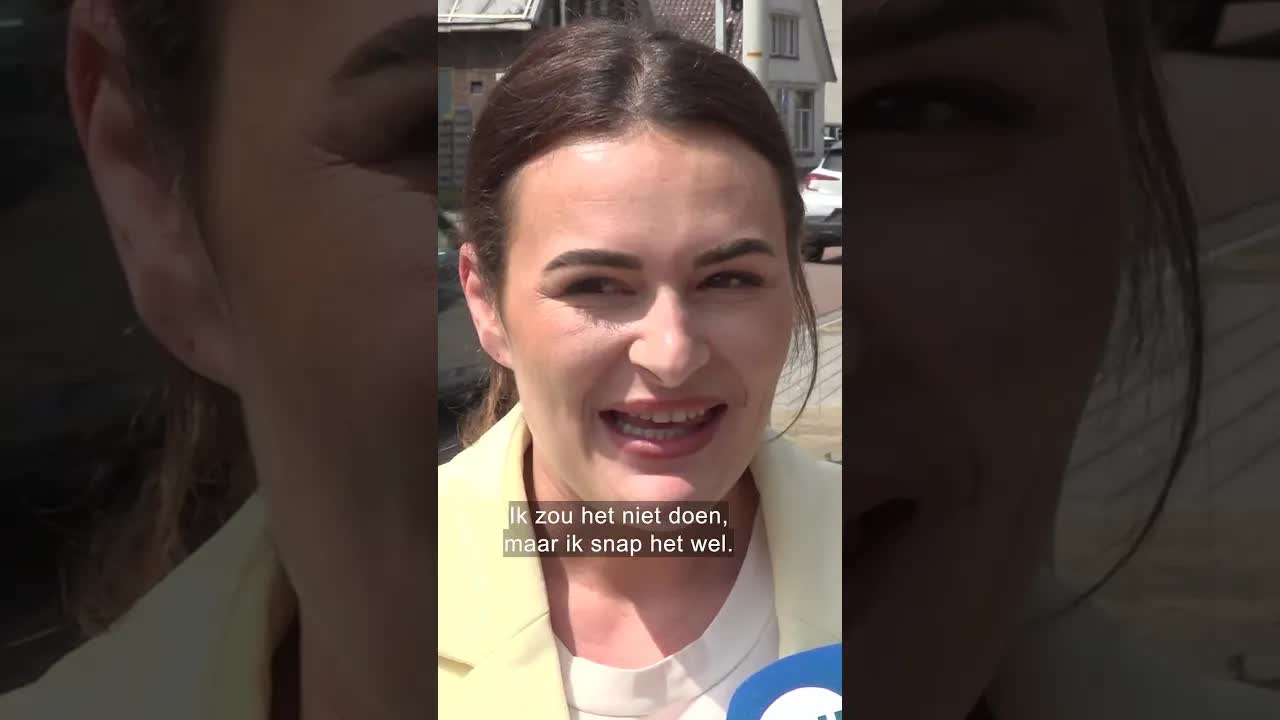
Flitspaal afgeplakt na 10.000 boetes

Koningsdag op pad met de ANWB Wegenwacht
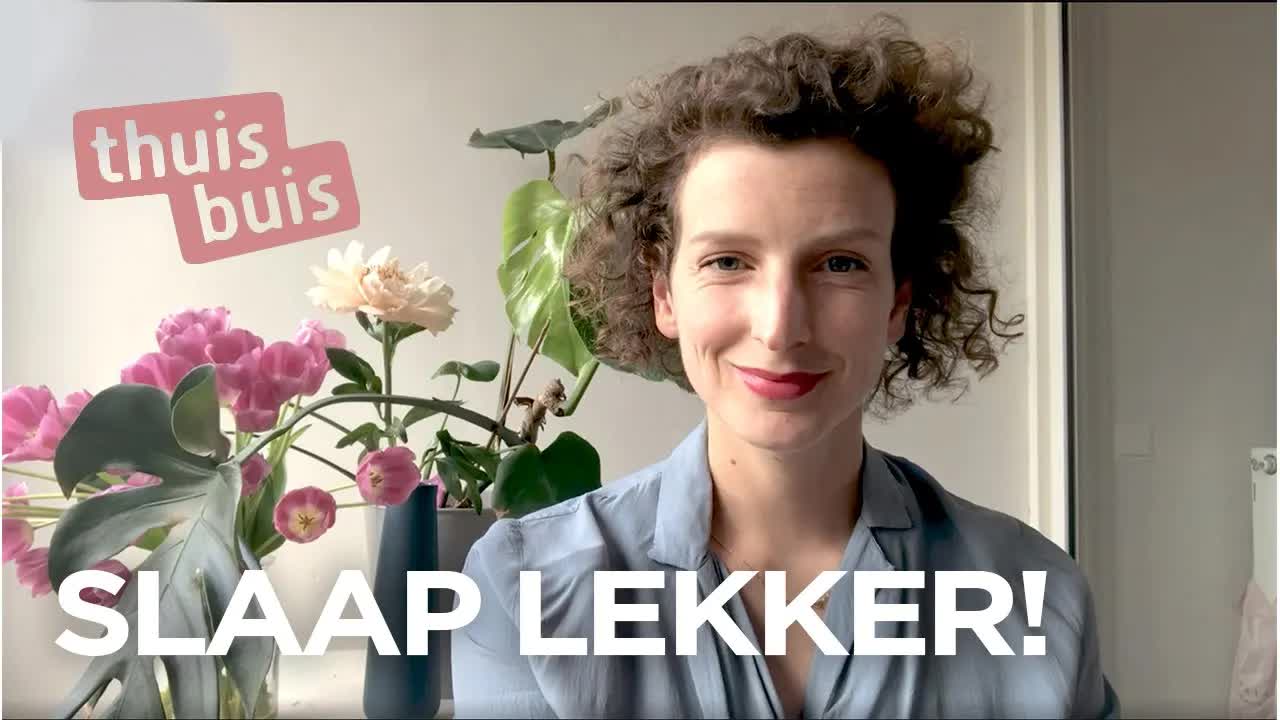
Tips van een psycholoog voor betere slaap
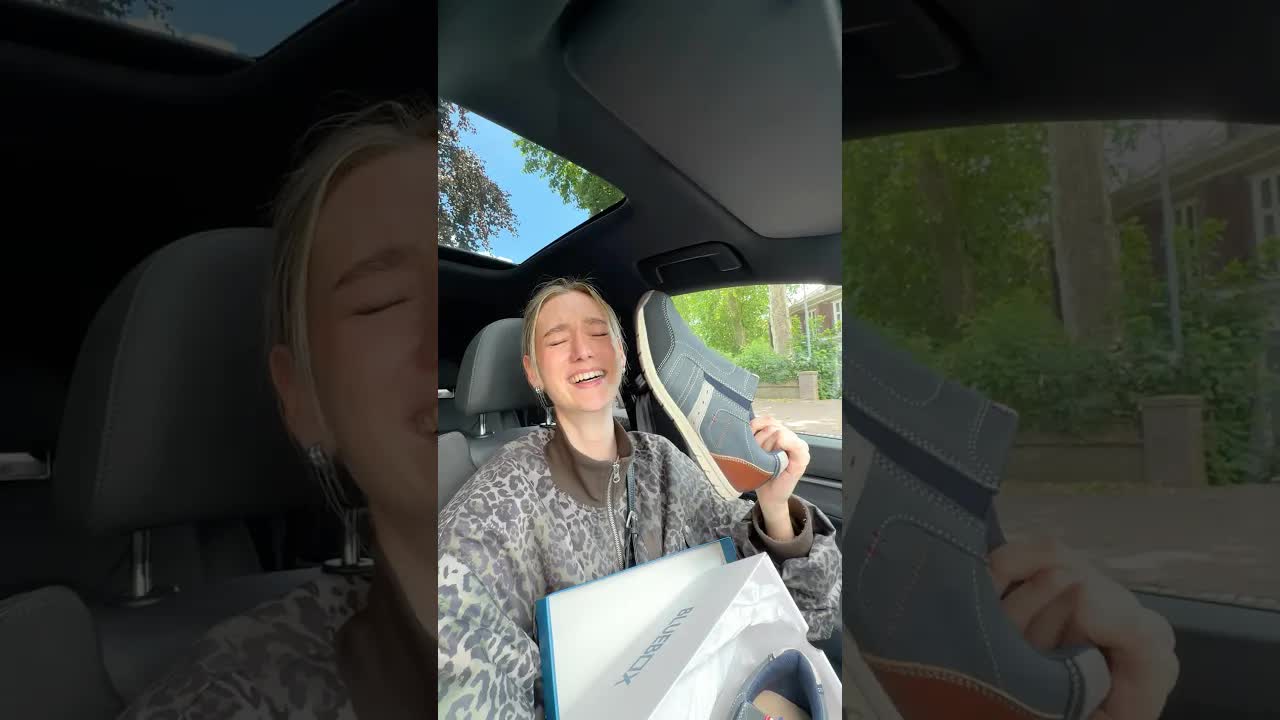
Lelijke schoenen gekocht voor Sam
Wanneer er één parachute te weinig is

Boer zoekt vrouw: hoe vieren de stellen kerst?

Tweelingbroers, lengteverschil en samen spelen met beperkingen

Leven met het syndroom van Down en vriendschap

Zwanger werken bij Laurens: een dagje mee

Met 3D-printer een speelse to-do lijst voor Nami

BN’ers over hun duurste kledingstukken op de rode loper

Lisa ontmoet haar commissiegenoten weer bij Perikles

Overwerken, sparen voor je rijbewijs en toch genieten

In de proefkeuken: bijzondere kroketten en bitterballen proeven

Krullen stylen met gel, diffuser en brush coiling
The test
What is the B1 listening test like?
The listening test (Luisteren) takes 90 minutes. It has about 40 questions, on 5 or more listening texts. Each question has 3 or 4 answers, and only 1 is right. Programma I and Programma II work the same way. Only the level of Dutch is different. Here is what you get:
Sound clips
Short clips about work, study and daily life. For example: conversations, instructions and short talks.
Once
Video clips
1 to 3 of the clips are short film clips (filmpjes), each with its own question.
Once
Each part plays 1 time. The sound starts by itself. You cannot stop it or play it again.
You get about 25 seconds to read the question and answers before each part starts.
This is real Dutch, at a normal speed. Many students find this fast at first.
Level and words
What level and how many words do I need?
Listening needs fewer words than reading. Studies show that about 3,000 common words cover 95% of normal talk. The first 1,000 words cover most of what people say.
Video is the easiest way to understand. The pictures help you guess the meaning. So you do not need many words. You need the common words, and a lot of practice listening at your level.
Watch videos with pictures that help you understand, on YouTube or here on Reelang.
Based on research
Nation (2006) About 3,000 common word families cover roughly 95% of everyday spoken English; reading needs far more.
Webb (2021) The most frequent 1,000 words alone cover most of what people say in speech.
Durbahn et al. (2024) Video is easier to understand at a given vocabulary size, because the pictures help you guess.
Ways to practice
Ways people practice
There is no single right way. People use many of these together. The free pack above can help with any of them.
A class or a teacher
Slow and clear Dutch podcasts, like Een Beetje Nederlands or Zeg het in het Nederlands
Easy Dutch news, like the NOS Jeugdjournaal
Watching real Dutch videos at your level
Start watching now, no email needed
See all B1 Dutch videos, sorted by level
Good to know
Questions people ask
How was this NT2 Programma I pack chosen?
We did the searching for you. We check thousands of Dutch videos and look at each one: its level, how fast people speak in it, and how common its words are. In this pack, the videos are at level B1 in standard Dutch. They talk close to the speed of the test (about 200 words a minute). About 97% of the words are common words in spoken Dutch. We read all the text by hand to keep the same things the test talks about. We put the clearest videos with the most pictures first. About 3,000 common words already cover about 95% of what people speak (Nation 2006), so this kind of video matches the test well.
Which videos are best to practice listening for NT2 Programma I?
Use real Dutch, spoken at a normal speed. Use Dutch from the Netherlands, not Flemish. Pick work, study and daily life topics from the test, like daily life, travel, society and news, work, health and home. You do not need hard words. About 3,000 common words cover most of what people speak (Nation 2006), so this kind of video matches the test well. Try a short news report, an interview, a conversation, and a clear explanation. The test sounds like these. That is how we made the free pack of 99 videos above.
Does the NT2 listening test play once or twice?
Once. In the NT2 listening test, every part plays one time. It starts by itself. Some other tests, like Goethe or DELF, play some parts two times. This test does not. The best way to get ready is to understand the sound the first time. You do not get to hear it again.
Do I need Programma I or Programma II?
Programma I is level B1. It is for mbo study, or work at mbo-3 or mbo-4. Programma II is level B2. It is for hbo or university study, or work at that level. Both help you become a Dutch citizen. You do not need to pass Programma I first.
Is Programma I enough to become a Dutch citizen?
Yes. To become a Dutch citizen, you need level A2 (the inburgeringsexamen) or level B1 or B2 (the Staatsexamen NT2). Passing Programma I is enough. B1 is one level above A2. So it also shows you know more Dutch, for study and work.
Can I get ready for free?
Yes. The free official NT2 practice test is on your computer. You can try real questions for both programmes there, including listening. After that, the best free thing to do is listen to a lot of real Dutch at your level. Start with the 99 videos above, or watch more on YouTube or here on Reelang.
How much does the NT2 test cost?
Each part costs 50 euros. A full programme has 4 parts: reading, listening, writing, and speaking. Together they cost 200 euros. You can take the parts on their own. If you do not pass a part, you can take it again.
How is video different from the sound in books?
The sound in books is often slow and very clear. People say every word carefully. Real videos use normal speed and real voices. This is closer to the test. Pictures also help you guess words you do not know yet. In the NT2 test, this happens two times. 1 to 3 parts of the test are short videos.