Free Hungarian learning app
Hungarian learning that doesn’t feel like studying
Real native Hungarian videos at your level.
Hungarian isn’t related to the languages around it. It’s Uralic, a distant cousin of Finnish, and it stacks endings, so one word can say what English needs a sentence for. At first, real speech sounds like one long word. Learn Hungarian from videos by native speakers, sorted by level.
The stress always falls on the first syllable, so your ear has one fixed point in every word. Start with slow, clear clips (recipes, vlogs, stories), and Reelang moves you up as you follow or skip clips and look up words. No quiz to begin, no account needed.
18,056
Hungarian videos
Hearing the speech with no subtitles first, then saying whether I understood it, feels very natural. I'm actually listening rather than immediately reading, but can always fall back on the subtitles where I need it.
Level
Speed
Topic
Recommended Hungarian videos


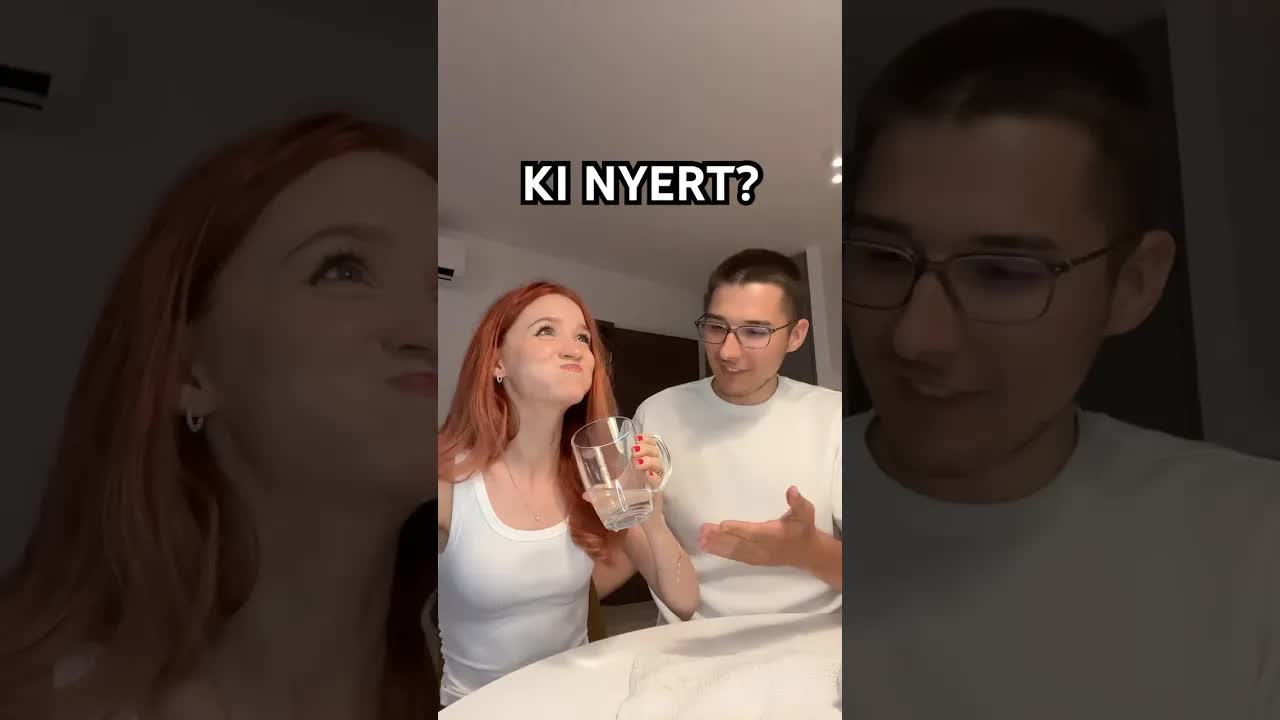



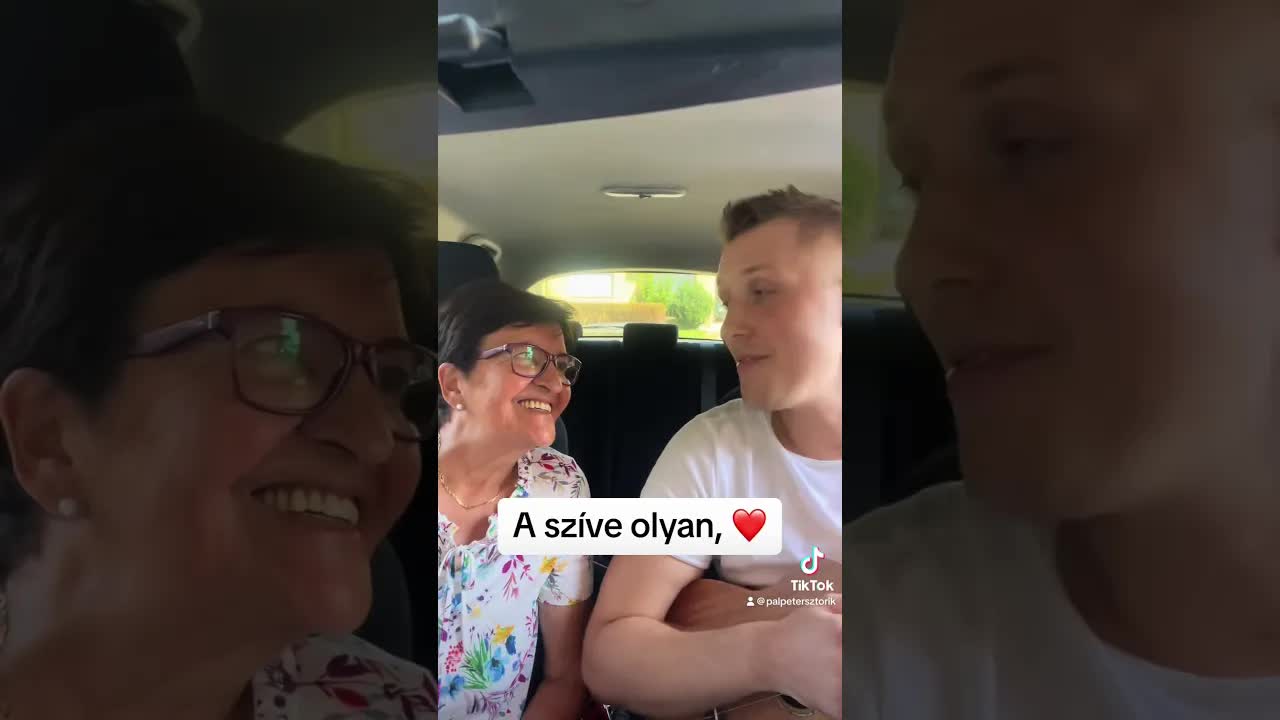







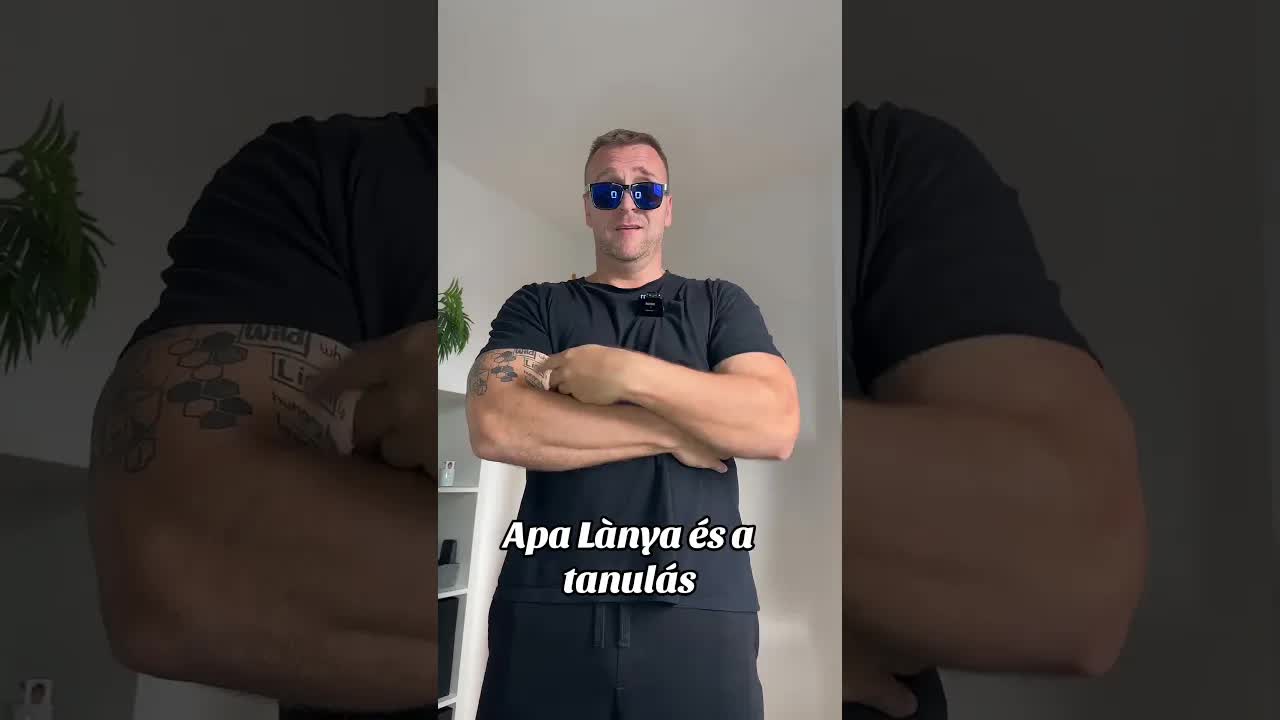


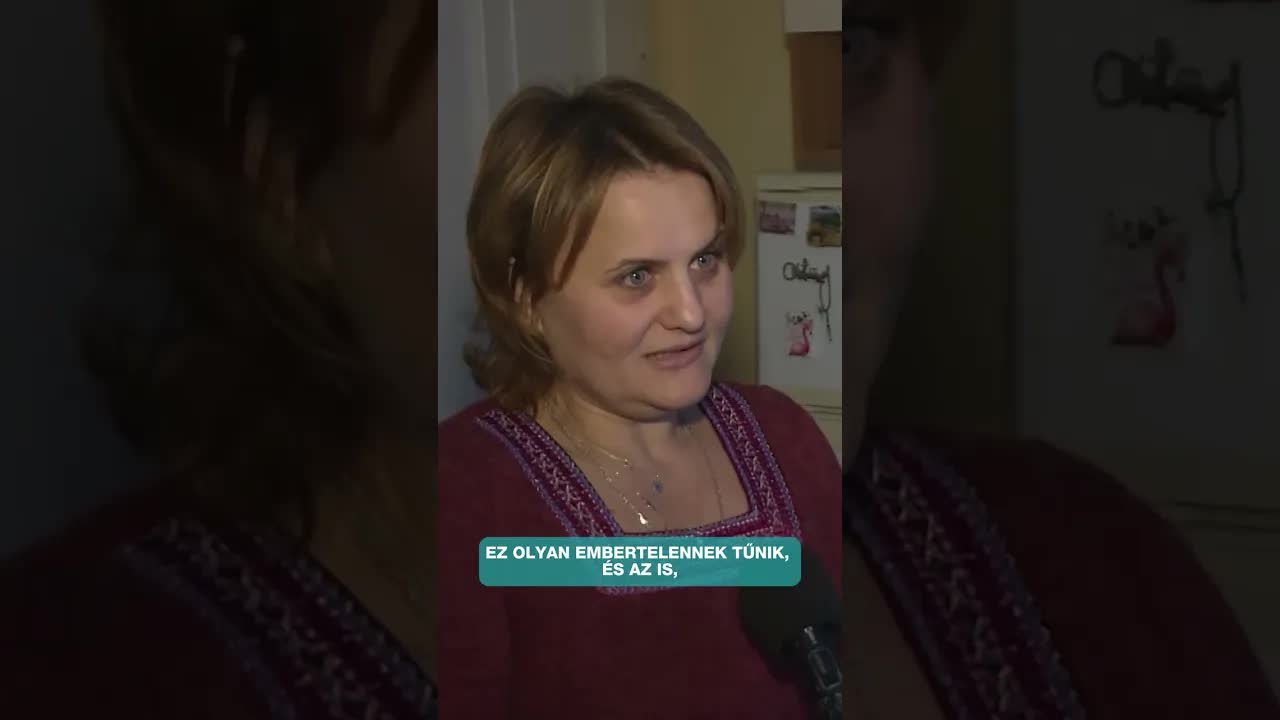




























More Hungarian videos are waiting in the feed and the app.
Is Reelang the best app to learn Hungarian?
It depends on where you are. If you’re starting from zero, a structured course app like Duolingo is a good first step. Once you know the basics, from about A2, the hard part is understanding real people, and that’s what Reelang is for: real Hungarian videos at your level, with help when you need it. You can use both.
- Real Hungarian, not scripts: no actors and no textbook dialogues, just the way people actually talk.
- Always at your level: every clip is graded by level and speaking speed, and the feed adapts as you watch.
- Built for listening: Hungarian spelling is regular, so reading comes quickly. Hearing where one word ends and the next begins is the slow part, and that’s what Reelang trains.
A whole sentence in one Hungarian word
Szeretlek is a complete sentence: “I love you”. The ending -lek means “I do it to you”, so neither pronoun has to be said. The same ending gives látlak, “I see you”, and kérlek, “please”, literally “I ask you”.
Endings do the work English gives to word order and small words. The ending -t marks the thing you act on: kávé is coffee, kávét is the coffee you order. Direction goes on the front of the verb: beletesz is “put into”, kivesz is “take out”. And when the object is a specific thing, the verb changes too, so a parent says Vidd le a szemetet!, “Take the rubbish out!”, with vidd rather than vigyél.
Negatives double up too: nem látok semmit, “I can’t see anything”, says no twice. In fast speech all of this runs together, and hearing the same pieces in hundreds of clips is how you learn to pull them apart.
Hungarian videos by level
Find Hungarian videos at your level, then stretch upward as real spoken Hungarian starts to feel more familiar.
How it works
Questions about learning Hungarian with Reelang
What is the best app to learn Hungarian with real videos?
Reelang is built for it: a free feed of real Hungarian videos from native speakers, graded by level, speaking speed and accent, that adapts as you watch.
How does Reelang figure out my level?
It starts you on easier clips and adjusts from what you follow, skip and look up. There’s no placement quiz.
What is the Reelang Hungarian video feed?
A TikTok-style feed of real Hungarian videos from native speakers, graded by level and speaking speed and tagged by accent. It learns from how you watch and keeps serving clips at your level.
What is comprehensible input?
Comprehensible input is Hungarian you can mostly understand, with a little that’s new. Linguist Stephen Krashen argued it’s how we acquire languages, and it’s the idea Reelang is built on.
Reelang takes it a step further with word frequency. It ranks every word in every video by how often it’s used in everyday Hungarian, and keeps track of which words you already know. So instead of videos that are only roughly your level, your feed picks the ones made of words you know, plus the most frequent words you haven’t learned yet. Comprehensible input, made for you.
Does Reelang explain the words in each video?
Tap any word for its meaning. With Reelang+, Learner Insights also explain the culture, idioms and slang behind a clip.
A few Hungarian words and phrases our explanations cover, from recent videos:
- pihe-puha: "soft as down"; fluffy-soft
- kamu: Kamu: slang for something fake or a lie, short for kamuflázs (camouflage).
- árkádozni: "to go hang out at the Árkád mall"; noun + -zik makes a verb
- hogyhogy: Hungarian says 'hogyhogy' for 'how come?': two hogy's glued together.
- nagyobb / kisebb: "bigger" / "smaller"; also "higher" / "lower" in a guessing game
Why short videos from native speakers?
Short clips let you hear many more speakers, accents and situations in the same time, so your ear gets used to Hungarian as people actually speak it.
How does Reelang know if a video is too fast or too hard?
Every clip is analysed for how it’s spoken, not just which words it uses: speaking speed in words per minute, how often the speaker pauses, how many words come out between pauses, and how much of the clip is speech. With its vocabulary level, that lets the feed match both what you know and how fast you can follow.
What if I don’t know a word?
Tap it to see what it means, in your own language. With Reelang+, the words you look up come back in new clips.
Which Hungarian words should I focus on first?
The most common ones. Smart Subtitles show how common each word is, so you can tell which words are worth learning now.
Which levels does it cover?
Beginner (A1) to Advanced (C1). It works best from about A2 upward.
Do I need an account? Is it free?
The Hungarian feed is free and you can start without signing up. Reelang+ adds a personalized feed and words that come back in new clips.
Is Hungarian related to Finnish?
Yes, but distantly. Both are Uralic languages that split thousands of years ago, so a Hungarian and a Finn can’t understand each other. You can see the family in the grammar, like vowel harmony and long chains of endings, and in a few basic words: kéz and käsi (hand), víz and vesi (water). Hungarian’s closest relatives are Khanty and Mansi, two small languages in western Siberia.
Can I hear Hungarian from Transylvania?
Yes. Most clips are in standard Hungarian, and some come from Transylvania in Romania, where Hungarian has been spoken for centuries. Transylvanian speakers keep some older words and their own melody, but if you follow standard Hungarian you’ll understand most of it. Hungarian is also spoken in southern Slovakia, northern Serbia and western Ukraine.
How is Reelang different from a typical language app?
Most apps teach with drills and scripted audio. Reelang trains listening on real Hungarian the way people actually speak it.
How much should I watch?
Little and often works best. A daily session you enjoy beats a long one you skip.
About this hub
About comprehensible input in Hungarian
What is comprehensible input?
Comprehensible input means language you can mostly follow, with enough new material to stretch your ear. The idea, associated with Stephen Krashen, is that we acquire language by understanding meaningful messages, not by memorizing tables. For Hungarian, that matters because the language can feel overwhelming through grammar alone (cases, verb endings, vowel harmony) but starts to feel much more natural once you are listening to it in context. On Reelang, comprehensible input means real Hungarian short-form videos chosen to match your level while helping your ear catch up.
Why real reels, not textbook dialogues
A lot of Hungarian learning lives inside tables. Real Hungarian lives in natural speech, where cases arrive as small everyday endings instead of big conceptual challenges, and where vowel harmony shows up as an audible pattern rather than a written rule. Reelang pulls from unscripted short-form video so you hear Hungarian the way native speakers actually use it, in conversation, reactions, and everyday life.
How to use this catalog
Start with your level. From there, browse by topic depending on what you want to practice. If grammar tables feel heavier than the language deserves, shift some of that effort to listening, since pattern recognition catches up faster than most learners expect. If Hungarian spelling makes words look longer than they sound, that is exactly the gap real listening closes.
Want a full roadmap? Read our guide to comprehensible input.