Free Dutch learning app
Dutch learning that doesn’t feel like studying
Real native Dutch videos at your level.
Textbook Dutch and the Dutch on a Rotterdam tram can sound like two different languages. Reelang is a Dutch learning app with real videos from native speakers in the Netherlands, Belgium, Suriname and the Dutch Caribbean, so your ear gets used to the second kind, one clip at your level at a time.
Spoken Dutch swallows sounds: “het” shrinks to “’t”, “een” to “’n”, and “ik weet het niet” comes out as “kweenie”. Reelang starts you on easier clips and learns from what you follow, skip and look up, so every video sits just past what you understand. No placement quiz, no signup to start.
13,962
Dutch videos
3
Accents
So far so good! It works well, easy to use and it's perfect to learn languages while scrolling.
Accent
Level
Speed
Topic
Recommended Dutch videos


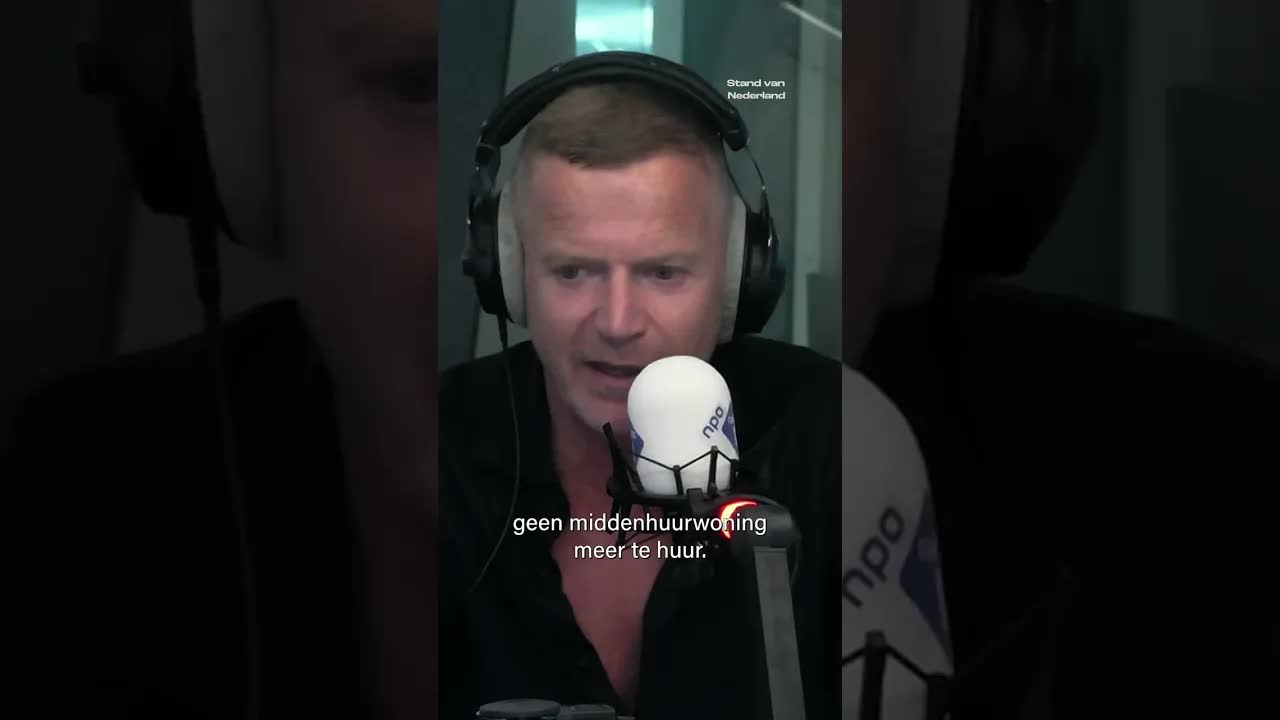

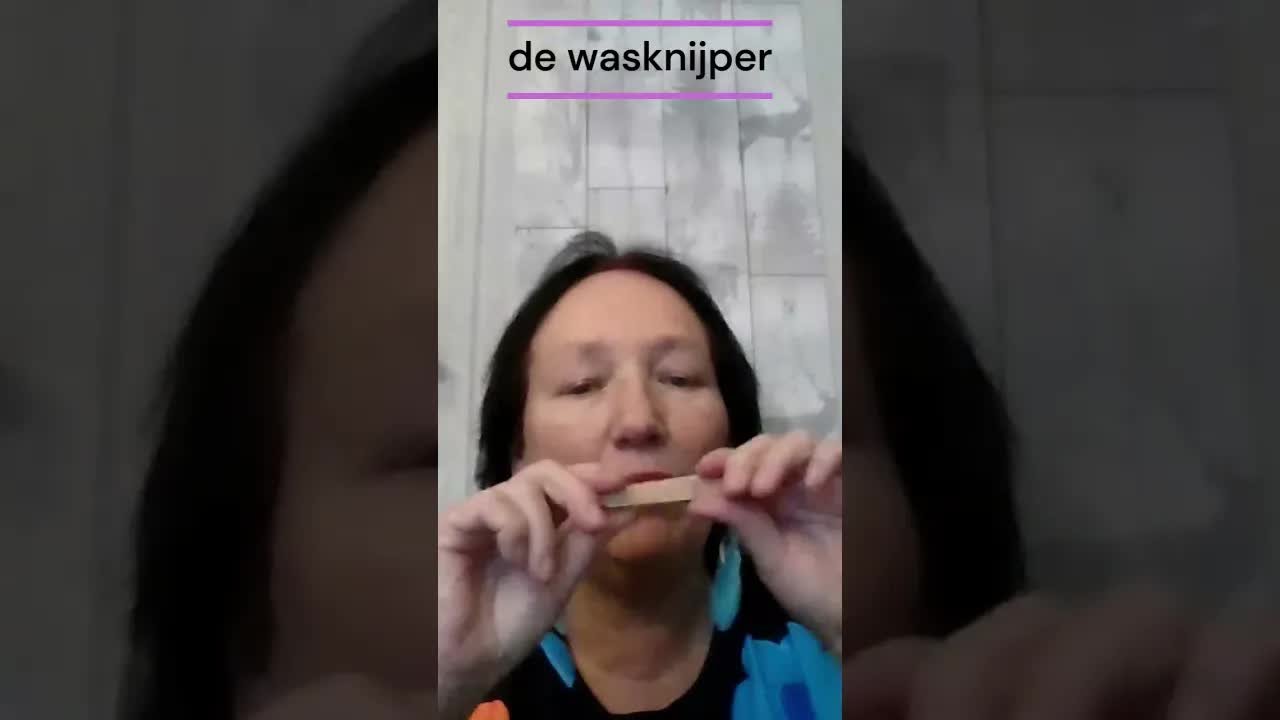











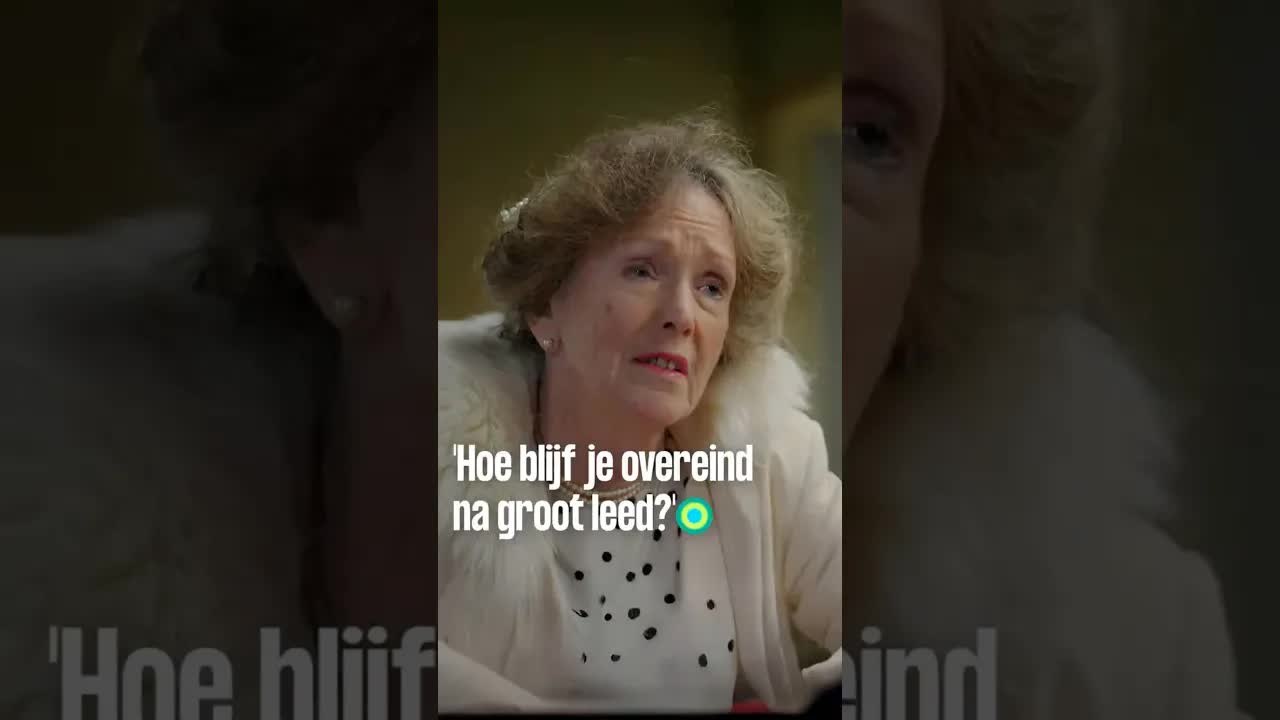


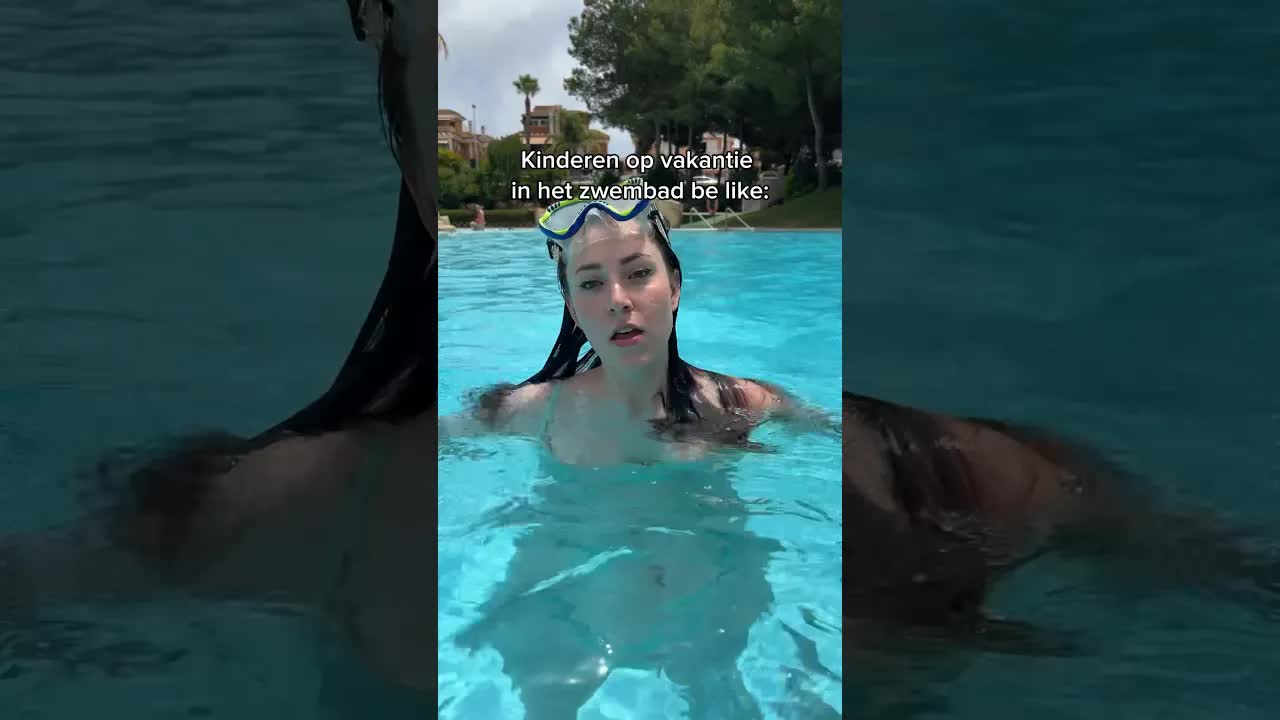


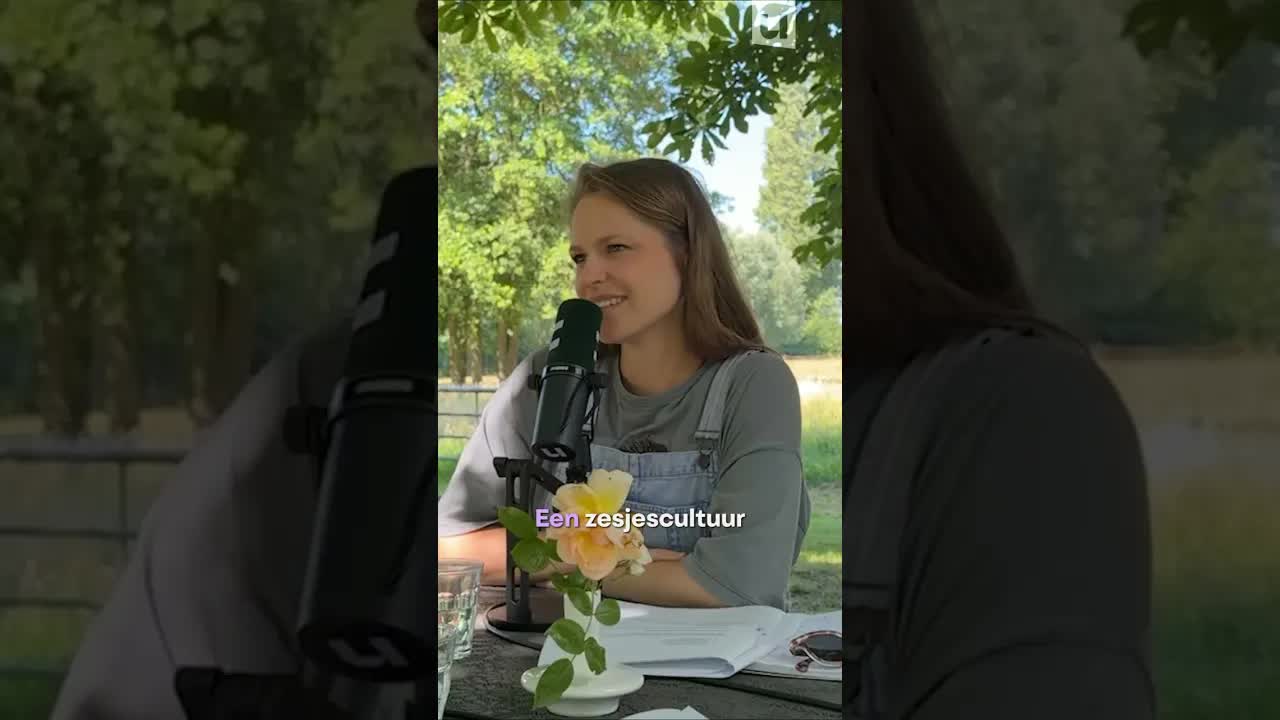
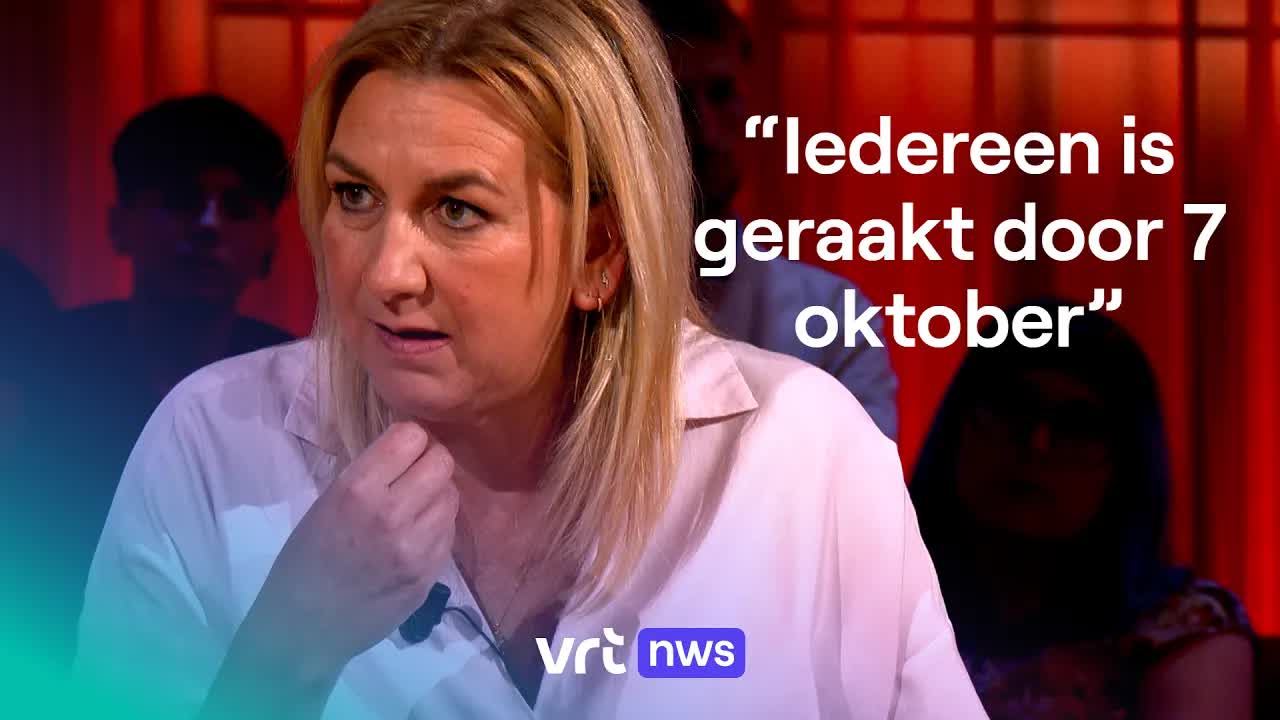
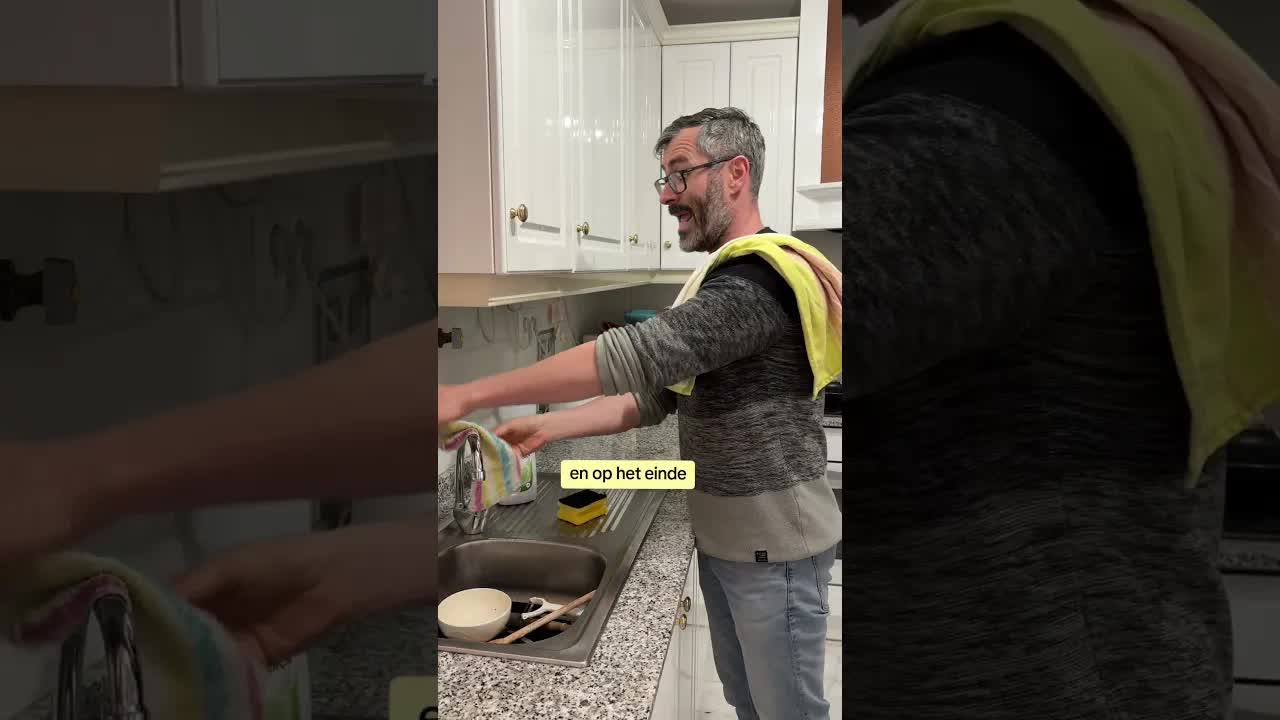


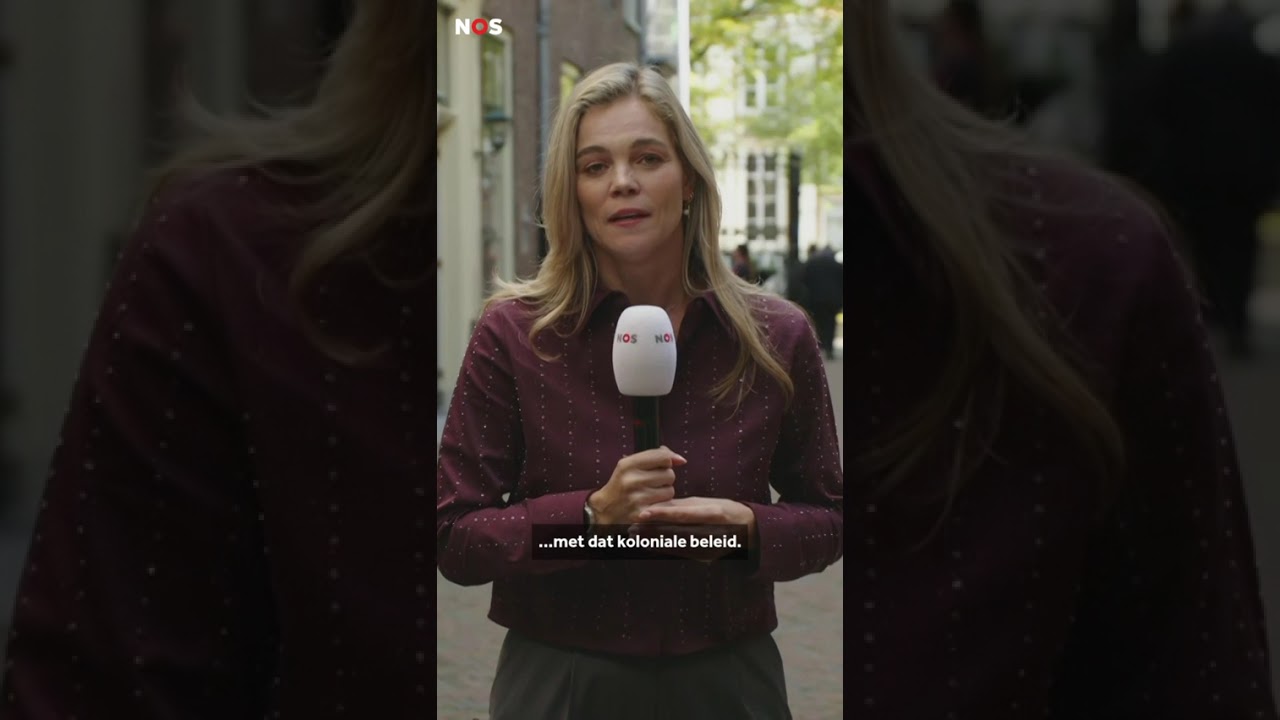







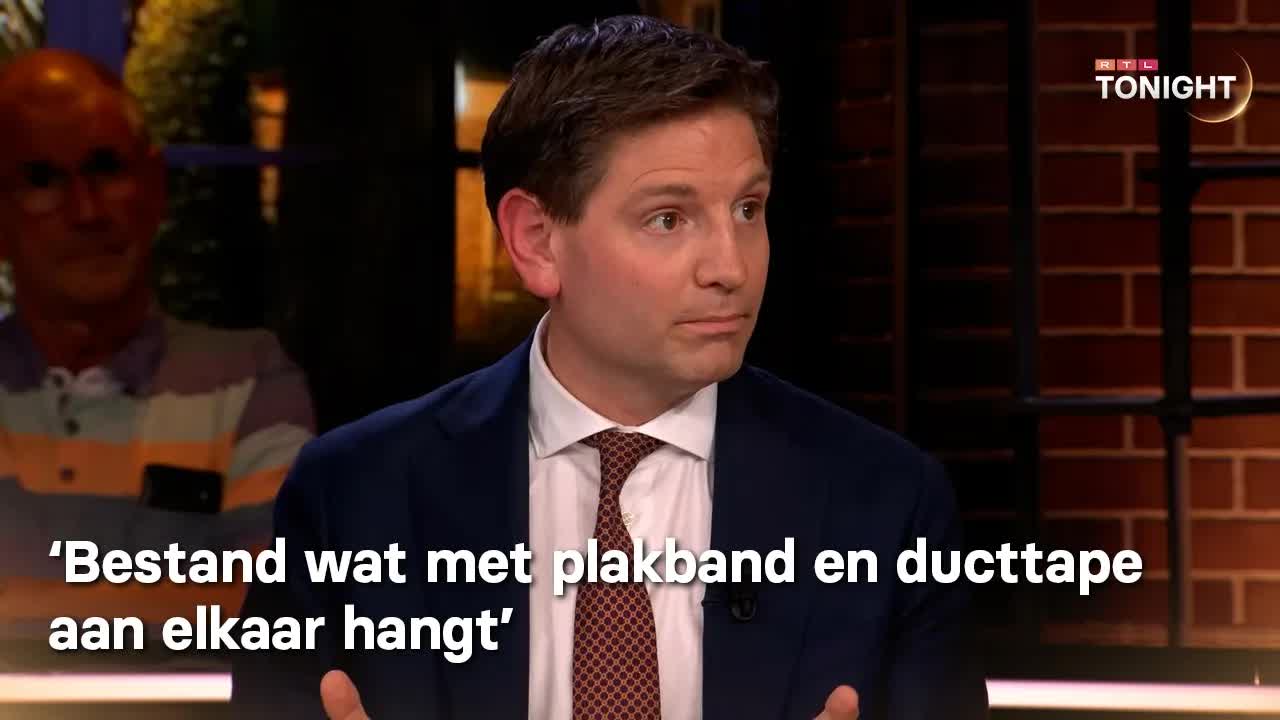

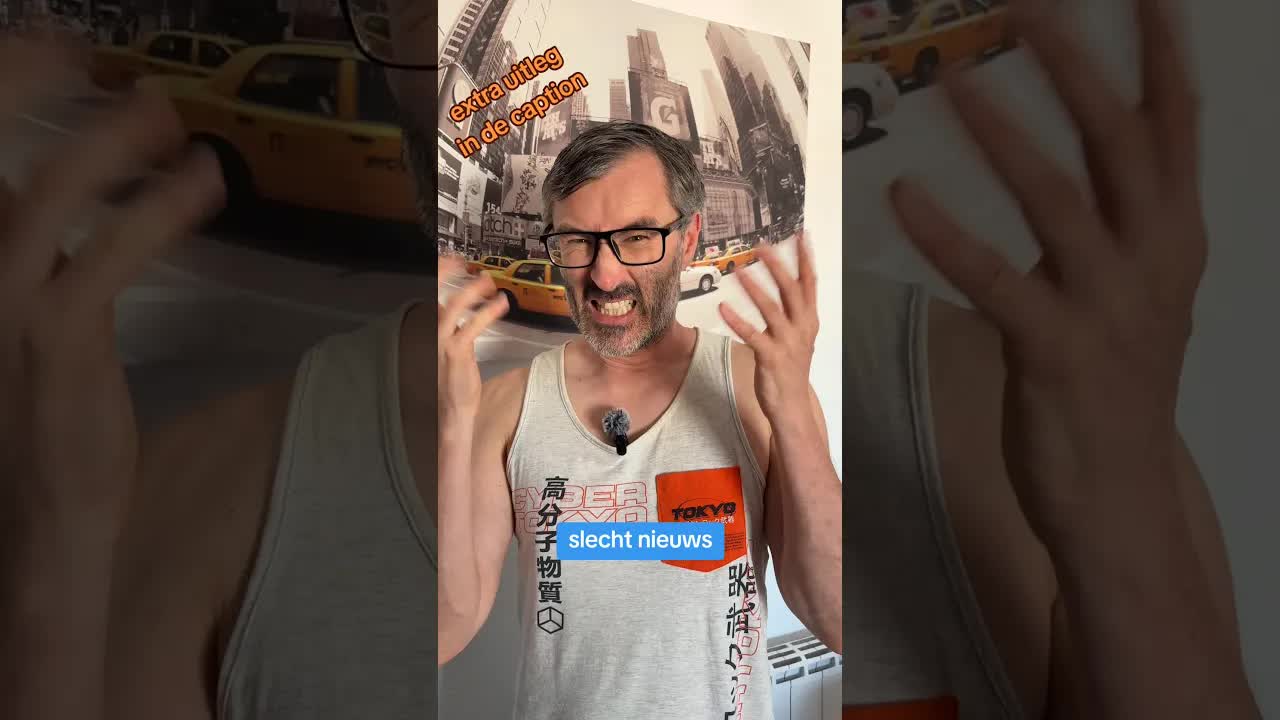
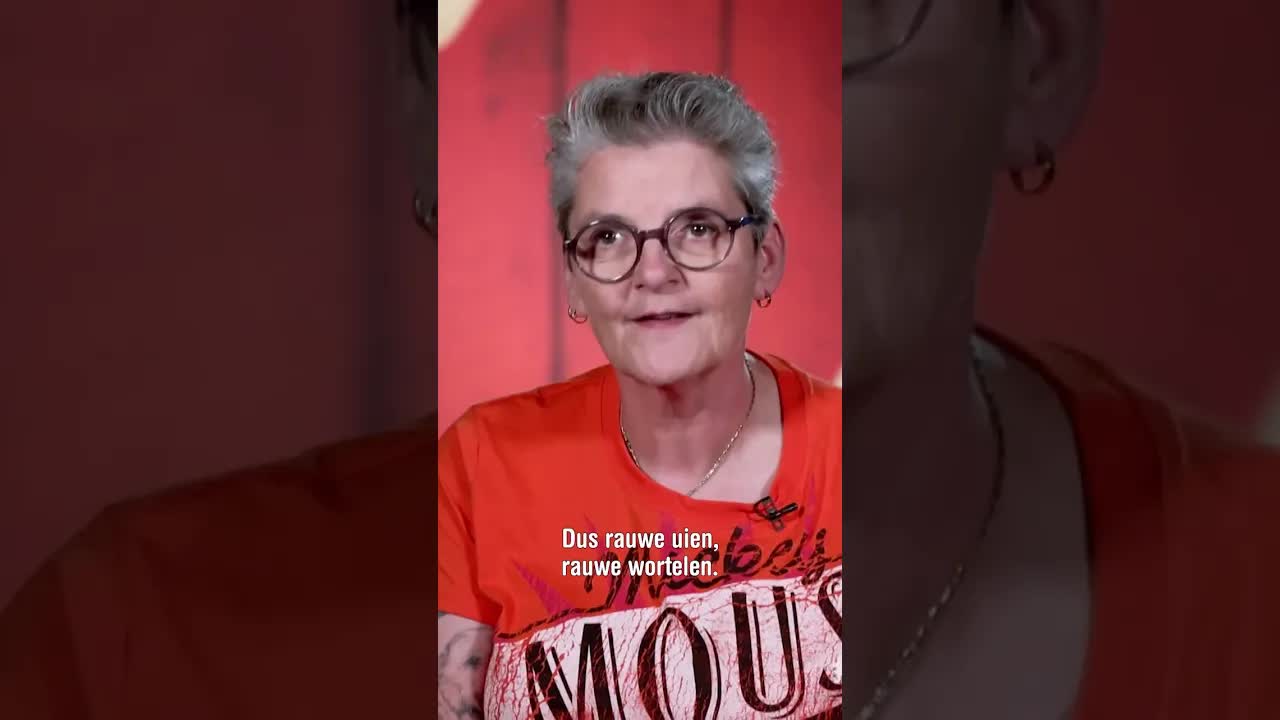

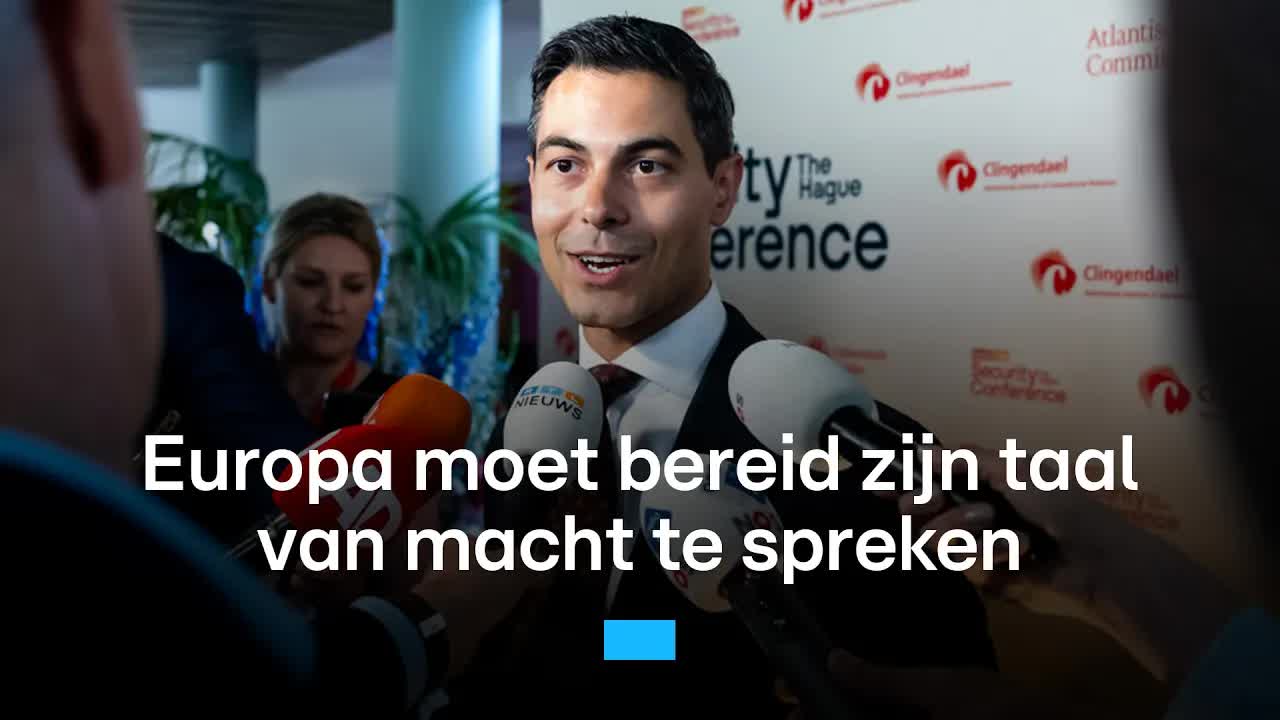
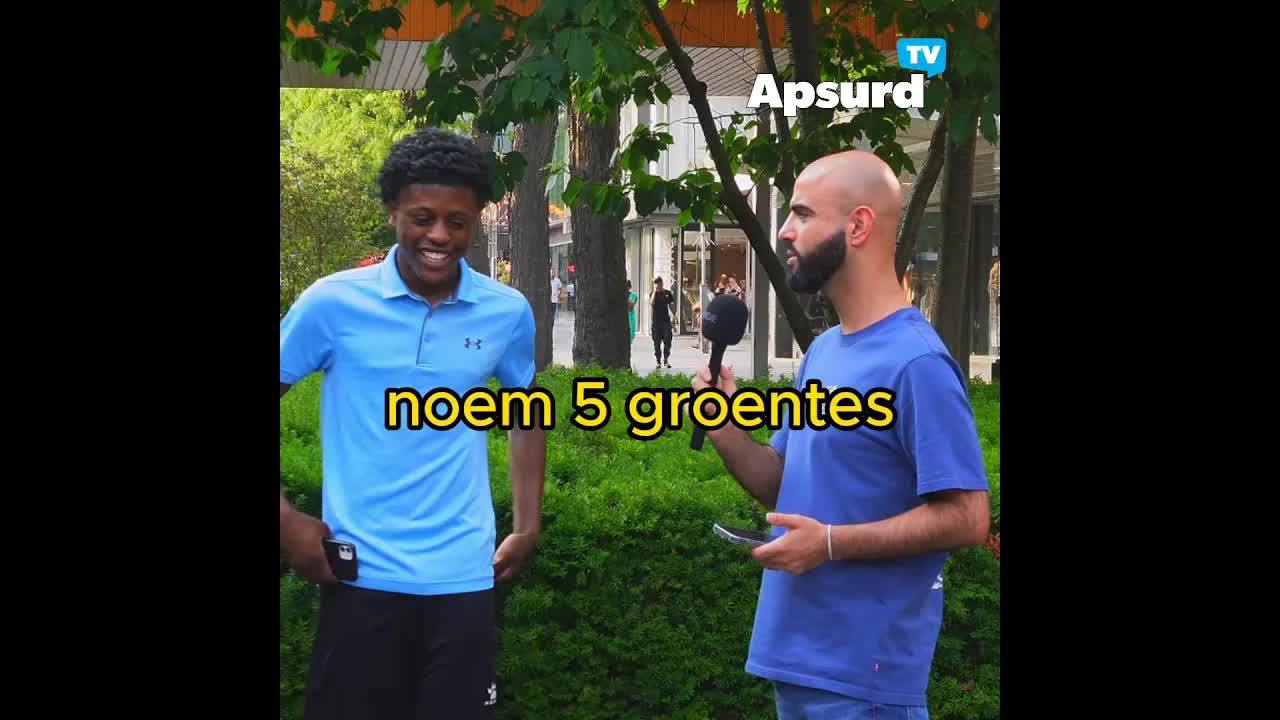


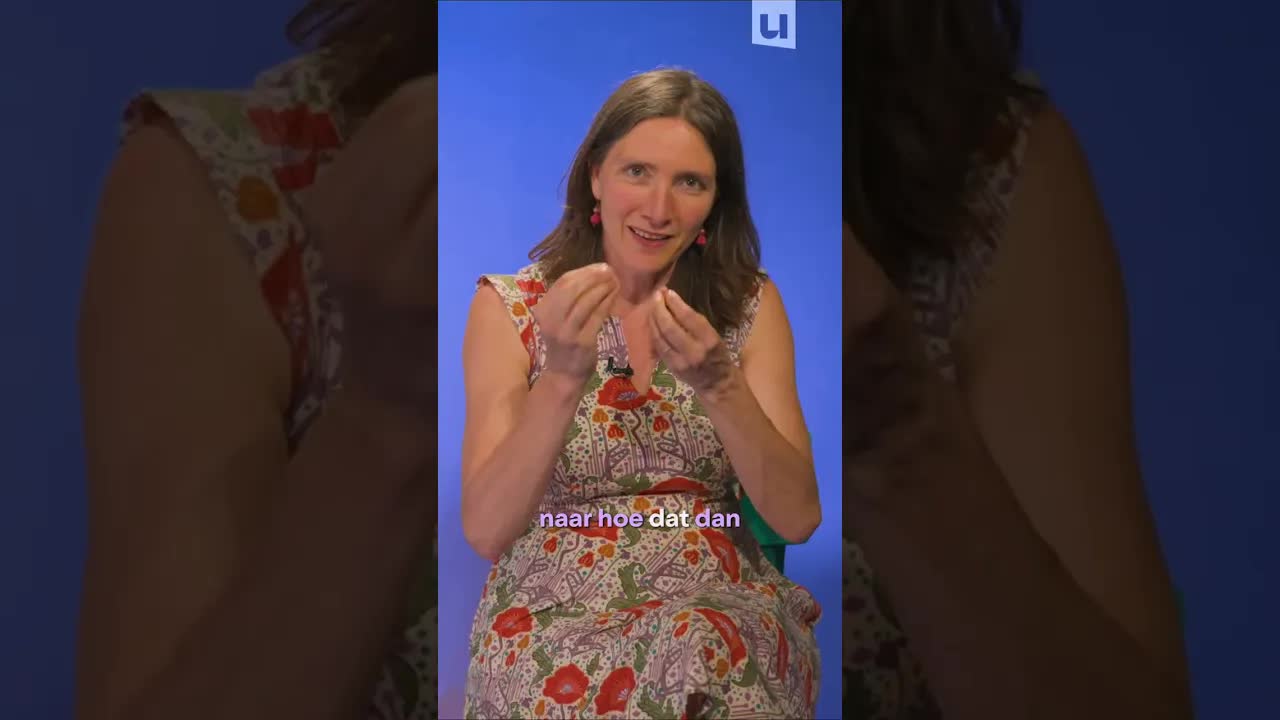

More Dutch videos are waiting in the feed and the app.
Is Reelang the best app to learn Dutch?
It depends on where you are. If you’re starting from zero, a structured course app like Duolingo or Babbel is a good first step. Once you know the basics, from about A2, the hard part is understanding real people, and that’s what Reelang is for: real Dutch videos at your level, with help when you need it. You can use both.
- Real Dutch, not scripts: no actors and no textbook dialogues, just the way people actually talk.
- Always at your level: every clip is graded by level and speaking speed, and the feed adapts as you watch.
- The accents you’ll meet: Dutch from the Netherlands, Flemish Dutch, and Surinamese Dutch.
- Built for listening: most Dutch apps teach words and grammar drills. Reelang trains your ear on real conversations.
Free Dutch flashcards: an Anki deck for beginners
Starting from zero? Our free Dutch Anki deck teaches the 200 most common Dutch words, the basic vocabulary you need first, through 96 short scenes from real native-speaker videos. Every flashcard plays its clip, with word-by-word translations, native-speaker audio and spaced repetition.
Get the free Dutch beginner Anki deck on AnkiWebDutch videos by level
Find Dutch videos you can mostly follow, then move up as everyday speech starts to feel less slippery.
Dutch accents and regional varieties
Hear real Dutch from native speakers across the Netherlands and Belgium, including regional accents and everyday spoken variation.
Preparing for the Staatsexamen NT2?
Practice the luisteren part with real native speakers at a speed close to the exam. The free NT2 listening packs for programma I and II are picked from this catalog.
How it works
Questions about learning Dutch with Reelang
What is the best app to learn Dutch with real videos?
Reelang is built for it: a free feed of real Dutch videos from native speakers, graded by level, speaking speed and accent, that adapts as you watch.
How does Reelang figure out my level?
It starts you on easier clips and adjusts from what you follow, skip and look up. There’s no placement quiz.
What is the Reelang Dutch video feed?
A TikTok-style feed of real Dutch videos from native speakers, graded by level and speaking speed and tagged by accent. It learns from how you watch and keeps serving clips at your level.
What is comprehensible input?
Comprehensible input is Dutch you can mostly understand, with a little that’s new. Linguist Stephen Krashen argued it’s how we acquire languages, and it’s the idea Reelang is built on.
Reelang takes it a step further with word frequency. It ranks every word in every video by how often it’s used in everyday Dutch, and keeps track of which words you already know. So instead of videos that are only roughly your level, your feed picks the ones made of words you know, plus the most frequent words you haven’t learned yet. Comprehensible input, made for you.
Does Reelang explain the words in each video?
Tap any word for its meaning. With Reelang+, Learner Insights also explain the culture, idioms and slang behind a clip.
A few Dutch words and phrases our explanations cover, from recent videos:
- nope: "nope" — casual English "no," official enough to be listed in the Dutch dictionary
- straf: "intense," "amazing" — not "punishment," its more literal meaning
- salto: a somersault/flip — borrowed straight from Italian, unlike English's reshaped "somersault"
- dan heb ik niks gezegd: "forget I said anything" — a quick way to drop what you just said
- nadoen: "to imitate, copy," literally "to do after"
Why short videos from native speakers?
Short clips let you hear many more speakers, accents and situations in the same time, so your ear gets used to Dutch as people actually speak it.
How does Reelang know if a video is too fast or too hard?
Every clip is analysed for how it’s spoken, not just which words it uses: speaking speed in words per minute, how often the speaker pauses, how many words come out between pauses, and how much of the clip is speech. With its vocabulary level, that lets the feed match both what you know and how fast you can follow.
What if I don’t know a word?
Tap it to see what it means, in your own language. With Reelang+, the words you look up come back in new clips.
Which Dutch words should I focus on first?
The most common ones. Smart Subtitles show how common each word is, so you can tell which words are worth learning now.
Which levels does it cover?
Beginner (A1) to Advanced (C1). It works best from about A2 upward.
Do I need an account? Is it free?
The Dutch feed is free and you can start without signing up. Reelang+ adds a personalized feed and words that come back in new clips.
Is Flemish different from Dutch?
Flemish is the Dutch spoken in Flanders, the northern half of Belgium. It’s the same language with the same written standard, so what you learn works in both countries. The differences are in the sound (a softer g), everyday words like amai and goesting, and the informal gij or ge. On Reelang you can filter by accent to practice Flemish, Netherlands Dutch and Surinamese Dutch.
Dutch people switch to English when I try to speak Dutch. Will this help?
It helps with the half you can train on your own: following real Dutch at full speed. A conversation often slides into English the moment you have to ask someone to repeat. Once you catch the reply the first time, it gets much easier to keep going in Dutch.
Is Reelang useful for NT2 prep?
Yes, for the listening part. The free NT2 listening packs are picked from this catalog at a speed close to the exam.
How is Reelang different from a typical language app?
Most apps teach with drills and scripted audio. Reelang trains listening on real Dutch the way people actually speak it.
How much should I watch?
Little and often works best. A daily session you enjoy beats a long one you skip.
About this hub
About comprehensible input in Dutch
What is comprehensible input?
Comprehensible input is language you can mostly understand, with some new material mixed in. Stephen Krashen argued that people learn languages by following meaningful content, not only by drilling tables and rules. For Dutch learners, that often means the biggest challenge is not grammar on paper but how the language lands in the ear. On Reelang, comprehensible input means real Dutch short-form videos chosen to match what you can already follow, while gradually making real speech easier to catch.
Why real reels, not textbook dialogues
Written Dutch is tidier than spoken Dutch. Native speakers reduce sounds, run words together, and move quickly even before regional accents come in. That is why many learners can read more than they can comfortably understand. Reelang uses unscripted short-form video so you hear everyday Dutch the way it actually sounds, not the cleaned-up version usually found in textbook audio.
How to use this catalog
Start with your level. From there, browse by topic or accent depending on what you want to practice. If your reading is ahead of your listening, easier audio is not a step backward; it is how you bridge the gap. Accent browsing is especially useful in Dutch because exposure to both the Netherlands and Flanders helps real-world comprehension.
Want a full roadmap? Read our guide to comprehensible input.