Luyện nghe tiếng Séc · A2 · Nền tảng vững
Why does Czech say “spokojenej” instead of “spokojený”?
Nakupování dýní s autistickými dětmi
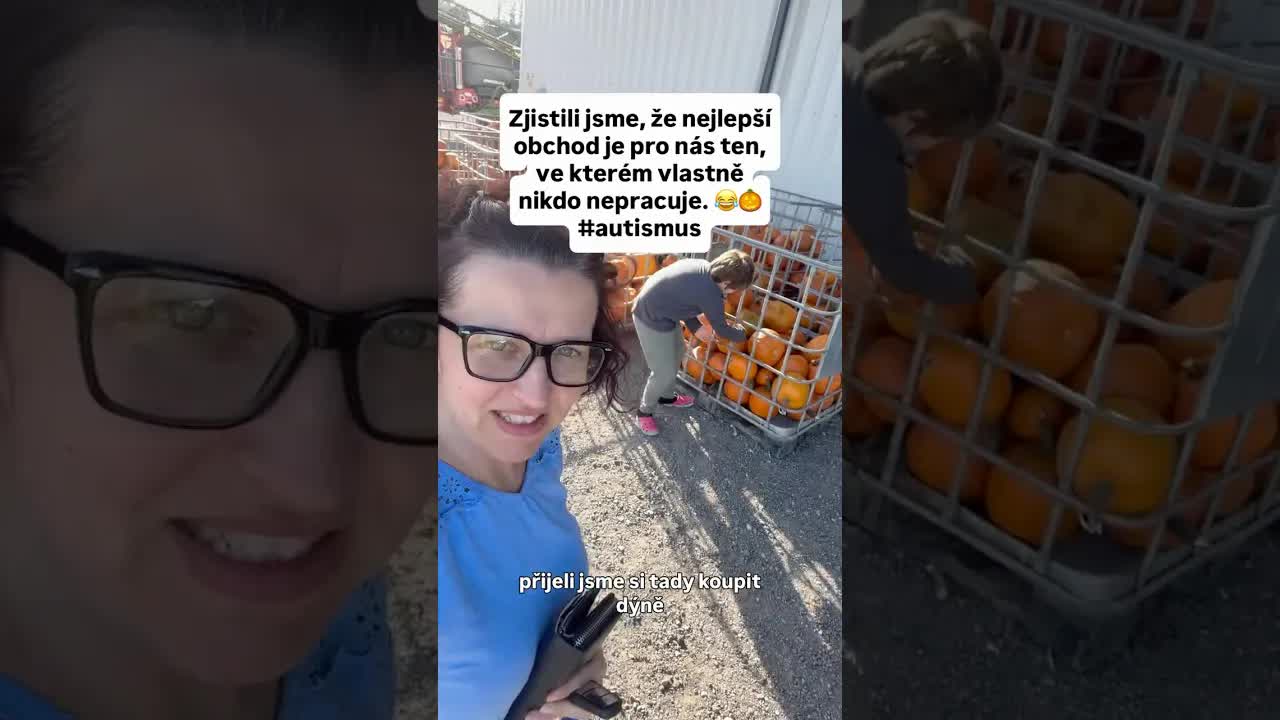


Từ Autismus nás nezastaví 💙 trên YouTube. Xem bản gốc
colloquial “spokojený” (satisfied); -ý becomes -ej in everyday speech
Czech speakers rarely say spokojený out loud. In everyday speech the ending -ý turns into -ej, so you hear spokojenej, malej, hezkej, dobrej. It belongs to Common Czech (obecná čeština), the informal variety spoken across most of Bohemia. Textbooks teach -ý, but once you know this one swap, a large share of spoken adjectives suddenly make sense.
In the clip a parent asks a child, “Martínku, seš spokojenej?” Both words are spoken forms: standard Czech would be “jsi spokojený?” (seš is the casual jsi). Wikipedia’s example for the same shift is malej dům instead of malý dům (“small house”), and the pattern also gives mlejn for mlýn and bejt for být. Write -ý in essays and exams, but expect -ej in conversation, films and vlogs.
Các từ trong clip này phổ biến đến đâu?
91,1%
số từ nằm trong 2.000 từ tiếng Séc thông dụng nhất
Từ nghiên cứu của chúng tôiCần bao nhiêu từ để hiểu video của người bản xứ?
Thêm clip tương tự

Shánění hostů a zájem o druhou řadu
Potkání Mikuláše a čerta ve vlaku

Zpěvačka o Slavíkovi, těhotenství a velkém koncertu

Jednoduchý špenát se smetanou a bramborami

Vtip o dámě na lodi a klobouku

Česká televize pro každého z nás
Học từ video thật
Hàng nghìn clip như clip này, phù hợp trình độ của bạn khi xem.