捷克文聽力練習 · A2 · 基礎穩固
Why does Czech say “spokojenej” instead of “spokojený”?
Nakupování dýní s autistickými dětmi
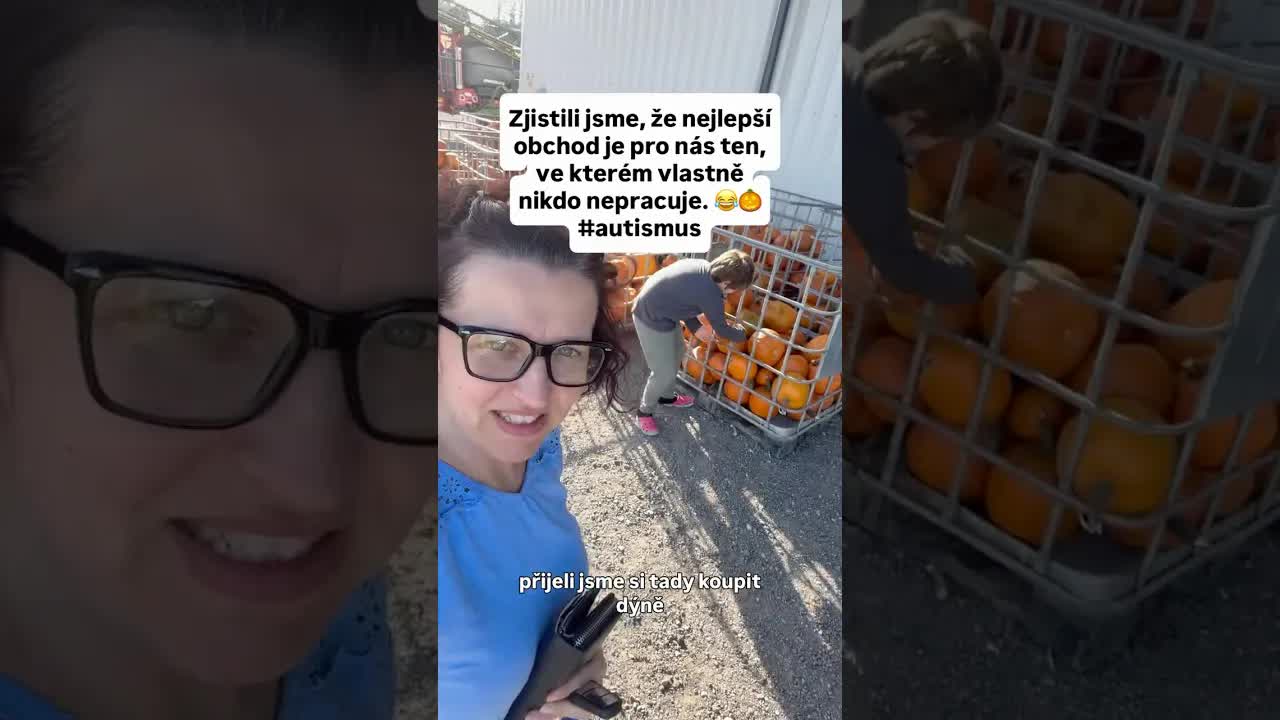


Autismus nás nezastaví 💙,來自 YouTube。 看原始影片
colloquial “spokojený” (satisfied); -ý becomes -ej in everyday speech
Czech speakers rarely say spokojený out loud. In everyday speech the ending -ý turns into -ej, so you hear spokojenej, malej, hezkej, dobrej. It belongs to Common Czech (obecná čeština), the informal variety spoken across most of Bohemia. Textbooks teach -ý, but once you know this one swap, a large share of spoken adjectives suddenly make sense.
In the clip a parent asks a child, “Martínku, seš spokojenej?” Both words are spoken forms: standard Czech would be “jsi spokojený?” (seš is the casual jsi). Wikipedia’s example for the same shift is malej dům instead of malý dům (“small house”), and the pattern also gives mlejn for mlýn and bejt for být. Write -ý in essays and exams, but expect -ej in conversation, films and vlogs.
這支短片的單字有多常見?
91.1%
的字詞落在捷克文最常用的 2,000 個單字內
來自我們的研究看懂母語者的影片,需要多少單字?
更多類似的短片

Shánění hostů a zájem o druhou řadu
Potkání Mikuláše a čerta ve vlaku

Zpěvačka o Slavíkovi, těhotenství a velkém koncertu

Jednoduchý špenát se smetanou a bramborami

Vtip o dámě na lodi a klobouku

Česká televize pro každého z nás
從真實影片學語言
數千支像這樣的短片,依你的程度挑選。