Free Ukrainian learning app
Ukrainian learning that doesn’t feel like studying
Real native Ukrainian videos at your level.
Learn Ukrainian from people who speak it every day: home cooks, comedians, news reporters and village vloggers from Lviv to the Carpathians. Every clip is short, subtitled and sorted by level, so you start with what you can follow and work up to full-speed conversation.
Ukrainian is written much as it’s spoken, so reading comes fast once you know the letters. Listening is slower: speech is fast, and some people mix in regional or Russian words. Reelang starts with easier clips and learns from what you follow, skip and look up. No placement quiz, no signup to start.
4,086
Ukrainian videos
3
Accents
Thanks for all the great work! I'm so glad an app like this exists.
Accent
Level
Speed
Topic
Recommended Ukrainian videos

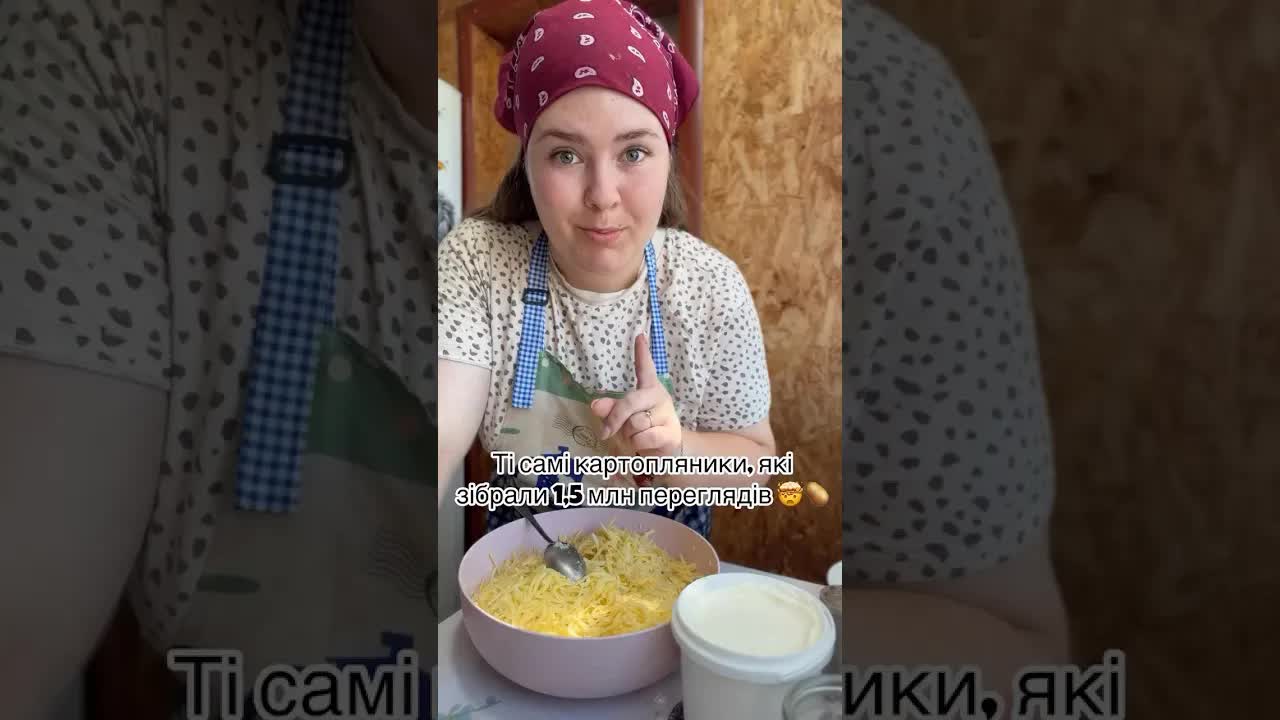


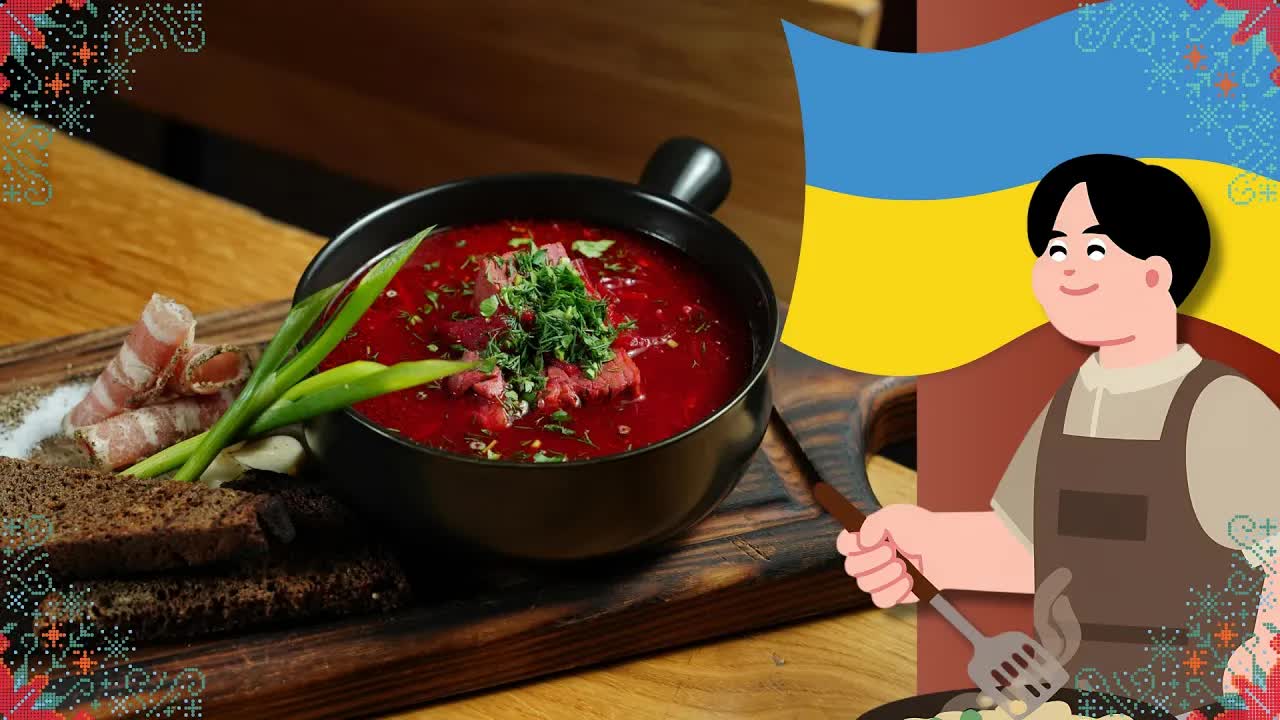
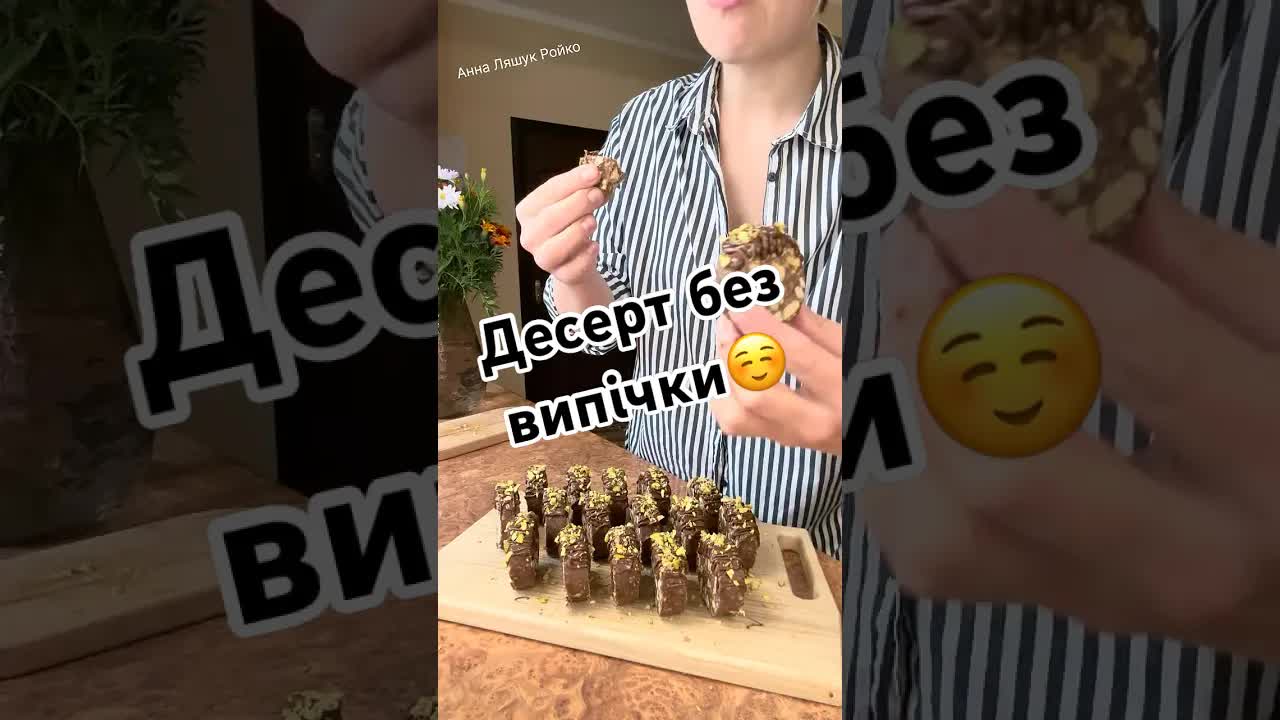


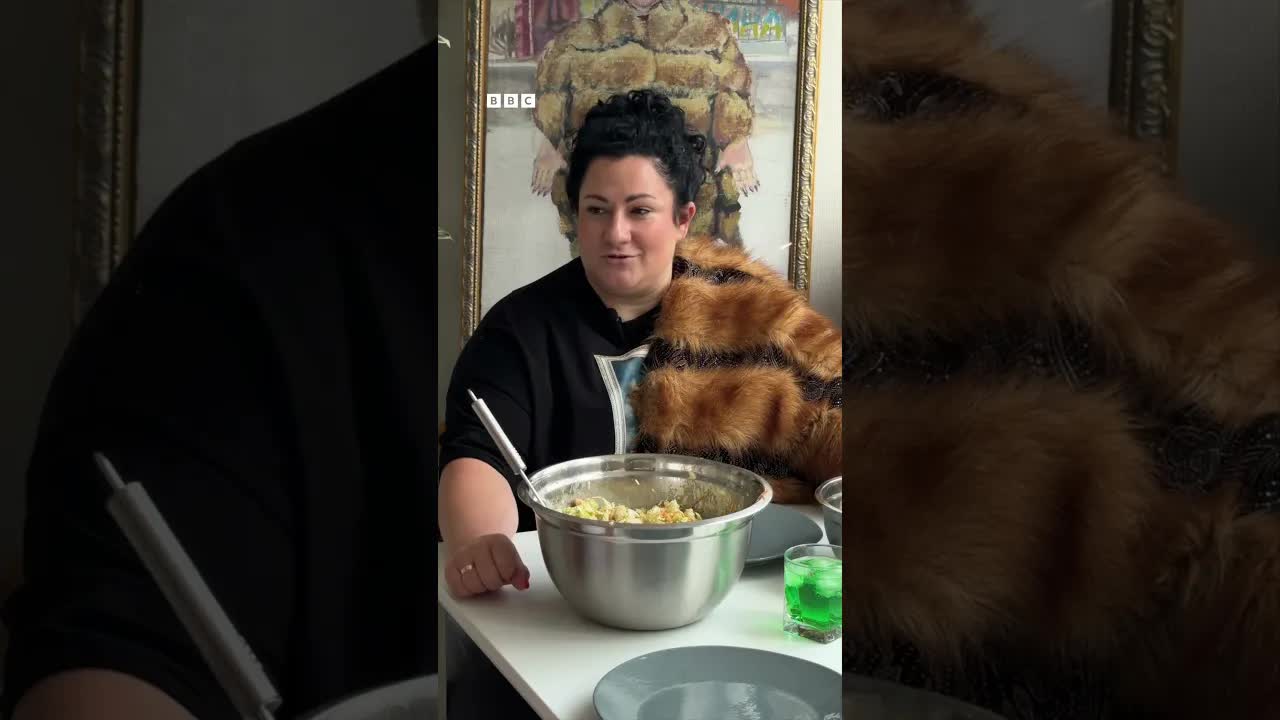
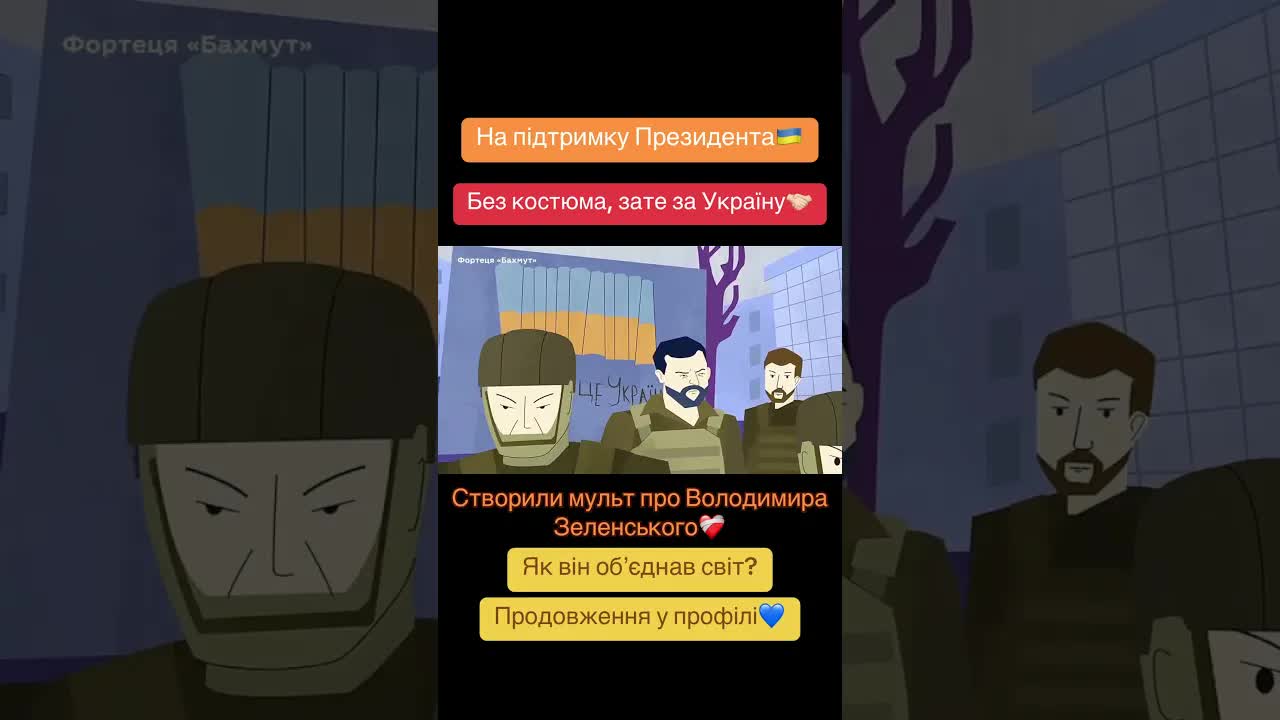





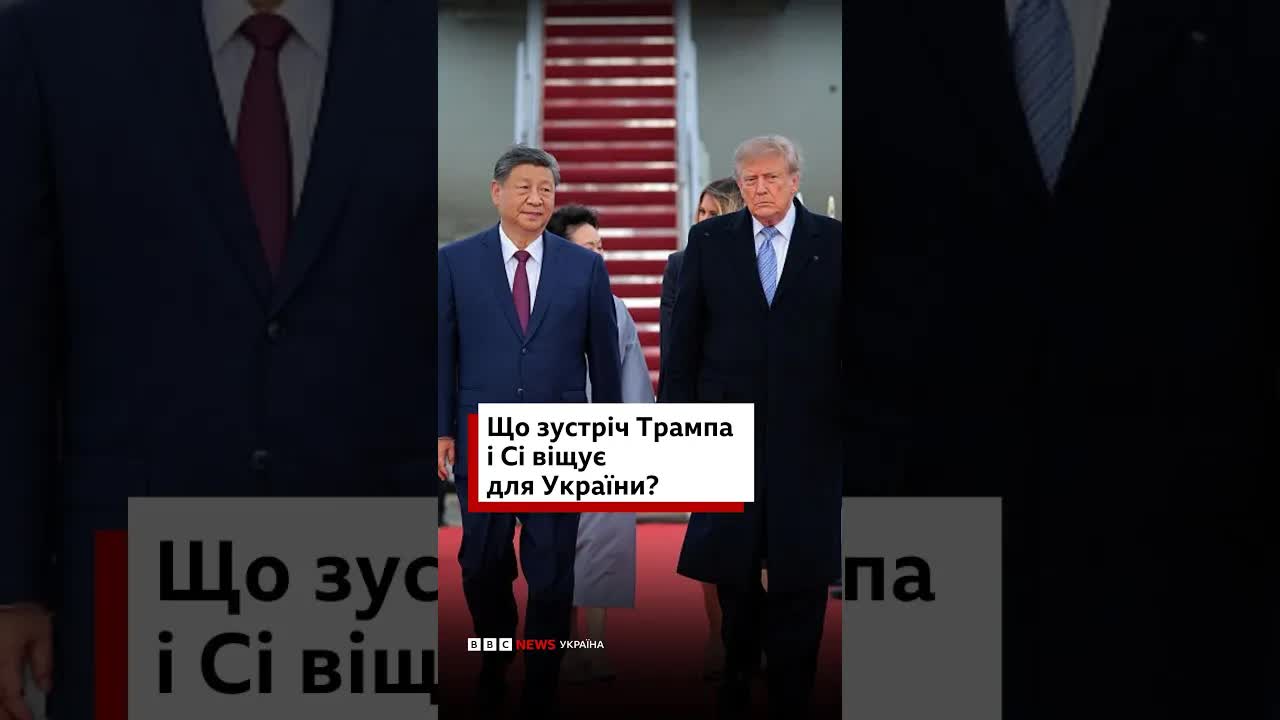







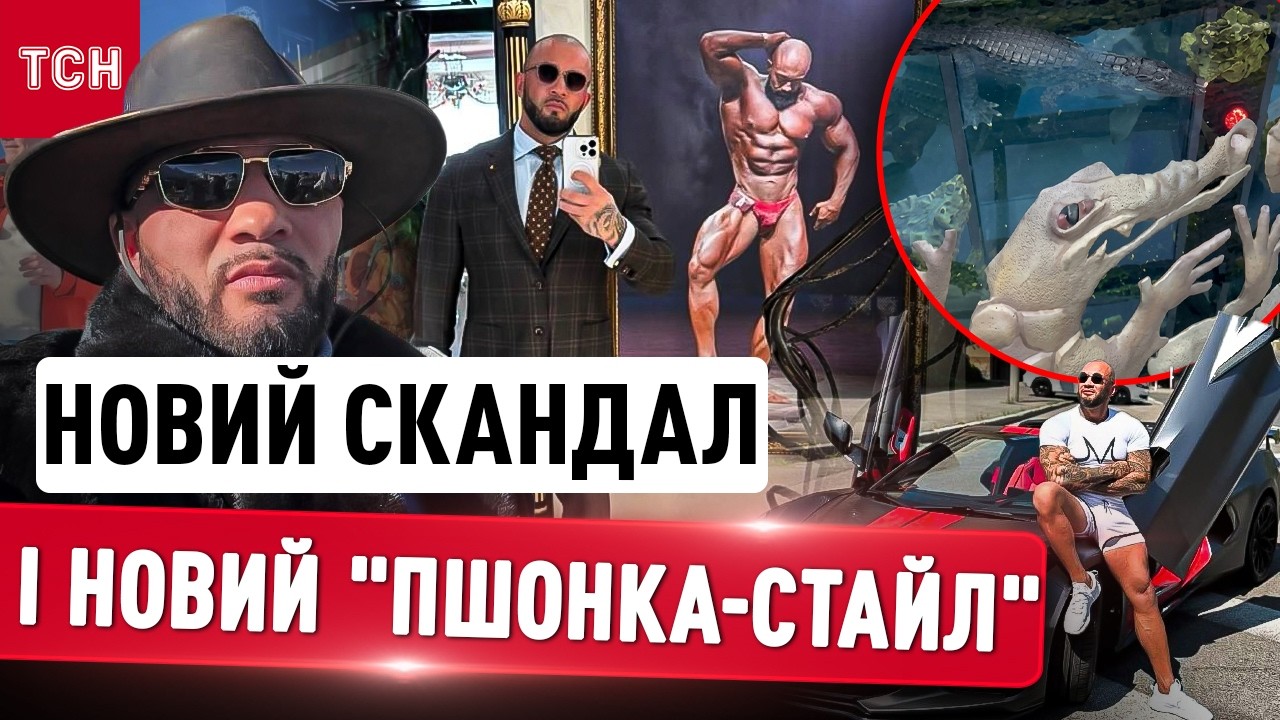





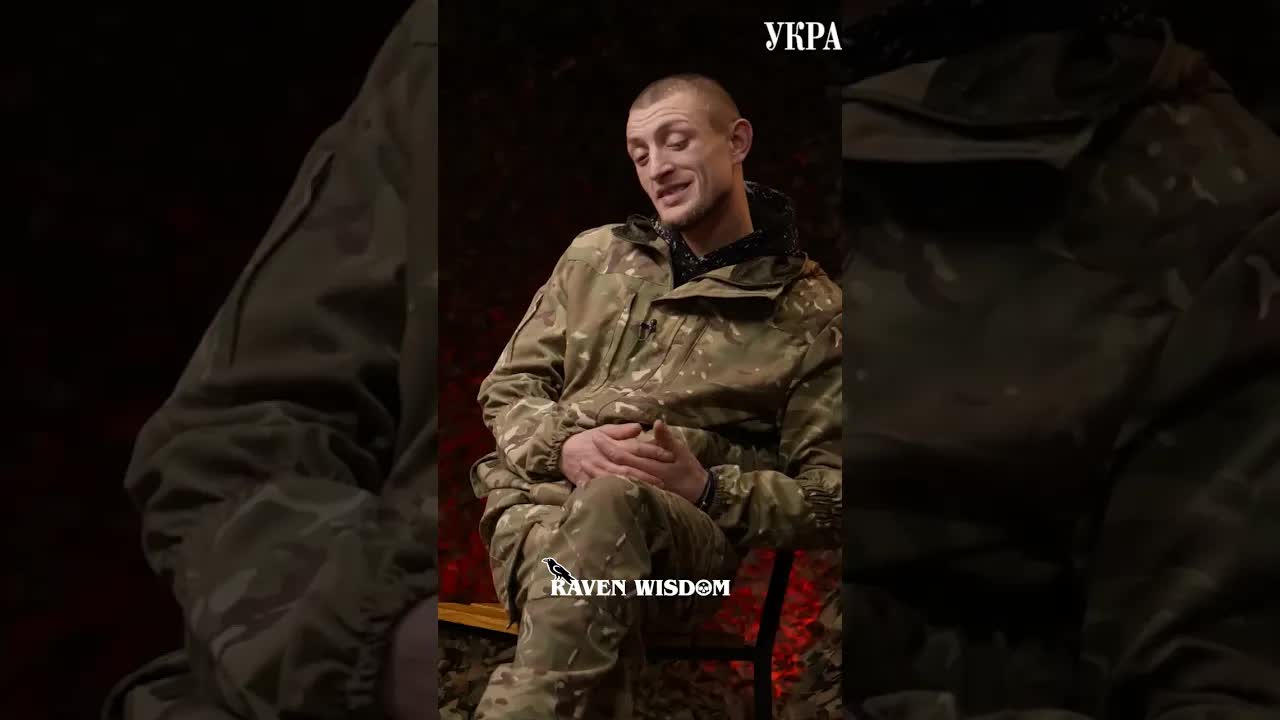


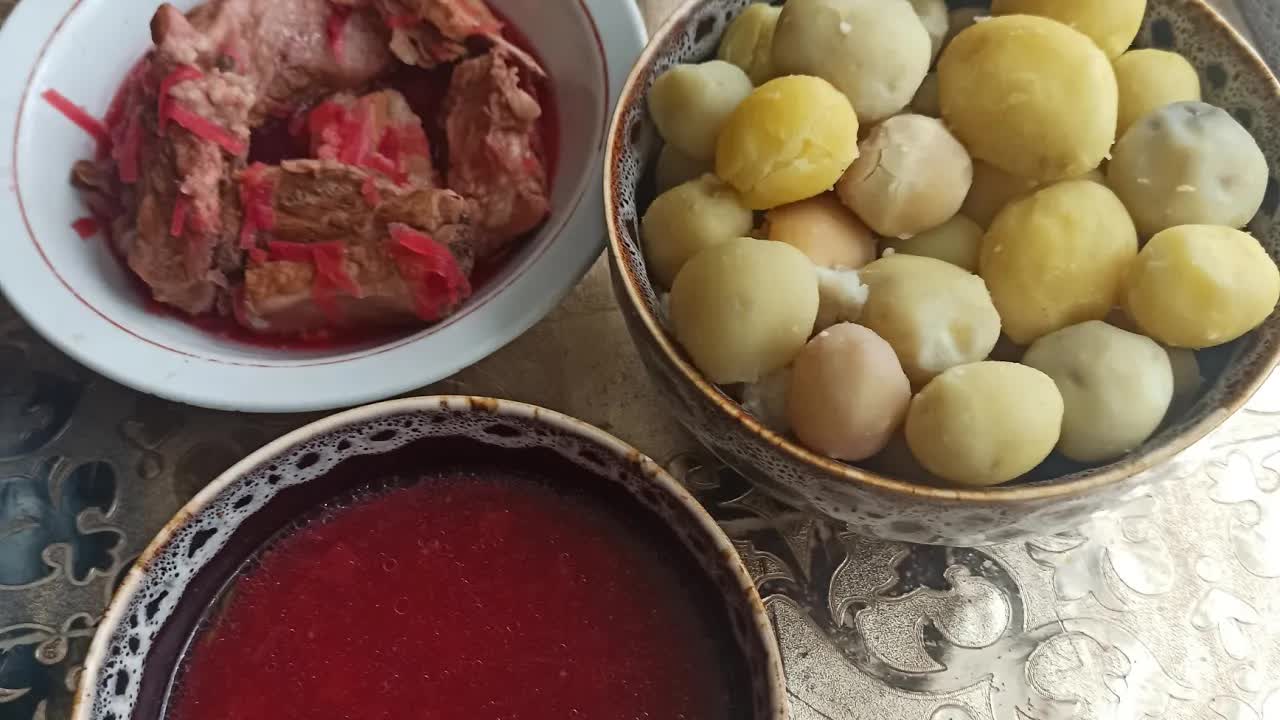

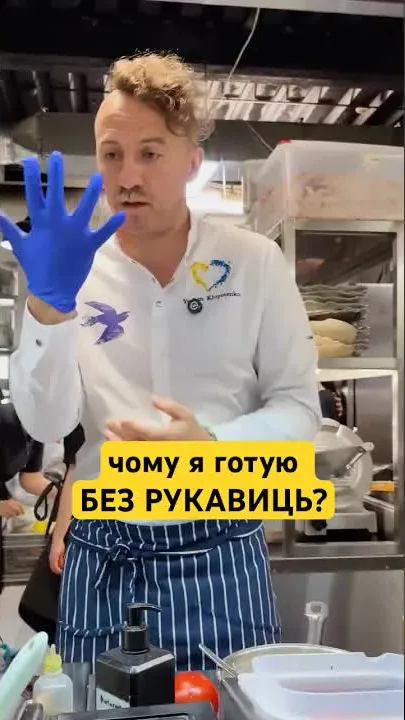
More Ukrainian videos are waiting in the feed and the app.
Is Reelang the best app to learn Ukrainian?
It depends on where you are. If you’re starting from zero, a structured course app like Duolingo is a good first step. Once you know the basics, from about A2, the hard part is understanding real people, and that’s what Reelang is for: real Ukrainian videos at your level, with help when you need it. You can use both.
- Real Ukrainian, not scripts: no actors and no textbook dialogues, just the way people actually talk.
- Always at your level: every clip is graded by level and speaking speed, and the feed adapts as you watch.
- The accents you’ll meet: Standard Ukrainian, Surzhyk, and Western Ukrainian.
- Built for listening: most Ukrainian apps teach words and grammar drills. Reelang trains your ear on real conversations.
Ukrainian videos by level
Find Ukrainian videos at your level, then stretch upward as casual speech, fast delivery, and regional vocabulary stop feeling unfamiliar.
Ukrainian accents and regional varieties
Hear Ukrainian from native speakers across Ukraine and the wider Ukrainian-speaking world.
Standard Ukrainian, Surzhyk and the West
Most clips here are in standard Ukrainian, the language of the news, schools and most creators. Surzhyk is everyday speech that mixes Ukrainian and Russian words and grammar, and you’ll hear it in sketches and family comedy, like this one about a підкат, slang for a flirty move borrowed from a football tackle. Clips are tagged, so you can stick to standard Ukrainian while you learn.
Western Ukrainian has its own melody and local words. Many of those clips come from the Carpathians and Zakarpattia, home of the вечорниці, the village evenings of song and food that local restaurants now bring back.
Coming from Russian? Expect familiar roots and plenty of new words. Asked what she tells Oleksandr Usyk before a fight, his wife answers with кохаю: Ukrainian keeps a separate verb for romantic love, where Russian uses любить for everything.
Grew up hearing Ukrainian?
If you grew up hearing Ukrainian at home, maybe mixed with Russian as it is in many families, you already understand more than you think. Real conversations in standard Ukrainian, from the news to comedy, help you follow it at full speed and find the standard words for what you hear at home.
How it works
Questions about learning Ukrainian with Reelang
What is the best app to learn Ukrainian with real videos?
Reelang is built for it: a free feed of real Ukrainian videos from native speakers, graded by level, speaking speed and accent, that adapts as you watch.
How does Reelang figure out my level?
It starts you on easier clips and adjusts from what you follow, skip and look up. There’s no placement quiz.
What is the Reelang Ukrainian video feed?
A TikTok-style feed of real Ukrainian videos from native speakers, graded by level and speaking speed and tagged by accent. It learns from how you watch and keeps serving clips at your level.
What is comprehensible input?
Comprehensible input is Ukrainian you can mostly understand, with a little that’s new. Linguist Stephen Krashen argued it’s how we acquire languages, and it’s the idea Reelang is built on.
Reelang takes it a step further with word frequency. It ranks every word in every video by how often it’s used in everyday Ukrainian, and keeps track of which words you already know. So instead of videos that are only roughly your level, your feed picks the ones made of words you know, plus the most frequent words you haven’t learned yet. Comprehensible input, made for you.
Does Reelang explain the words in each video?
Tap any word for its meaning. With Reelang+, Learner Insights also explain the culture, idioms and slang behind a clip.
A few Ukrainian words and phrases our explanations cover, from recent videos:
- тушити (tushyty): "to stew"; also "to put out" a fire
- обов'язково (obovjazkovo): definitely, be sure to
- міряти (miriaty): "to try on" (and literally "to measure")
- пампушка (pampushka): Пампушка is the soft yeast bun Ukrainians serve with borscht, and its name travelled from German Pfannkuchen via Polish.
- кохаю (kokhaiu): "I love (you)", for romantic love; любити is love in general
Why short videos from native speakers?
Short clips let you hear many more speakers, accents and situations in the same time, so your ear gets used to Ukrainian as people actually speak it.
How does Reelang know if a video is too fast or too hard?
Every clip is analysed for how it’s spoken, not just which words it uses: speaking speed in words per minute, how often the speaker pauses, how many words come out between pauses, and how much of the clip is speech. With its vocabulary level, that lets the feed match both what you know and how fast you can follow.
What if I don’t know a word?
Tap it to see what it means, in your own language. With Reelang+, the words you look up come back in new clips.
Which Ukrainian words should I focus on first?
The most common ones. Smart Subtitles show how common each word is, so you can tell which words are worth learning now.
Which levels does it cover?
Beginner (A1) to Advanced (C1). It works best from about A2 upward.
Do I need an account? Is it free?
The Ukrainian feed is free and you can start without signing up. Reelang+ adds a personalized feed and words that come back in new clips.
Is Ukrainian similar to Russian?
They’re related East Slavic languages and share many words, but Ukrainian has its own sounds, grammar and everyday vocabulary: дякую (thank you), так (yes), кохати (to love someone romantically). It also keeps a vocative case for calling to people: мамо!, друже! If you know Russian you’ll recognise a lot, but you still need to train your ear on Ukrainian itself.
What is Surzhyk?
Surzhyk is a mix of Ukrainian and Russian used in everyday speech in parts of Ukraine, especially in the center, south and east. It isn’t a standard language, and it varies from speaker to speaker. On Reelang, Surzhyk clips are tagged separately, so you can choose whether to include them.
How is Reelang different from a typical language app?
Most apps teach with drills and scripted audio. Reelang trains listening on real Ukrainian the way people actually speak it.
How much should I watch?
Little and often works best. A daily session you enjoy beats a long one you skip.
About this hub
About comprehensible input in Ukrainian
What is comprehensible input?
Comprehensible input is language you can mostly follow, with a small amount that is still new. The idea is often associated with Stephen Krashen: people acquire language by understanding meaningful messages, not only by memorizing rules in isolation. Ukrainian is a clear case for it: the case system, verb aspect, and softening of consonants become natural through exposure faster than through tables.
Why real reels, not textbook dialogues
Learners coming from Russian or Polish sometimes expect Ukrainian to be predictable from what they already know. The sound system, the melody, and a lot of the everyday vocabulary are its own, and spoken Ukrainian compresses things in ways the written form keeps spelled out. Reelang uses unscripted short-form video from native speakers so Ukrainian arrives as a language in its own right, not a remix of any other.
How to use this library
Start with your level. From there, browse by topic depending on what you want to work on. If reading Ukrainian is comfortable and listening still slips past, more listening at a level you can stay with closes the gap. Pick topics you would watch anyway and let the ear catch up.
Want a full roadmap? Read our guide to comprehensible input.