Romanian listening practice · A1 · Beginner
What does “dârdâie” mean in Romanian?
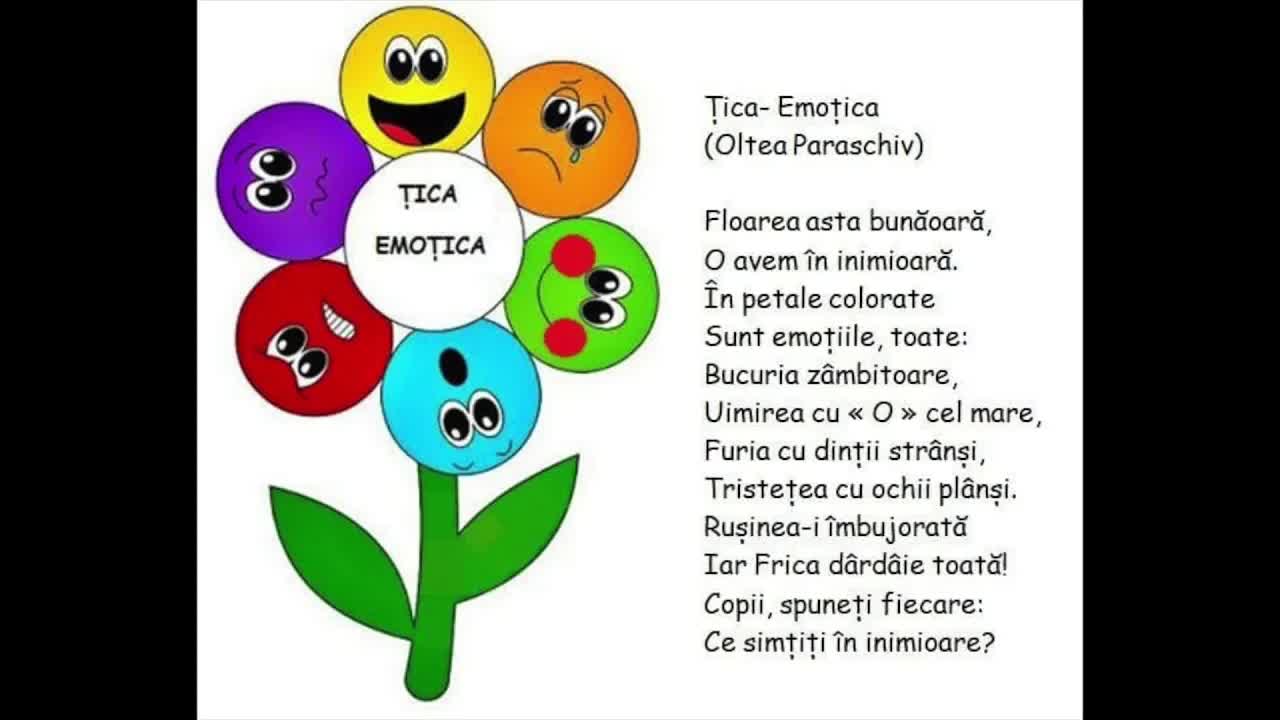
Poezia Emoțiilor pentru Copii
In this clip you’ll learn 10 words, including furia (anger), petale (petals), and cu dinții strânși (with clenched teeth).


From Paraschiv Ionut on YouTube. Watch original
to shiver or tremble, from cold or fear
A dârdâi means to shiver or tremble, whether from cold or from fear. The word sounds like the chattering it describes, with the repeated d-r-d rhythm. It is a vivid everyday verb, and it works for a person shivering in winter or for someone trembling with nerves. Its past participle is dârdâit.
In a children’s poem about emotions, fear is described this way: “iar frica dârdâie toată”, fear trembles all over. Dârdâie is the third-person present, so the sentence says that fear itself is shaking. In the same poem, rușinea-i îmbujorată describes shame as blushing. Together they show how Romanian pairs feelings with physical reactions.
Words you’ll learn in this clip
Each word with what it means in this clip and the line it is said in.
- ▶ 0:01One of the 5,000 most common wordsfuriaanger
“Floarea asta bunăoară o avem în inimioară, în petale colorate sunt emoțiile toate: bucuria zâmbitoare, uimirea cu O cel mare, furia cu dinții strânși, tristețea cu ochii plânși,”
Checked by Adrian, a native speaker - ▶ 0:01A rarer word, outside the 5,000 most commonpetalepetals
“Floarea asta bunăoară o avem în inimioară, în petale colorate sunt emoțiile toate: bucuria zâmbitoare, uimirea cu O cel mare, furia cu dinții strânși, tristețea cu ochii plânși,”
Checked by Adrian, a native speaker - ▶ 0:01Phrasecu dinții strânșiwith clenched teeth
“Floarea asta bunăoară o avem în inimioară, în petale colorate sunt emoțiile toate: bucuria zâmbitoare, uimirea cu O cel mare, furia cu dinții strânși, tristețea cu ochii plânși,”
Checked by Adrian, a native speaker - ▶ 0:01A rarer word, outside the 5,000 most commonuimireaamazement
“Floarea asta bunăoară o avem în inimioară, în petale colorate sunt emoțiile toate: bucuria zâmbitoare, uimirea cu O cel mare, furia cu dinții strânși, tristețea cu ochii plânși,”
Checked by Adrian, a native speaker - ▶ 0:01A rarer word, outside the 5,000 most commoncoloratecolored
“Floarea asta bunăoară o avem în inimioară, în petale colorate sunt emoțiile toate: bucuria zâmbitoare, uimirea cu O cel mare, furia cu dinții strânși, tristețea cu ochii plânși,”
Checked by Adrian, a native speaker - ▶ 0:01One of the 5,000 most common wordsemoțiileemotions
“Floarea asta bunăoară o avem în inimioară, în petale colorate sunt emoțiile toate: bucuria zâmbitoare, uimirea cu O cel mare, furia cu dinții strânși, tristețea cu ochii plânși,”
Checked by Adrian, a native speaker - ▶ 0:01Phrasebunăoarăfor example
“Floarea asta bunăoară o avem în inimioară, în petale colorate sunt emoțiile toate: bucuria zâmbitoare, uimirea cu O cel mare, furia cu dinții strânși, tristețea cu ochii plânși,”
Checked by Adrian, a native speaker - ▶ 0:01A rarer word, outside the 5,000 most commoninimioarălittle heart
“Floarea asta bunăoară o avem în inimioară, în petale colorate sunt emoțiile toate: bucuria zâmbitoare, uimirea cu O cel mare, furia cu dinții strânși, tristețea cu ochii plânși,”
Checked by Adrian, a native speaker - ▶ 0:01A rarer word, outside the 5,000 most commontristețeasadness
“Floarea asta bunăoară o avem în inimioară, în petale colorate sunt emoțiile toate: bucuria zâmbitoare, uimirea cu O cel mare, furia cu dinții strânși, tristețea cu ochii plânși,”
Checked by Adrian, a native speaker - ▶ 0:01A rarer word, outside the 5,000 most commonzâmbitoaresmiling
“Floarea asta bunăoară o avem în inimioară, în petale colorate sunt emoțiile toate: bucuria zâmbitoare, uimirea cu O cel mare, furia cu dinții strânși, tristețea cu ochii plânși,”
Checked by Adrian, a native speaker
How common are the words in this clip?
72.7%
of words are in the top 2,000 most common Romanian words
From our researchHow many words do you need to understand native videos?
More clips like this
Am cumpărat dumplings de la Lidl
Tati, vrem o pisică! Gluma familiei
Răzvan ne alege ținutele legat la ochi
Eric, strânge după câinele tău!
Șarpe pe parbrizul mașinii - Reacție amuzantă
Tati, ghicim sunetul animalelor pentru bani
Learn from real videos
Thousands of clips like this one, matched to your level as you watch.