Free Czech learning app
Czech learning that doesn’t feel like studying
Real native Czech videos at your level.
Czech comes in two versions: the written standard in your textbook and the Czech people actually speak. In Prague and most of Bohemia you’ll hear dobrej for dobrý, mlíko for mléko and vokno for okno. Learn Czech from real TikToks, Reels and YouTube clips by native speakers, sorted by level.
Start with clear, slower clips (children’s TV, recipes, vlogs) and move up as you understand more. Every clip you finish or skip, and every word you look up, tells the feed where you are, so the next one stays just past your level. No quiz first, and no account needed.

Level
Speed
Topic
Recommended Czech videos














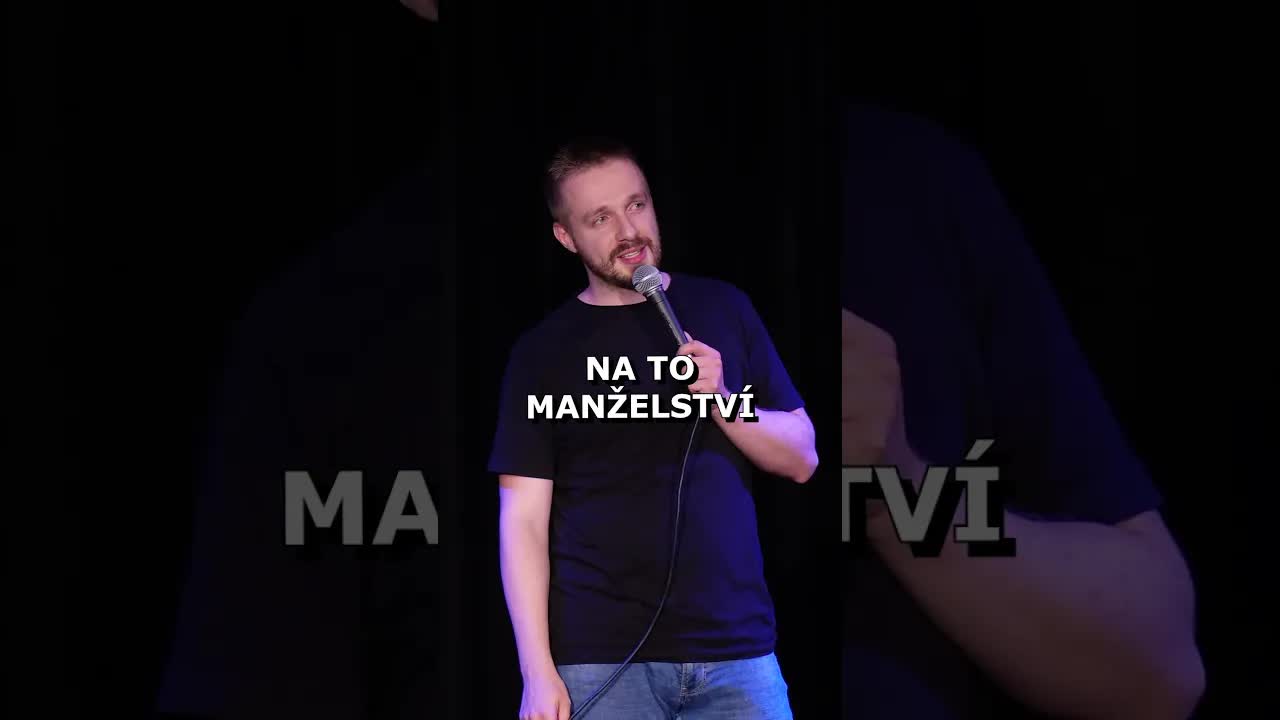

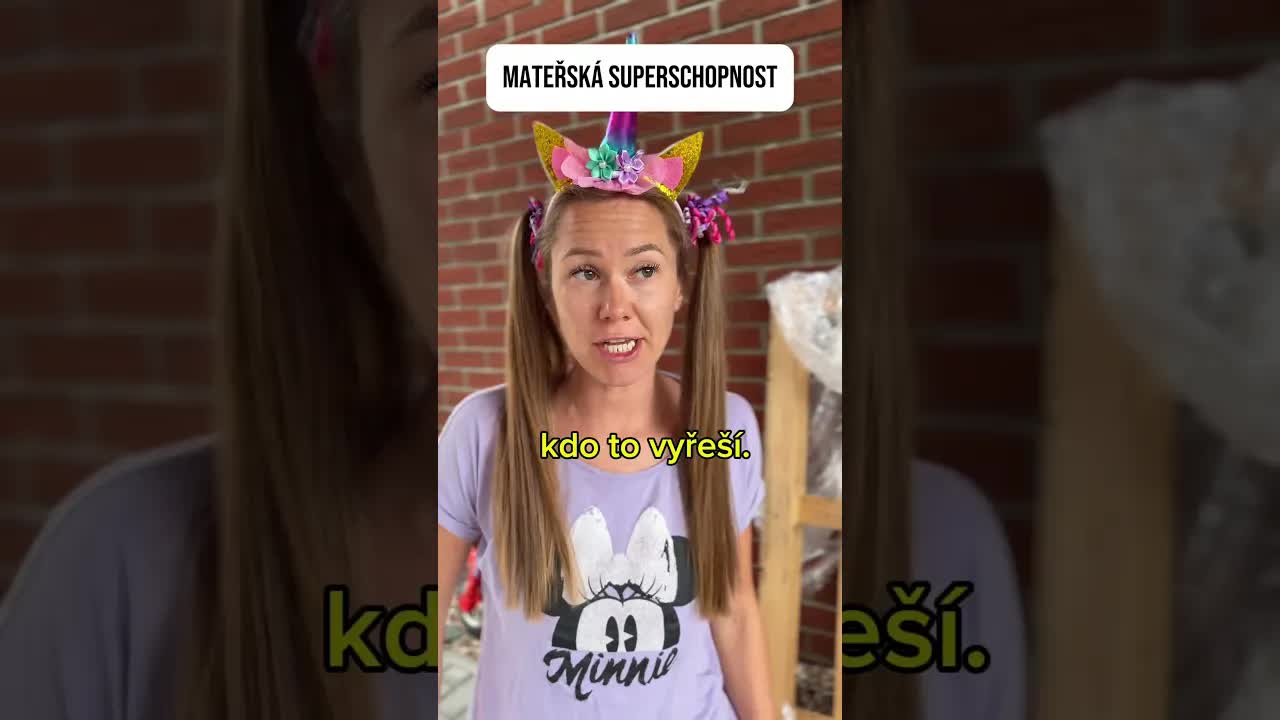


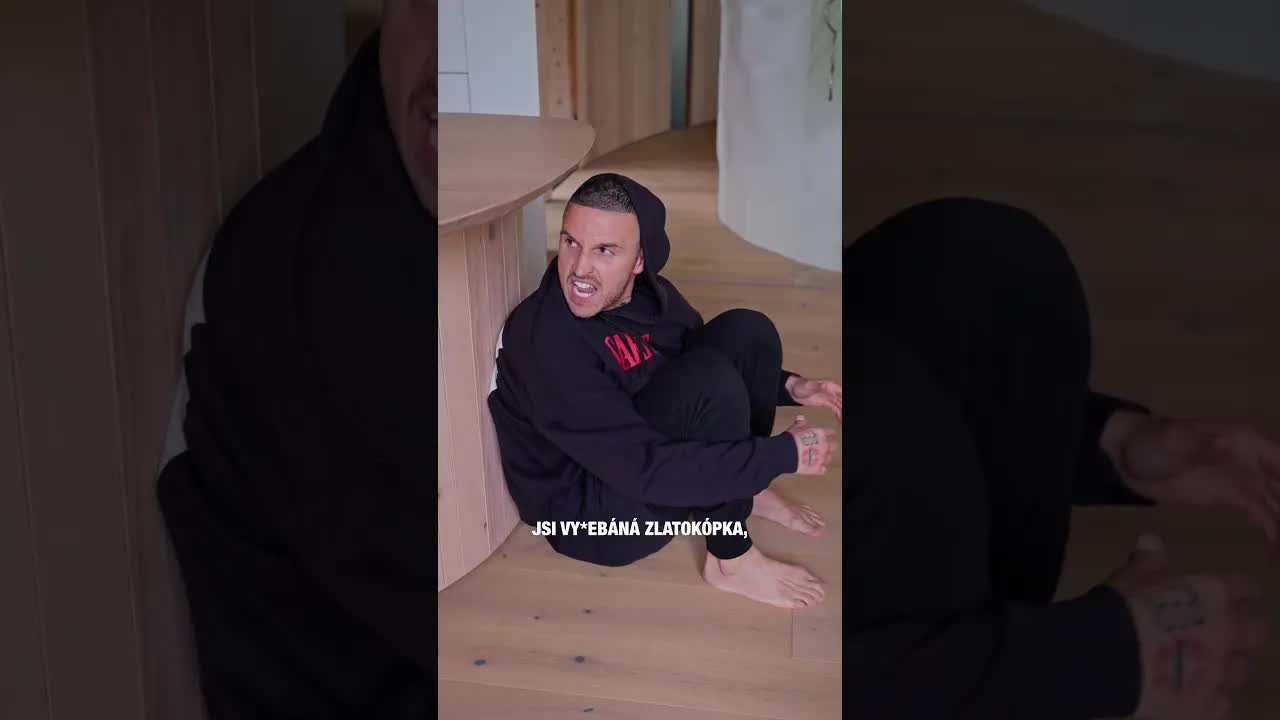

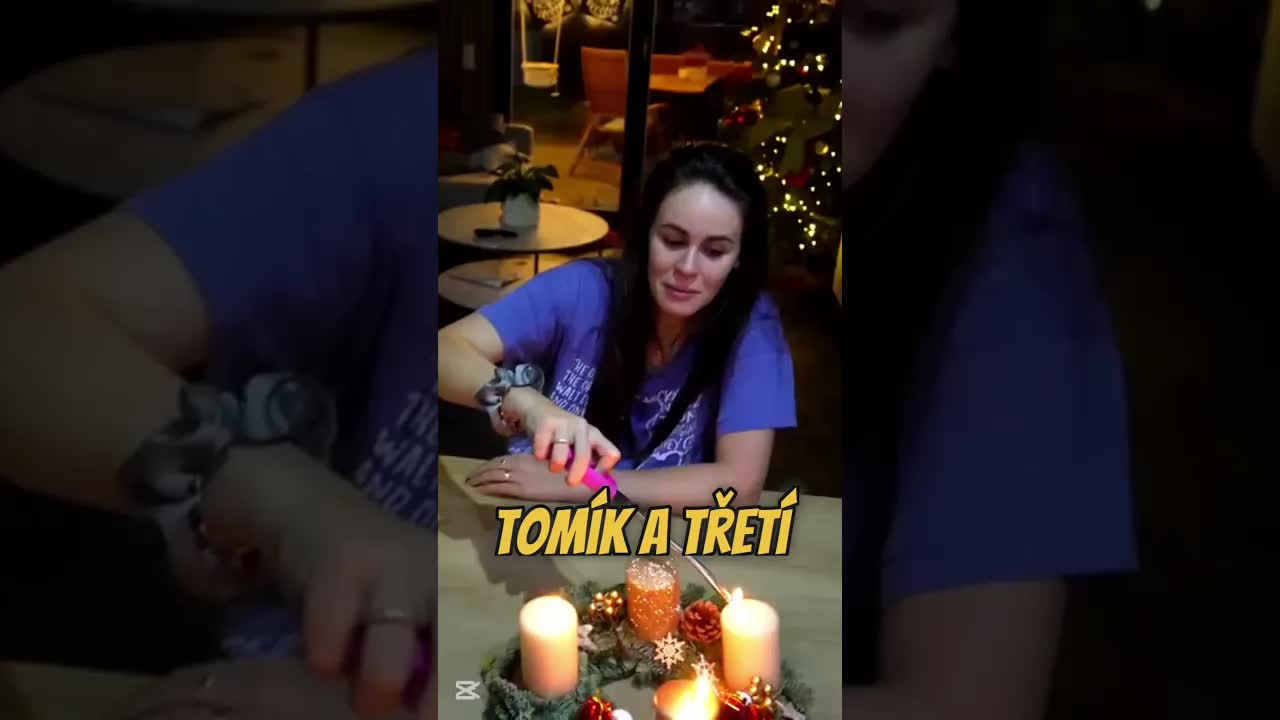
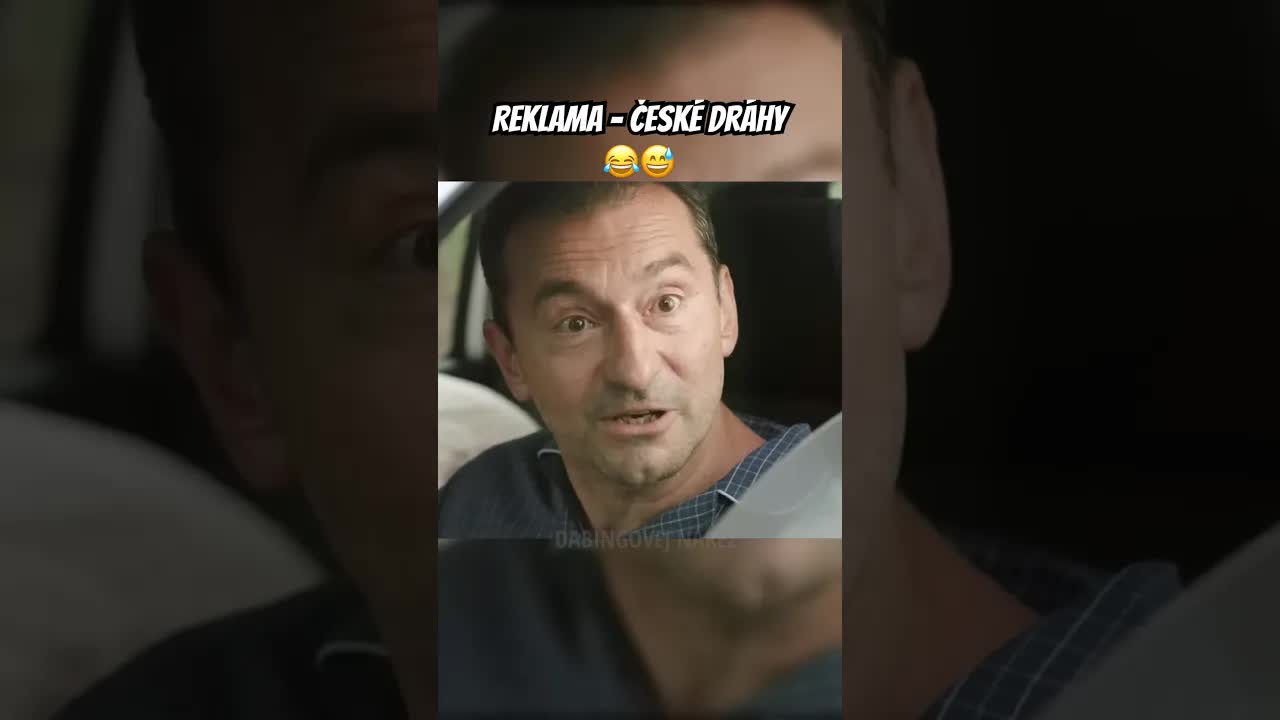

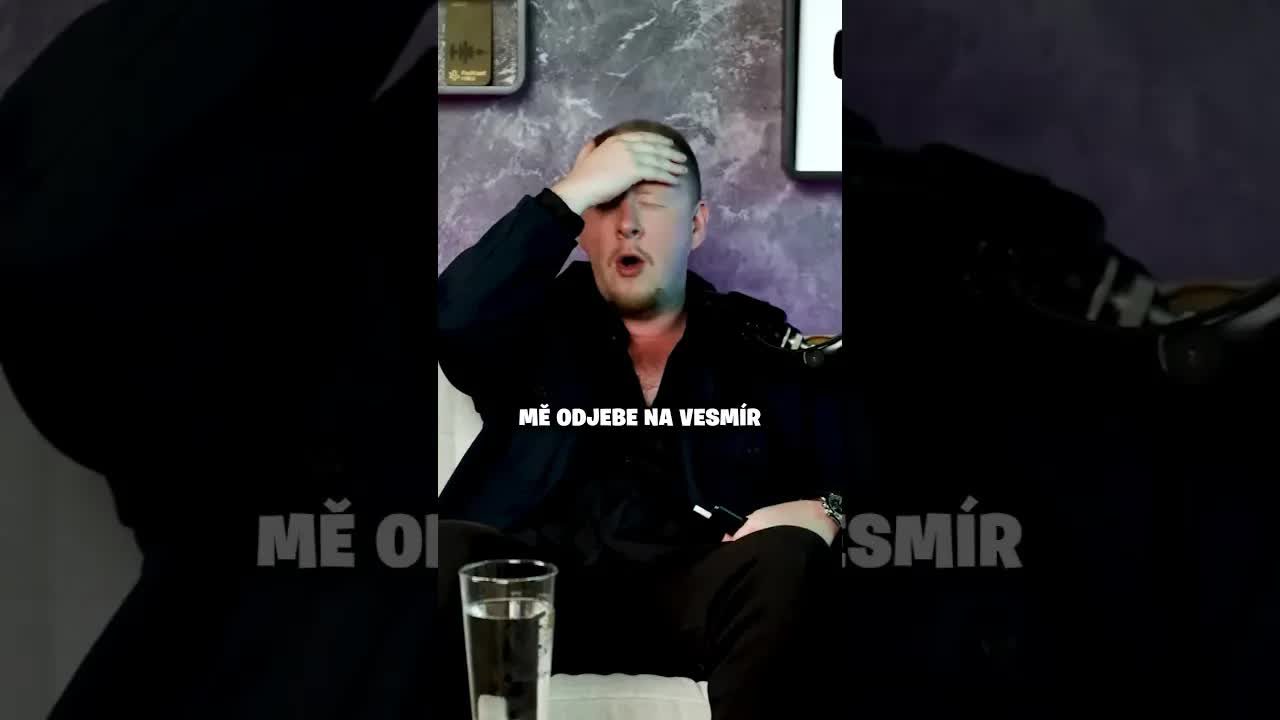

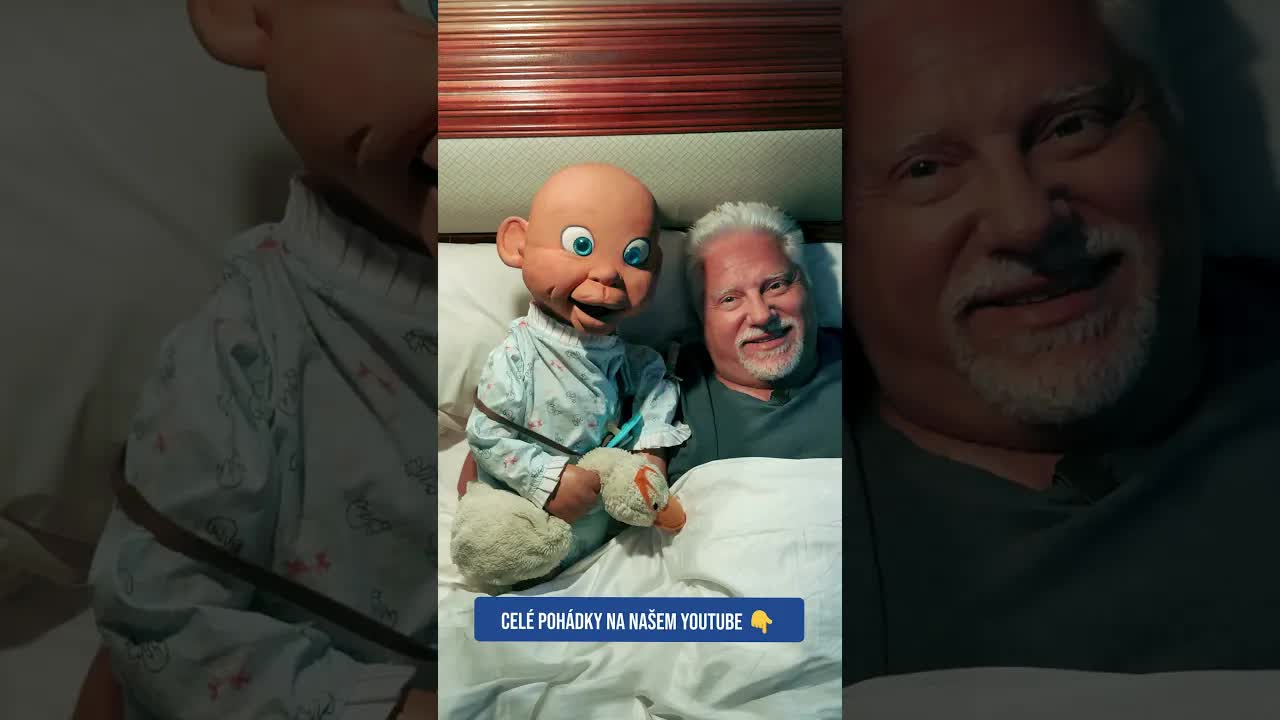
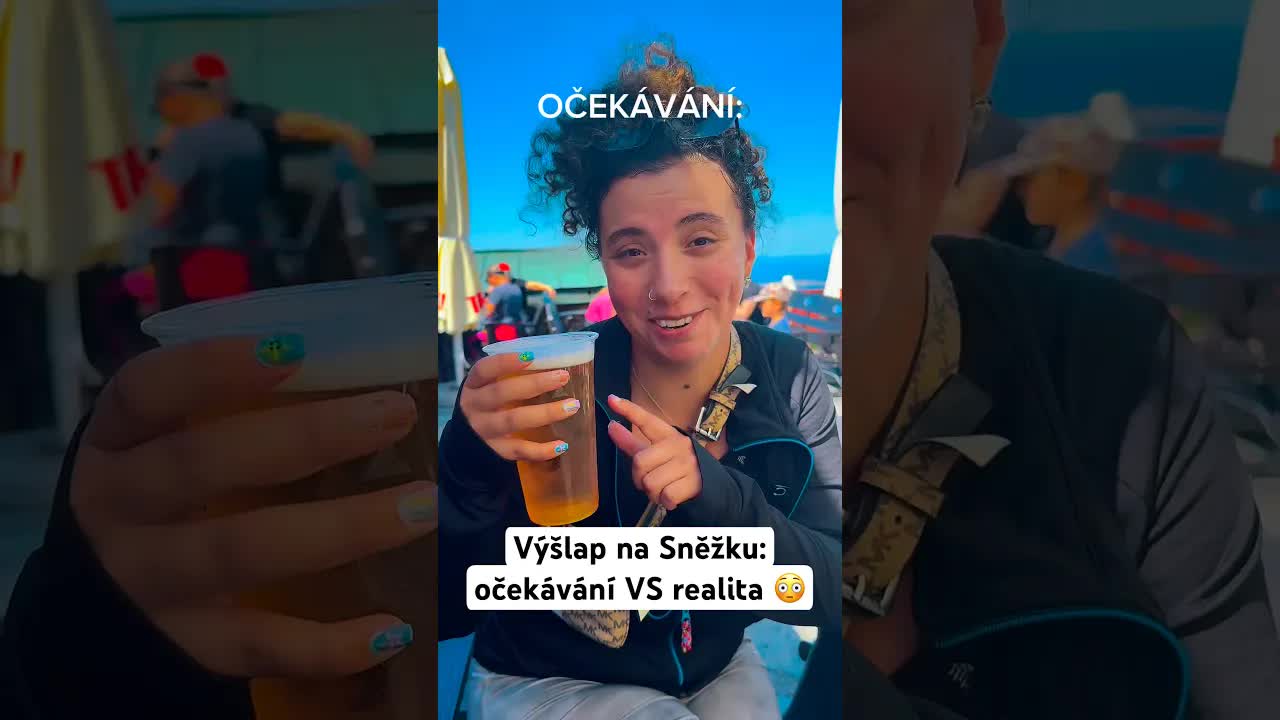







More Czech videos are waiting in the feed and the app.
Is Reelang the best app to learn Czech?
It depends on where you are. If you’re starting from zero, a structured course app like Duolingo is a good first step. Once you know the basics, from about A2, the hard part is understanding real people, and that’s what Reelang is for: real Czech videos at your level, with help when you need it. You can use both.
- Spoken Czech, not only the written kind: the endings, shortcuts and filler words people use at home and online, which a textbook mentions once and real clips repeat every day.
- Always at your level: every clip is graded by level and speaking speed, and the feed adapts as you watch.
- Built for listening: most Czech apps teach words and grammar drills. Reelang trains your ear on real conversations.
Czech videos by level
Find Czech videos at your level, then stretch carefully upward as real spoken Czech starts to feel more familiar.
How it works
Questions about learning Czech with Reelang
What is the best app to learn Czech with real videos?
Reelang is built for it: a free feed of real Czech videos from native speakers, graded by level, speaking speed and accent, that adapts as you watch.
How does Reelang figure out my level?
It starts you on easier clips and adjusts from what you follow, skip and look up. There’s no placement quiz.
What is the Reelang Czech video feed?
A TikTok-style feed of real Czech videos from native speakers, graded by level and speaking speed and tagged by accent. It learns from how you watch and keeps serving clips at your level.
What is comprehensible input?
Comprehensible input is Czech you can mostly understand, with a little that’s new. Linguist Stephen Krashen argued it’s how we acquire languages, and it’s the idea Reelang is built on.
Reelang takes it a step further with word frequency. It ranks every word in every video by how often it’s used in everyday Czech, and keeps track of which words you already know. So instead of videos that are only roughly your level, your feed picks the ones made of words you know, plus the most frequent words you haven’t learned yet. Comprehensible input, made for you.
Does Reelang explain the words in each video?
Tap any word for its meaning. With Reelang+, Learner Insights also explain the culture, idioms and slang behind a clip.
A few Czech words and phrases our explanations cover, from recent videos:
- samolepka: A samolepka is a sticker: literally a self-sticking thing.
- motýlek: Czech calls a bow tie a motýlek, a little butterfly.
- ségra: Ségra is everyday Czech for sister; the brother is brácha.
- smaženice: Smaženice: the Czech fried mushrooms-and-eggs dish that people go picking for.
- zaskočit: Zaskočit: drop in, catch off guard, stand in, or food going down the wrong way.
Why short videos from native speakers?
Short clips let you hear many more speakers, accents and situations in the same time, so your ear gets used to Czech as people actually speak it.
How does Reelang know if a video is too fast or too hard?
Every clip is analysed for how it’s spoken, not just which words it uses: speaking speed in words per minute, how often the speaker pauses, how many words come out between pauses, and how much of the clip is speech. With its vocabulary level, that lets the feed match both what you know and how fast you can follow.
What if I don’t know a word?
Tap it to see what it means, in your own language. With Reelang+, the words you look up come back in new clips.
Which Czech words should I focus on first?
The most common ones. Smart Subtitles show how common each word is, so you can tell which words are worth learning now.
Which levels does it cover?
Beginner (A1) to Advanced (C1). It works best from about A2 upward.
Do I need an account? Is it free?
The Czech feed is free and you can start without signing up. Reelang+ adds a personalized feed and words that come back in new clips.
How do you pronounce the Czech ř?
Ř is a rolled r and a ž (the s in “pleasure”) said at the same time: the tip of your tongue trills while it stays close to the roof of your mouth. You hear it in tři (three), Dvořák and řeka (river). After t, p or k, as in tři, it comes out closer to “sh”. It’s one of the last sounds Czech children learn, so give it time. Hearing it in hundreds of words first makes it much easier to copy.
Can Czech speakers understand Slovak?
Mostly, yes. Czech and Slovak are separate languages, but close enough that people can talk, each in their own language, and get by, especially those who grew up with shared TV before Czechoslovakia split in 1993. Younger Czechs hear less Slovak and find it harder than Slovaks find Czech. A few clips here mix the two. If you learn one, the other comes much faster.
Is Czech hard to learn?
The grammar takes time: seven cases, verbs that come in pairs (dělat for doing, udělat for getting it done) and phrases like strč prst skrz krk, “stick a finger through your throat”, with no vowels at all. But standard Czech is spelled the way it sounds, so once your ear knows a word you can read it, and the other way round. The endings take patience, and listening is what makes them feel natural.
How is Reelang different from a typical language app?
Most apps teach with drills and scripted audio. Reelang trains listening on real Czech the way people actually speak it.
How much should I watch?
Little and often works best. A daily session you enjoy beats a long one you skip.
About this hub
About comprehensible input in Czech
What is comprehensible input?
Comprehensible input is language you can mostly follow, with just enough unfamiliar material to keep pulling you forward. The idea is often associated with Stephen Krashen, who argued that people acquire language by understanding meaningful messages, not only by memorizing rules. For Czech learners, that idea matters because Czech can look intimidating on paper long before it becomes understandable in real life. Tables and explanations may tell you what is happening, but repeated exposure is what makes the language start to feel familiar. On Reelang, comprehensible input means real Czech short-form videos that are understandable enough to stay with, while still helping your ear adjust to how Czech actually sounds.
Why real reels, not textbook dialogues
A lot of Czech learning materials focus so heavily on explanation that learners do not get enough time with the language itself. You learn the case system, verb patterns, and forms in theory, but real Czech still feels fast, dense, and slightly out of reach when native speakers start talking. That is where Reelang is different. Instead of giving you only cleaned-up dialogues written to illustrate one point at a time, it gives you real short-form video from native speakers. That means you hear Czech where it actually lives: in reactions, stories, routines, opinions, jokes, and everyday conversation. The grammar is still there, but now it arrives inside meaning. Over time, that changes the experience of learning Czech. It stops feeling like a language made of charts and starts feeling like a language you can actually catch.
How to use this catalog
Start with your level. From there, browse by topic depending on what you want to notice. If Czech still feels easier to read than to hear, that is normal. Start with clearer, easier audio and build upward. Grammar browsing is useful when you want repeated exposure to a pattern, but topic browsing is just as important, because interest makes listening easier to stick with. The goal is not to understand every ending on the first pass. The goal is to spend enough time with real Czech that the endings, rhythms, and sentence patterns stop feeling abstract and start feeling familiar.
Want a full roadmap? Read our guide to comprehensible input.