Native Vietnamese Comprehensible Input Video Catalog
Vietnamese, where six tones decide everything.
Real short-form videos from native Vietnamese speakers across the north, centre, and south. Vietnamese has six tones, and the same syllable in two regions can sound noticeably different while still meaning the same thing.
1,322
Vietnamese videos
2
Accents
Start watching in Vietnamese
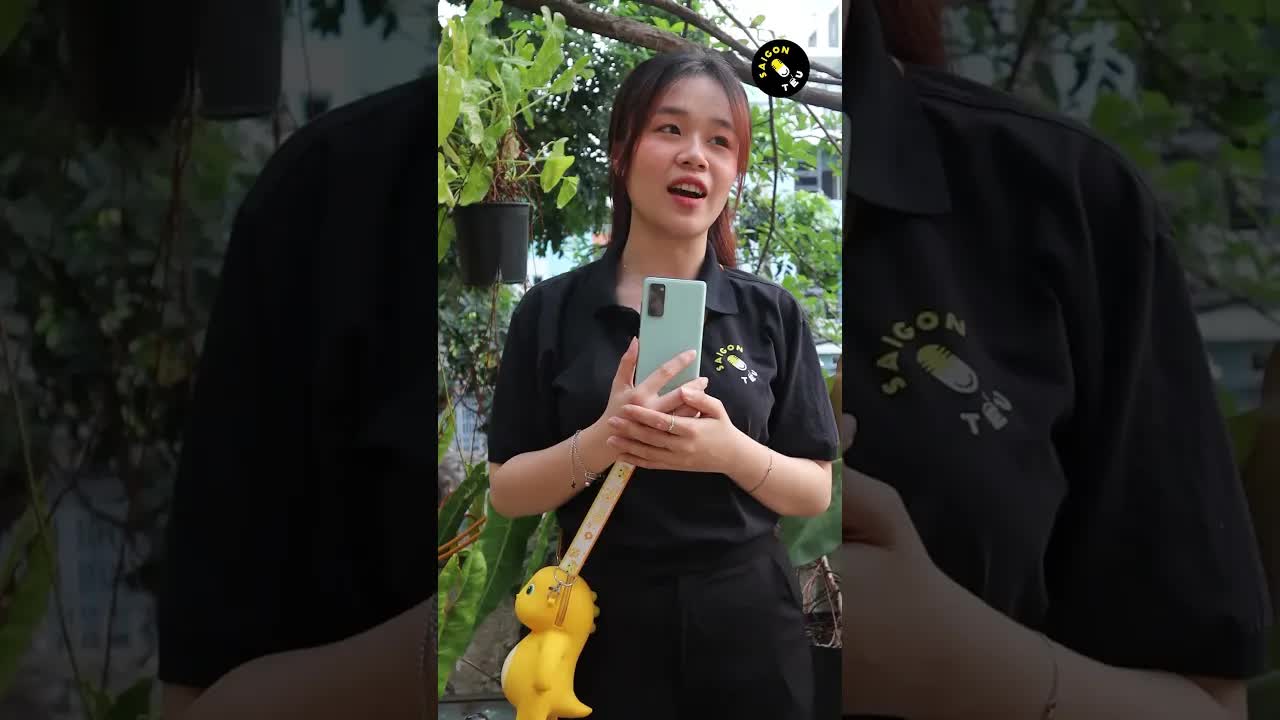
Reelang’s Vietnamese video feed is TikTok-style: real videos from native Vietnamese speakers, graded by level and speech speed, tagged by accent. As you scroll, it learns from how you watch and serves comprehensible input matched to your level.
Not sure? Just watch, we’ll find your level.

Accent
Level
Speed
Topic
Recommended Vietnamese videos
















By Level
Find Vietnamese videos at your level, then stretch upward as tones, regional differences, and casual speech stop throwing your ear.
By Listening Difficulty
Filter by how hard the audio is to follow, including speed, clarity, and how strong the regional tone pattern is.
By Accent
Hear Vietnamese from native speakers across the north, centre, and south of Vietnam, and the wider Vietnamese-speaking world.
By Topic
Explore real Vietnamese by subject, situation, and learner interest, from daily life, food, and family to culture, humor, and work.
About this hub
About comprehensible input in Vietnamese
What is comprehensible input?
Comprehensible input is language you can mostly follow, with a small amount that is still new. The idea is often associated with Stephen Krashen: people acquire language by understanding meaningful messages, not only by memorizing rules in isolation. Vietnamese is a clear case for it, because the tones and regional differences are easier to absorb through hearing than through anything written.
Why real reels, not textbook dialogues
Vietnamese has six tones in the north, often realised differently in central and southern speech. A textbook can list them; only real listening makes them automatic. On top of that, pronouns shift constantly (the word for “I” depends on who you are addressing) and casual speech contracts in ways the page does not show. Reelang uses unscripted short-form video from native speakers so all of that arrives in context.
How to use this catalog
Start with your level, then choose a listening difficulty you can mostly follow. From there, browse by topic depending on what you want to work on. If reading Vietnamese is comfortable and the tones still slip, more listening at a level you can stay with is the answer. Topics you would watch in English are the best starting point; the tones catch up faster than they look like they will.