Native Japanese Comprehensible Input Video Catalog
Japanese, where register changes everything.
Real short-form videos from native Japanese speakers. Casual, polite, and formal Japanese are not three flavours of the same sentence; they are three different sentences, and the one you need depends on who is talking to who.
2,816
Japanese videos
2
Accents
Start watching in Japanese
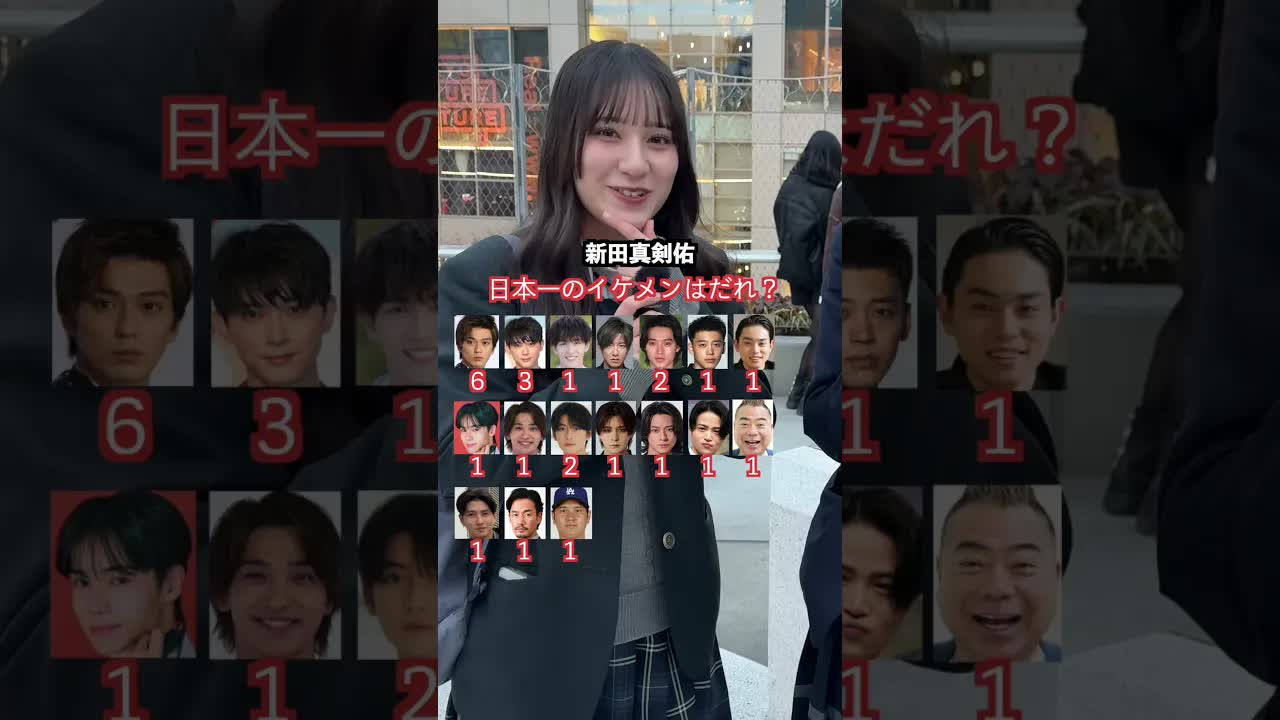
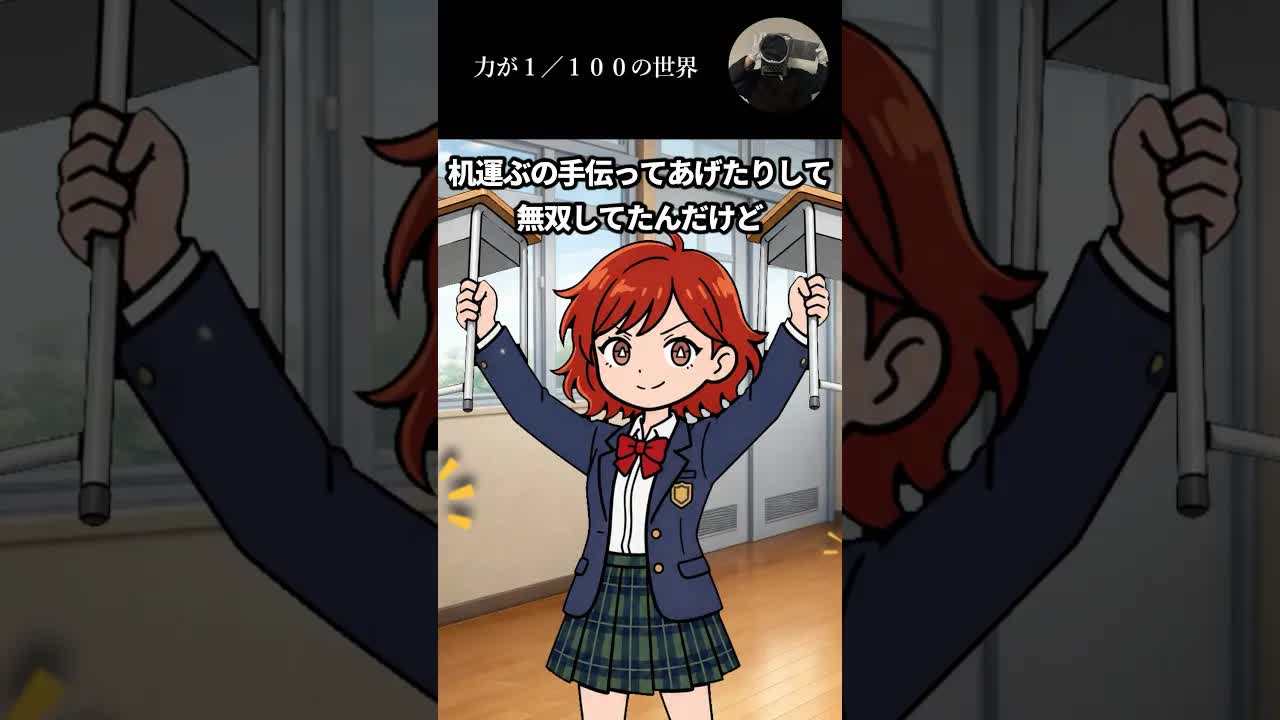
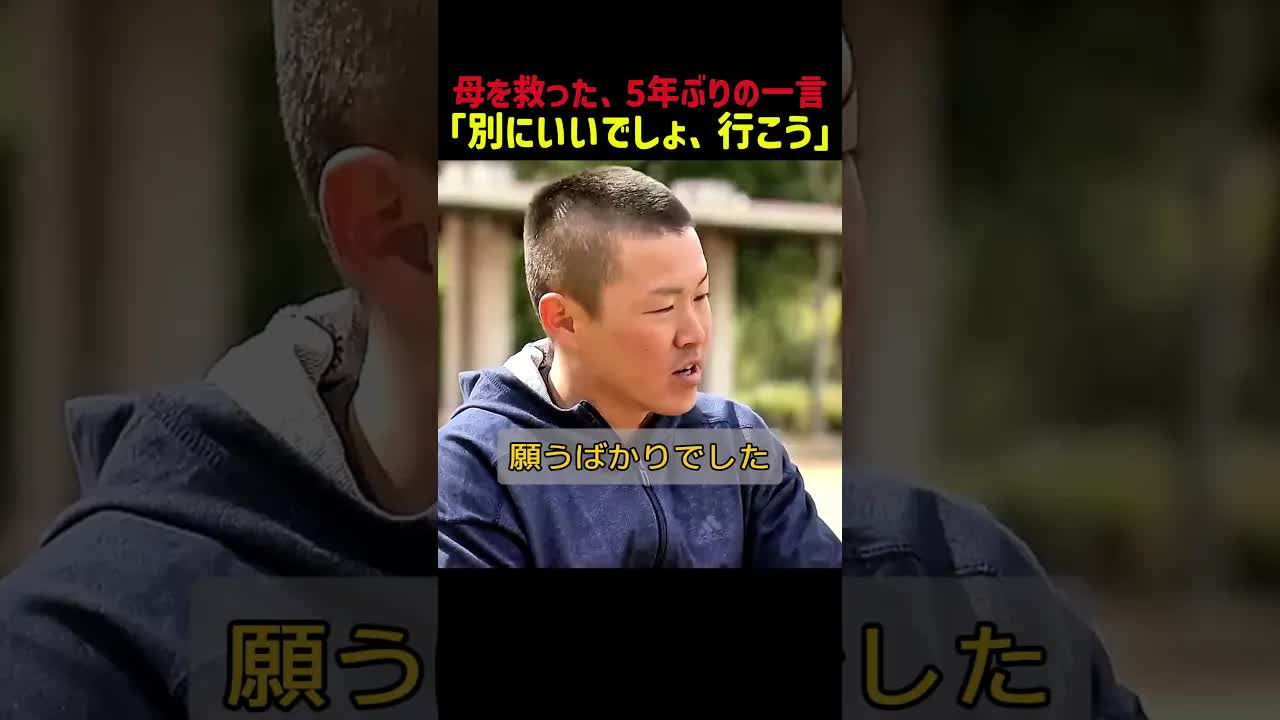
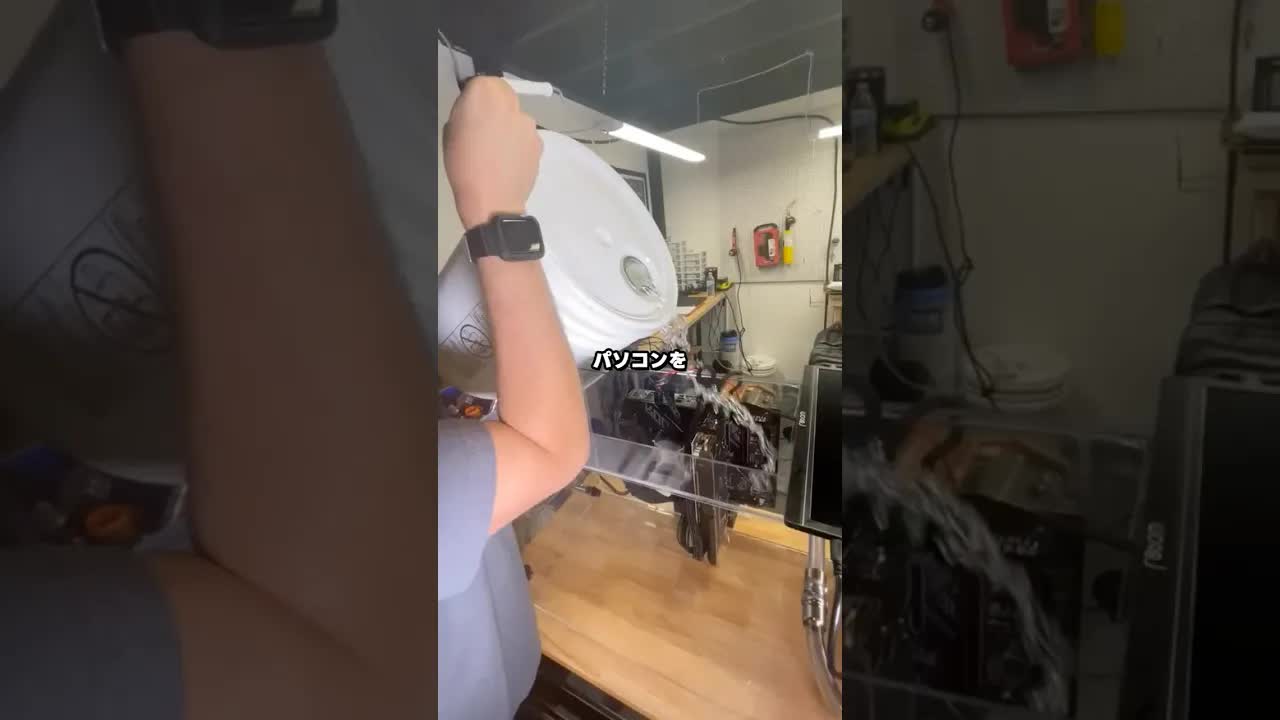
Reelang’s Japanese video feed is TikTok-style: real videos from native Japanese speakers, graded by level and speech speed, tagged by accent. As you scroll, it learns from how you watch and serves comprehensible input matched to your level.
Not sure? Just watch, we’ll find your level.

Accent
Level
Speed
Topic
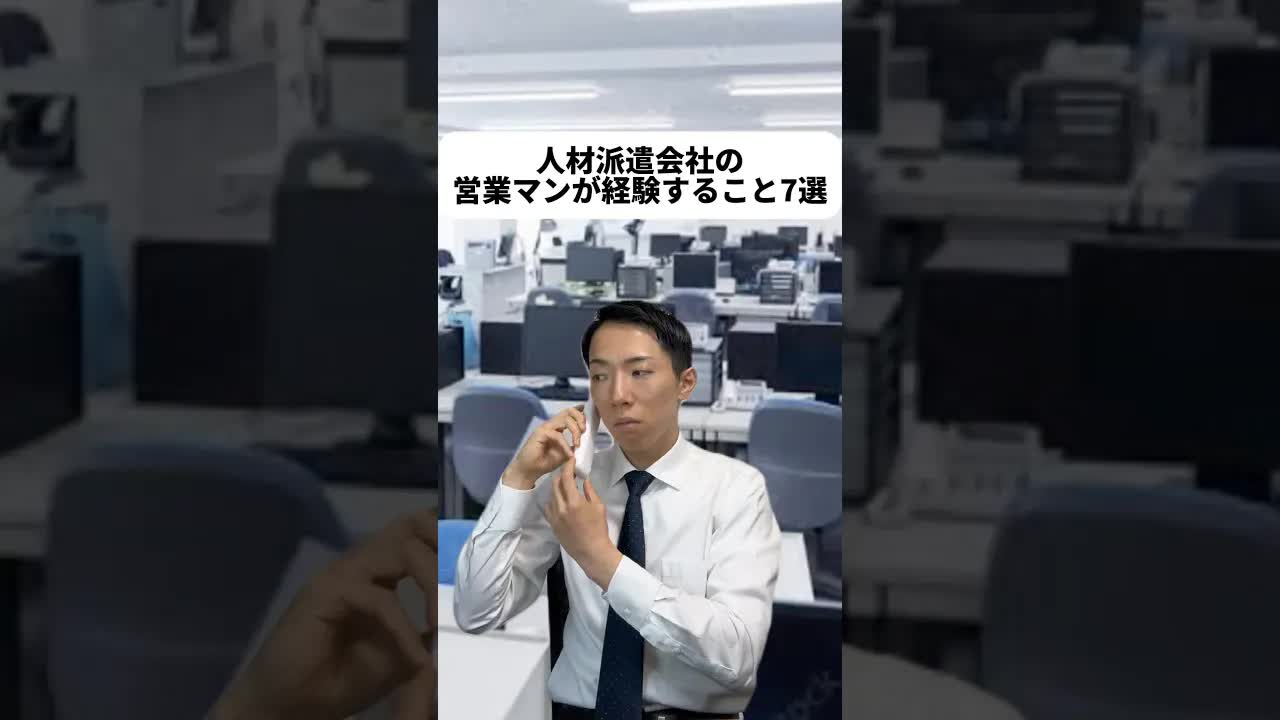
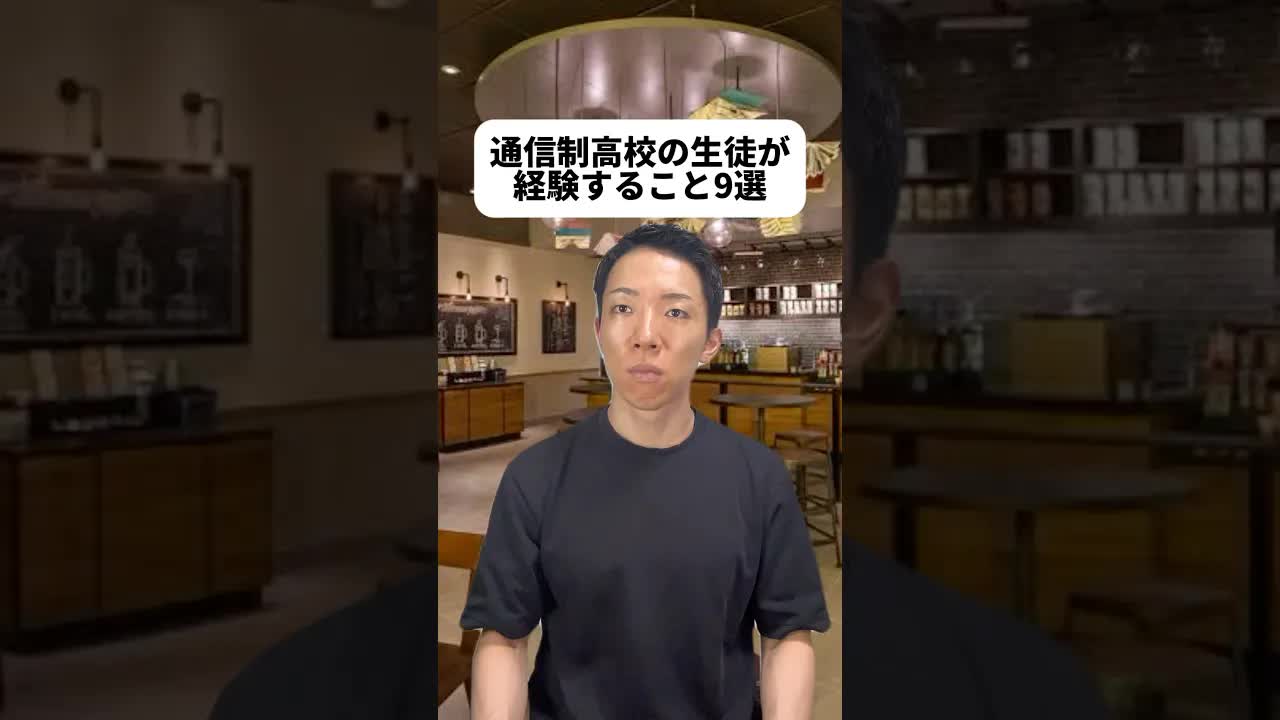
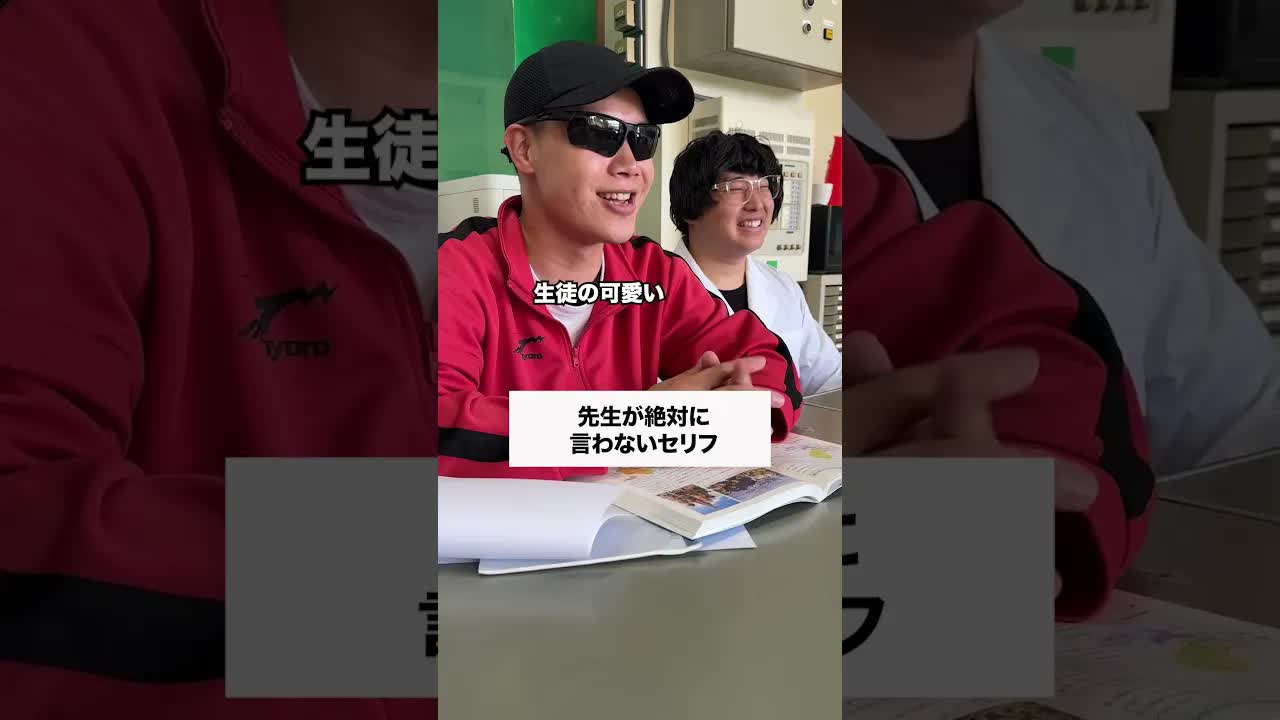
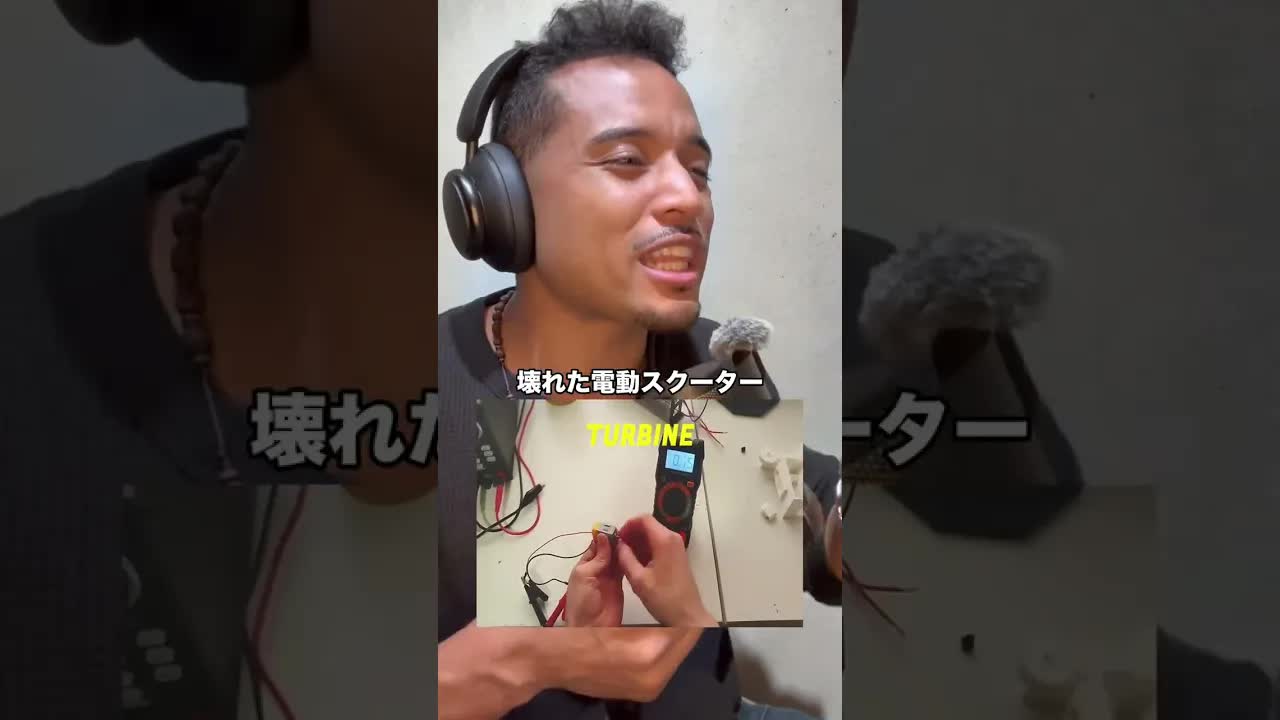
Latest Japanese videos


























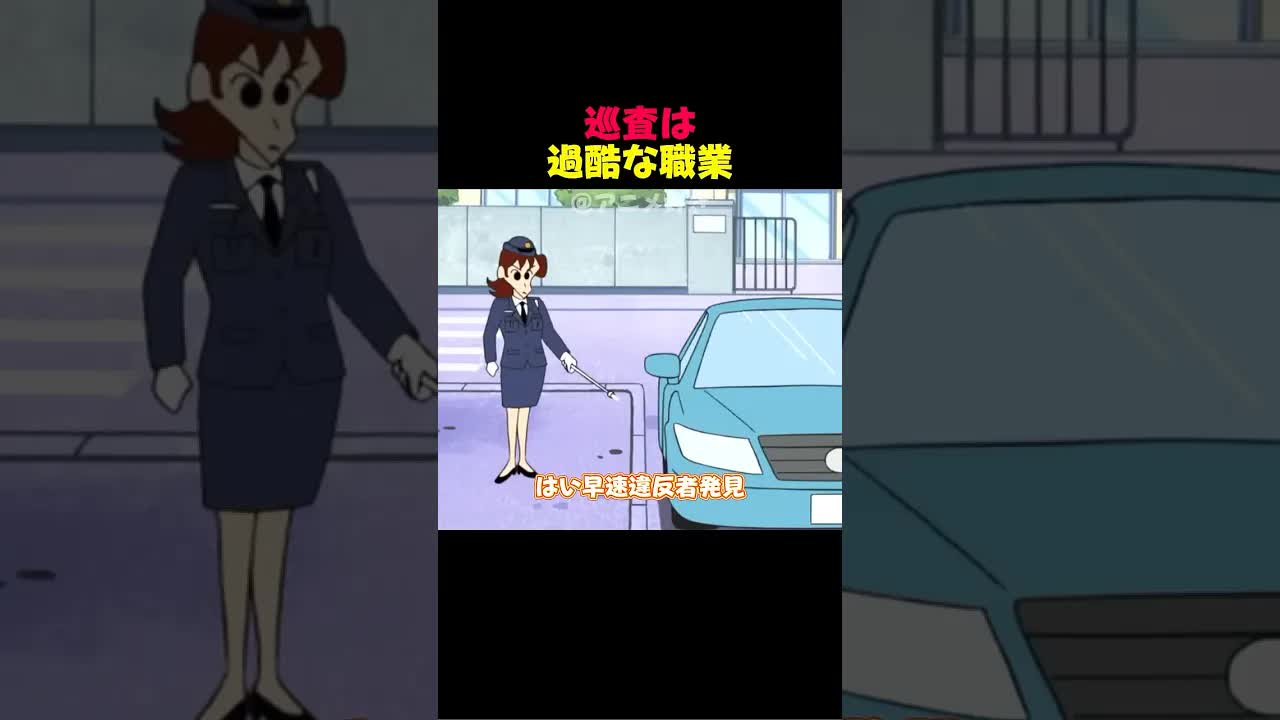


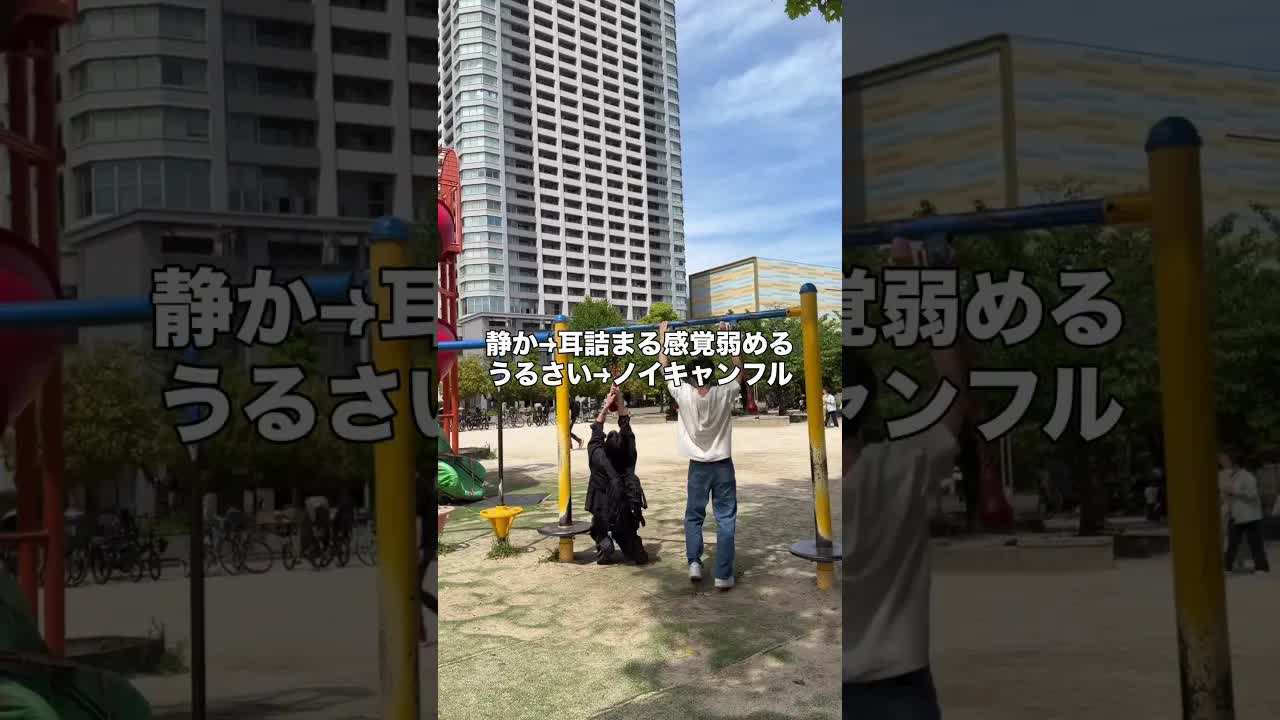
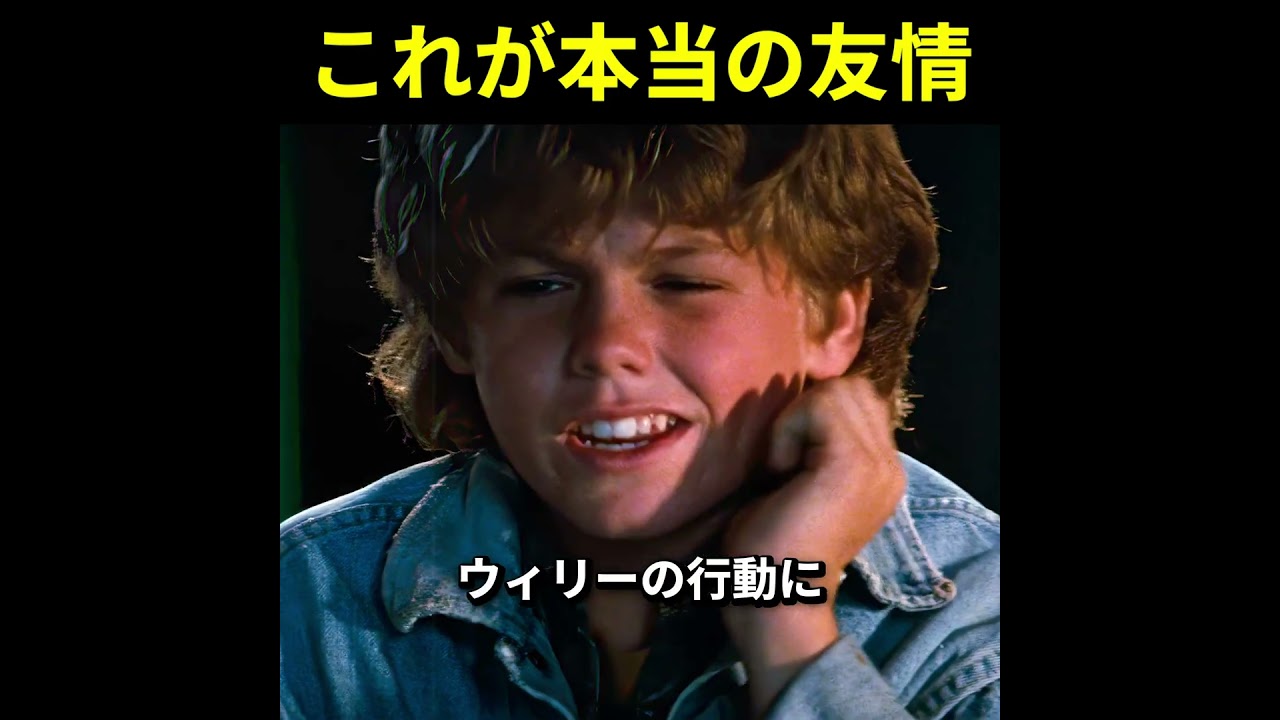
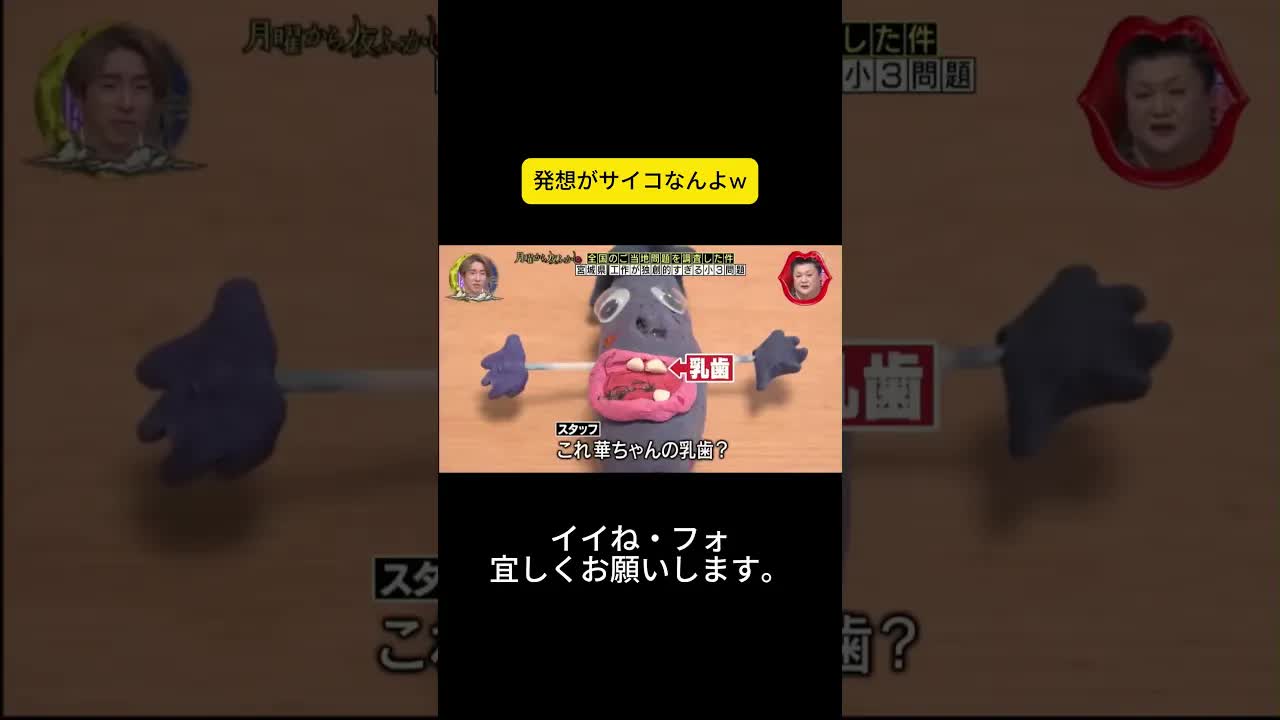







By Level
Find Japanese videos at your level, then stretch upward as casual contractions, dropped particles, and register shifts stop sounding like a different language.
By Listening Difficulty
Filter by how hard the audio is to follow, including speed, clarity, and how casual or contracted the speech feels.
By Accent
Hear Japanese from native speakers across Japan, including standard Tokyo speech, Kansai speech, and other regional varieties.
By Topic
Explore real Japanese by subject, situation, and learner interest, from daily life, food, and family to culture, humor, and work.
About this hub
About comprehensible input in Japanese
What is comprehensible input?
Comprehensible input is language you can mostly follow, with a small amount that is still new. The idea is often associated with Stephen Krashen: people acquire language by understanding meaningful messages, not only by memorizing rules in isolation. Japanese is a particularly good fit, because so much of what matters in real Japanese (politeness, softening, implication) is learned through exposure, not from a list.
Why real reels, not textbook dialogues
Textbook Japanese usually lives in the polite -masu register. Real Japanese shifts constantly. The same speaker changes level when they turn from a colleague to a friend, when they address an older relative, when they talk to themselves. Casual speech contracts no to n, drops particles entirely, and lets the ending carry the tone. Reelang uses unscripted short-form video so those shifts arrive in context, which is where they make sense.
How to use this catalog
Start with your level, then choose a listening difficulty you can mostly follow. From there, browse by topic depending on what you want to work on. If you have solid classroom Japanese and casual speech still surprises you, the missing piece is almost always listening at a level you can stay with. Find topics you would watch in English, and let your ear learn the shifts by seeing them happen.