Native Turkish Comprehensible Input Video Catalog
Turkish, where whole sentences hide inside a word.
Real short-form videos from native Turkish speakers. Turkish words stack endings (tense, person, possession, negation) onto a single stem, and real speech lands those stacks at conversational speed.
1,857
Turkish videos
2
Accents
Start watching in Turkish
Reelang’s Turkish video feed is TikTok-style: real videos from native Turkish speakers, graded by level and speech speed, tagged by accent. As you scroll, it learns from how you watch and serves comprehensible input matched to your level.
Not sure? Just watch, we’ll find your level.

Accent
Level
Speed
Topic
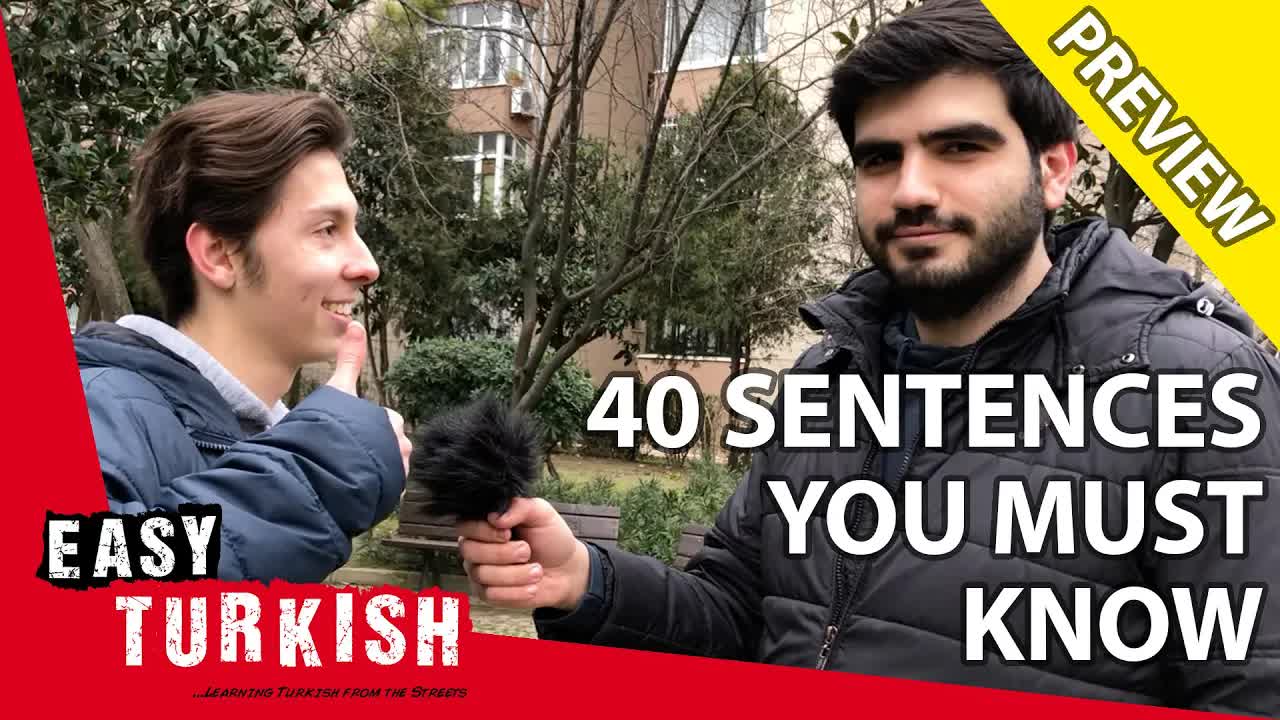
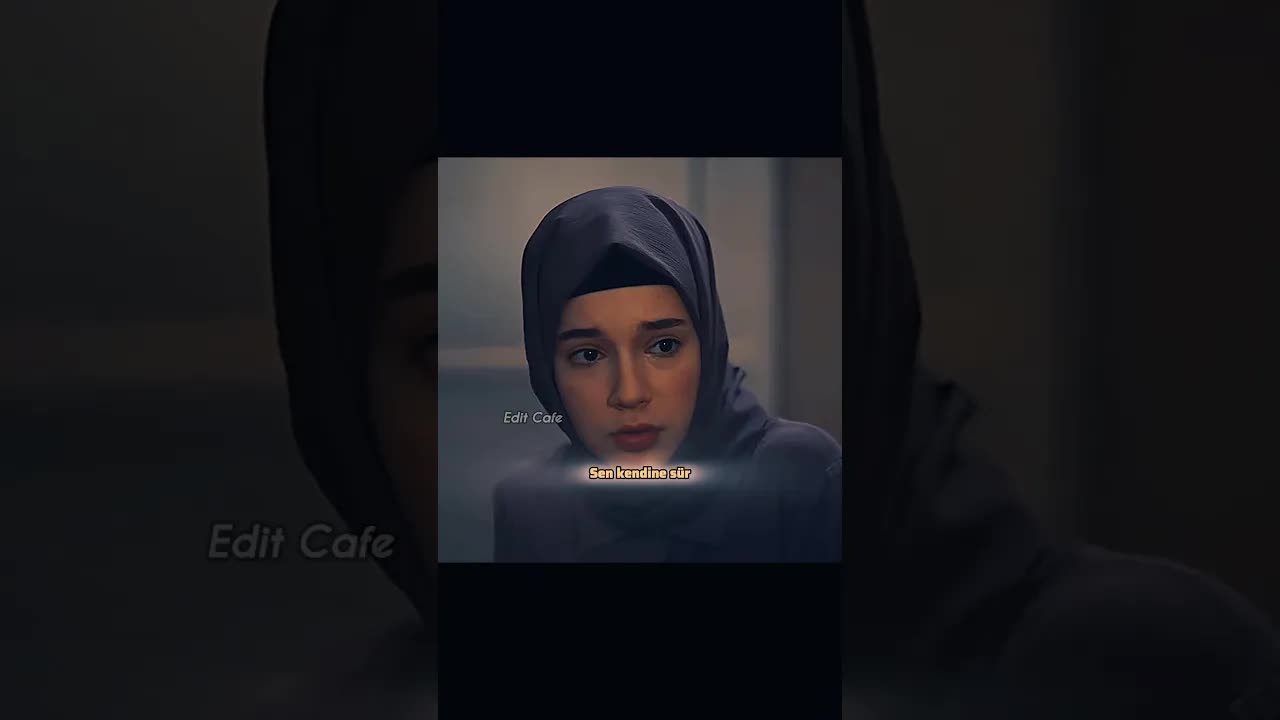
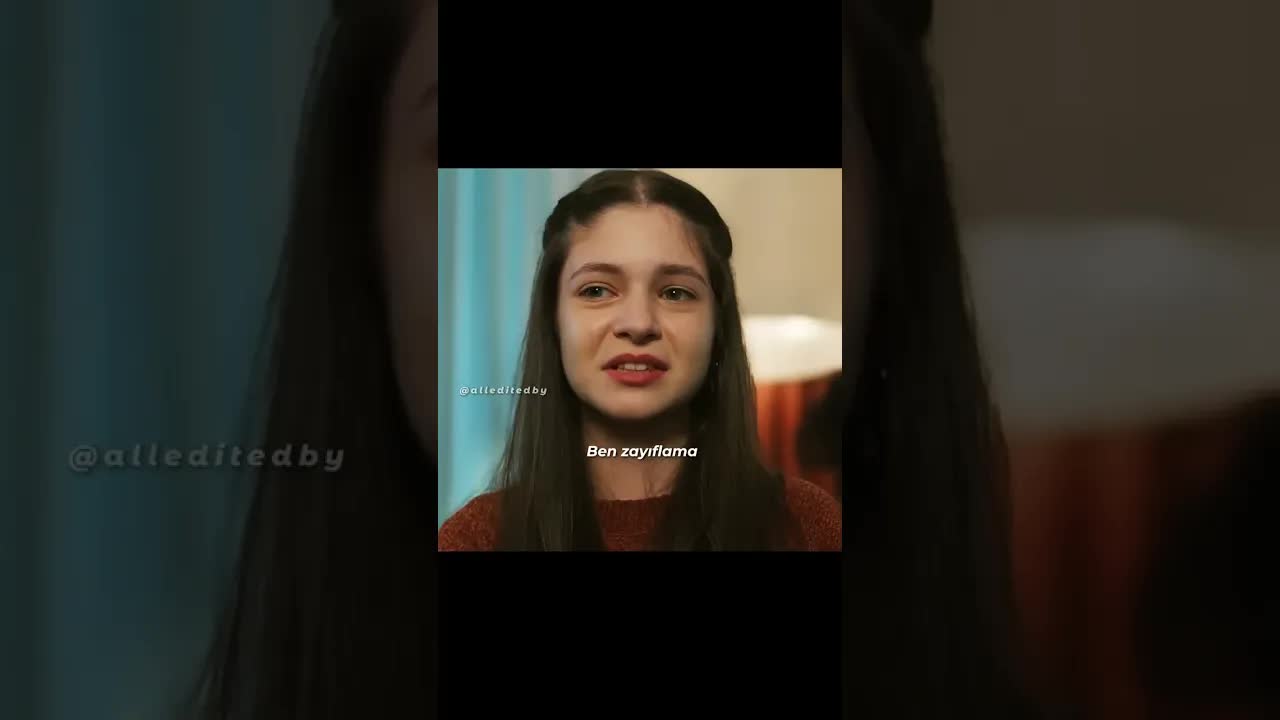
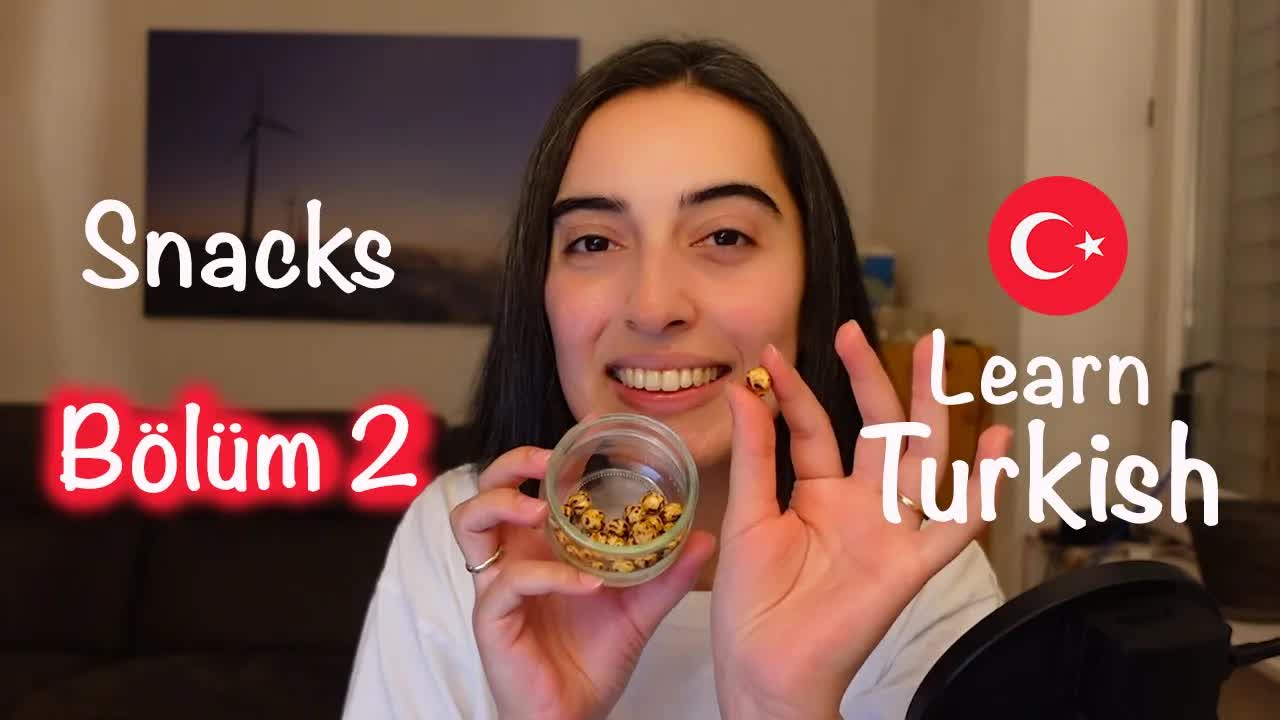
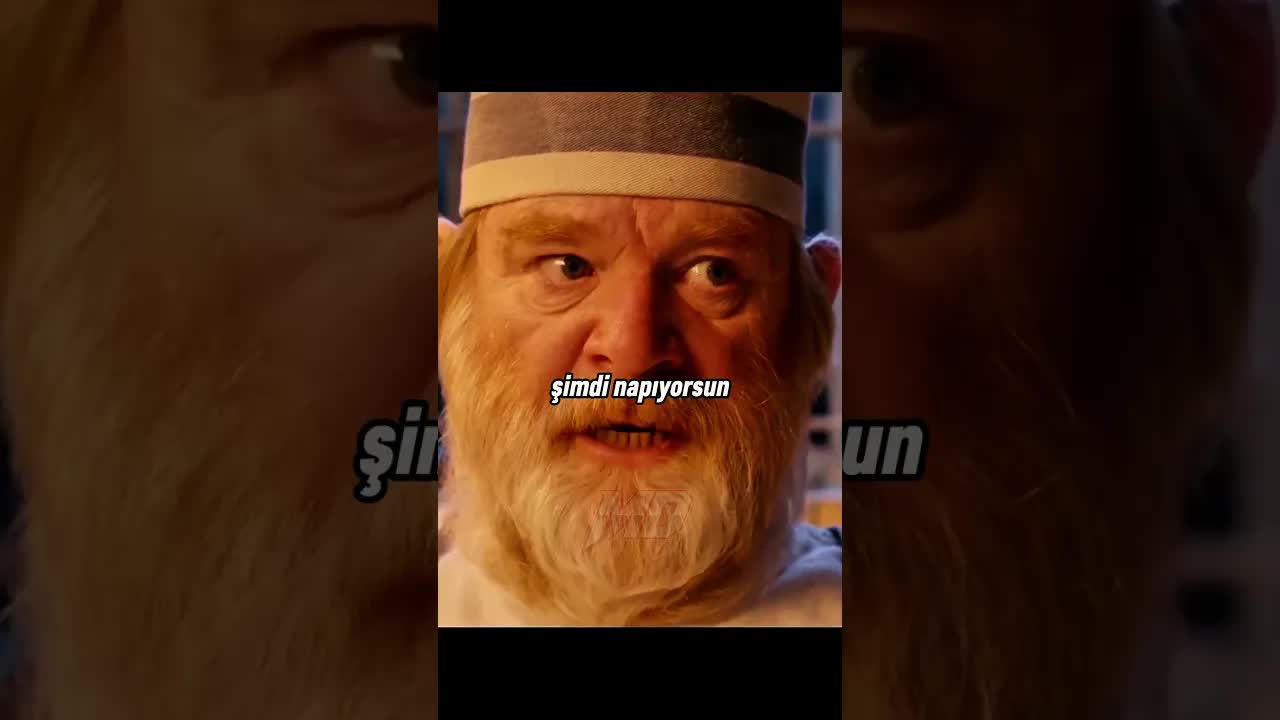
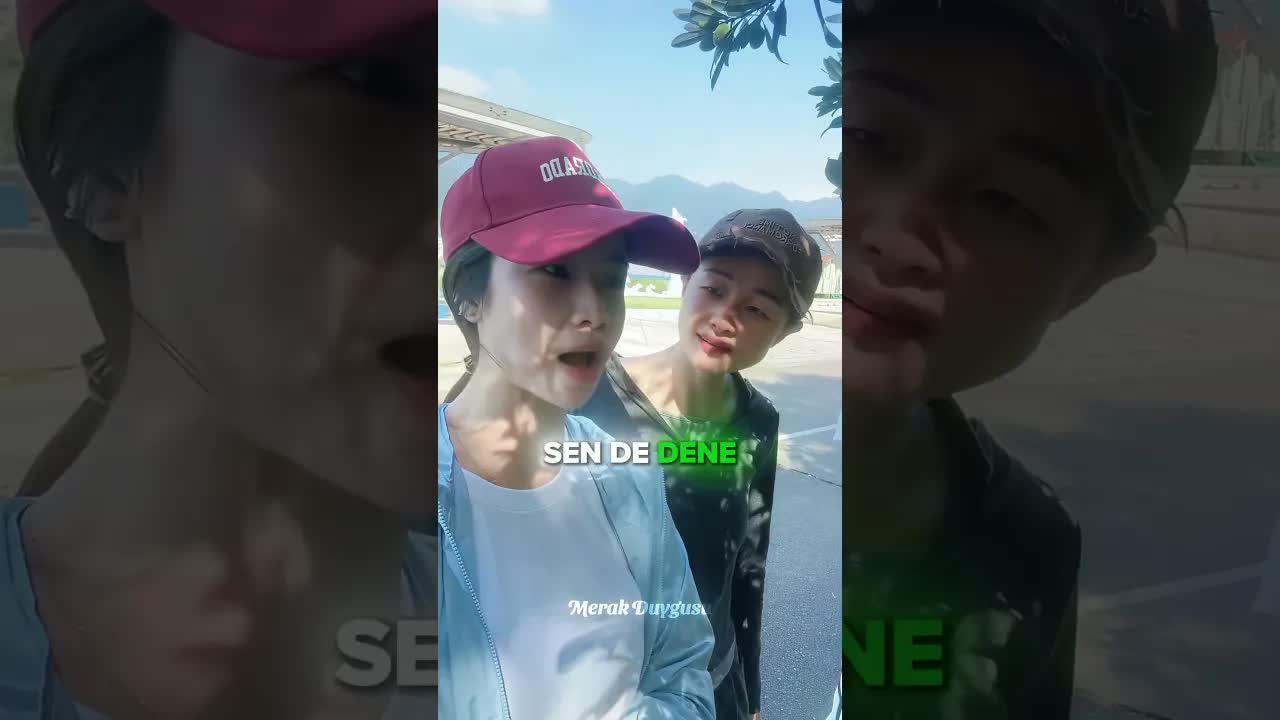
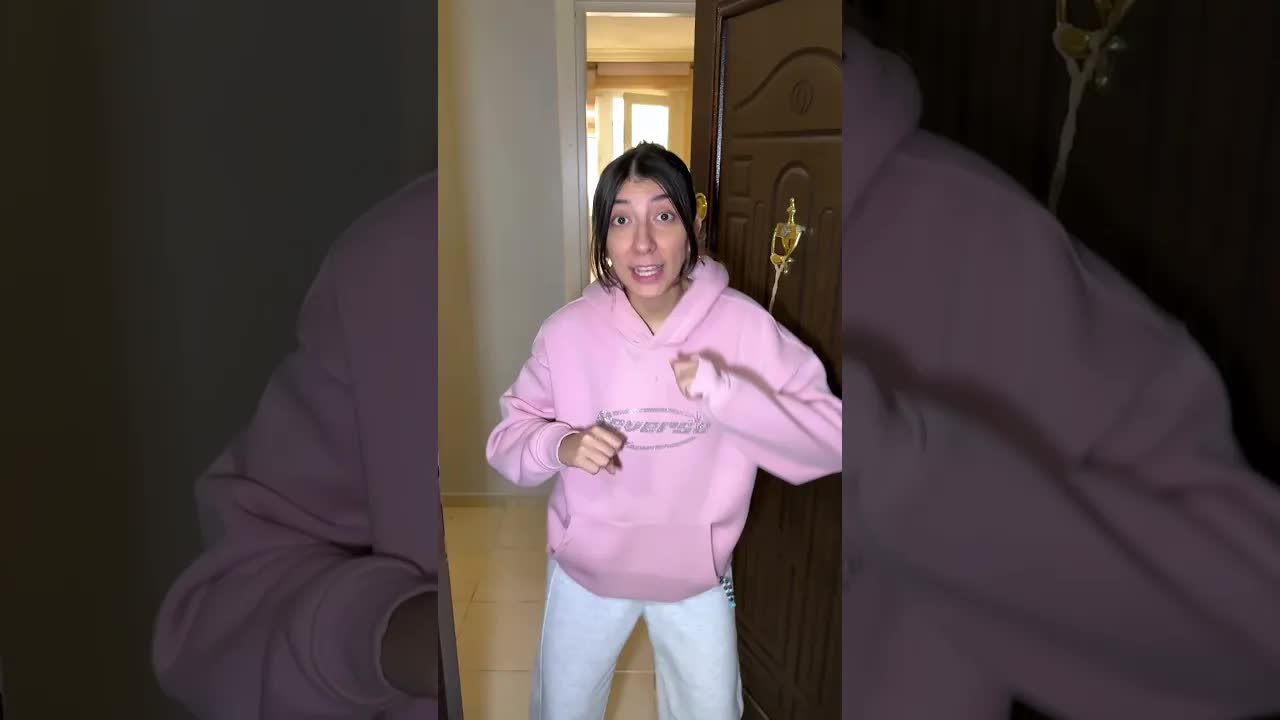
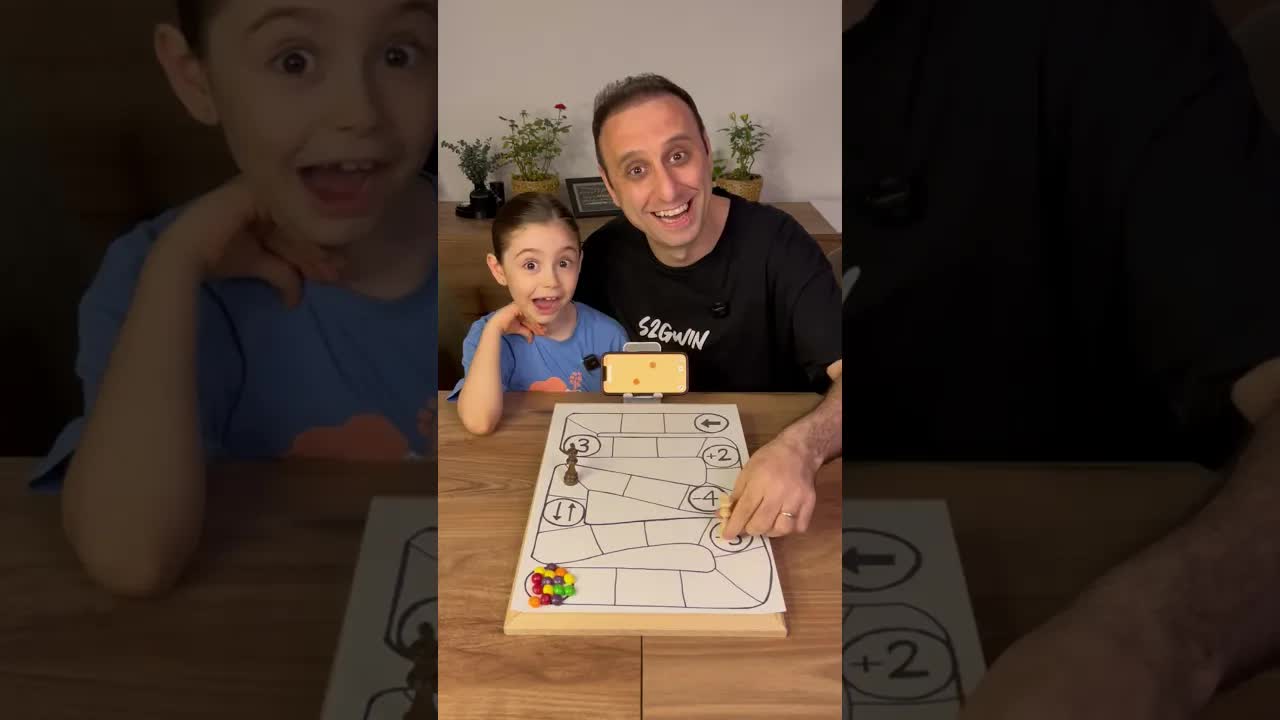
Latest Turkish videos











By Level
Find Turkish videos at your level, then stretch upward as stacked endings and casual speech stop feeling like a puzzle.
By Listening Difficulty
Filter by how hard the audio is to follow, including speed, clarity, and how relaxed or regional the speech feels.
By Accent
Hear Turkish from native speakers across Turkey, Cyprus, and the wider Turkish-speaking world.
By Topic
Explore real Turkish by subject, situation, and learner interest, from daily life, food, and family to culture, humor, and work.
About this hub
About comprehensible input in Turkish
What is comprehensible input?
Comprehensible input is language you can mostly follow, with a small amount that is still new. The idea is often associated with Stephen Krashen: people acquire language by understanding meaningful messages, not only by memorizing rules in isolation. Turkish pairs well with it, because the way endings stack onto a word is easier to absorb by hearing real speech than by parsing tables.
Why real reels, not textbook dialogues
In Turkish, a single word can carry tense, person, possession, negation, and a question marker all at once. Textbooks break these apart piece by piece. In everyday conversation, they arrive stacked, spoken at normal pace, and followed by the next thought before a learner has finished parsing the last one. Reelang uses unscripted short-form video from native speakers so that pace becomes familiar in context.
How to use this library
Start with your level, then choose a listening difficulty you can mostly follow. From there, browse by topic depending on what you want to work on. If you can read Turkish comfortably and speech still outpaces you, the gap closes with listening, not with more grammar. Pick topics you would watch in any language and stay in clips where the endings are still survivable.