Native Finnish Comprehensible Input Video Catalog
Finnish, where spoken and written go separate ways.
Real short-form videos from native Finnish speakers. Book Finnish and everyday Finnish are close relatives, not twins. Spoken Finnish drops endings, shortens pronouns, and moves at its own rhythm.
4,138
Finnish videos
Start watching in Finnish
Reelang’s Finnish video feed is TikTok-style: real videos from native Finnish speakers, graded by level and speech speed, tagged by accent. As you scroll, it learns from how you watch and serves comprehensible input matched to your level.
Not sure? Just watch, we’ll find your level.

Level
Speed
Topic
Latest Finnish videos
Showing 24 of 3,337 videos

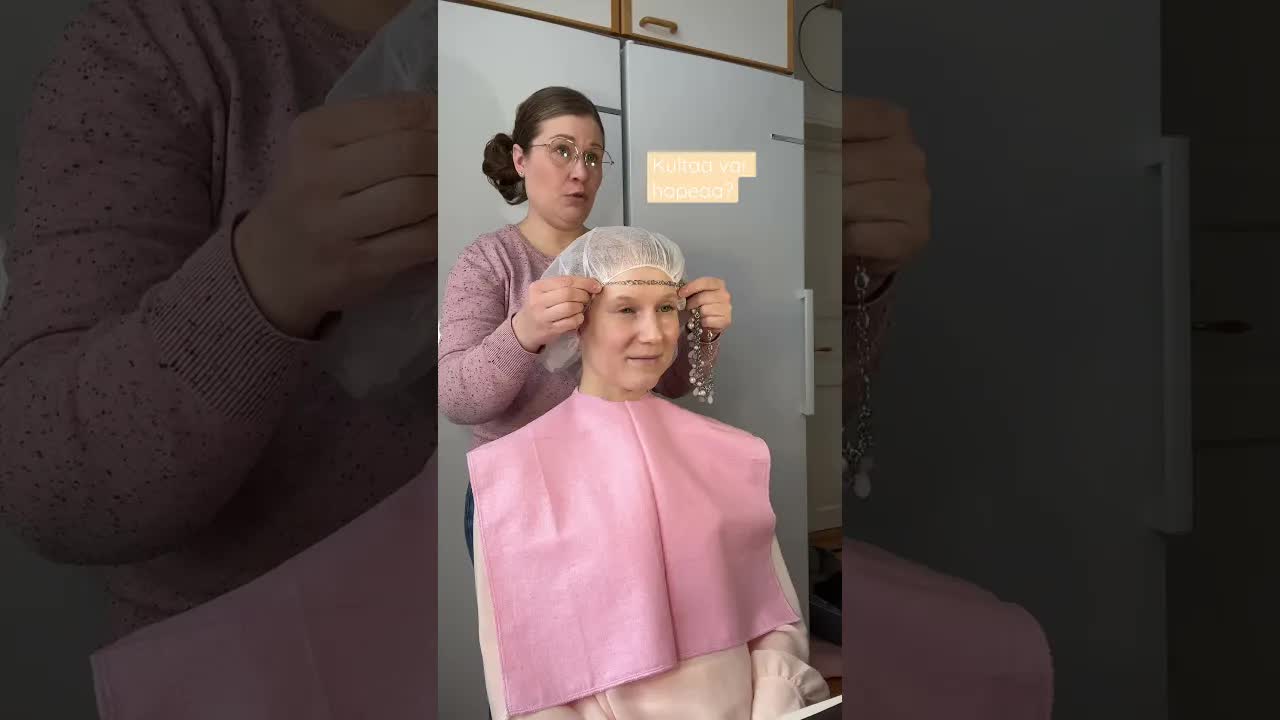


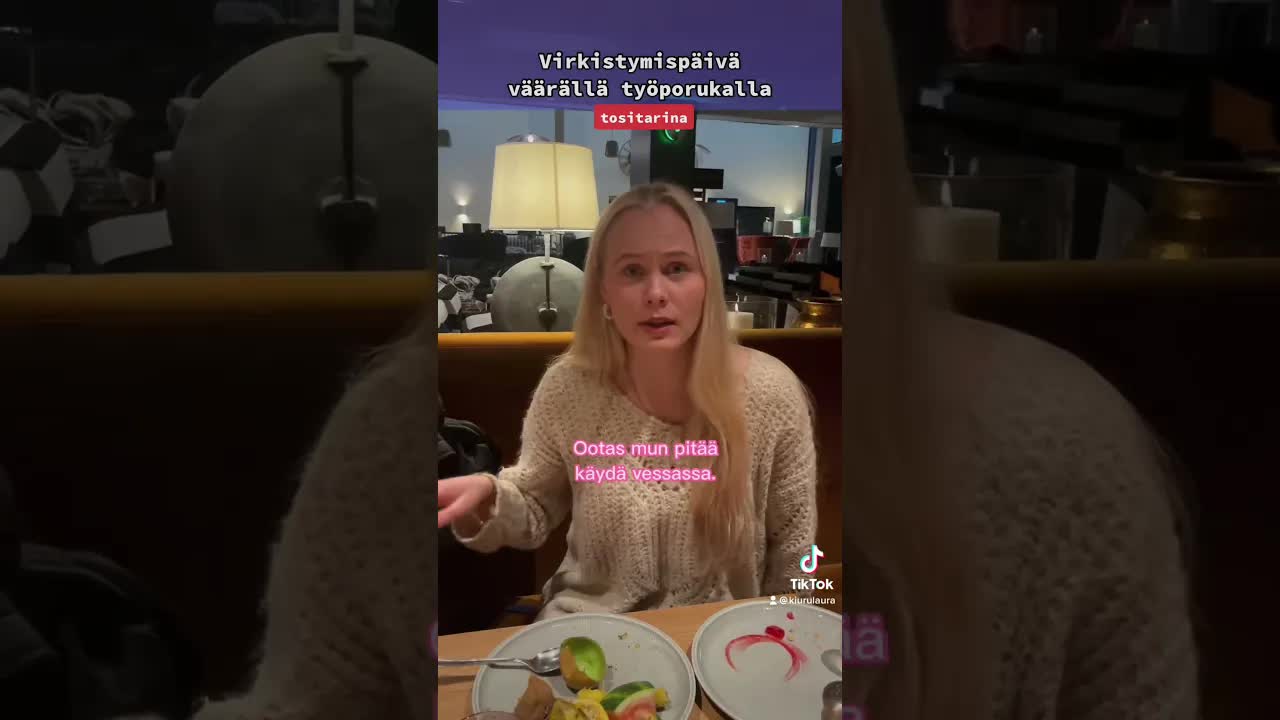





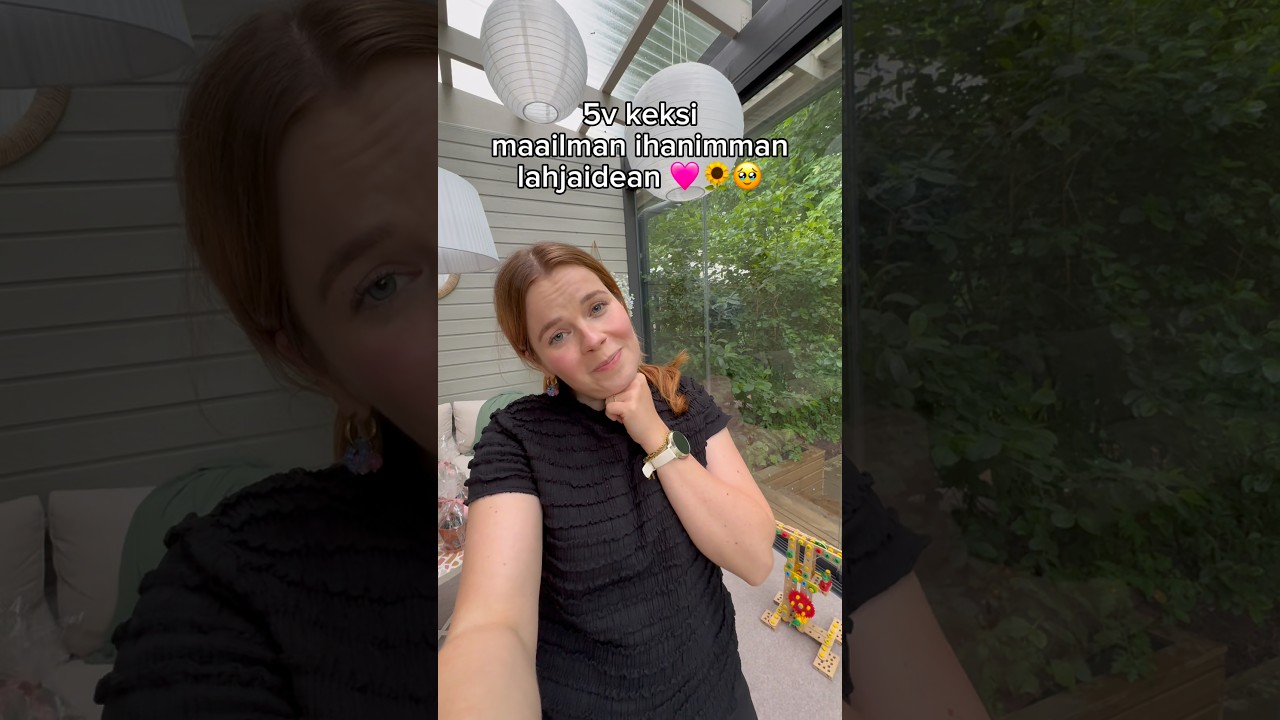




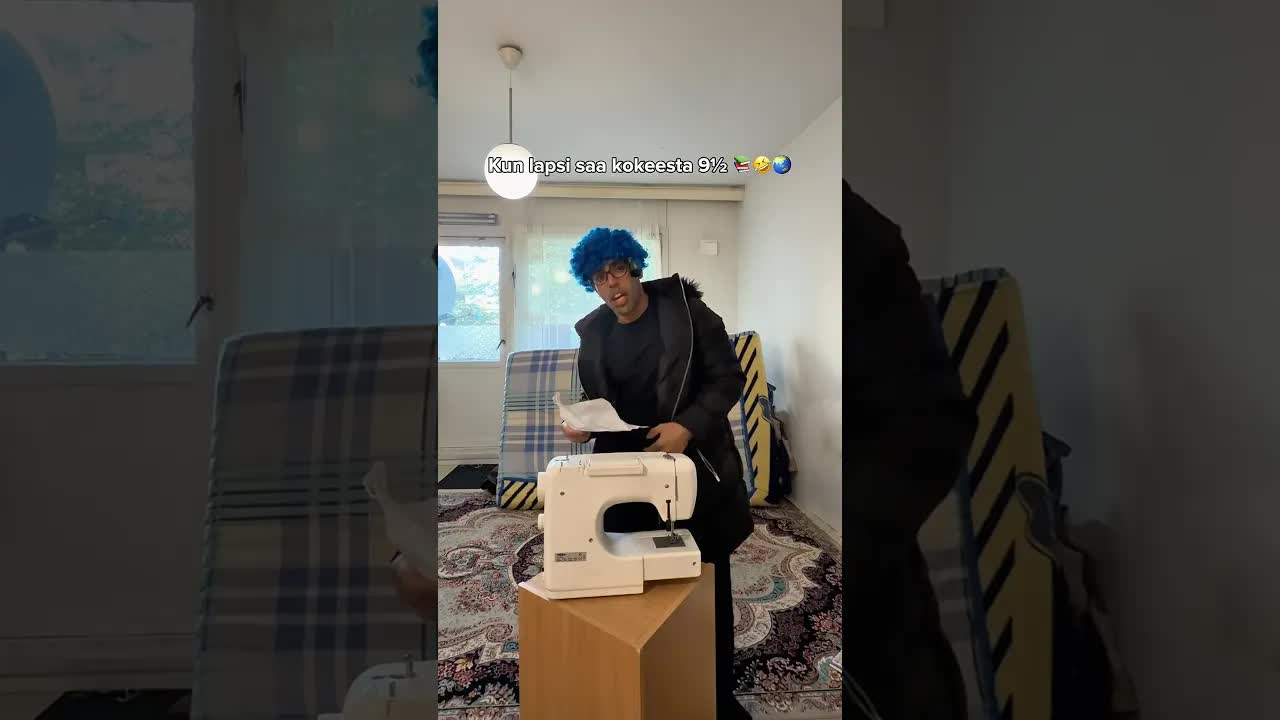








By Level
Find Finnish videos at your level, then stretch upward as spoken forms, shortened pronouns, and dropped endings start to feel ordinary.
By Listening Difficulty
Filter by how hard the audio is to follow, including speed, clarity, and how much the spoken form has drifted from the written one.
By Topic
Explore real Finnish by subject, situation, and learner interest, from daily life, food, and family to culture, humor, and work.
About this hub
About comprehensible input in Finnish
What is comprehensible input?
Comprehensible input is language you can mostly follow, with a small amount that is still new. The idea is often associated with Stephen Krashen: people acquire language by understanding meaningful messages, not only by memorizing rules in isolation. Finnish leans on it hard, because Finns have two registers that behave almost like two languages, and learners mostly meet only one of them.
Why real reels, not textbook dialogues
Textbook Finnish is the written form: tidy, fully inflected, every ending present. Spoken Finnish trims. Minä becomes mä, sinä becomes sä, verb endings shrink, and sentences shorten in ways a grammar book can describe but rarely puts on the page. Reelang uses unscripted short-form video from native speakers so that gap closes the natural way: through hearing the spoken form in the middle of an actual thought.
How to use this catalog
Start with your level, then choose a listening difficulty you can mostly follow. From there, browse by topic depending on what you want to work on. If the written form is comfortable and the spoken one is not, the gap closes by listening at a level you can stay inside. Pick topics that hold your attention; the endings and shortcuts become familiar faster than they look like they will.