Native Bangla Comprehensible Input Video Catalog
Bangla, far from the textbook register.
Real short-form videos from native Bangla speakers across West Bengal and Bangladesh: the compressed register, the shifting honorifics, and the everyday vocabulary classroom Bangla tends to skip.
3,277
Bangla videos
2
Accents
Start watching in Bangla
Reelang’s Bangla video feed is TikTok-style: real videos from native Bangla speakers, graded by level and speech speed, tagged by accent. As you scroll, it learns from how you watch and serves comprehensible input matched to your level.
Not sure? Just watch, we’ll find your level.

Accent
Level
Speed
Topic
Latest Bangla videos













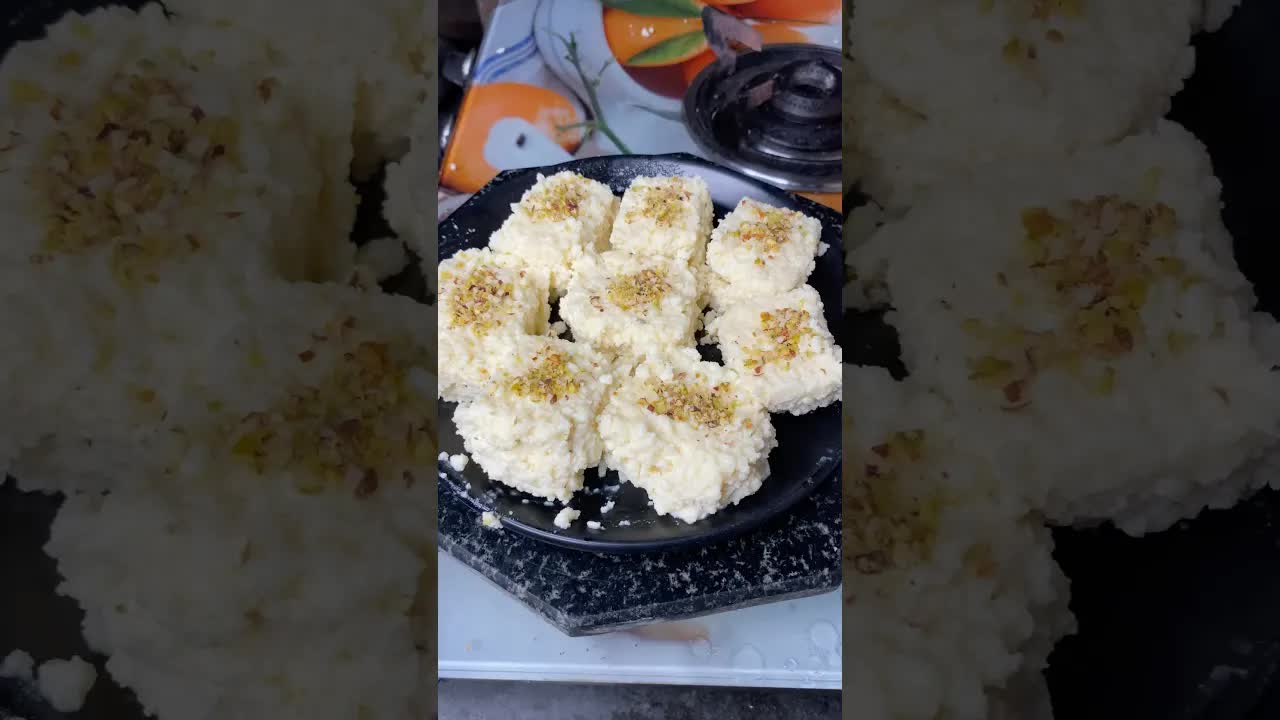





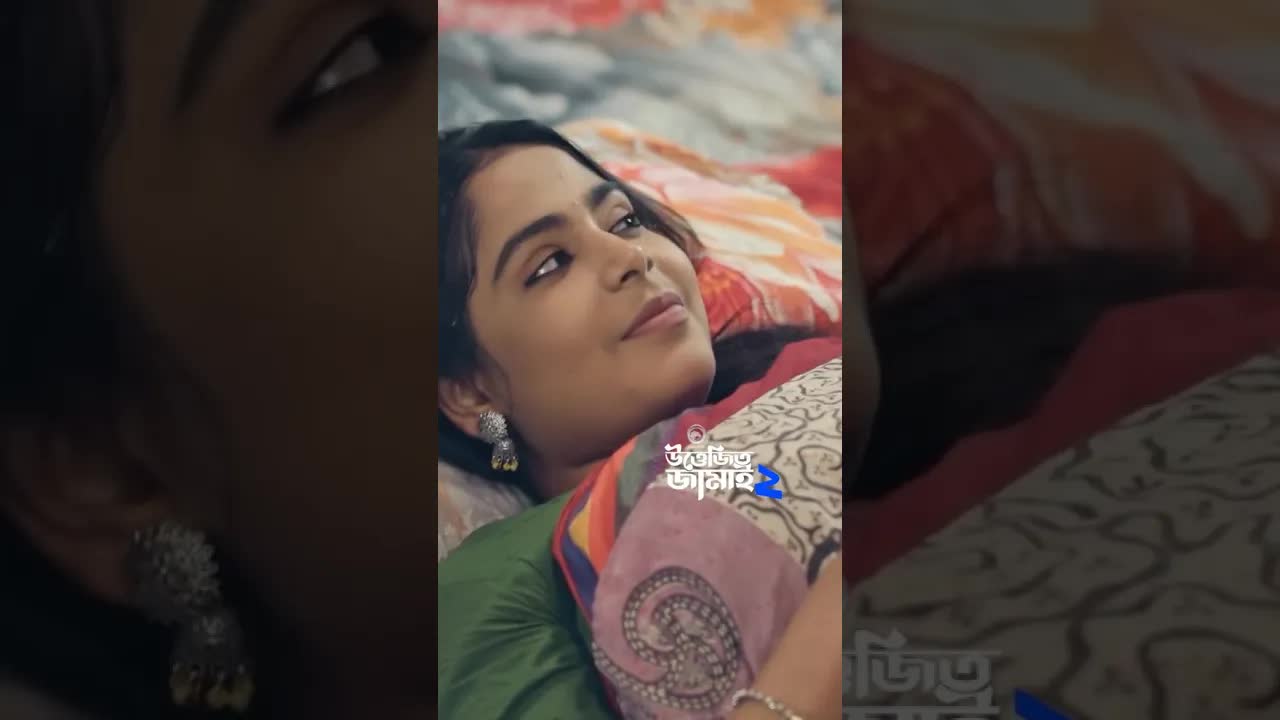



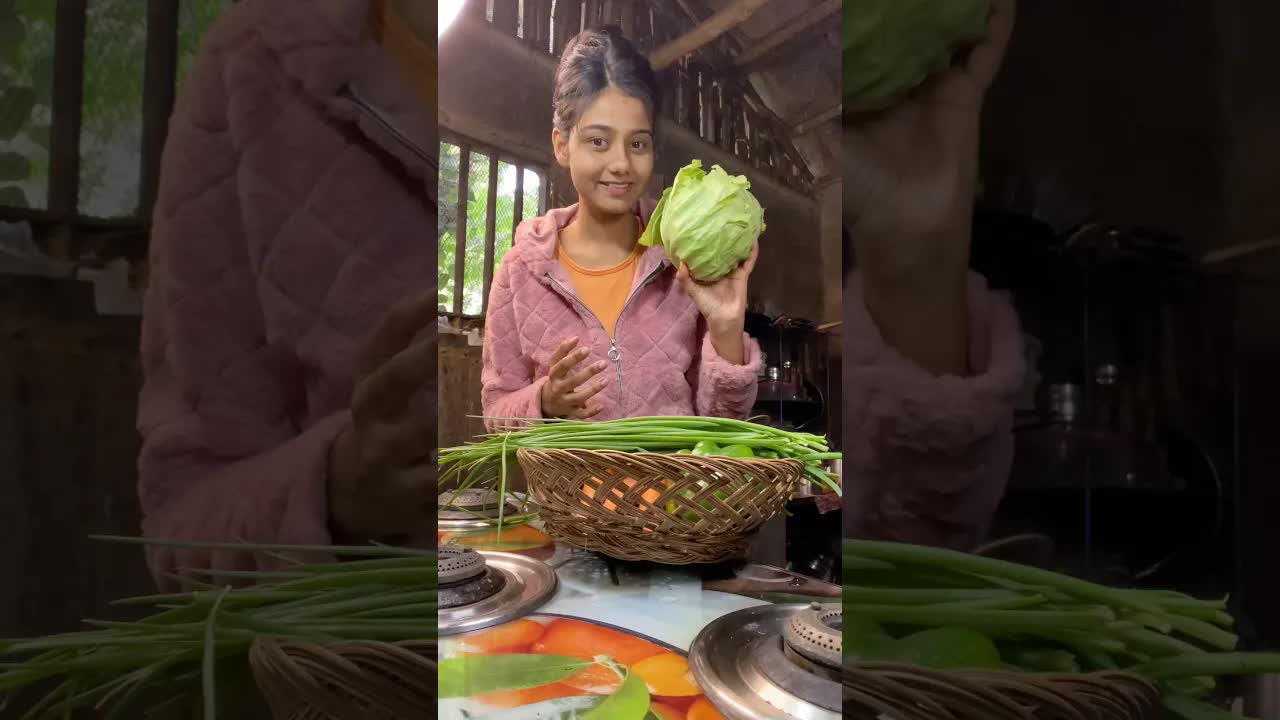
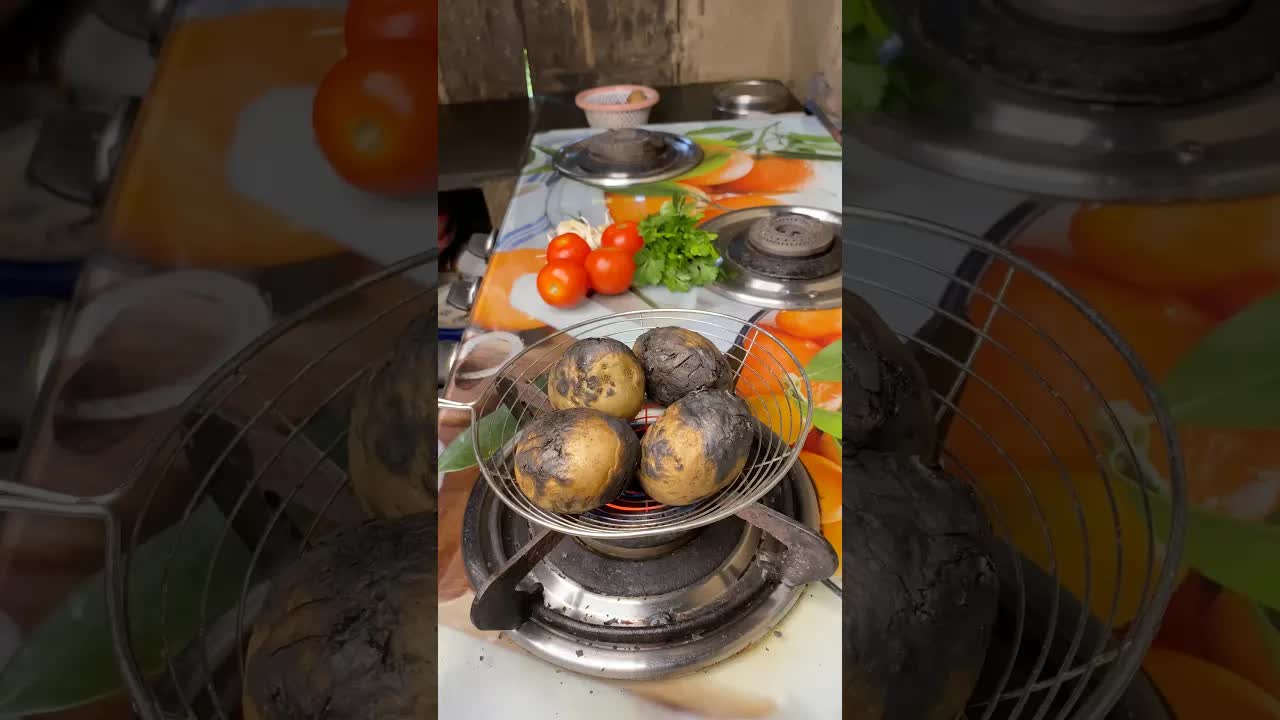


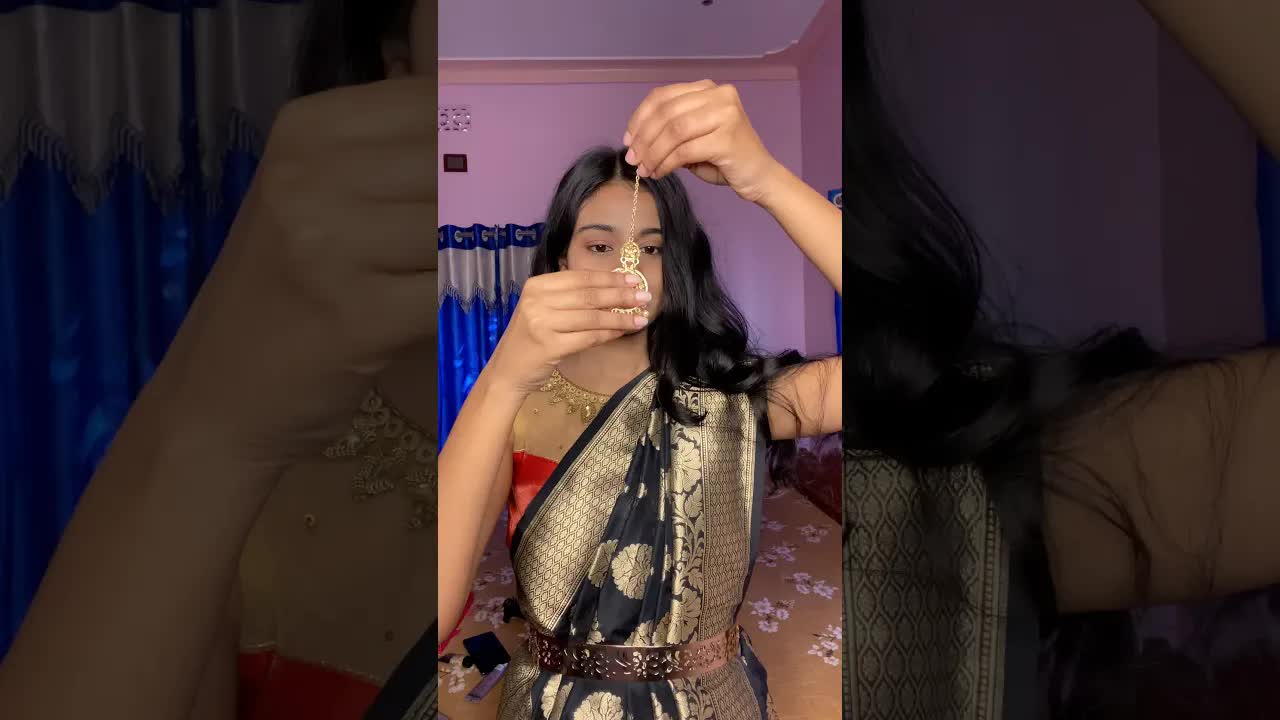


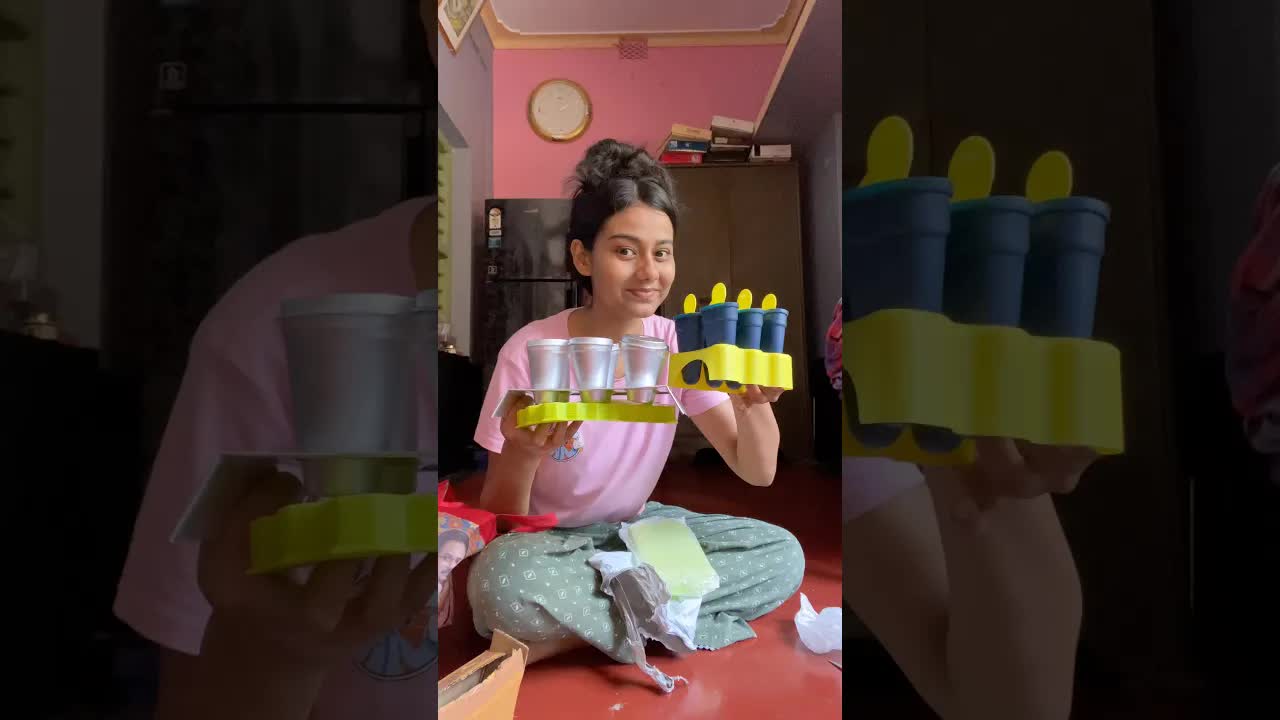


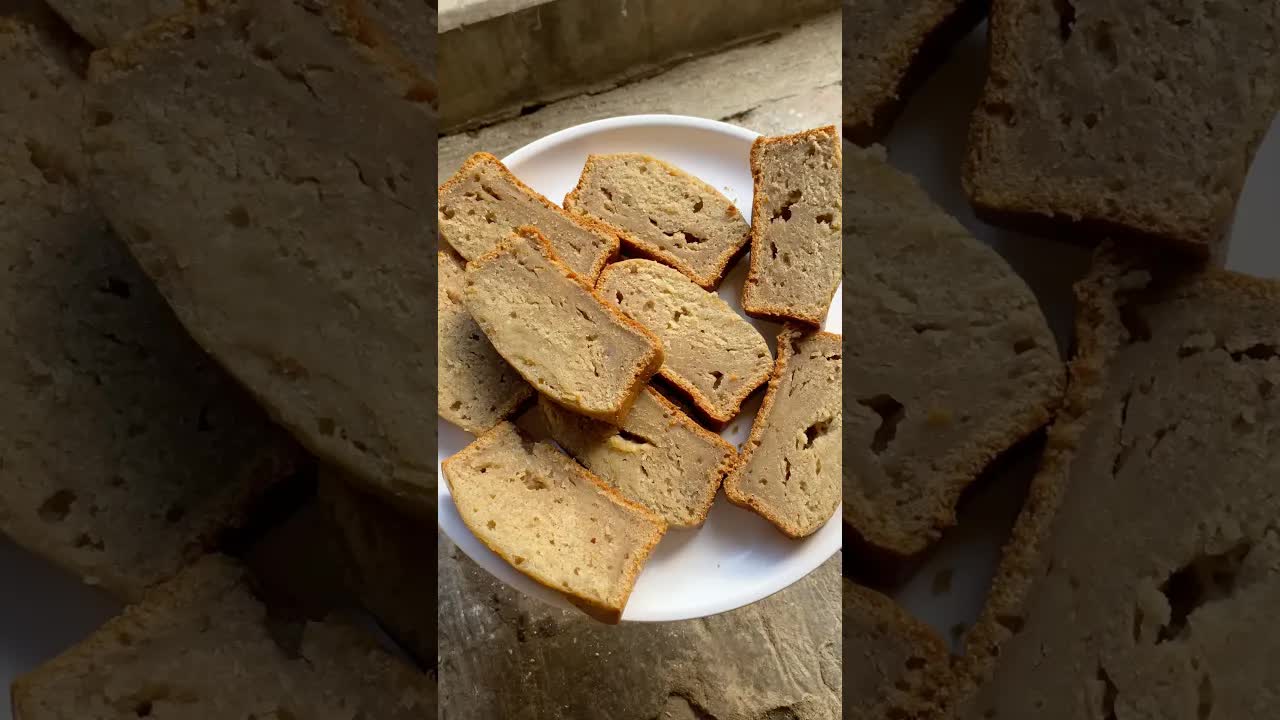



By Level
Find Bangla videos at your level, then nudge slightly upward as register shifts and regional vocabulary stop ambushing you.
By Listening Difficulty
Filter by how hard the audio is to follow, including speed, clarity, and how colloquial the speech feels.
By Accent
Hear Bangla across West Bengal, Bangladesh, and the wider Bangla-speaking world, including standard Kolkata speech, Dhaka speech, and regional varieties.
By Topic
Explore real Bangla by subject, situation, and learner interest, from daily life, food, and family to culture, humor, and regional life.
About this hub
About comprehensible input in Bangla
What is comprehensible input?
Comprehensible input is language you can mostly follow, with a small amount that is still new. The idea is often associated with Stephen Krashen: people acquire language by understanding meaningful messages, not only by memorizing rules in isolation. Bangla has a particular quirk here: the script is phonetic enough that learners trust it too early. The page suggests each syllable is fully there. Spoken Bangla quietly drops half of them.
Why real reels, not textbook dialogues
Classroom Bangla leans toward the literary register. Kolkata, Dhaka, and the wider Bangla-speaking world speak in something faster, looser, and more expressive. Honorific levels shift the moment the conversation changes from a stranger to a friend; short vowels go missing; regional vocabulary is everywhere and mostly unmarked in dictionaries. Reelang uses unscripted short-form video so those shifts arrive in context, as part of how Bangla actually sounds, not as footnotes.
How to use this catalog
Start with your level, then choose a listening difficulty you can mostly follow. From there, browse by topic depending on what you want to work on. Reading Bangla usually gets comfortable before listening does. The fastest correction is more exposure at a level you can stay with, on topics that hold your attention for more than one clip.