Native Norwegian Comprehensible Input Video Catalog
Norwegian, where every valley sounds different.
Real short-form videos from native Norwegian speakers. Norway has no single spoken standard: Oslo, Bergen, Trondheim, and the countryside all sound like themselves, and Norwegians expect each other to follow.
848
Norwegian videos
Start watching in Norwegian
Reelang’s Norwegian video feed is TikTok-style: real videos from native Norwegian speakers, graded by level and speech speed, tagged by accent. As you scroll, it learns from how you watch and serves comprehensible input matched to your level.
Not sure? Just watch, we’ll find your level.

Level
Speed
Topic
Latest Norwegian videos


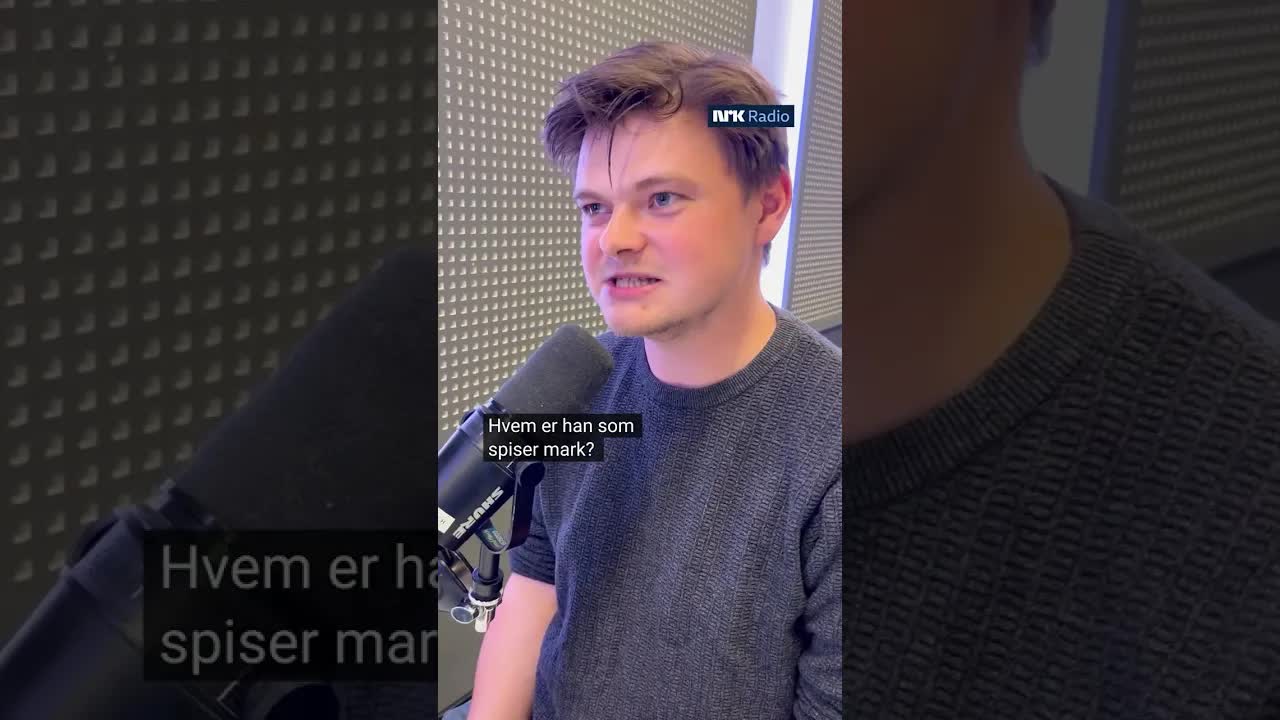










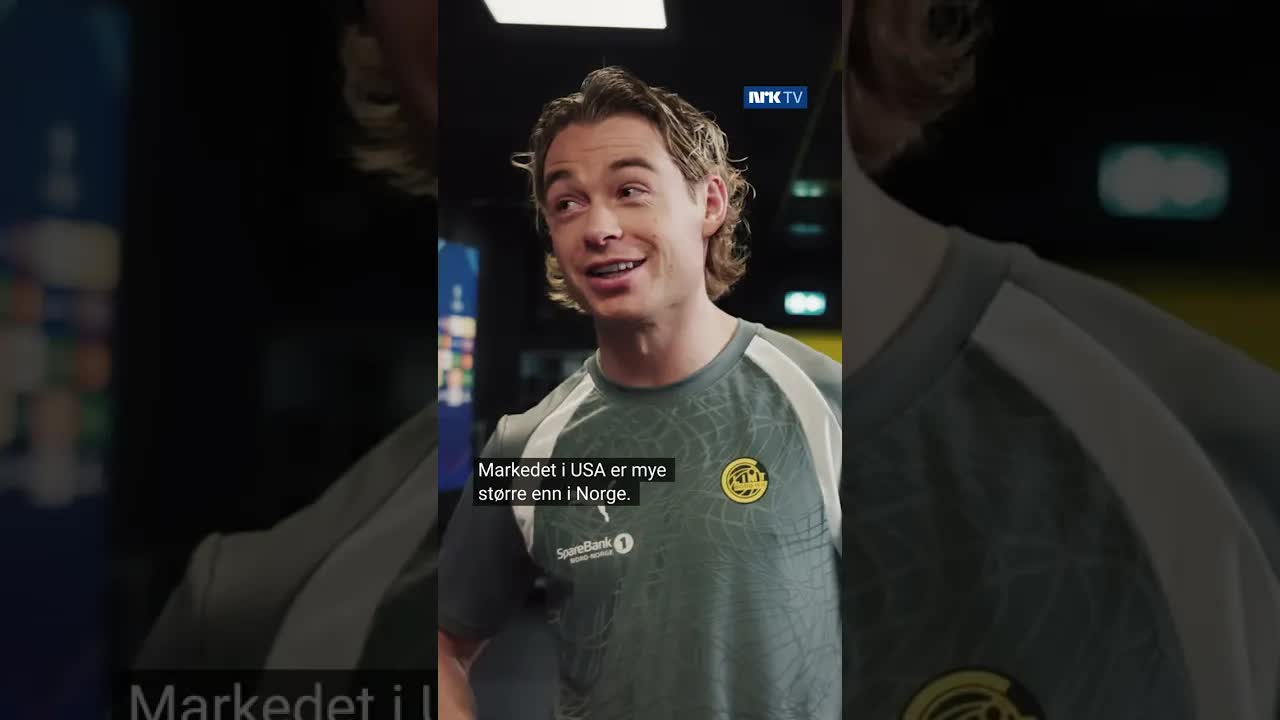
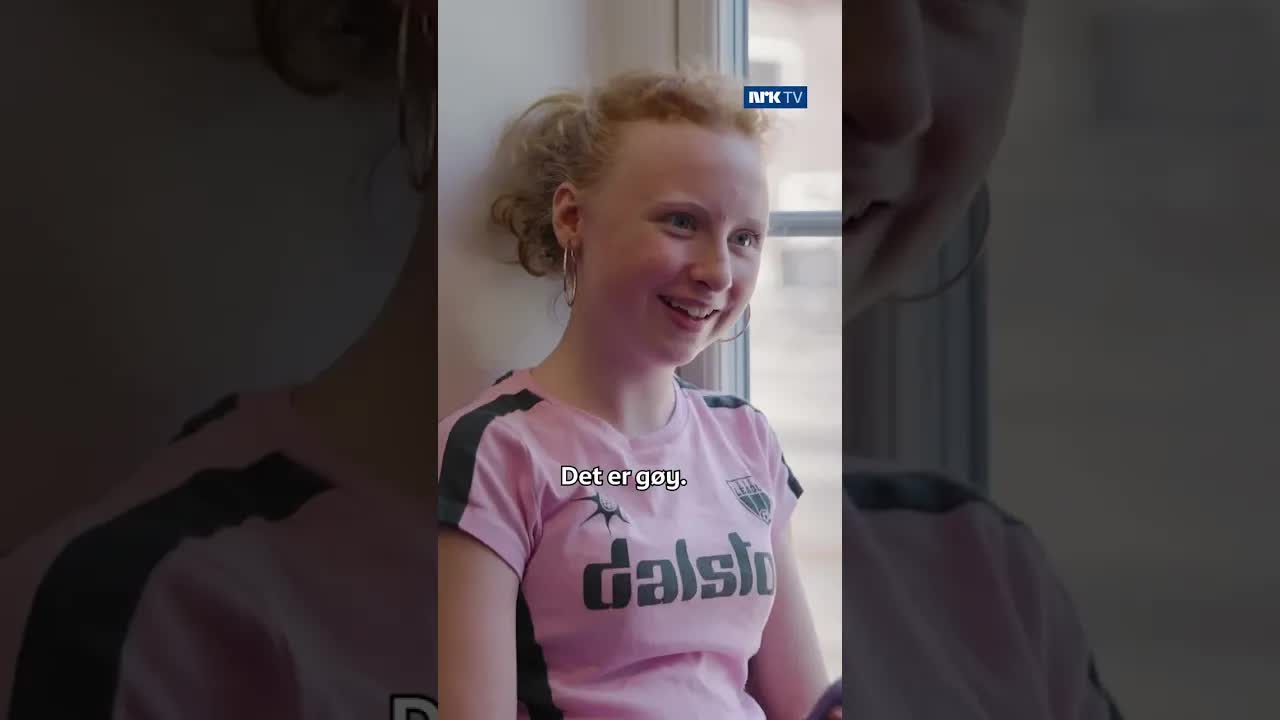
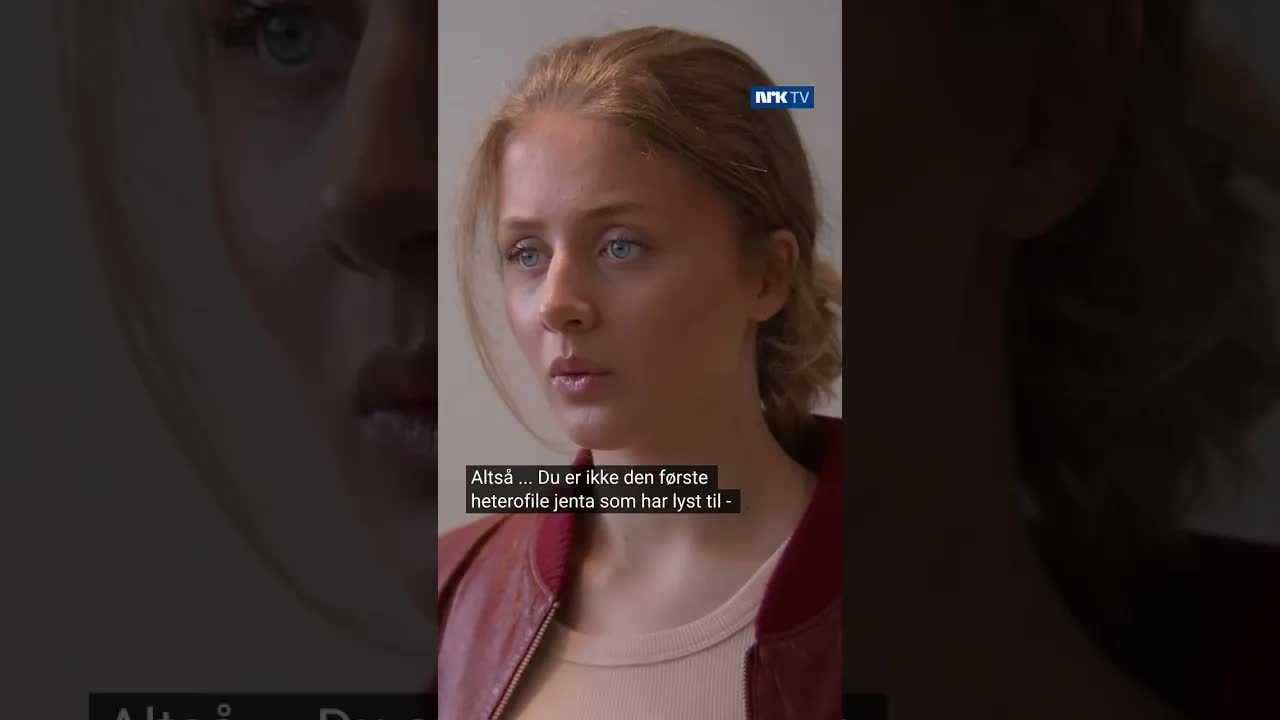



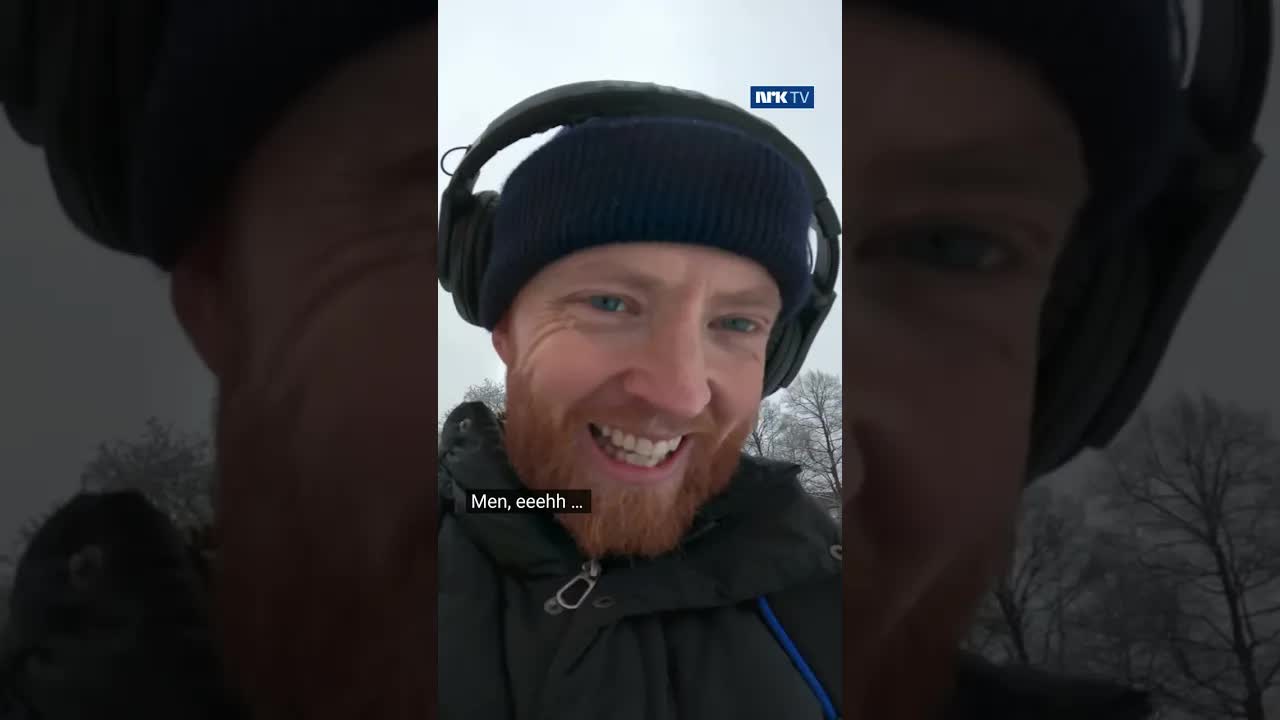
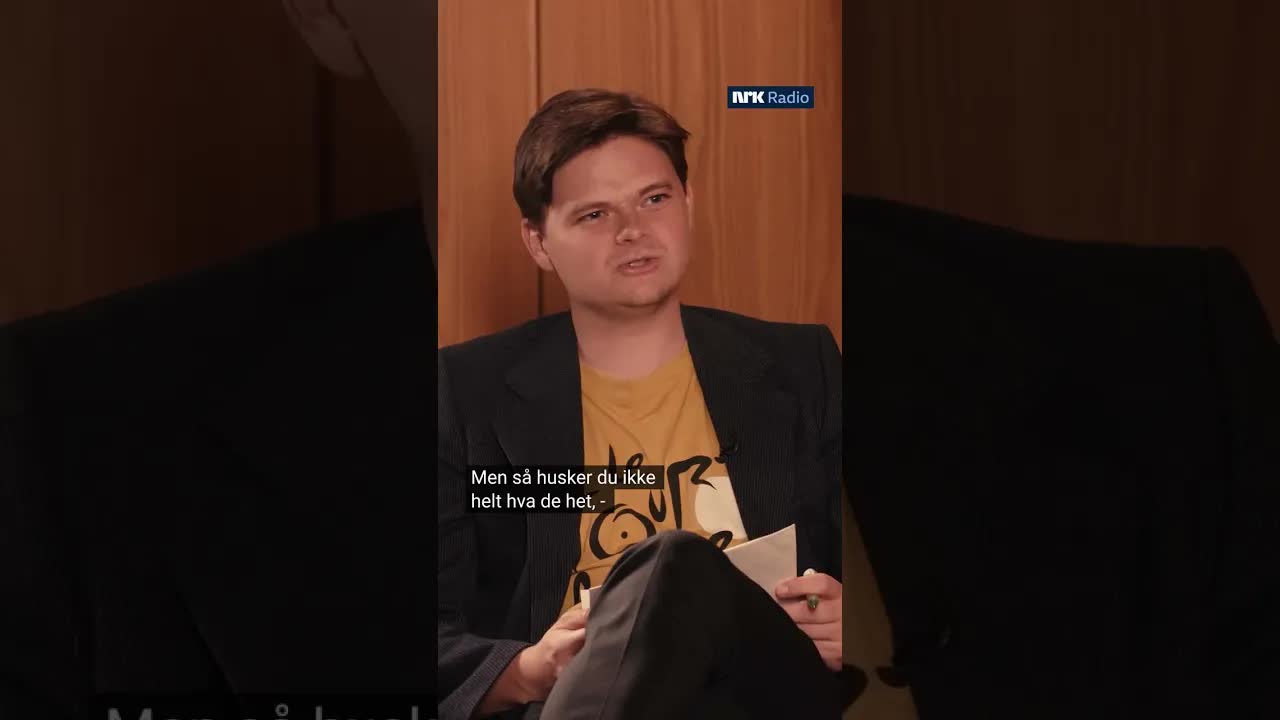
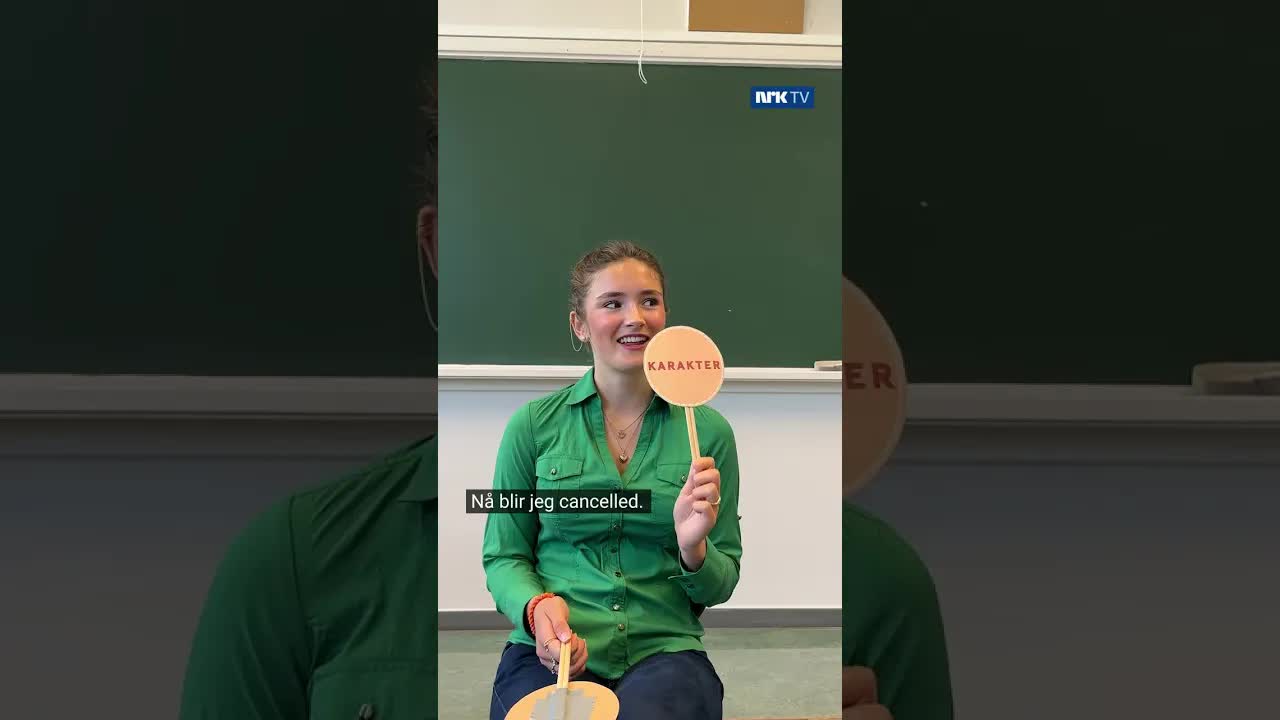

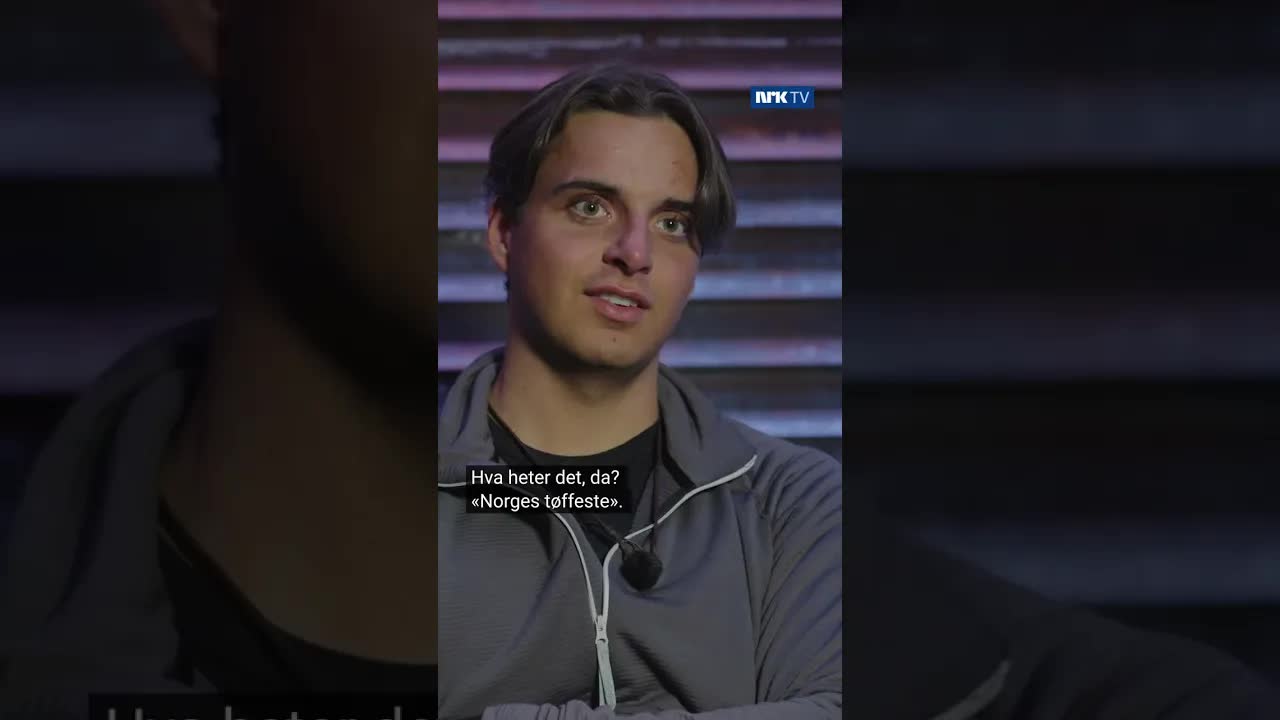

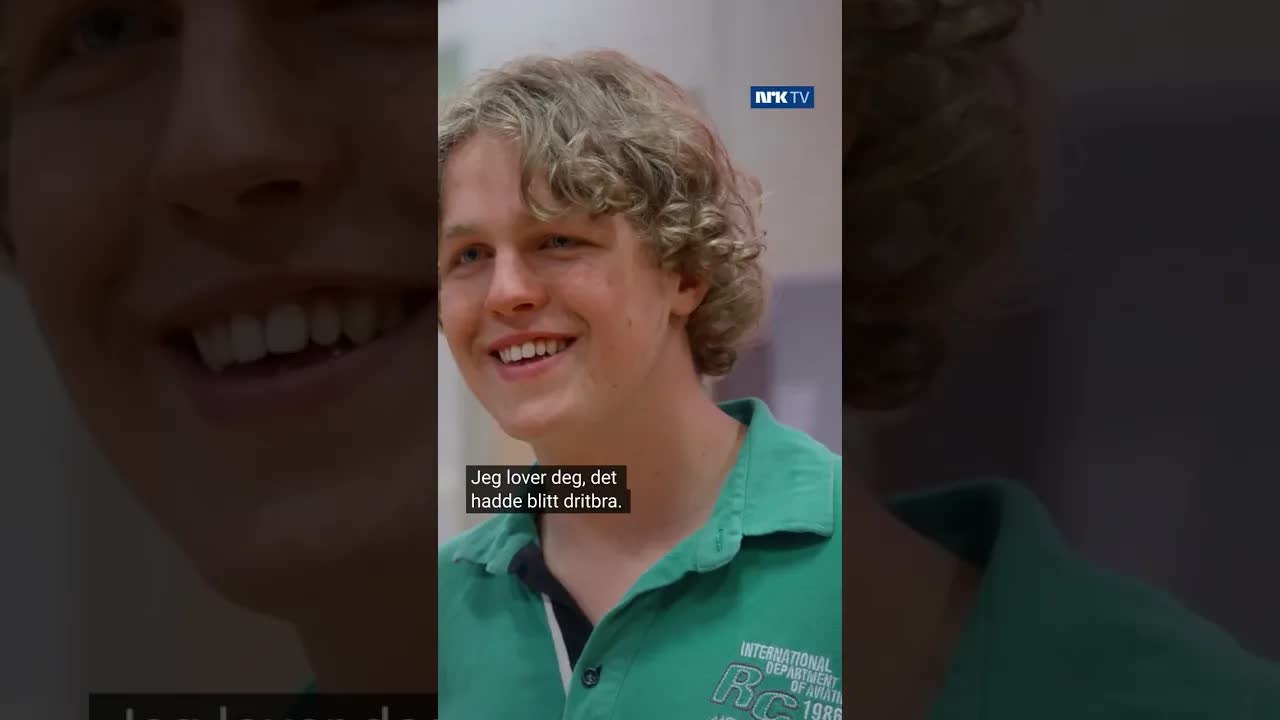
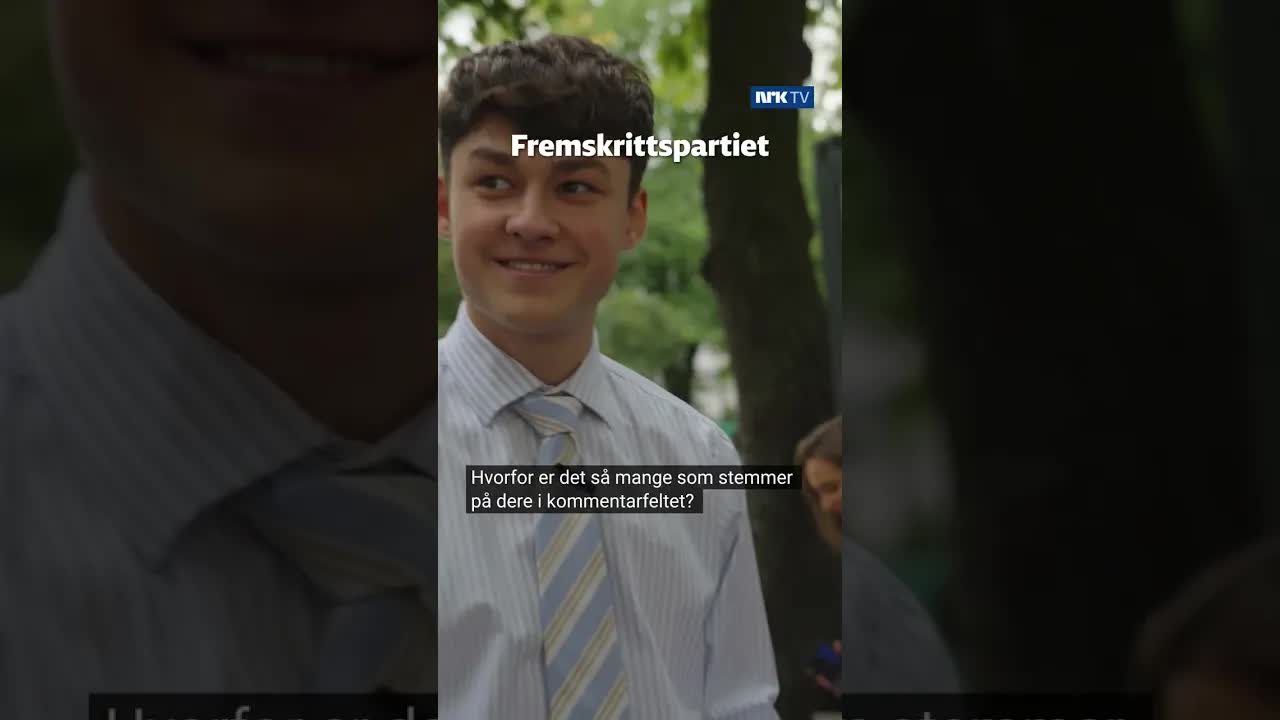
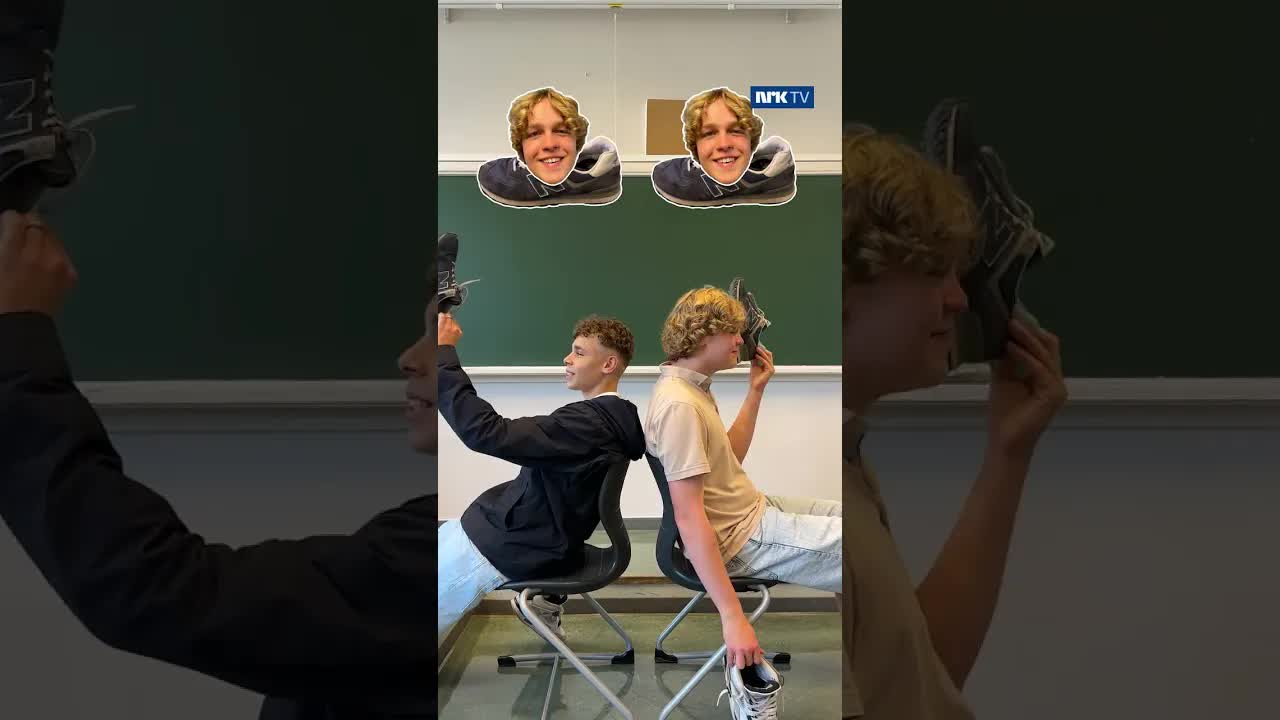
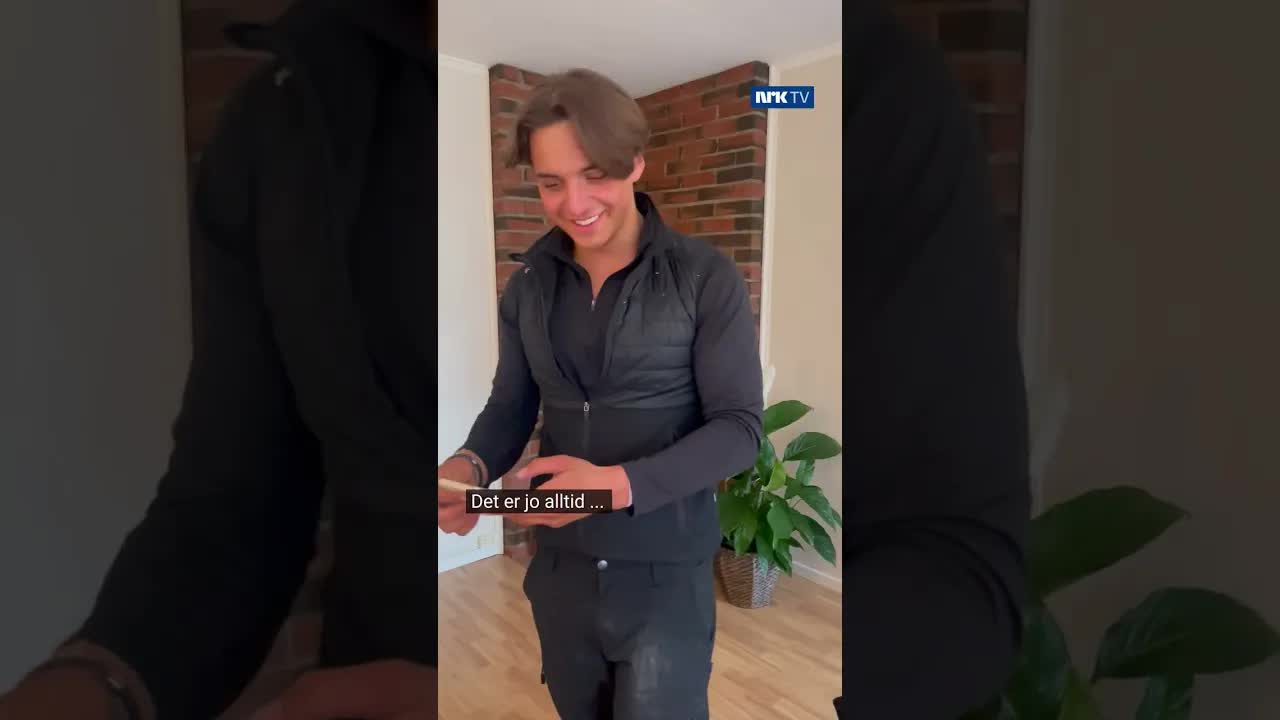
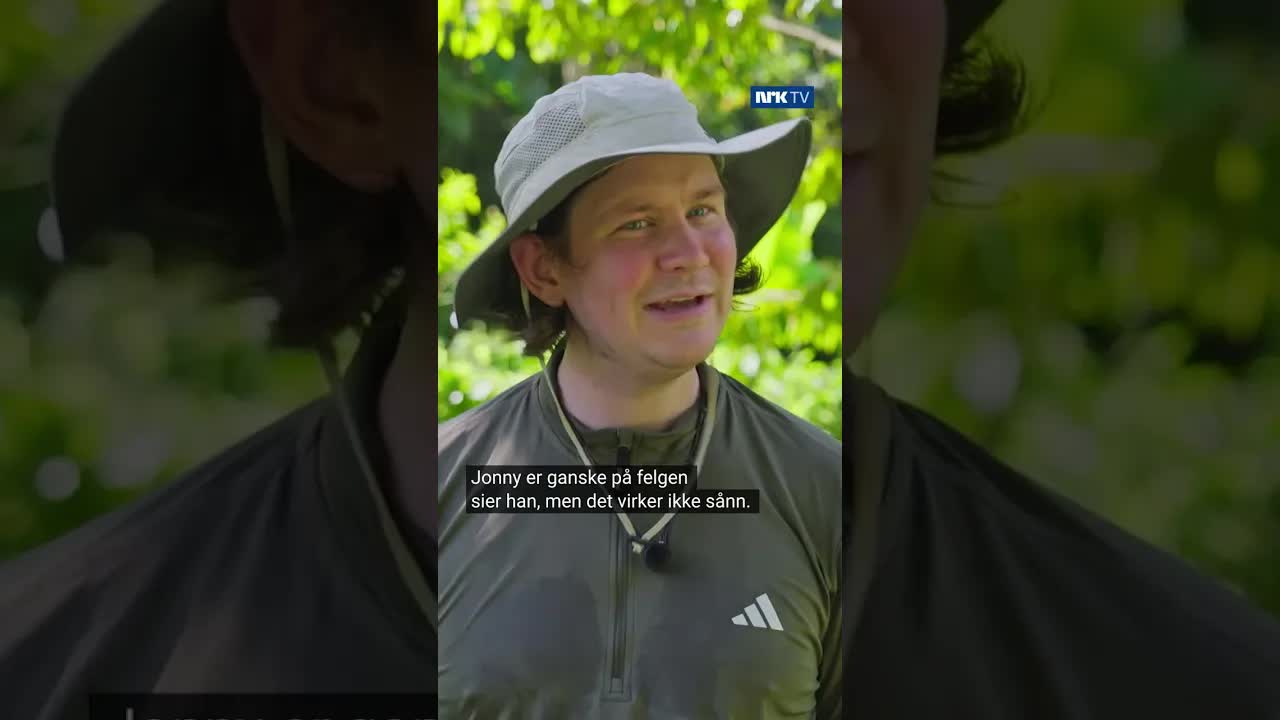
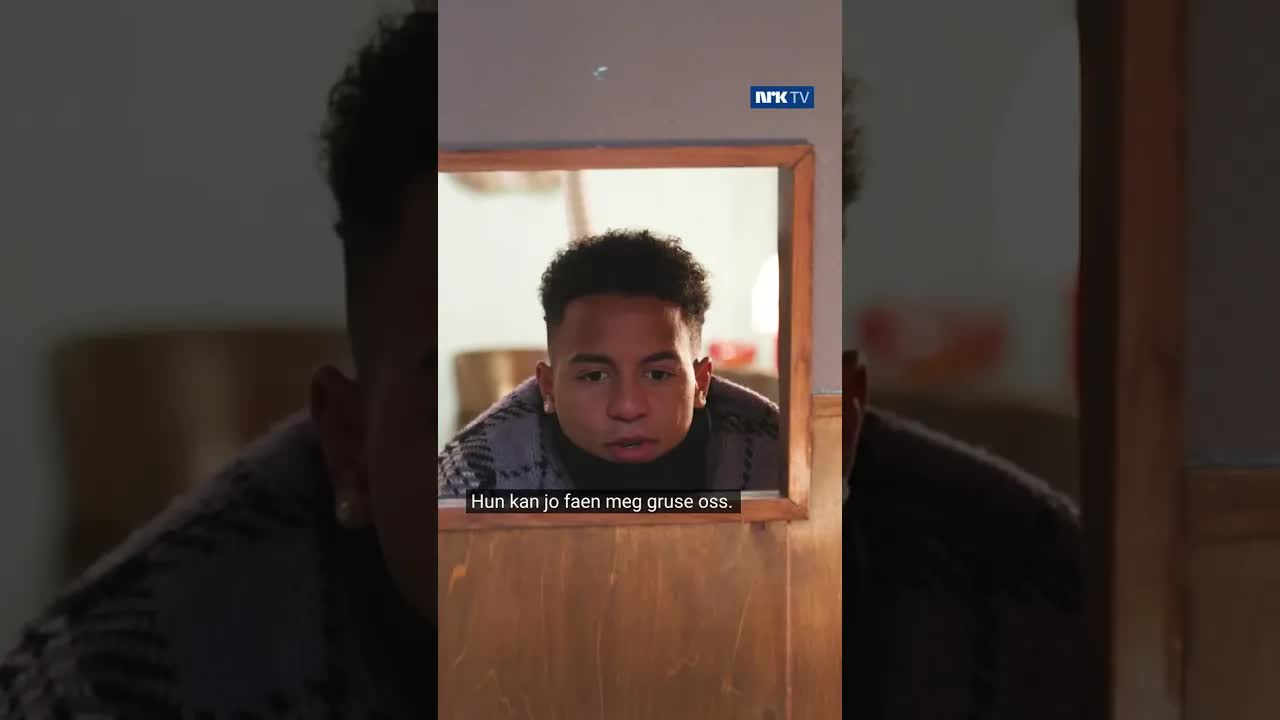
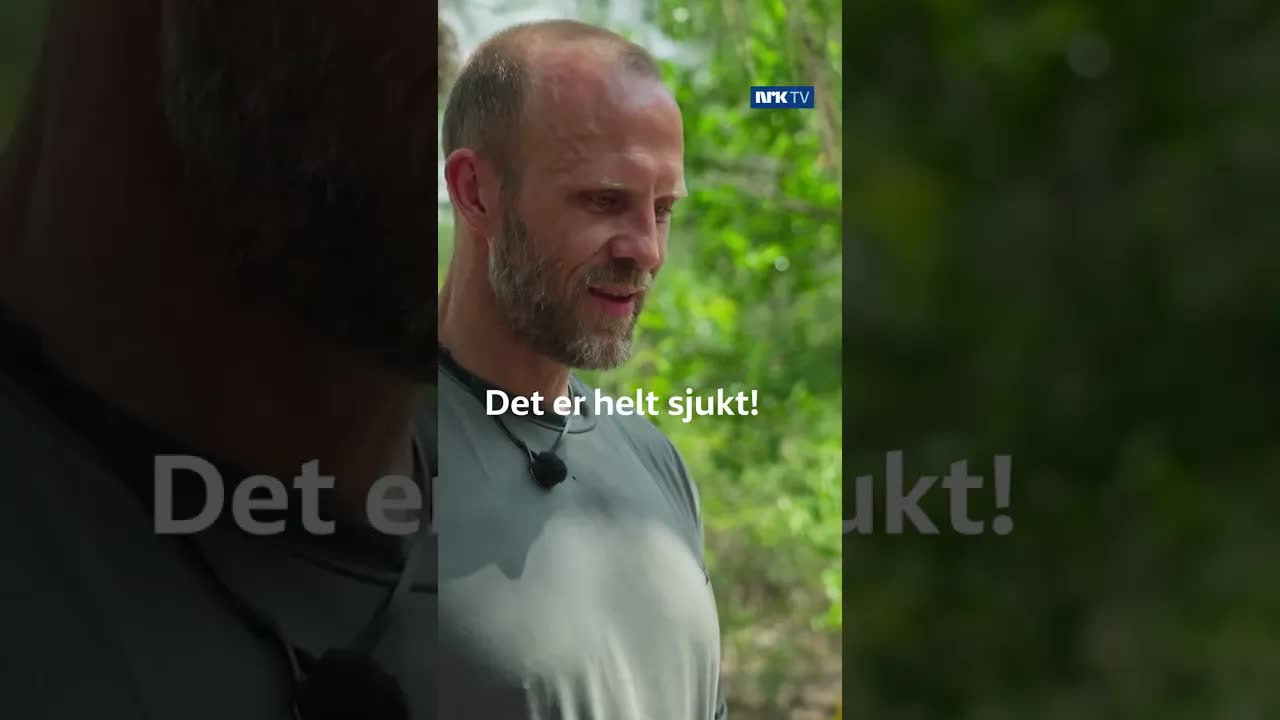
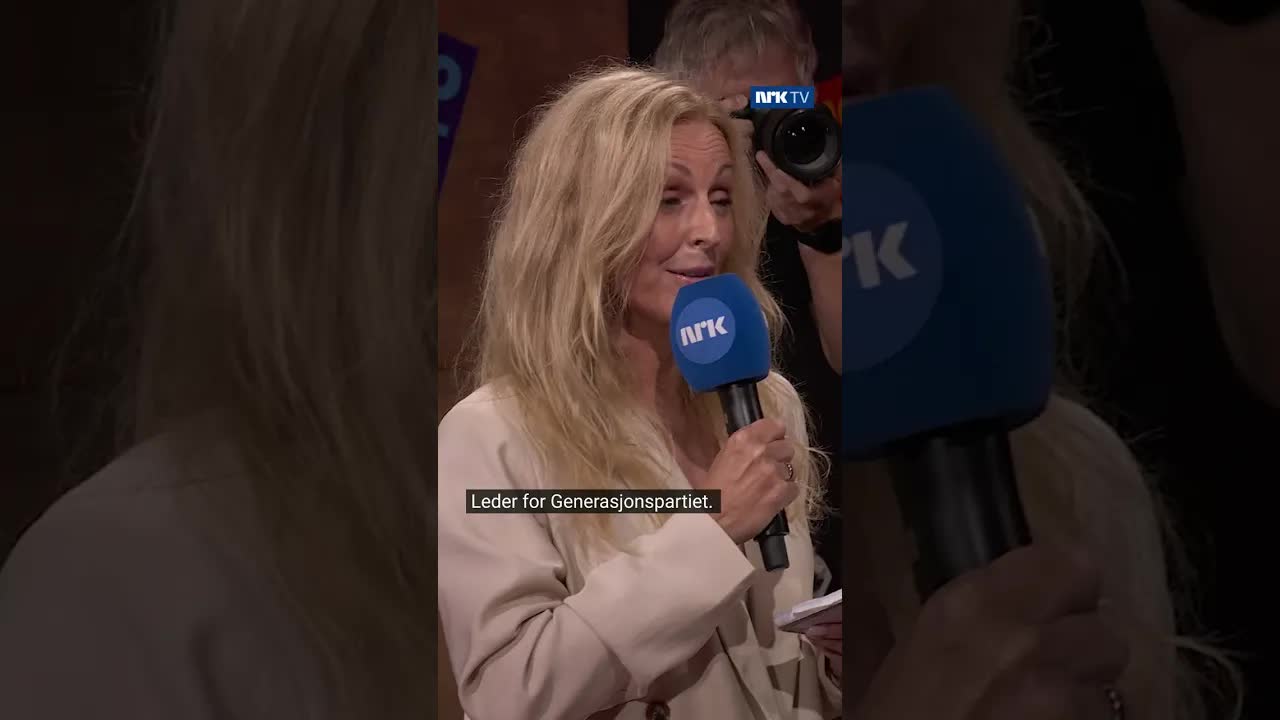
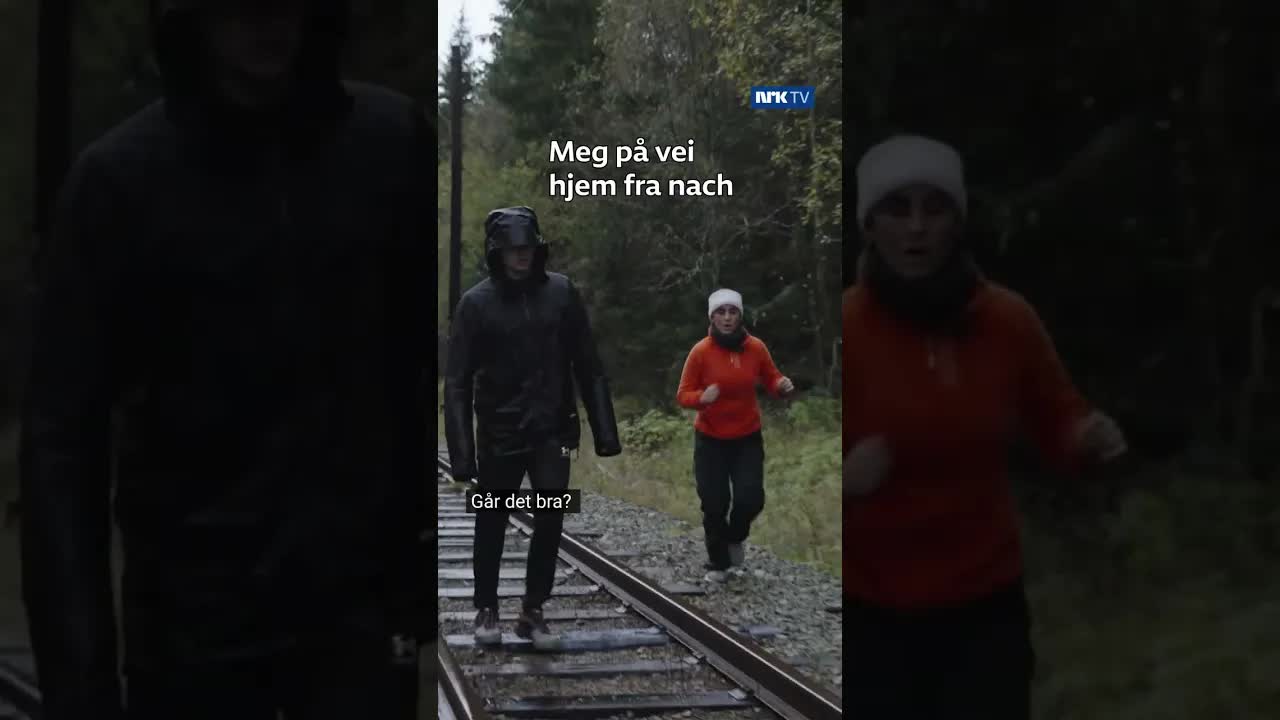
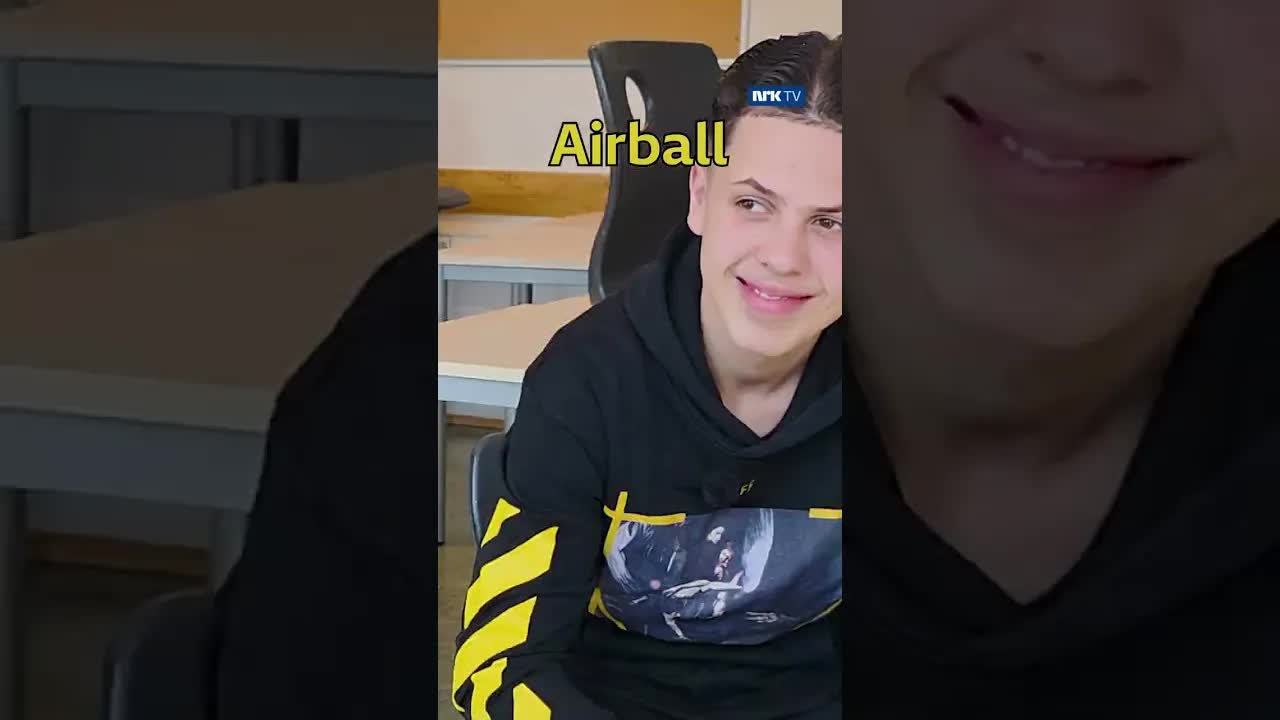
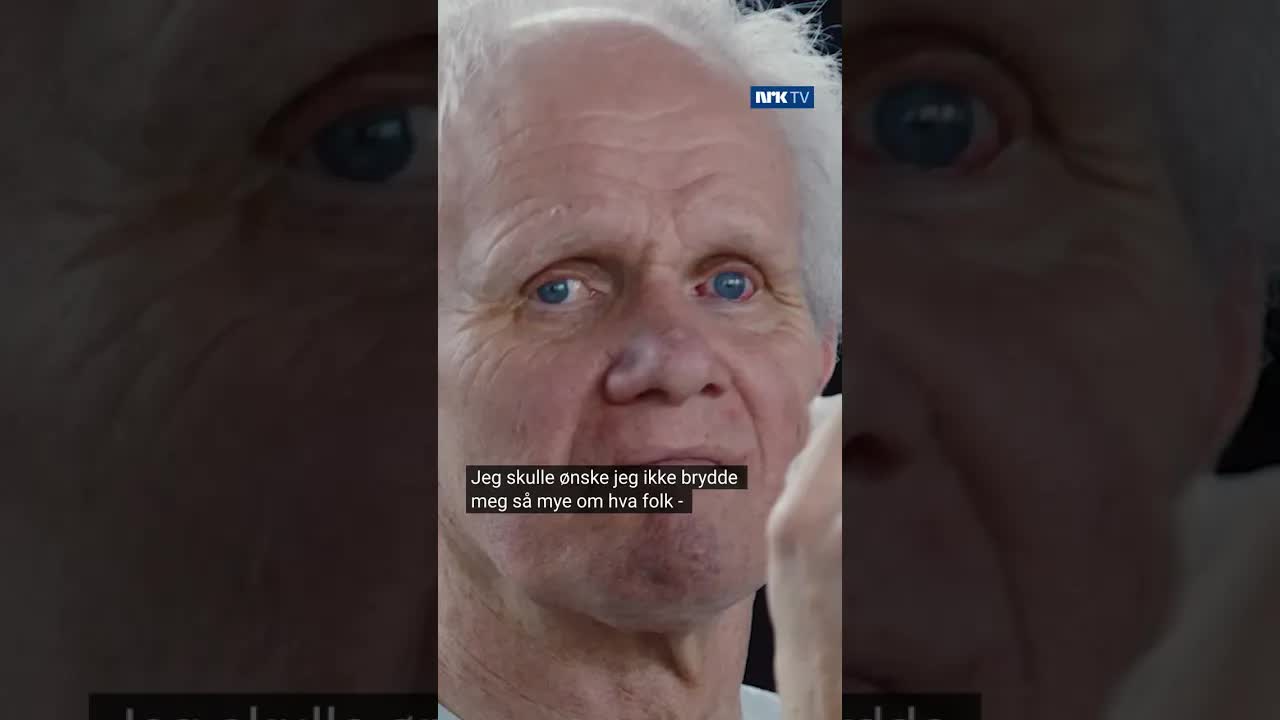

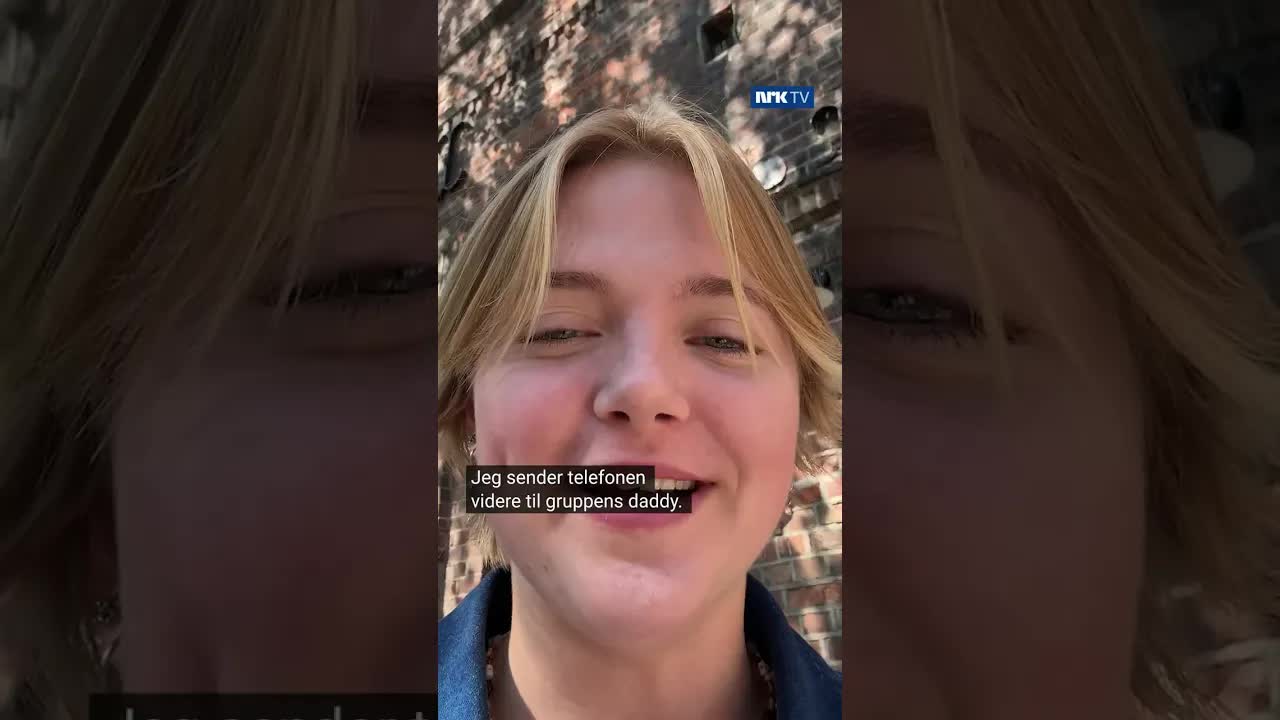
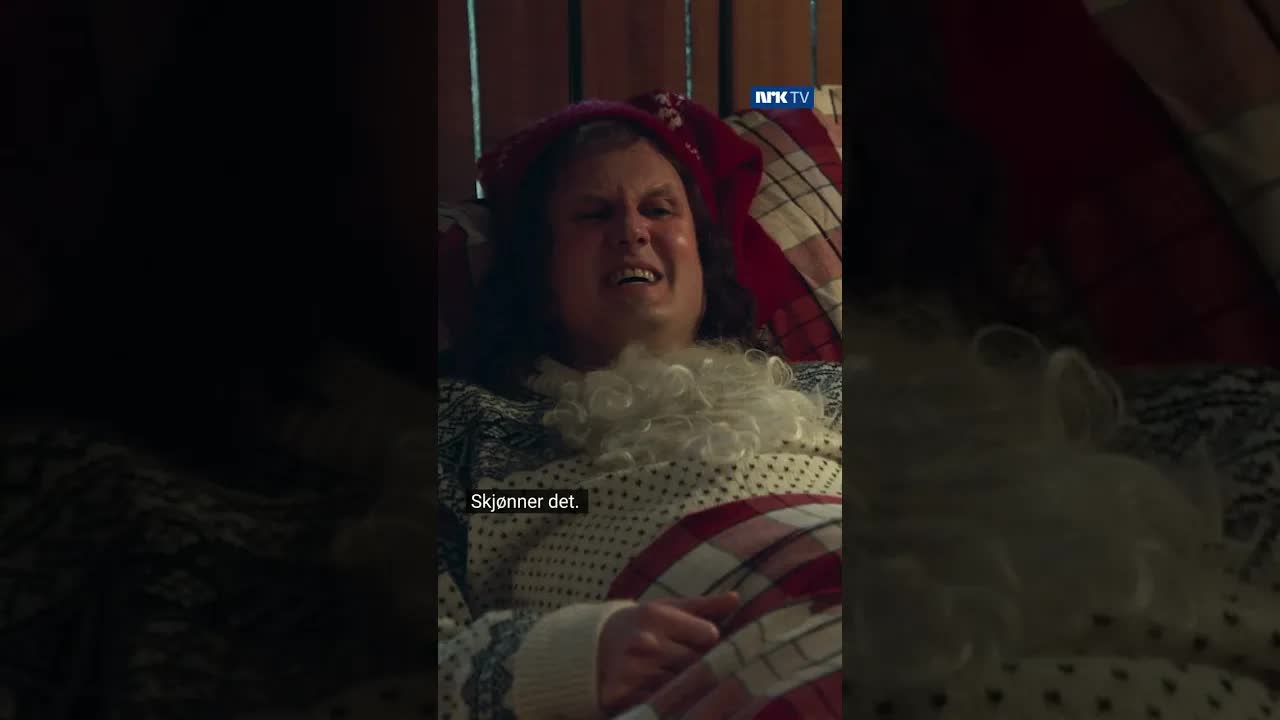
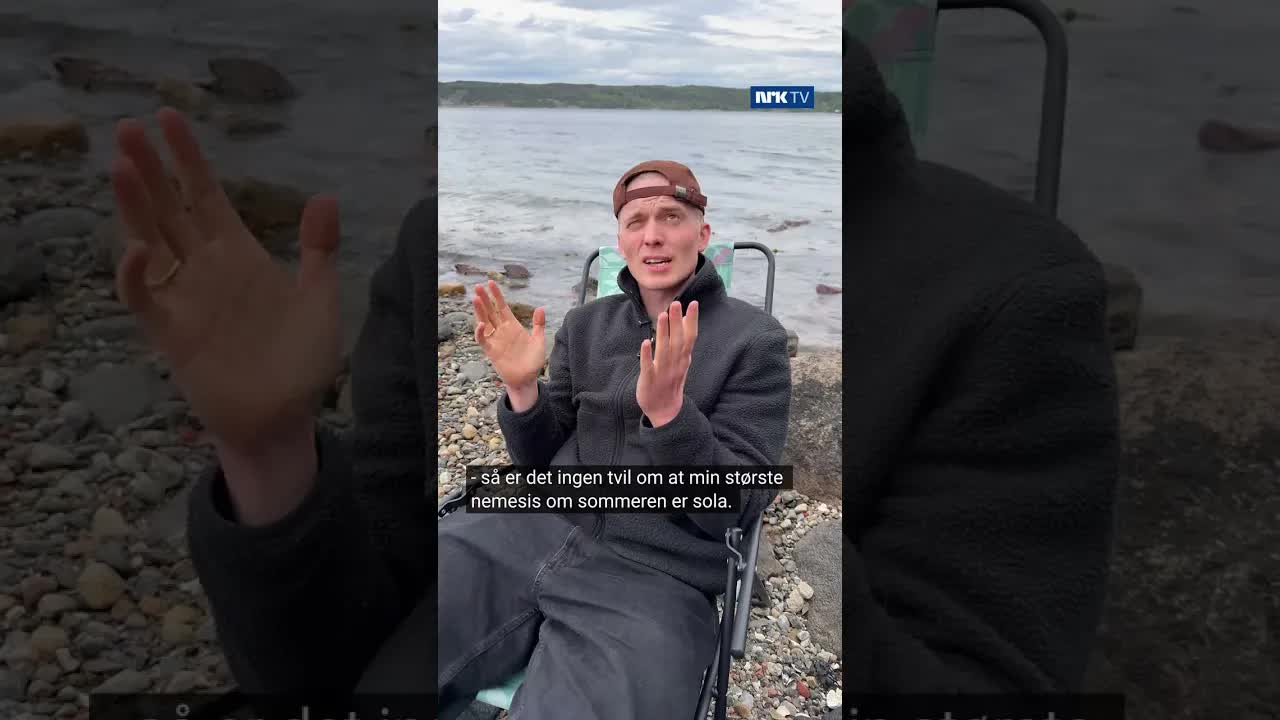

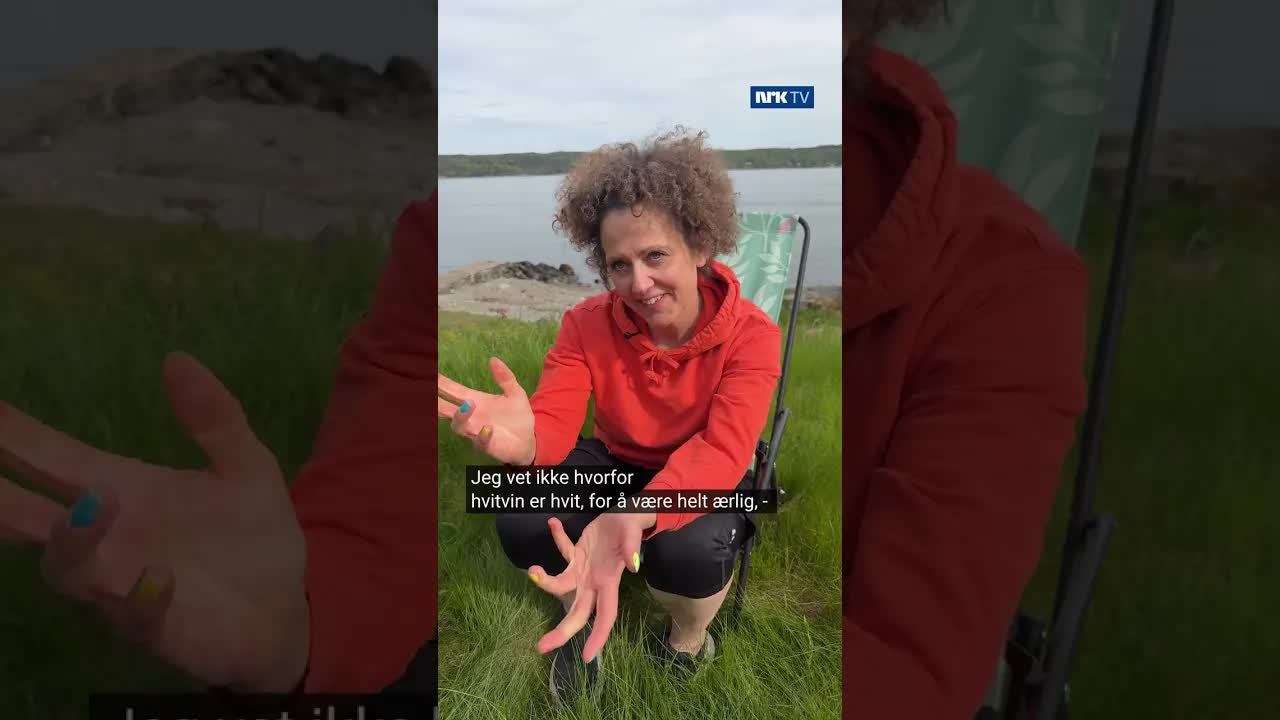

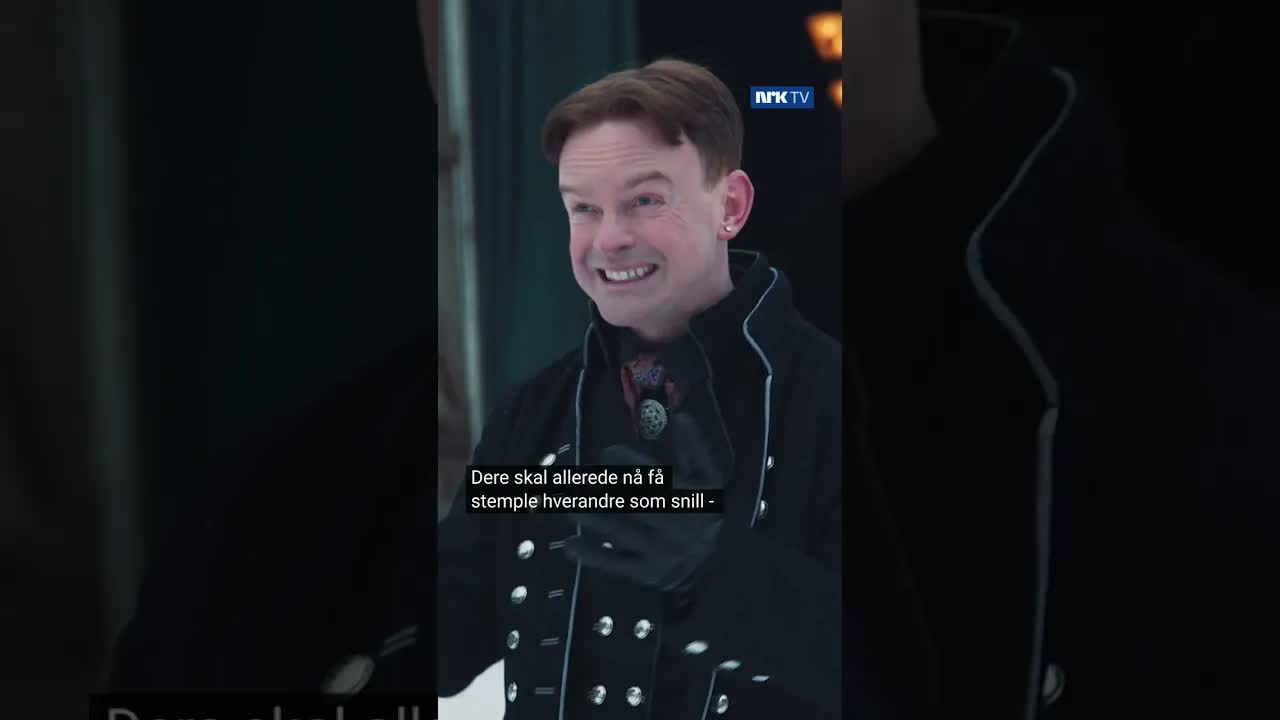

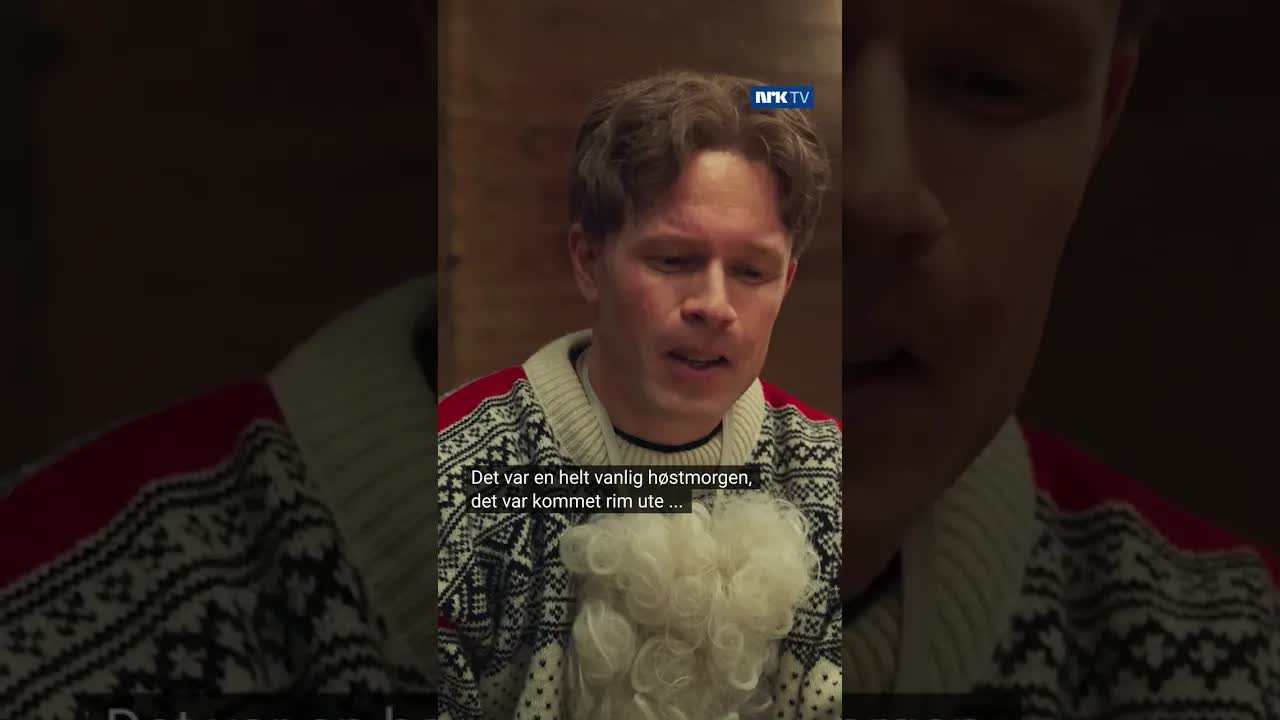



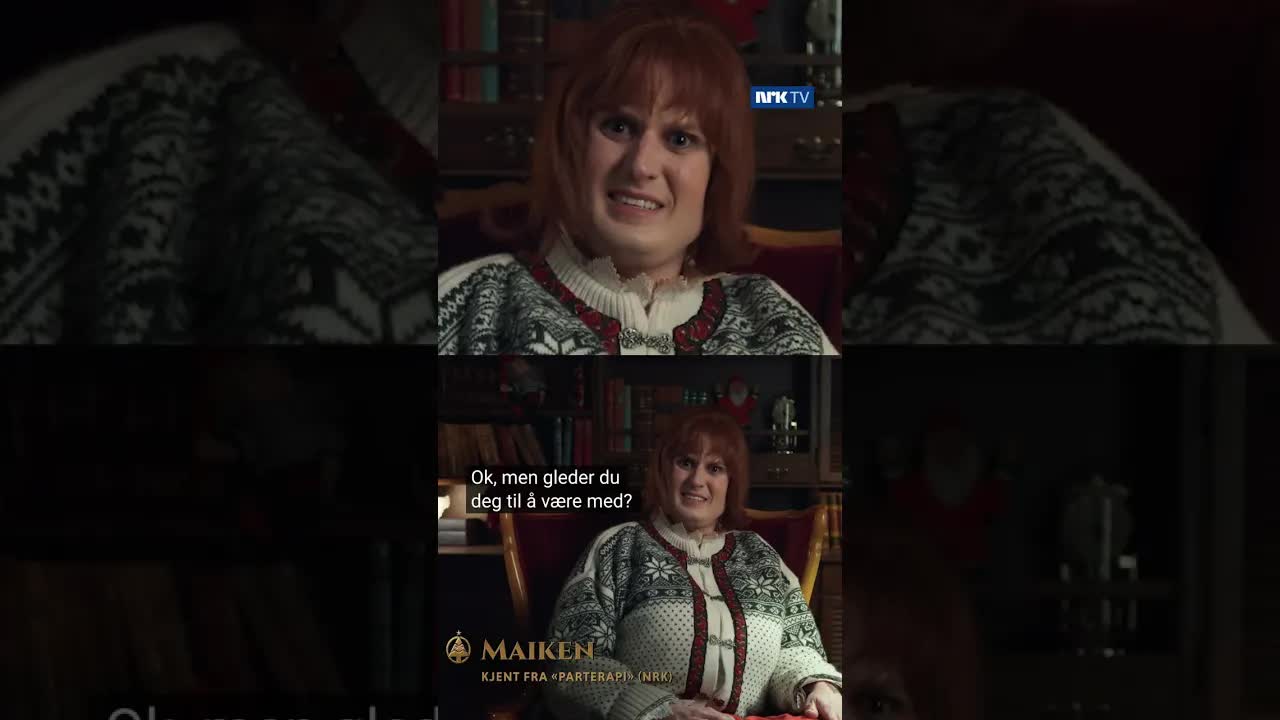
By Level
Find Norwegian videos at your level, then stretch upward as more regional accents start to feel like the same language.
By Listening Difficulty
Filter by how hard the audio is to follow, including speed, clarity, and how far the accent sits from standard Oslo speech.
By Topic
Explore real Norwegian by subject, situation, and learner interest, from daily life, food, and family to culture, humor, and work.
About this hub
About comprehensible input in Norwegian
What is comprehensible input?
Comprehensible input is language you can mostly follow, with a small amount that is still new. The idea is often associated with Stephen Krashen: people acquire language by understanding meaningful messages, not only by memorizing rules in isolation. Norwegian benefits from it in an unusual way: the grammar is approachable, but learners need real exposure to several different accents before any of them feel neutral.
Why real reels, not textbook dialogues
Norway treats dialect variety as normal. There is a written standard (two of them, actually, bokmål and nynorsk), but no neutral spoken version that everyone copies. The result is that a radio interview from Bergen, a clip from Trondheim, and someone on the bus in Oslo will all sound meaningfully different, and all of them count as real Norwegian. Reelang uses unscripted short-form video so that variety arrives in context, which is the only place it makes sense.
How to use this catalog
Start with your level, then choose a listening difficulty you can mostly follow. From there, browse by topic depending on what you want to work on. If one accent feels fine and another feels impossible, that is not a failure; it is the language being honest. Pick topics you would watch in English, and let exposure widen the range of accents your ear can handle.