Native Hungarian Comprehensible Input Video Catalog
Hungarian, through listening first.
Real short-form videos from native speakers: Hungarian in everyday speech, not in isolated grammar tables. Browse by level, topic, or listening difficulty.
16,457
Hungarian videos
2
Accents
Start watching in Hungarian
Reelang’s Hungarian video feed is TikTok-style: real videos from native Hungarian speakers, graded by level and speech speed, tagged by accent. As you scroll, it learns from how you watch and serves comprehensible input matched to your level.
Not sure? Just watch, we’ll find your level.
Accent
Level
Speed
Topic
Latest Hungarian videos
Showing 24 of 6,169 videos


















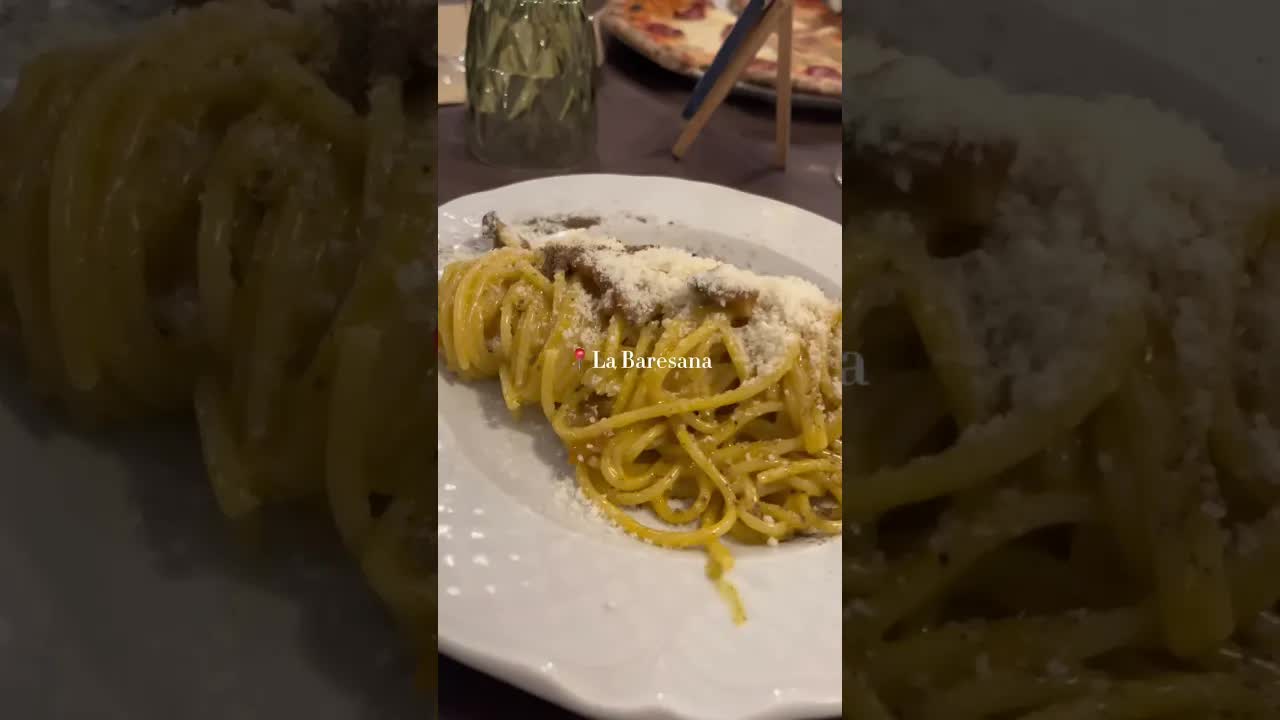
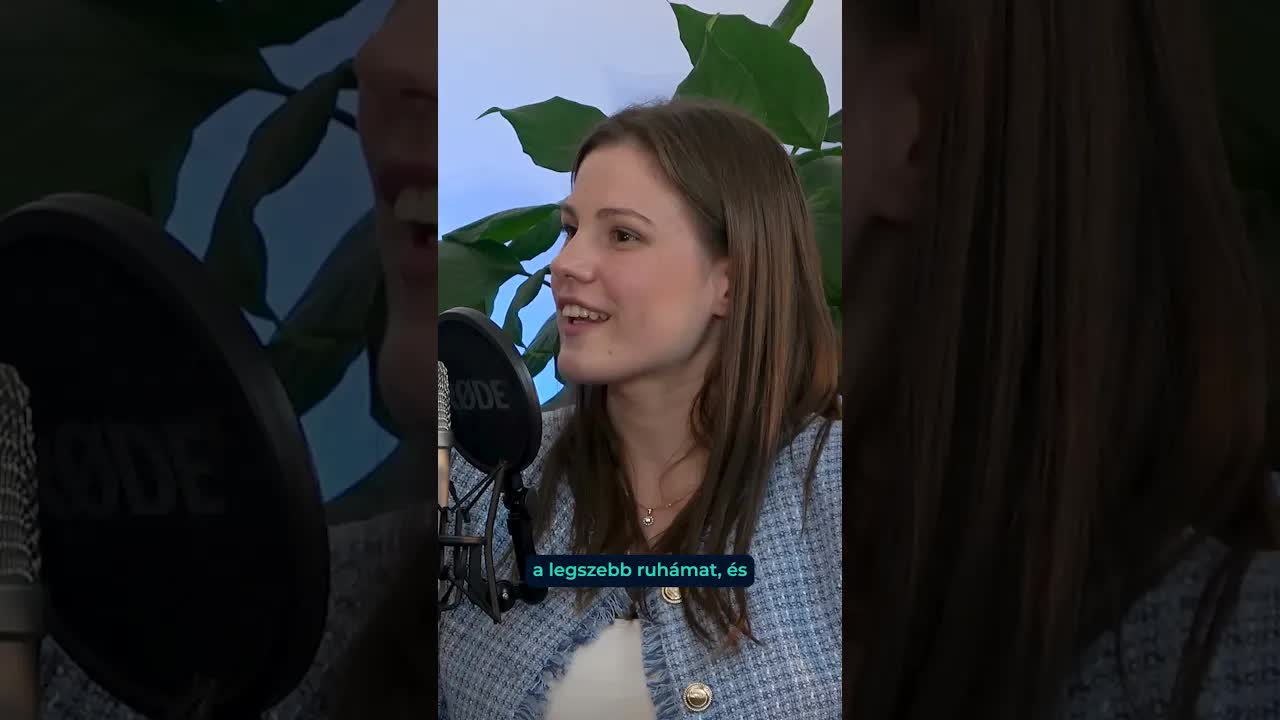





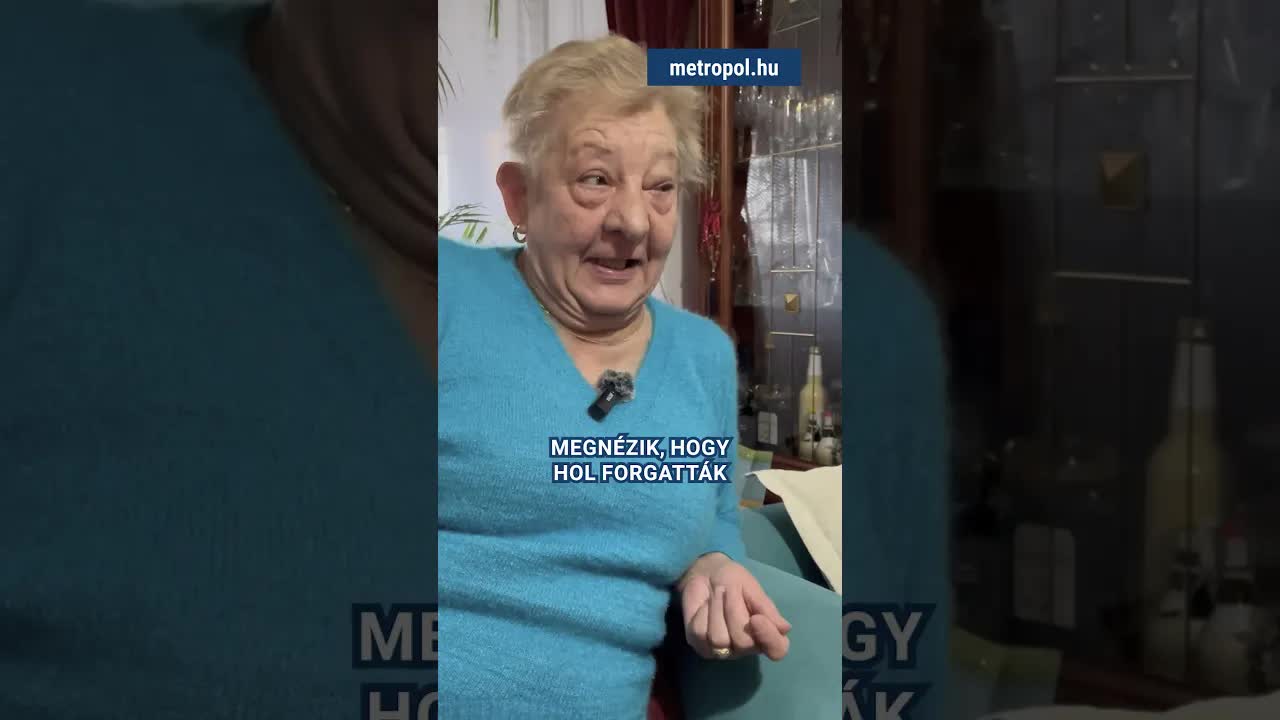
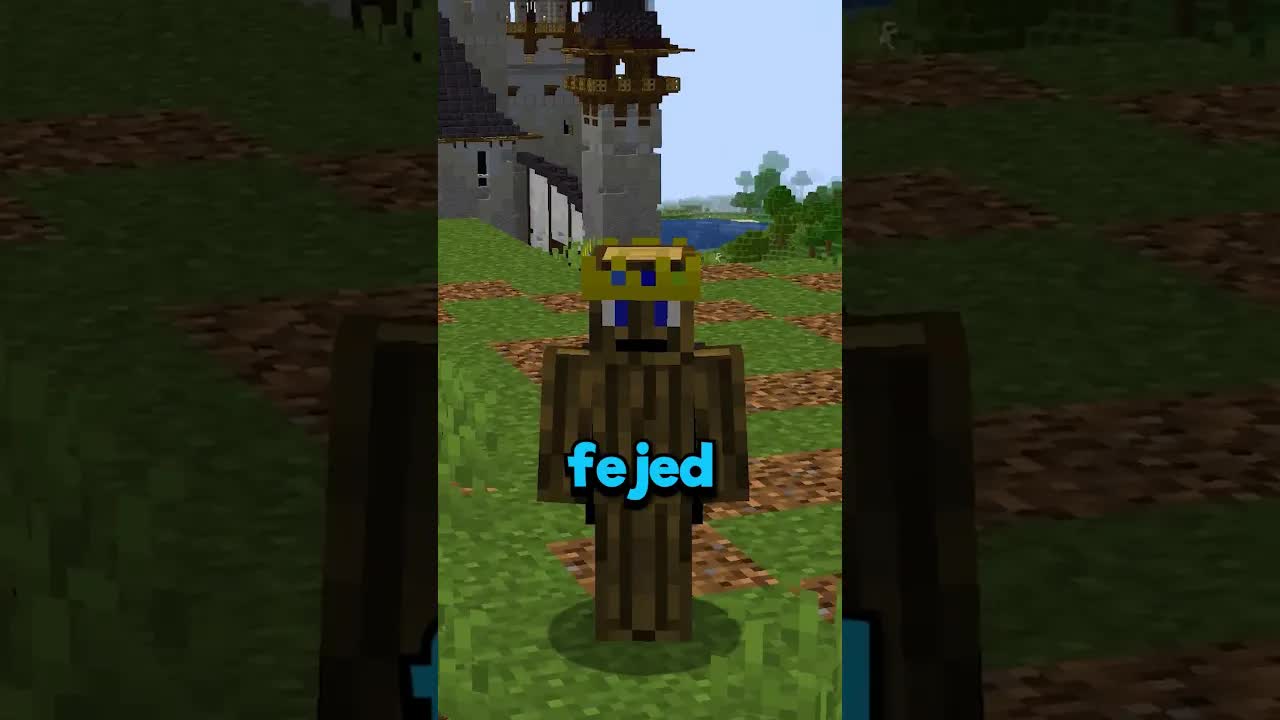





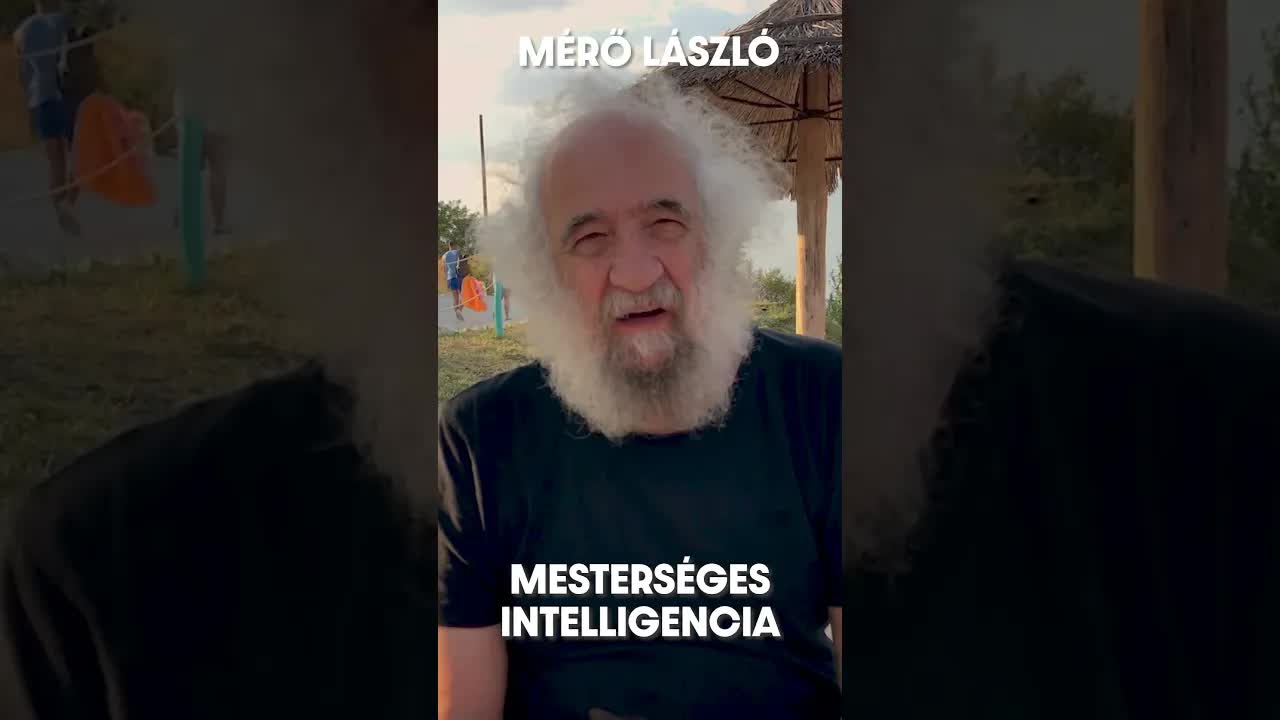





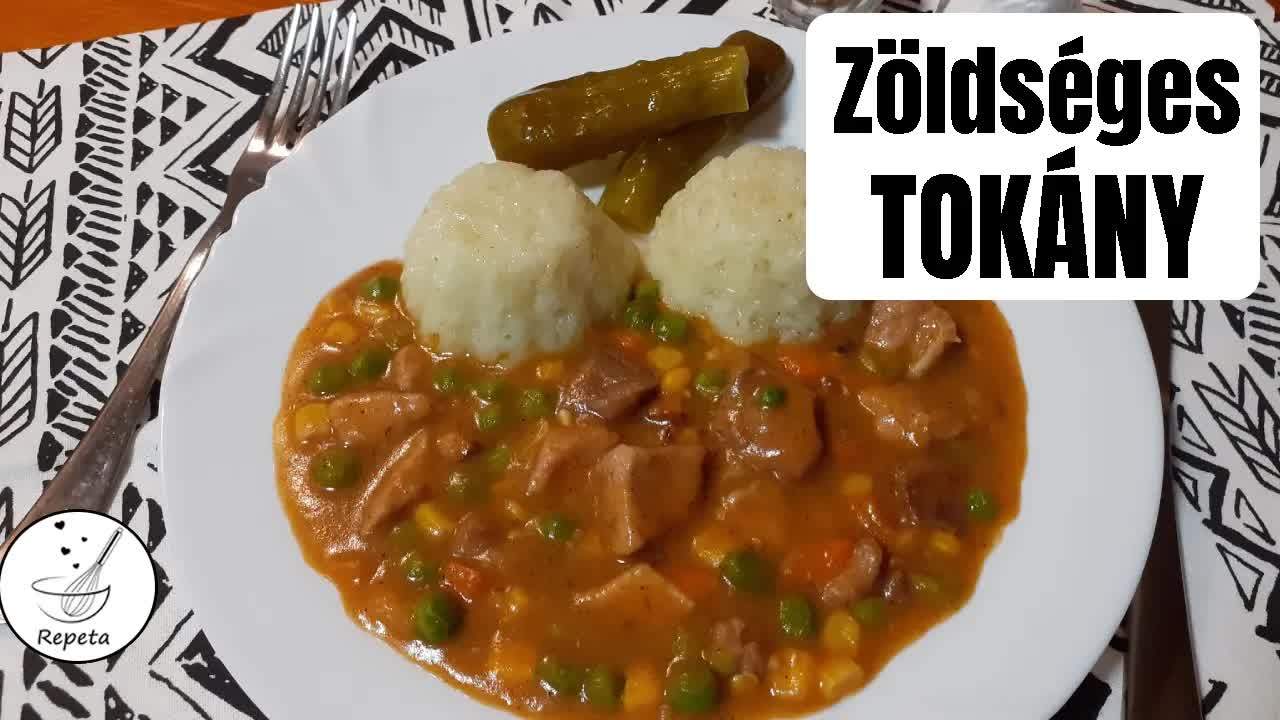


By Level
Find Hungarian videos at your level, then stretch upward as real spoken Hungarian starts to feel more familiar.
By Listening Difficulty
Filter by how hard the audio is to follow, including speed, clarity, and how much the surrounding context helps.
By Accent
Real Hungarian from native speakers: regional variation across the country.
By Topic
Explore real Hungarian by subject and everyday situation, from food, work, and family to culture, humor, and daily life.
About this hub
About comprehensible input in Hungarian
What is comprehensible input?
Comprehensible input means language you can mostly follow, with enough new material to stretch your ear. The idea, associated with Stephen Krashen, is that we acquire language by understanding meaningful messages, not by memorizing tables. For Hungarian, that matters because the language can feel overwhelming through grammar alone (cases, verb endings, vowel harmony) but starts to feel much more natural once you are listening to it in context. On Reelang, comprehensible input means real Hungarian short-form videos chosen to match your level while helping your ear catch up.
Why real reels, not textbook dialogues
A lot of Hungarian learning lives inside tables. Real Hungarian lives in natural speech, where cases arrive as small everyday endings instead of big conceptual challenges, and where vowel harmony shows up as an audible pattern rather than a written rule. Reelang pulls from unscripted short-form video so you hear Hungarian the way native speakers actually use it, in conversation, reactions, and everyday life.
How to use this catalog
Start with your level, then choose a listening difficulty you can mostly follow. From there, browse by topic depending on what you want to practice. If grammar tables feel heavier than the language deserves, shift some of that effort to listening, since pattern recognition catches up faster than most learners expect. If Hungarian spelling makes words look longer than they sound, that is exactly the gap real listening closes.