Hebrew listening difficulty
Under 120 WPM
Slow speech Hebrew
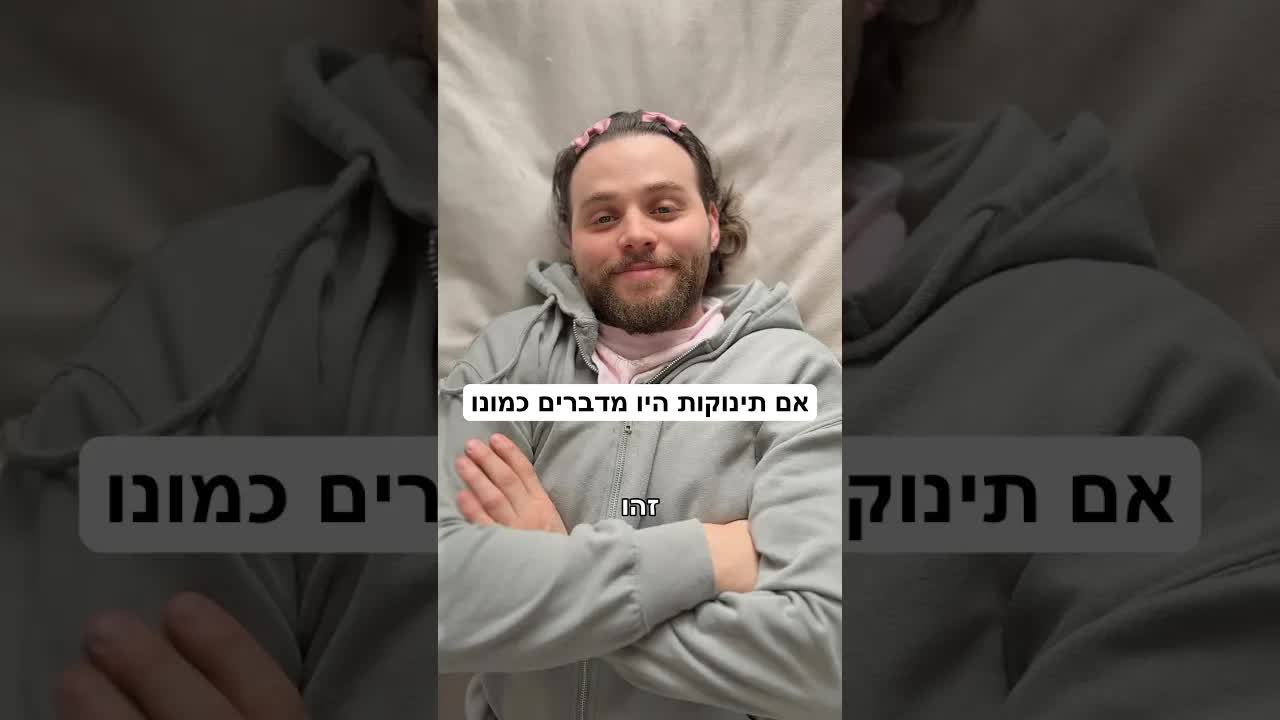
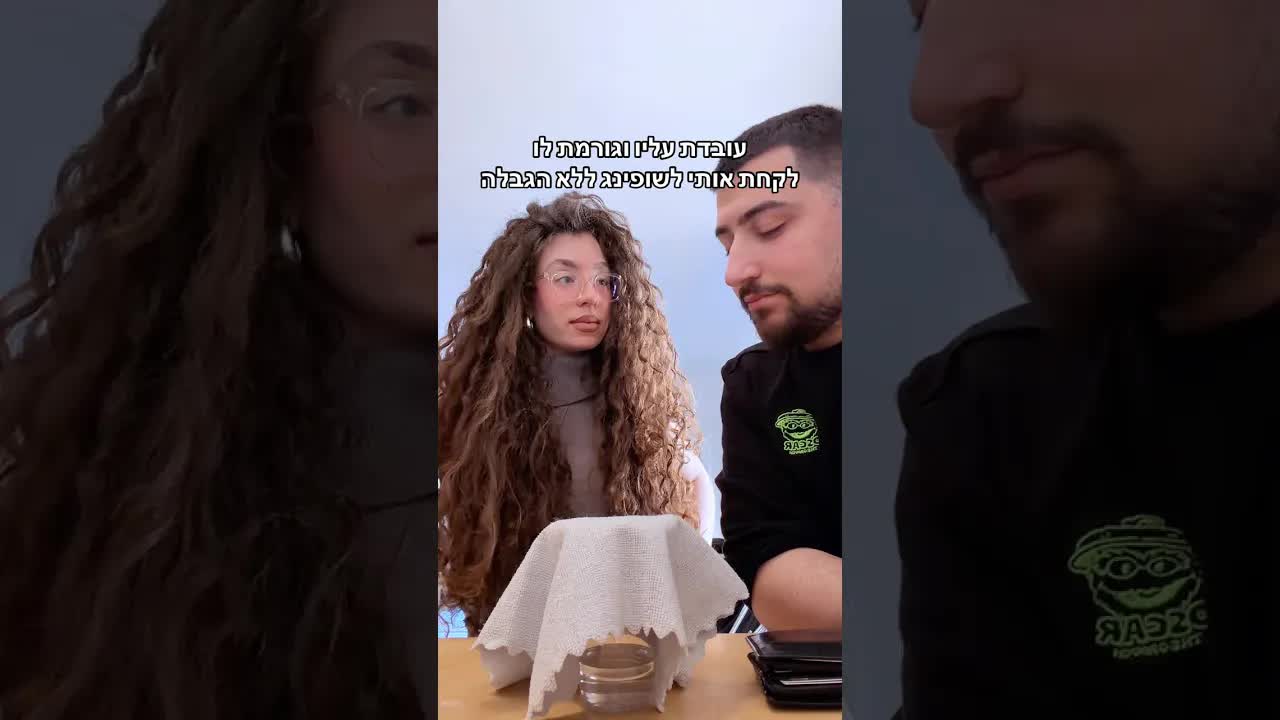
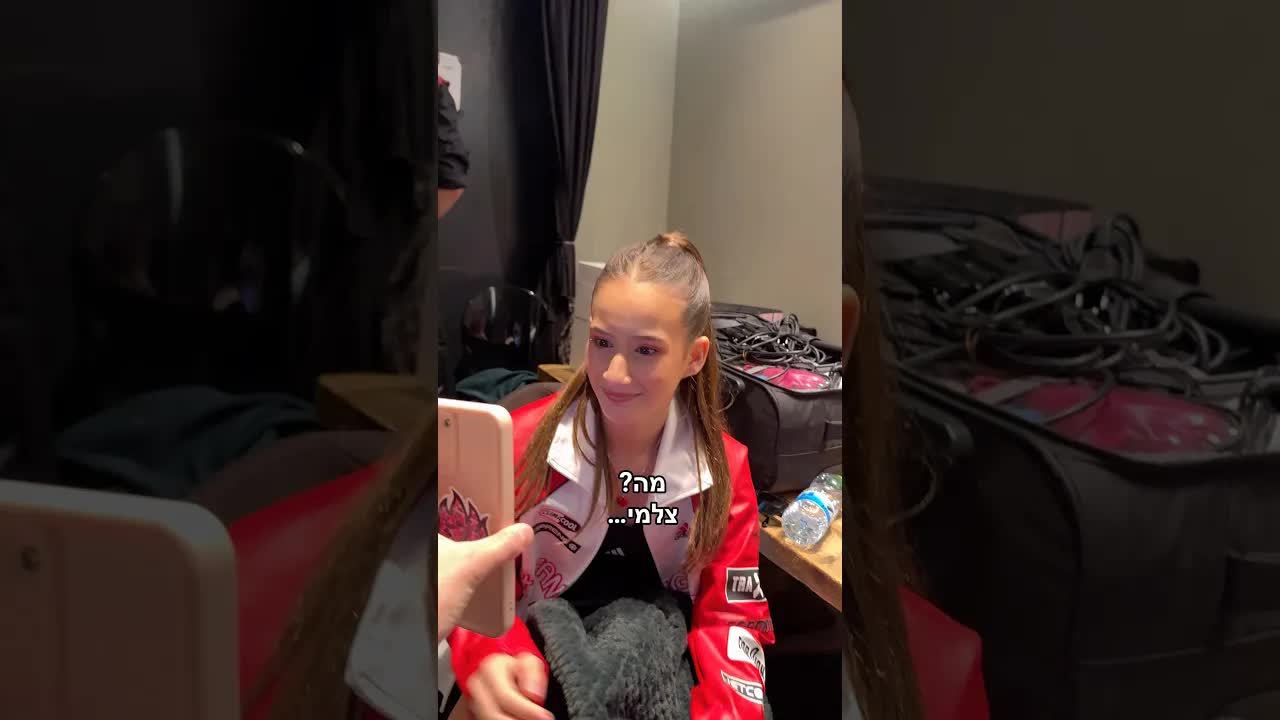
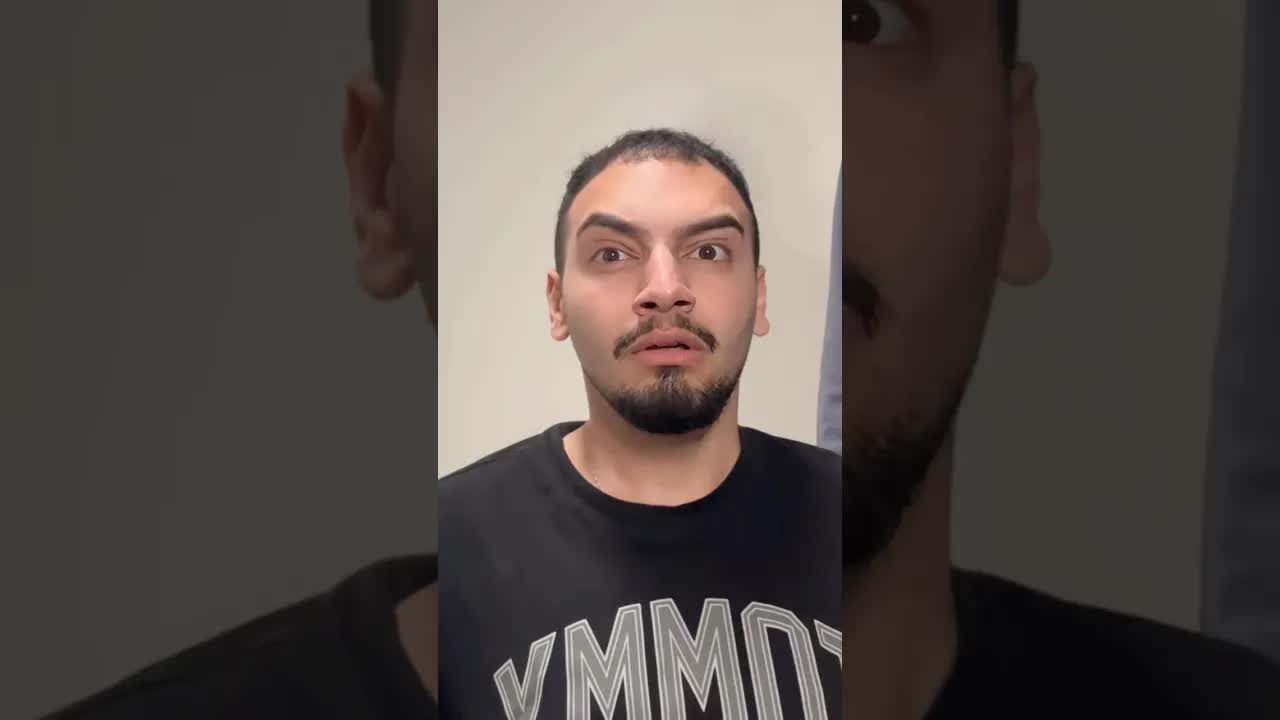
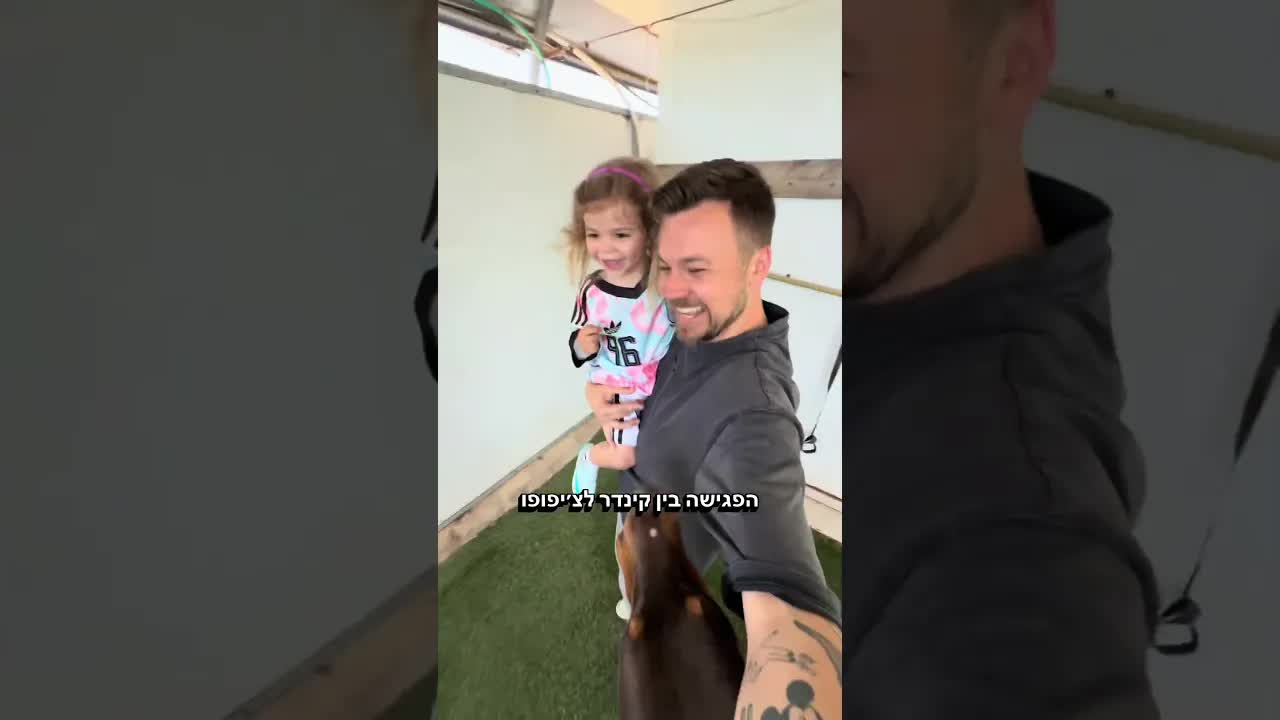
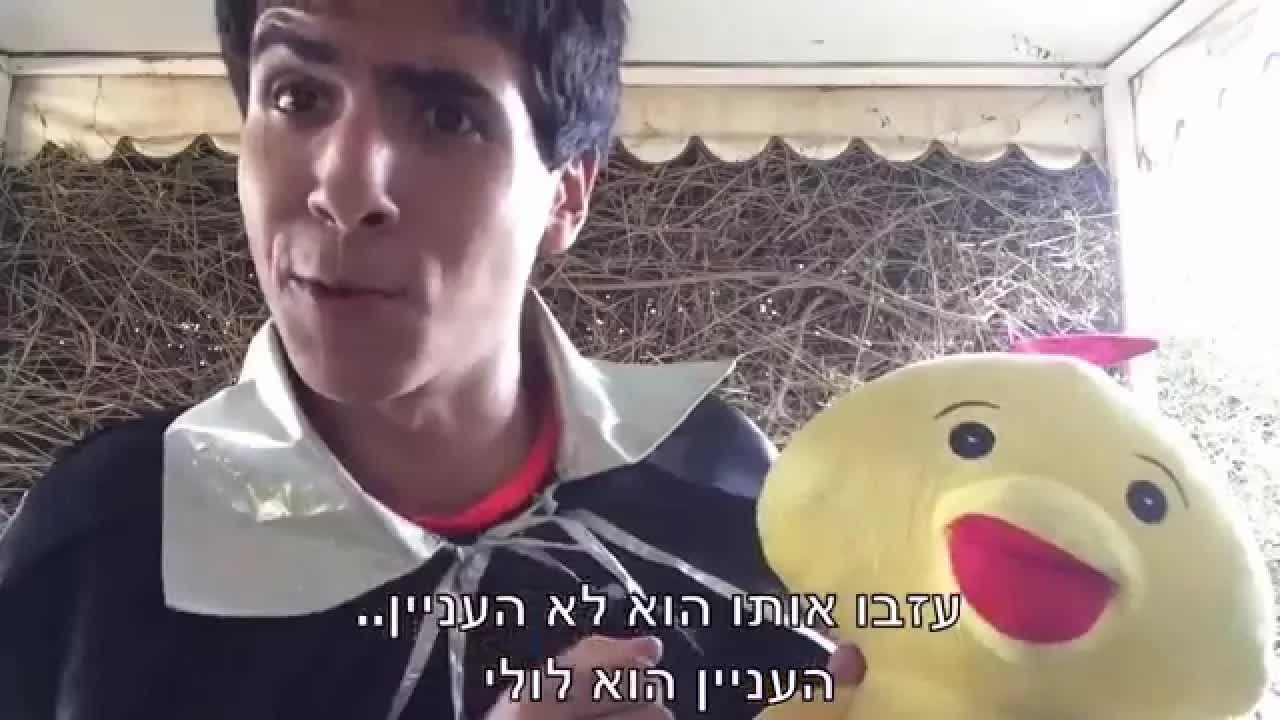
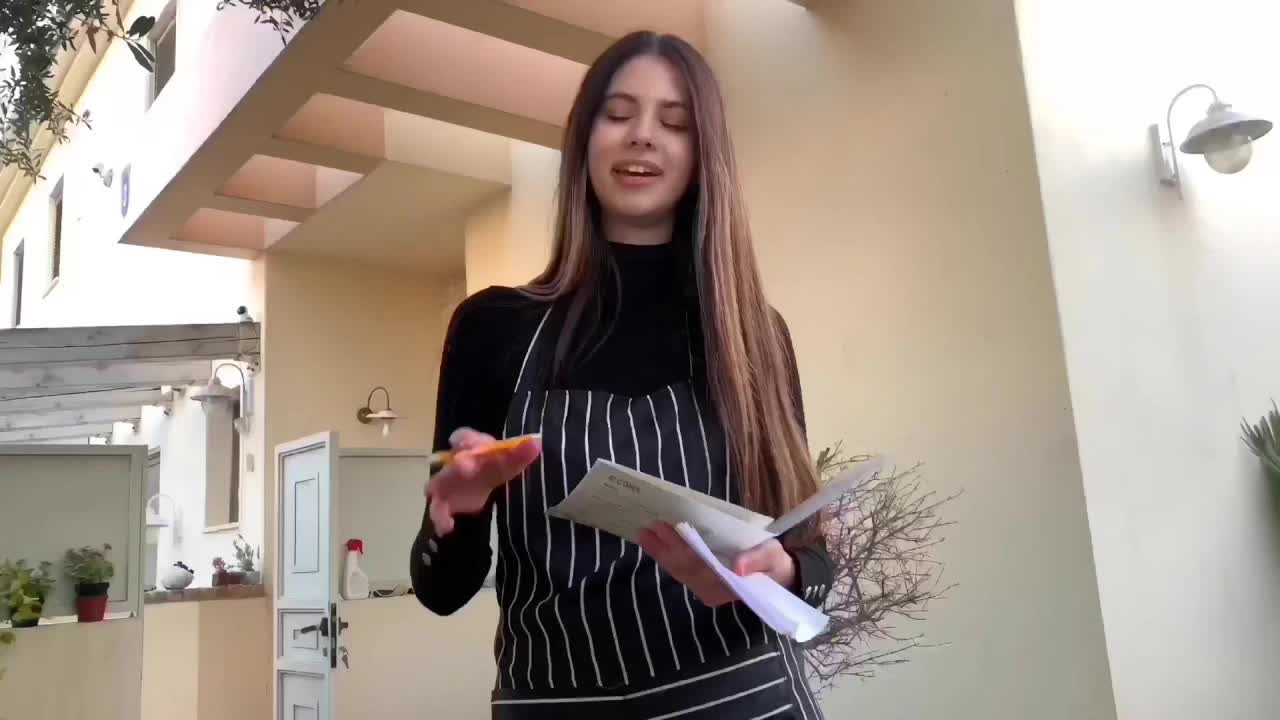
Real Hebrew at slow pace, where the vowels usually missing from text get pronounced fully and roots like כ-ת-ב show through every form.
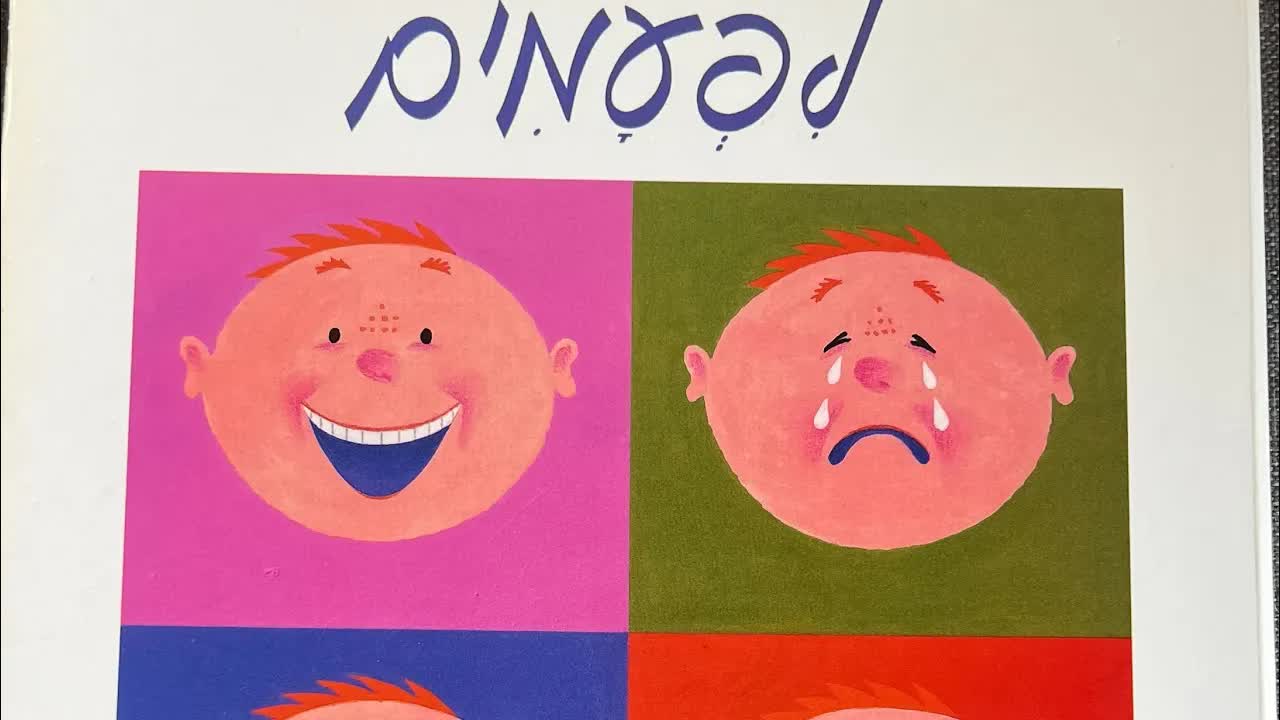
Slow Hebrew is where vowels finally show up. Most Hebrew text drops them, so the spoken form is where you first meet the full word: katav (he wrote), kotev (he writes), katuv (written) all share the כ-ת-ב root, and slow pace lets the ear hear them as variations on the same skeleton. Children’s bedtime stories, songs about colours, and simple breakfast videos stay in the everyday vocabulary classroom Hebrew uses, with speakers holding each syllable long enough for the ear to catch the consonant pattern before the vowel folds it into a different word. Pick a story, listen once for the consonants of the root, then again for the vowel pattern that turns it into a tense or a noun.
Want to explore beyond the curated set? Slow, clear Hebrew at this level lives in genres like:
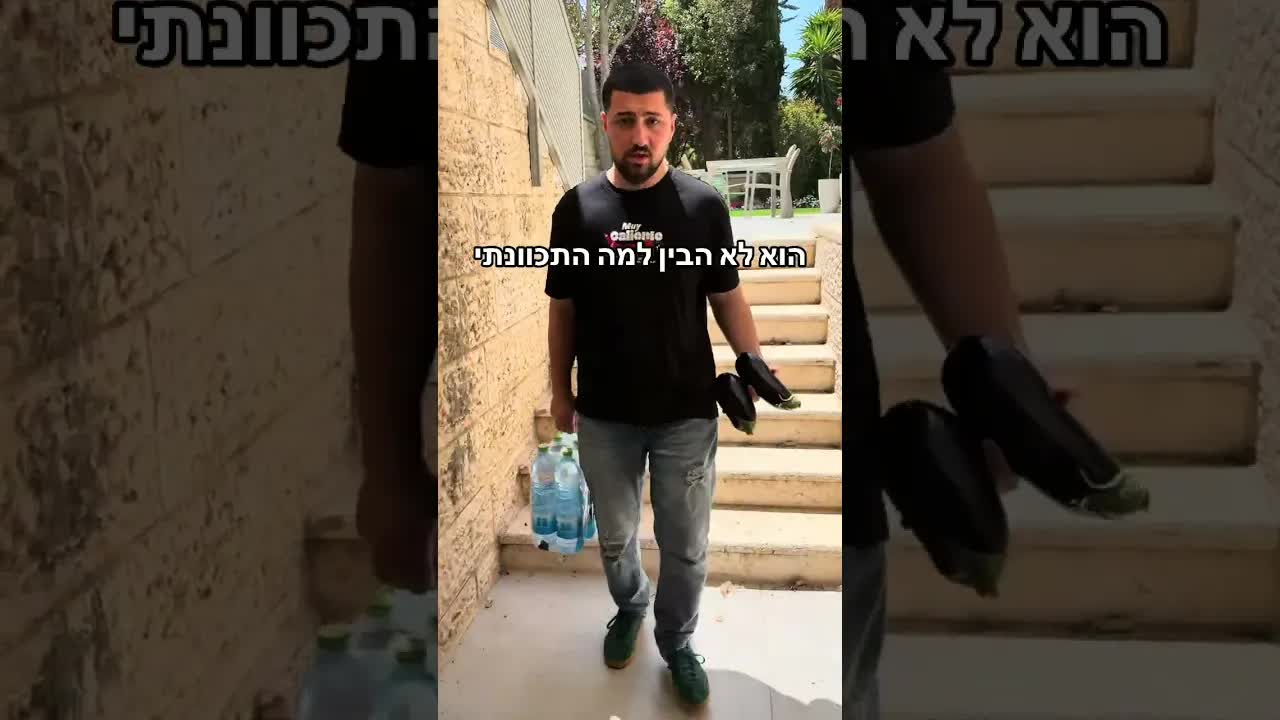
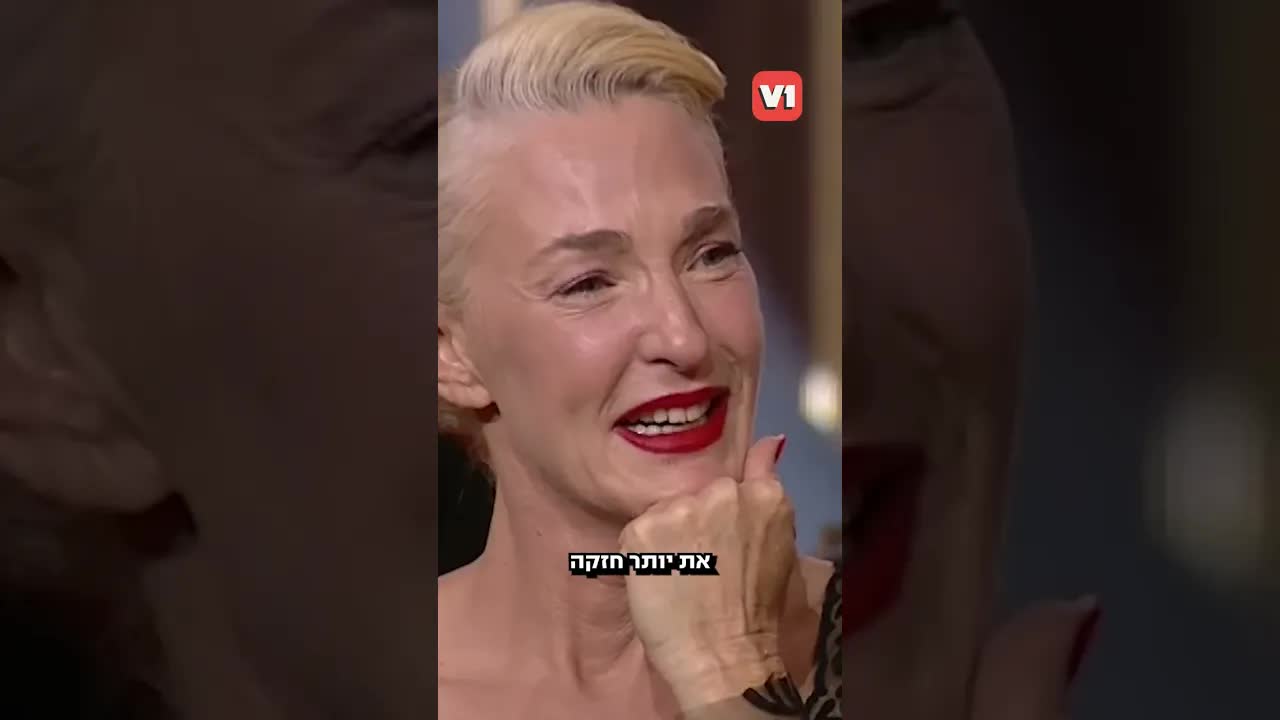
Reelang’s Hebrew video feed is TikTok-style: real videos from native Hebrew speakers, graded by level and speech speed, tagged by accent. As you scroll, it learns from how you watch and serves comprehensible input matched to your level.
Open the Hebrew video feedAccent
Level
Speed
Topic
Filtered results