Native Tamil Comprehensible Input Video Catalog
Tamil, far from the written form.
Real short-form videos from native Tamil speakers across Tamil Nadu and the Tamil-speaking world. Written Tamil and spoken Tamil are genuinely distinct: learning one does not automatically give you the other.
2,314
Tamil videos
2
Accents
Start watching in Tamil
Reelang’s Tamil video feed is TikTok-style: real videos from native Tamil speakers, graded by level and speech speed, tagged by accent. As you scroll, it learns from how you watch and serves comprehensible input matched to your level.
Not sure? Just watch, we’ll find your level.

Accent
Level
Speed
Topic
Recommended Tamil videos






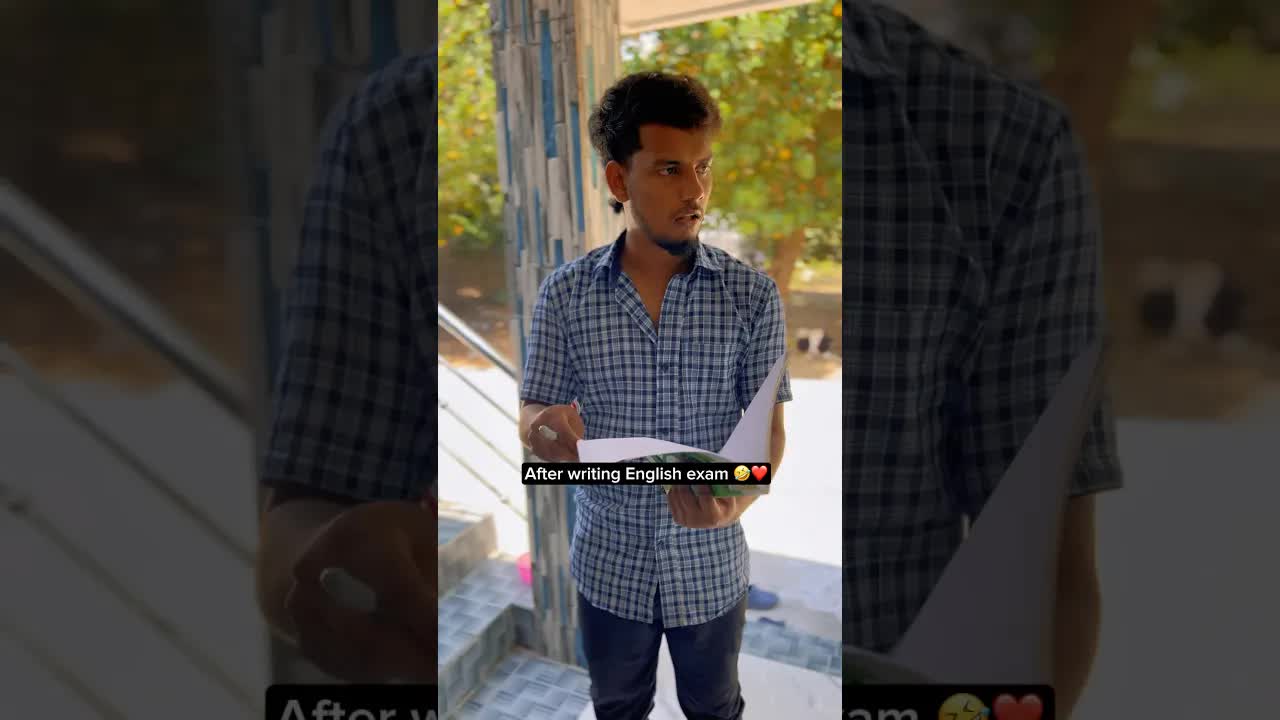
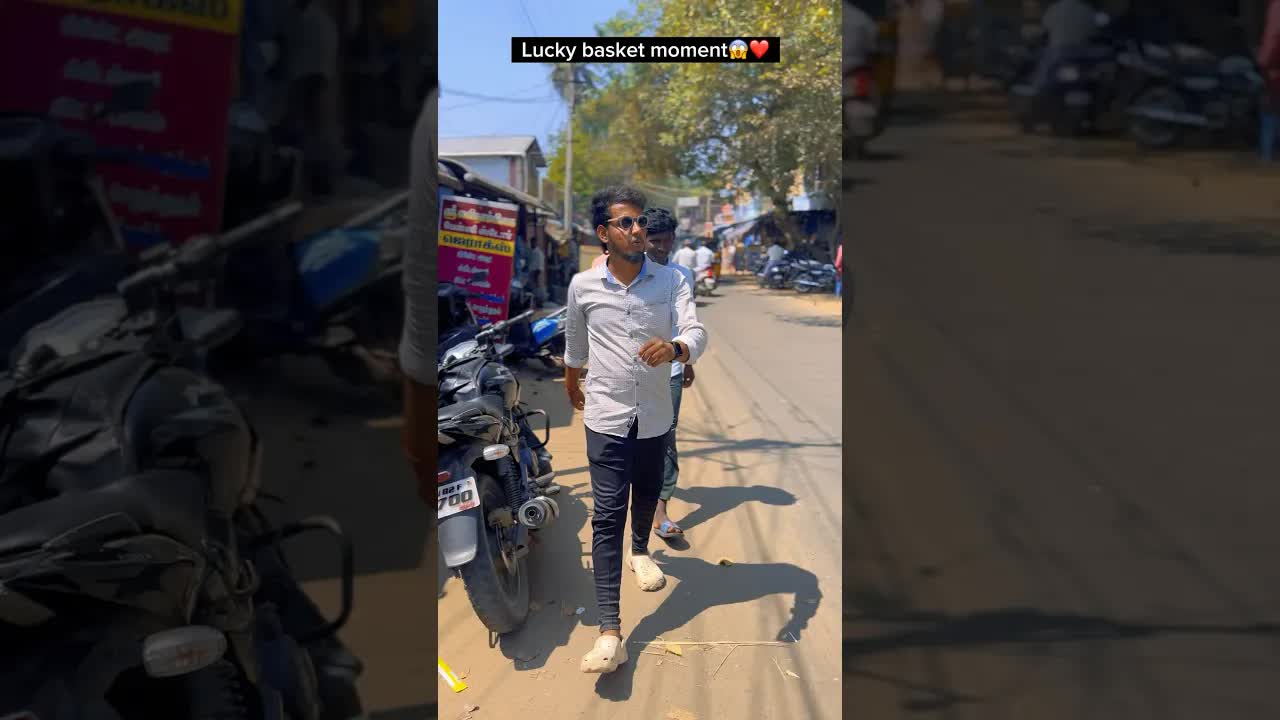

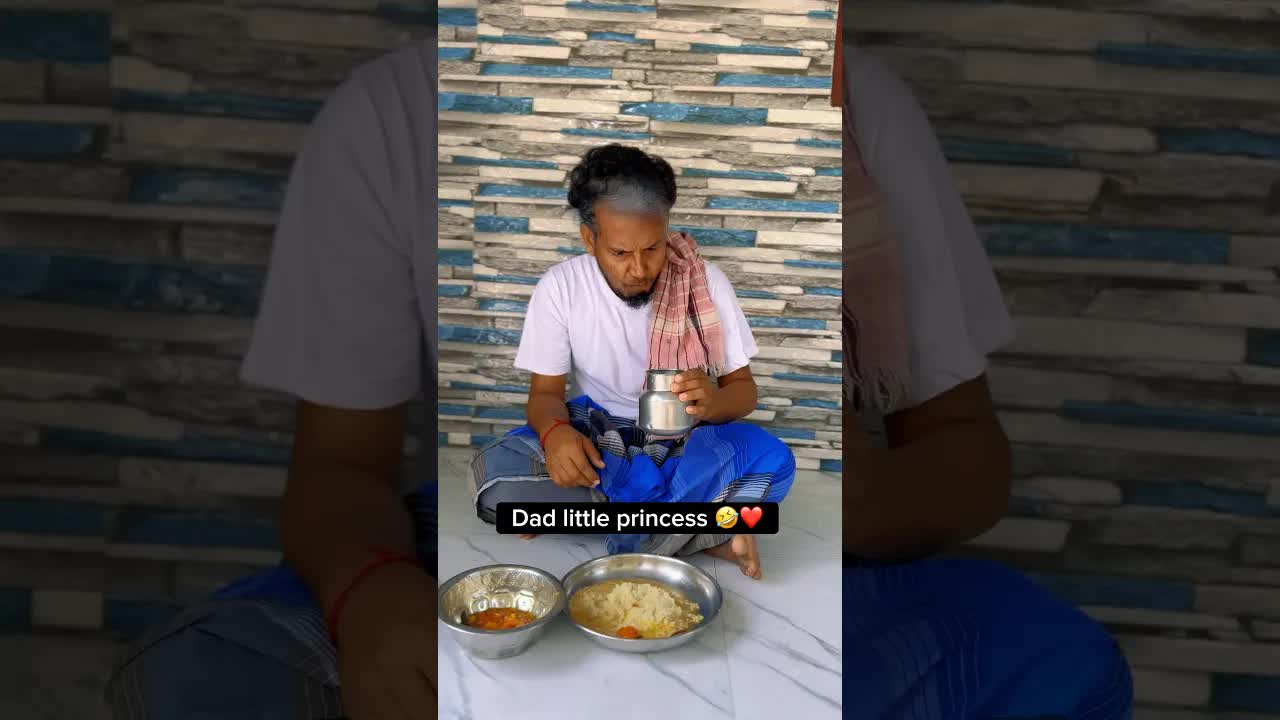
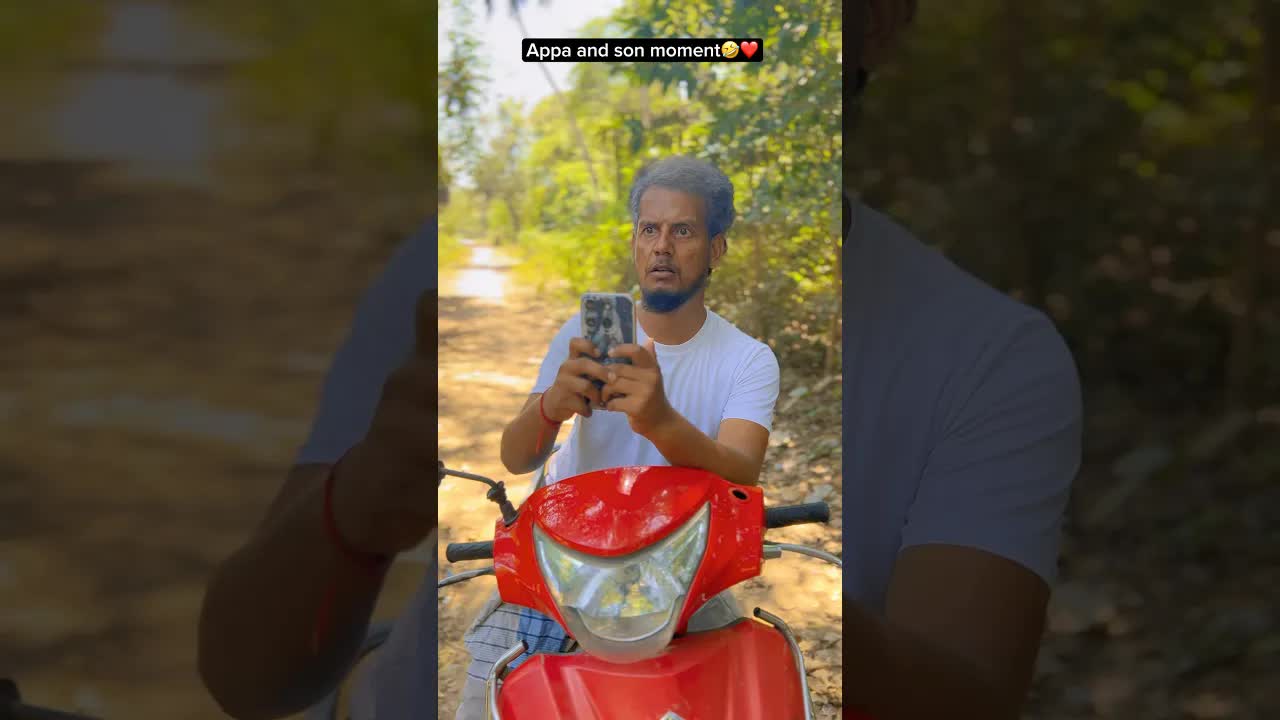
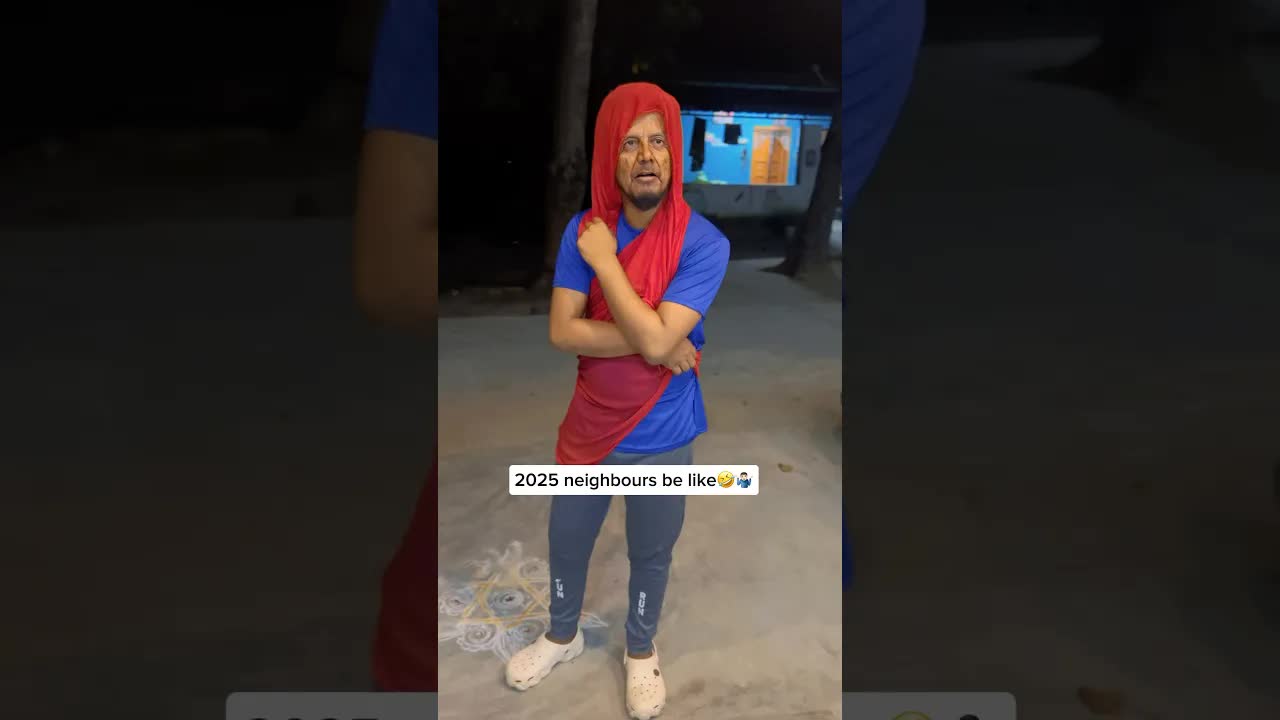



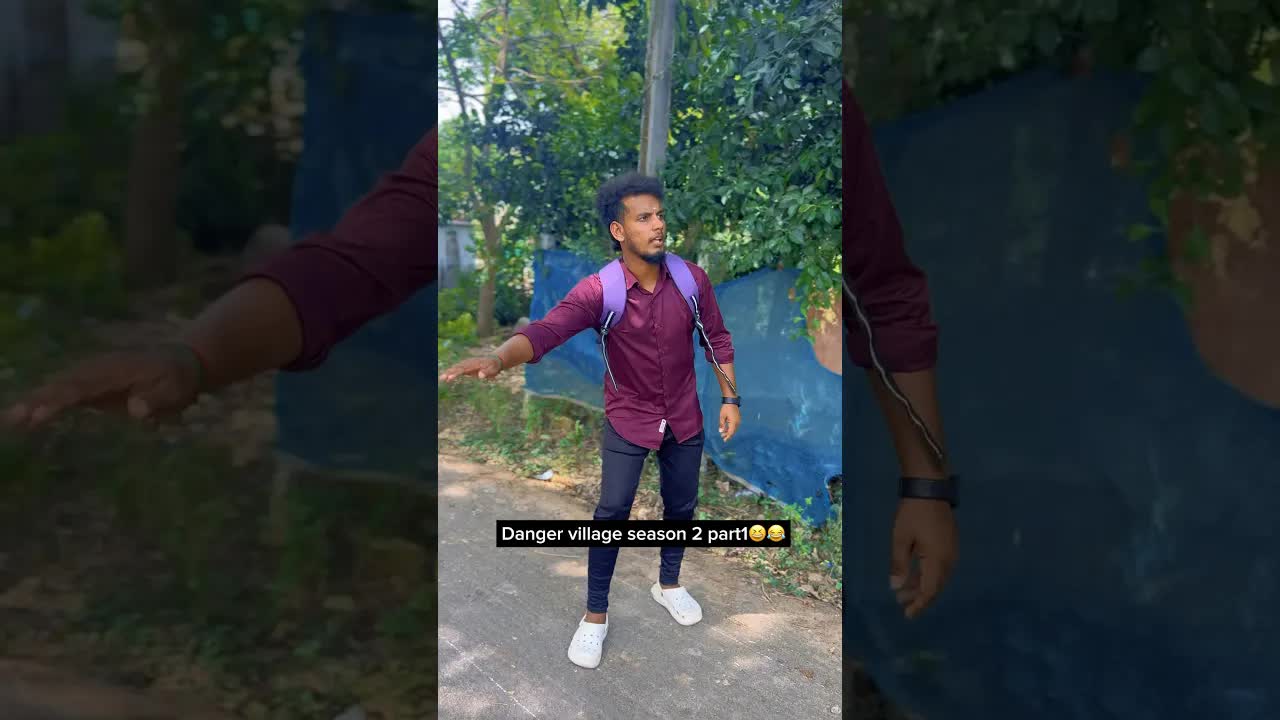

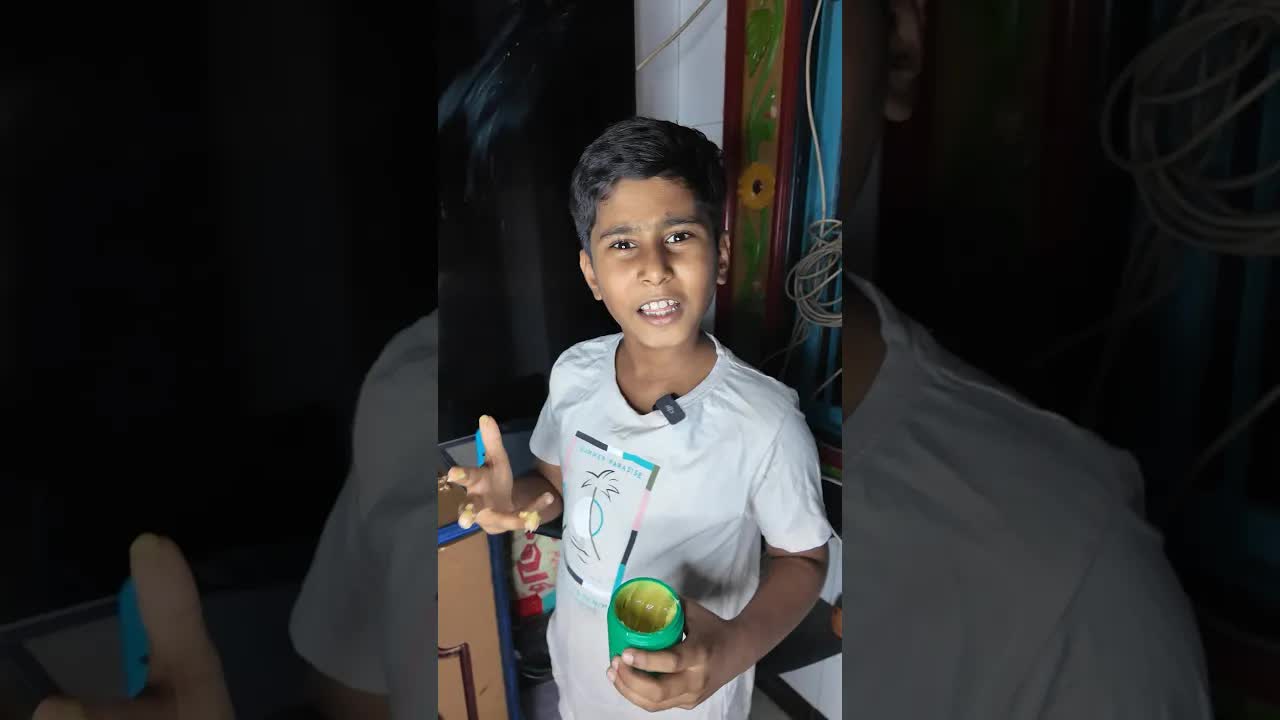










By Level
Find Tamil videos at your level, then stretch upward as the spoken register, fast delivery, and regional vocabulary stop feeling like a separate language.
By Listening Difficulty
Filter by how hard the audio is to follow, including speed, clarity, and how much the spoken register has diverged from the written one.
By Accent
Hear Tamil from native speakers across Tamil Nadu, Sri Lanka, and the wider Tamil-speaking world.
By Topic
Explore real Tamil by subject, situation, and learner interest, from daily life, food, and family to culture, humor, and work.
About this hub
About comprehensible input in Tamil
What is comprehensible input?
Comprehensible input is language you can mostly follow, with a small amount that is still new. The idea is often associated with Stephen Krashen: people acquire language by understanding meaningful messages, not only by memorizing rules in isolation. Tamil makes this especially important because it is a diglossic language, meaning written Tamil and everyday spoken Tamil have grown into two noticeably different forms, with different verb endings, different vocabulary choices, and different expectations of rhythm.
Why real reels, not textbook dialogues
Classroom Tamil usually teaches the literary form. It is beautiful, it is useful for reading, and it is not what a cousin uses on the phone. Spoken Tamil has its own conjugations, its own regional vocabulary, and (in most of the Tamil-speaking world) a running layer of English. Reelang uses unscripted short-form video from native speakers so the spoken form arrives in context, which is the form most learners want first.
How to use this library
Start with your level, then choose a listening difficulty you can mostly follow. From there, browse by topic depending on what you want to work on. If the literary form is comfortable and the spoken one is still a wall, that is normal: it is the language being honest about its own split. Pick topics you actually care about, and let exposure to spoken Tamil do what studying written Tamil cannot.