Native Korean Comprehensible Input Video Catalog
Korean, where the small words do the heavy lifting.
Real short-form videos from native Korean speakers. The nouns are often obvious; the meaning lives in the little particles, endings, and honorific choices attached to them.
20,539
Korean videos
3
Accents
Start watching in Korean
Reelang’s Korean video feed is TikTok-style: real videos from native Korean speakers, graded by level and speech speed, tagged by accent. As you scroll, it learns from how you watch and serves comprehensible input matched to your level.
Not sure? Just watch, we’ll find your level.
Accent
Level
Speed
Topic
Recommended Korean videos
Showing 24 of 10,509 videos


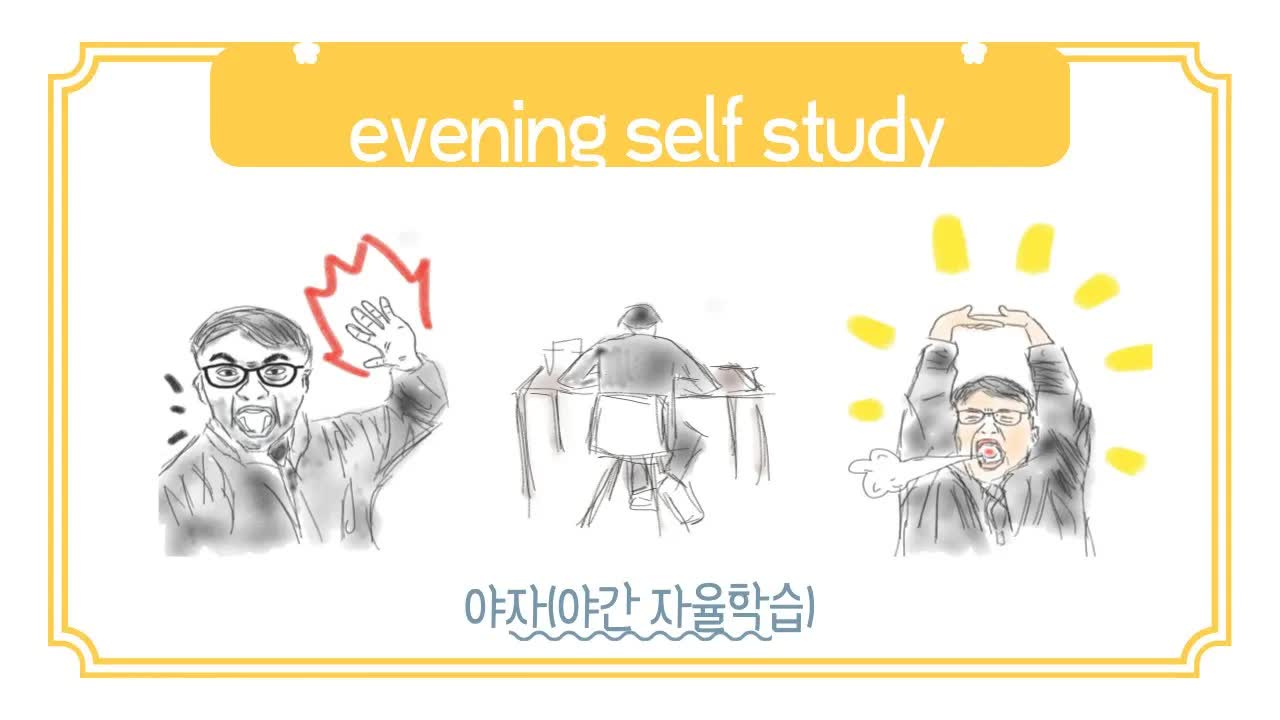
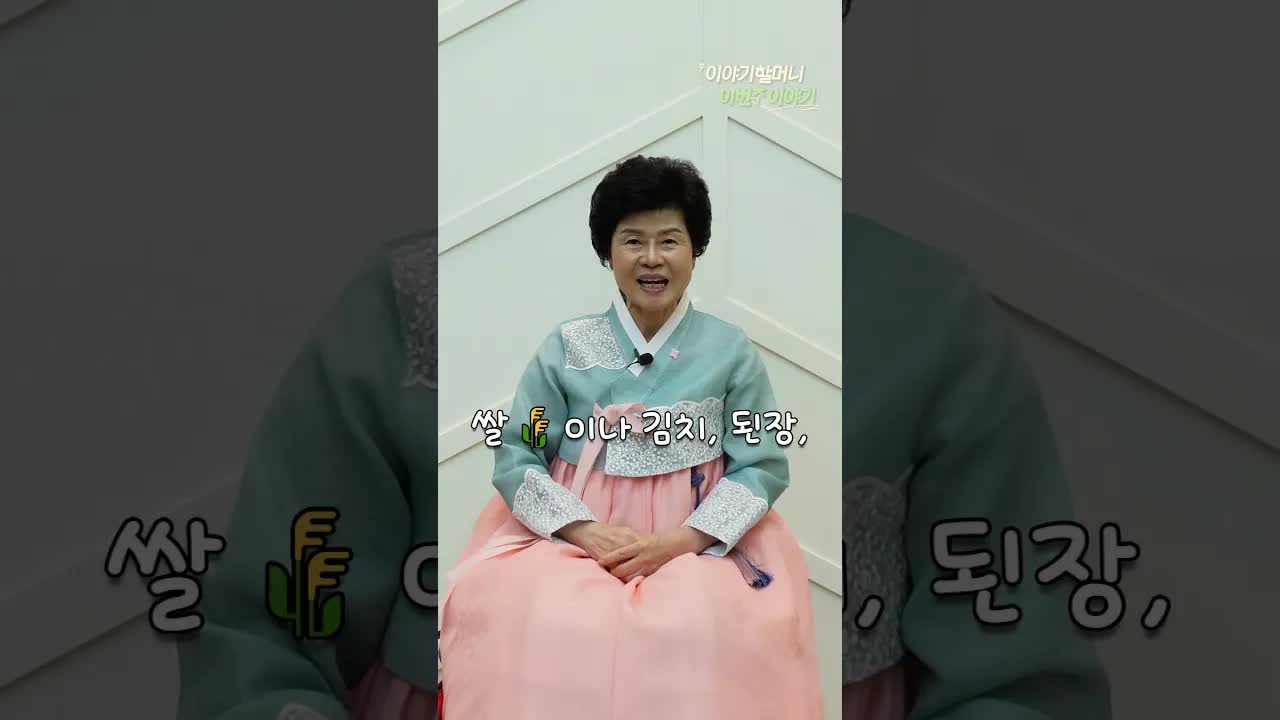


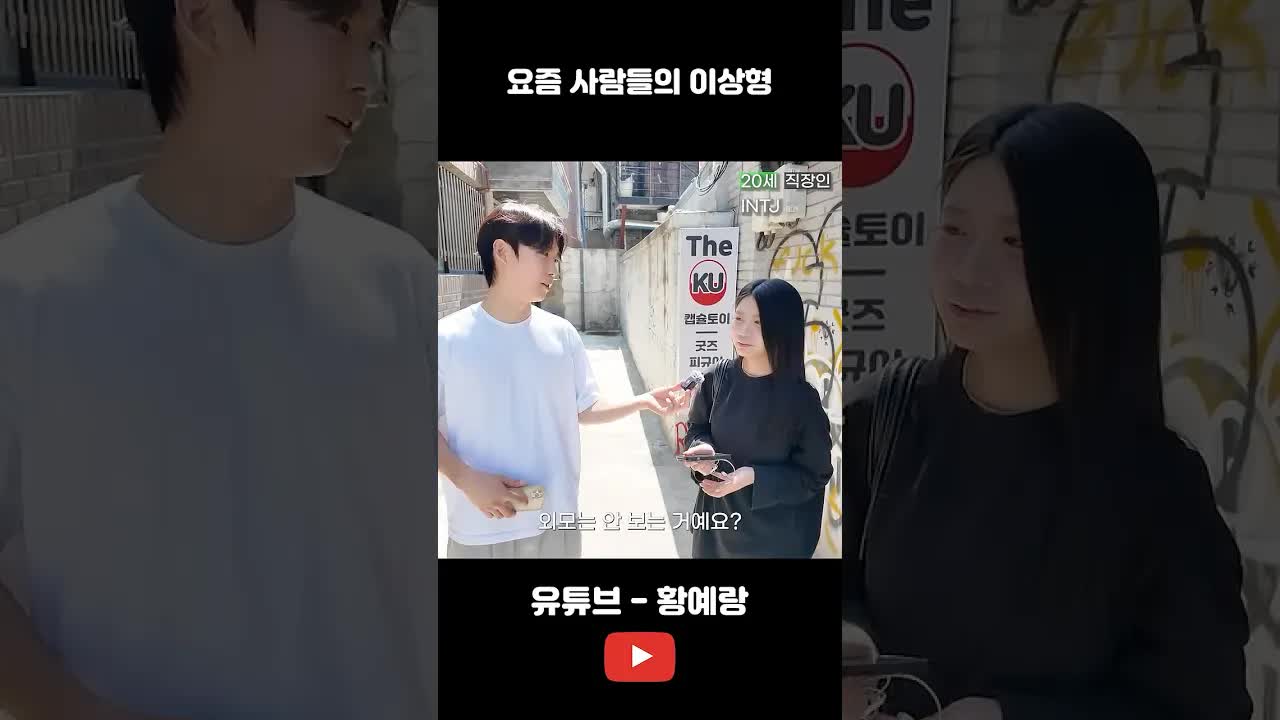

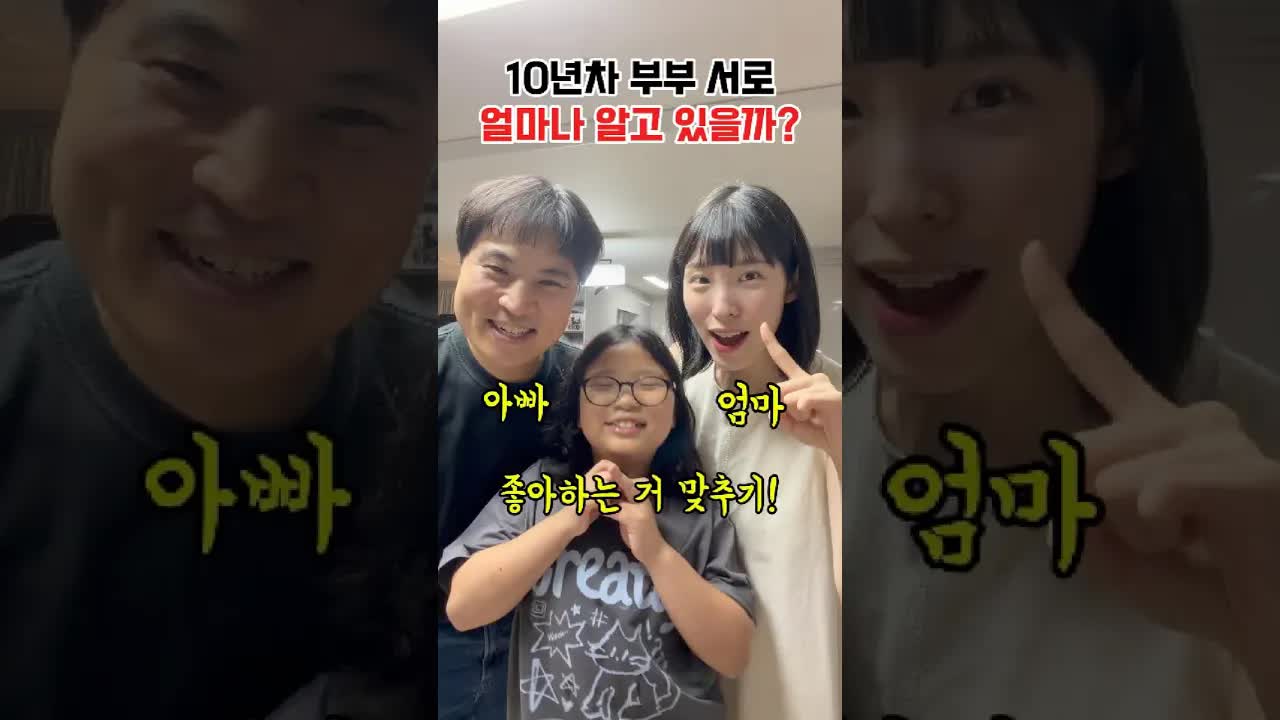


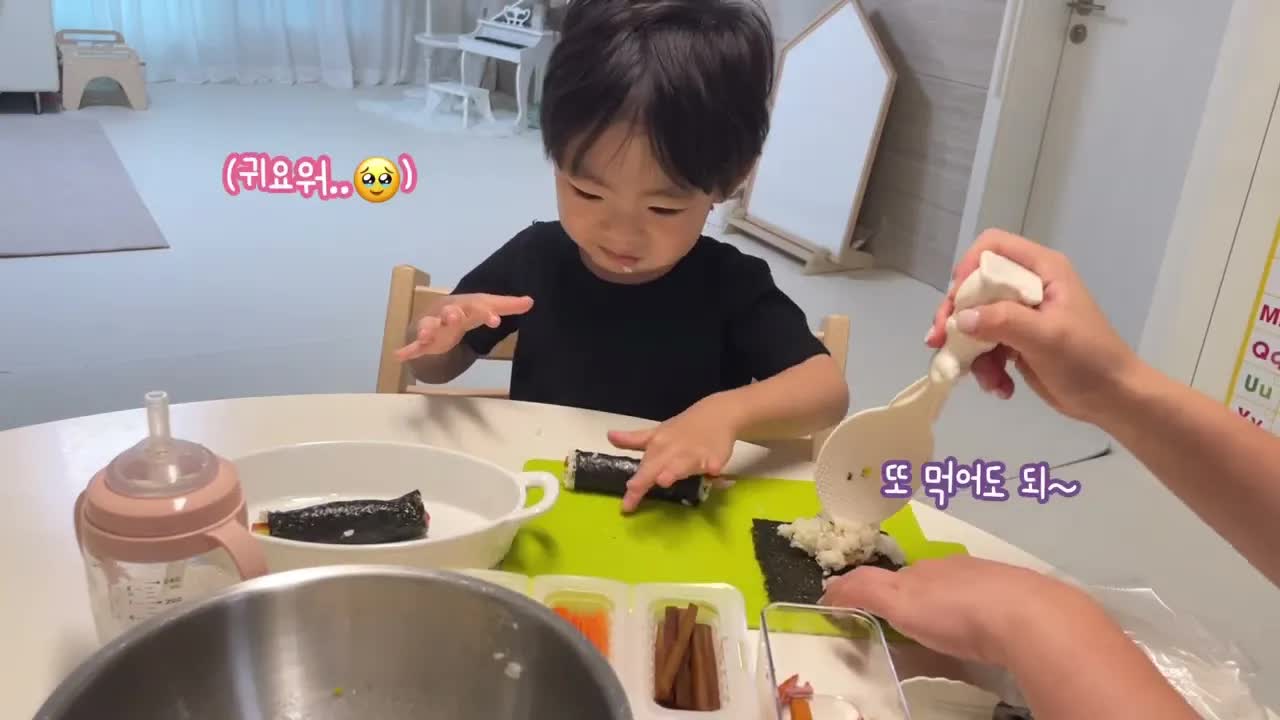



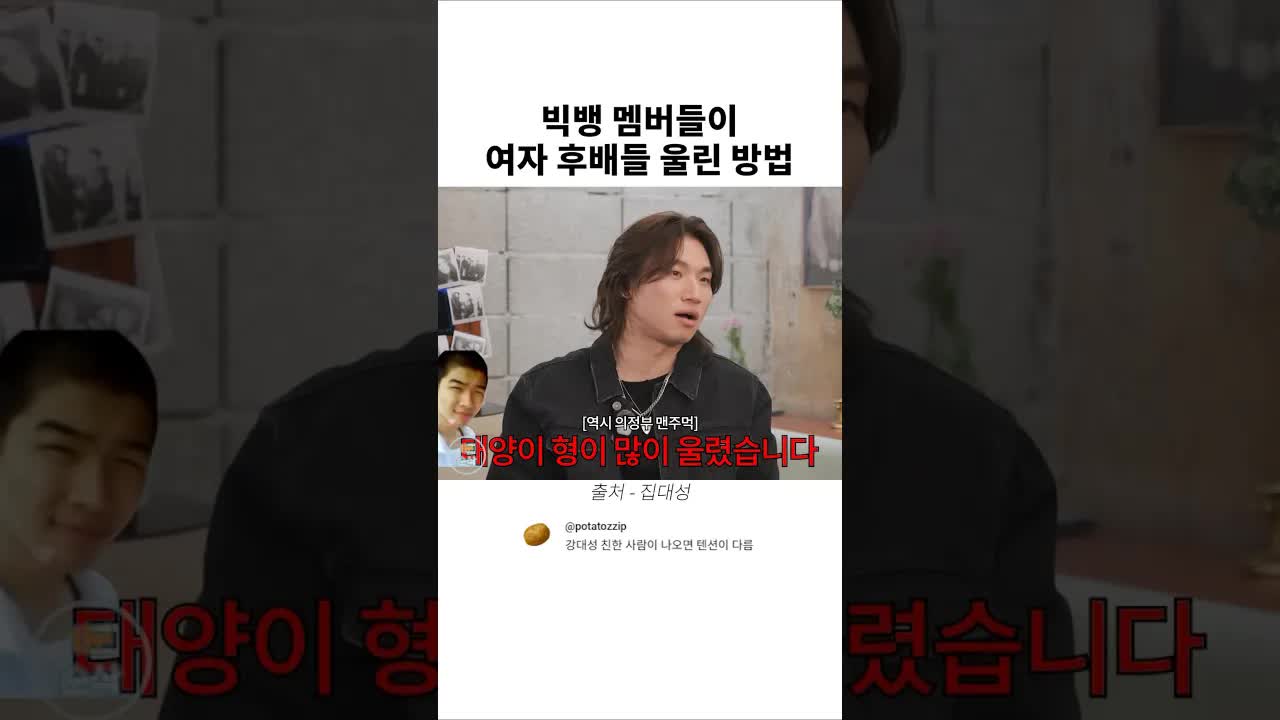


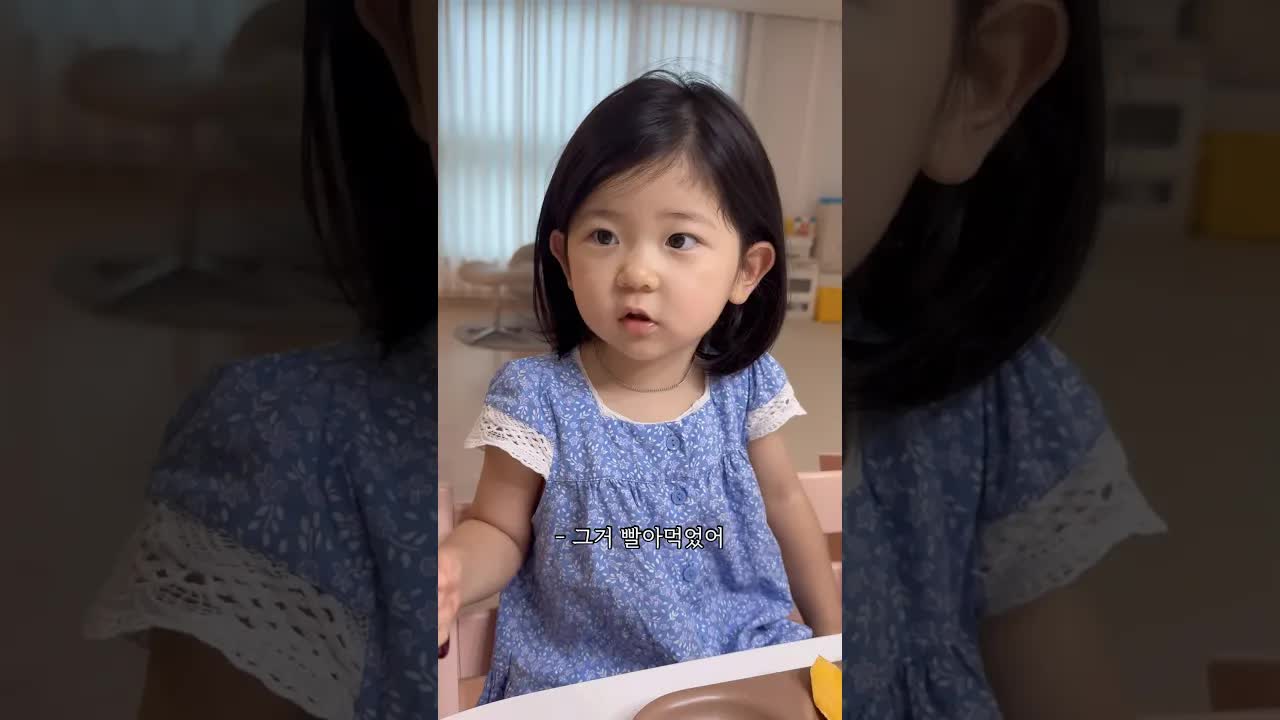




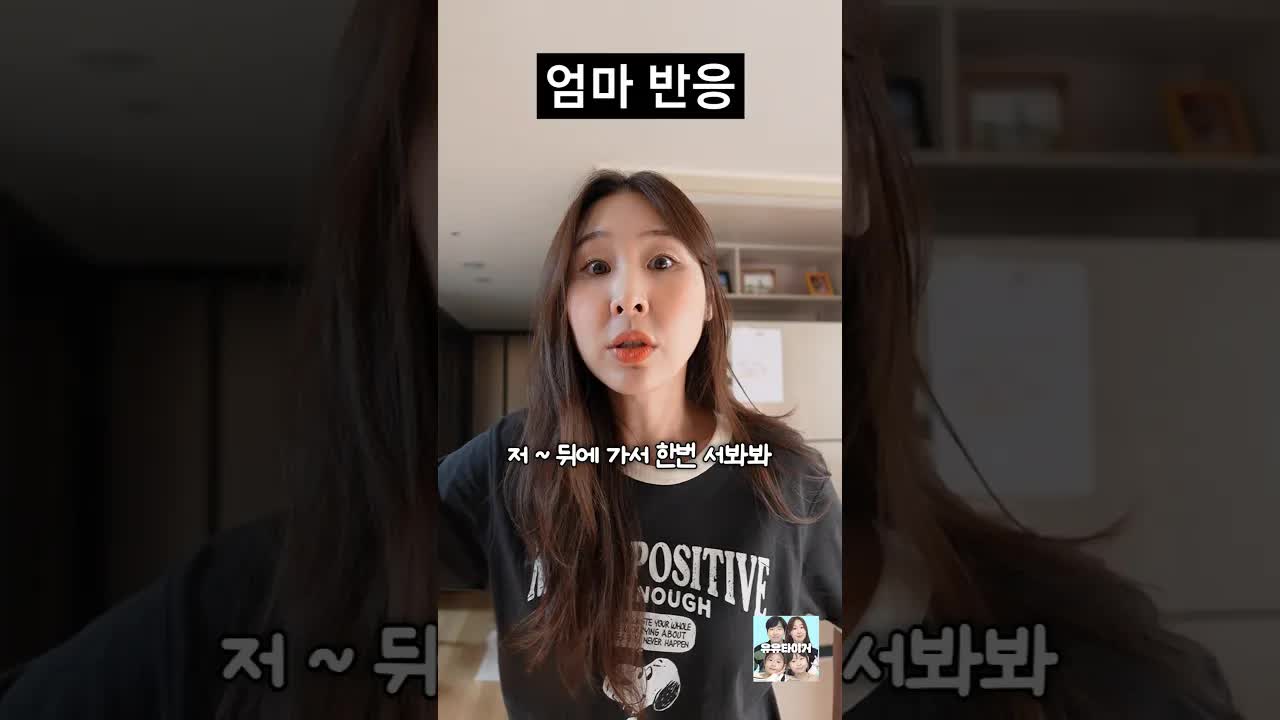

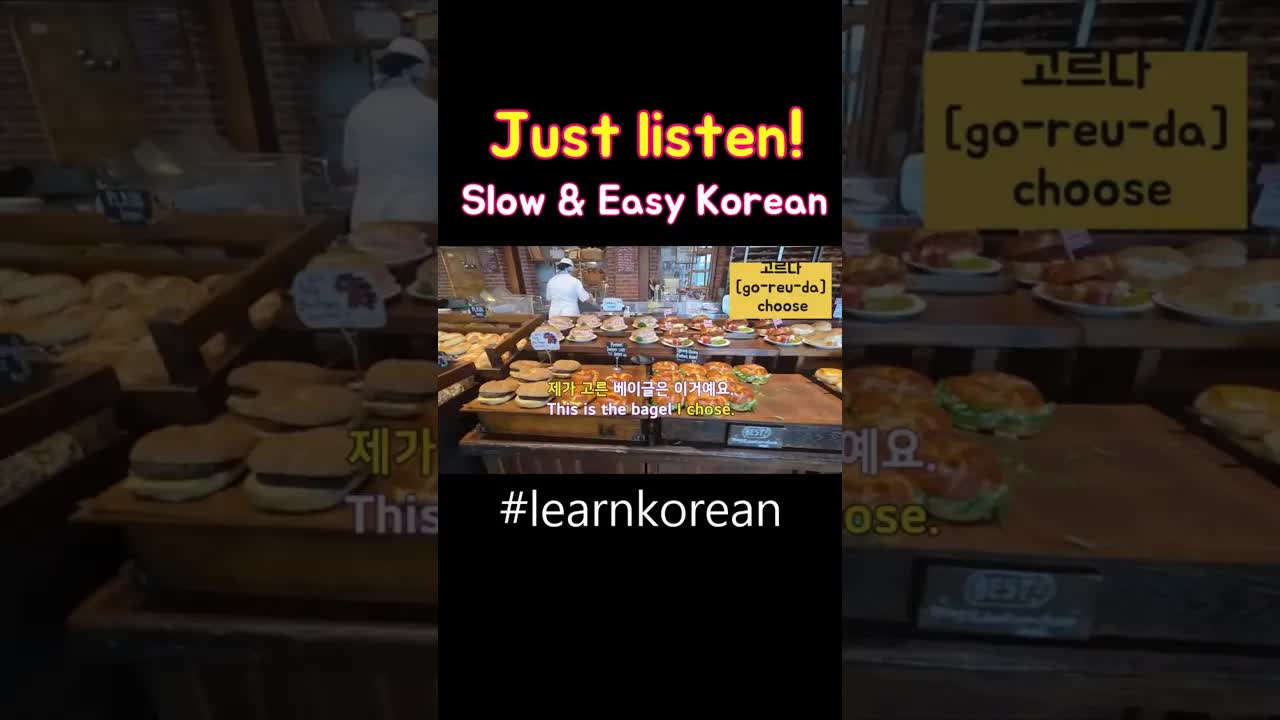



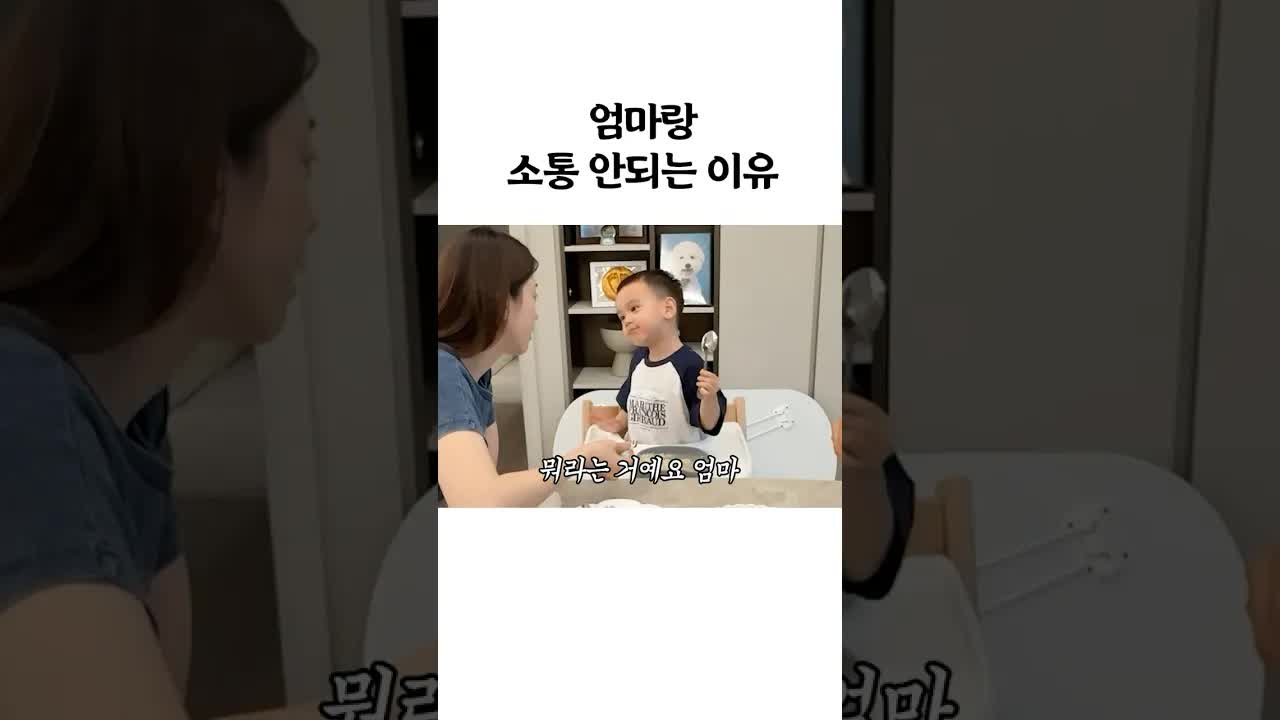










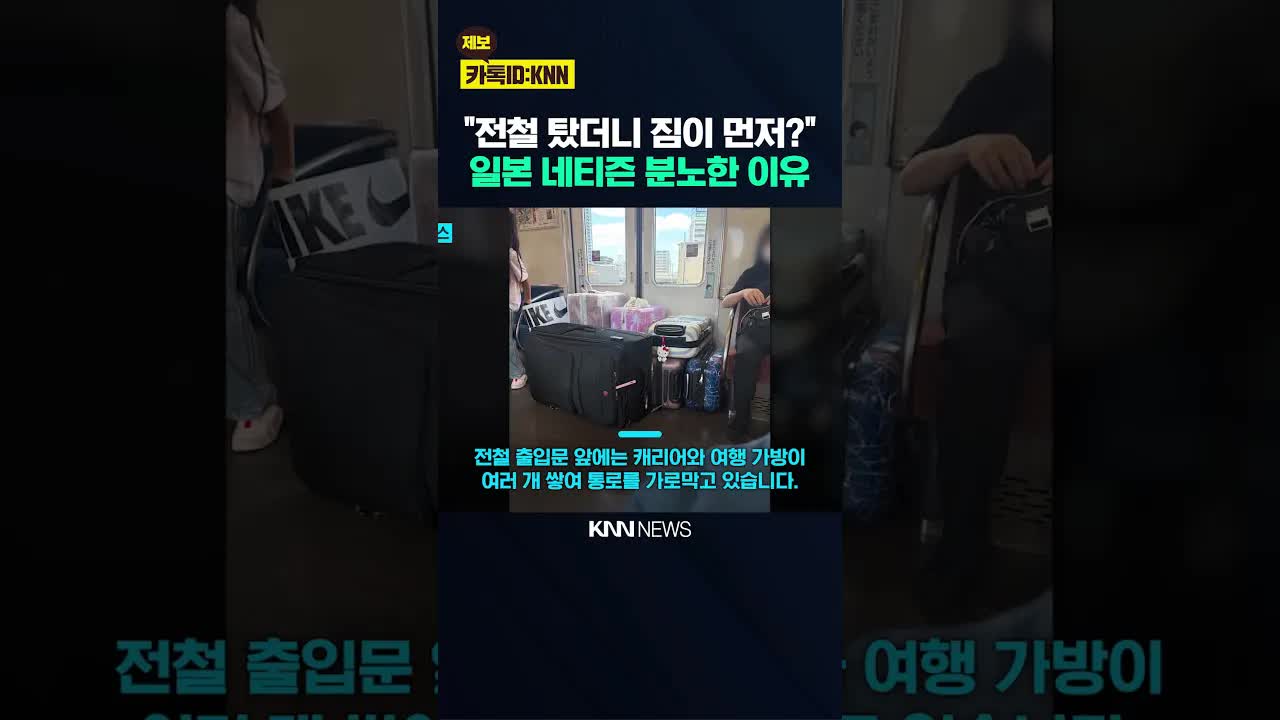












By Level
Find Korean videos at your level, then stretch upward as dropped particles, faster endings, and casual register stop feeling like noise.
By Listening Difficulty
Filter by how hard the audio is to follow, including speed, clarity, and how much the spoken register has relaxed.
By Accent
Hear Korean from native speakers across Korea, including standard Seoul speech and regional varieties.
By Topic
Explore real Korean by subject, situation, and learner interest, from daily life, food, and family to culture, humor, and work.
About this hub
About comprehensible input in Korean
What is comprehensible input?
Comprehensible input is language you can mostly follow, with a small amount that is still new. The idea is often associated with Stephen Krashen: people acquire language by understanding meaningful messages, not only by memorizing rules in isolation. Korean is a useful case for it, because so much of what matters (who is speaking, to whom, and how formally) is carried by small elements at the end of each sentence that a grammar book can describe but only real speech can make automatic.
Why real reels, not textbook dialogues
Classroom Korean tends to live in the polite -yo ending. Real Korean moves through several registers in a single conversation: casual with close friends, polite with strangers, formal with superiors. Particles get dropped when context makes them obvious; verb endings contract; slang appears that no textbook would include. Reelang uses unscripted short-form video from native speakers so those shifts arrive in the middle of a real thought, not as a list of exceptions.
How to use this catalog
Start with your level, then choose a listening difficulty you can mostly follow. From there, browse by topic depending on what you want to work on. If your textbook Korean is solid and casual speech still throws you, the missing piece is exposure at a level you can stay with. Pick topics you would watch in English; the register shifts become familiar faster than memorizing them ever would.