Native Thai Comprehensible Input Video Catalog
Thai, where the tune is the word.
Real short-form videos from native Thai speakers. Thai has five tones: the pitch pattern on a word can change what it means, and real speech is where that stops being theoretical.
2,496
Thai videos
2
Accents
Start watching in Thai
Reelang’s Thai video feed is TikTok-style: real videos from native Thai speakers, graded by level and speech speed, tagged by accent. As you scroll, it learns from how you watch and serves comprehensible input matched to your level.
Not sure? Just watch, we’ll find your level.

Accent
Level
Speed
Topic
Recommended Thai videos





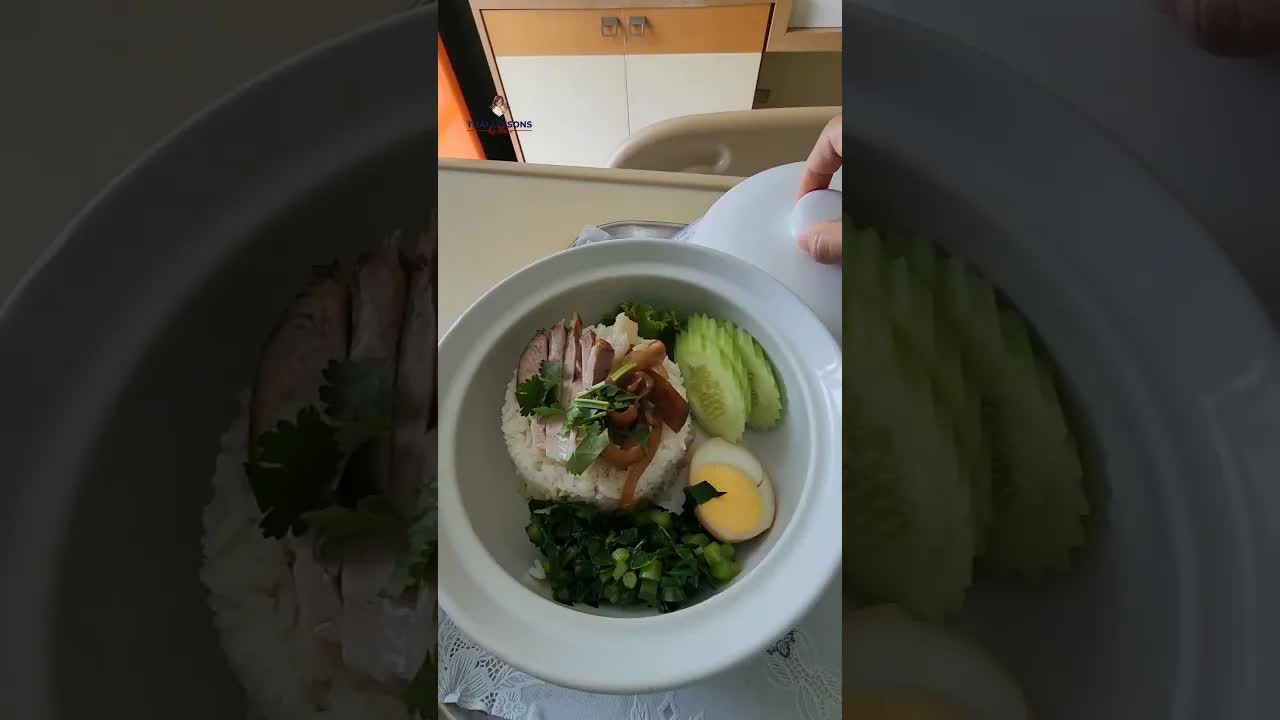





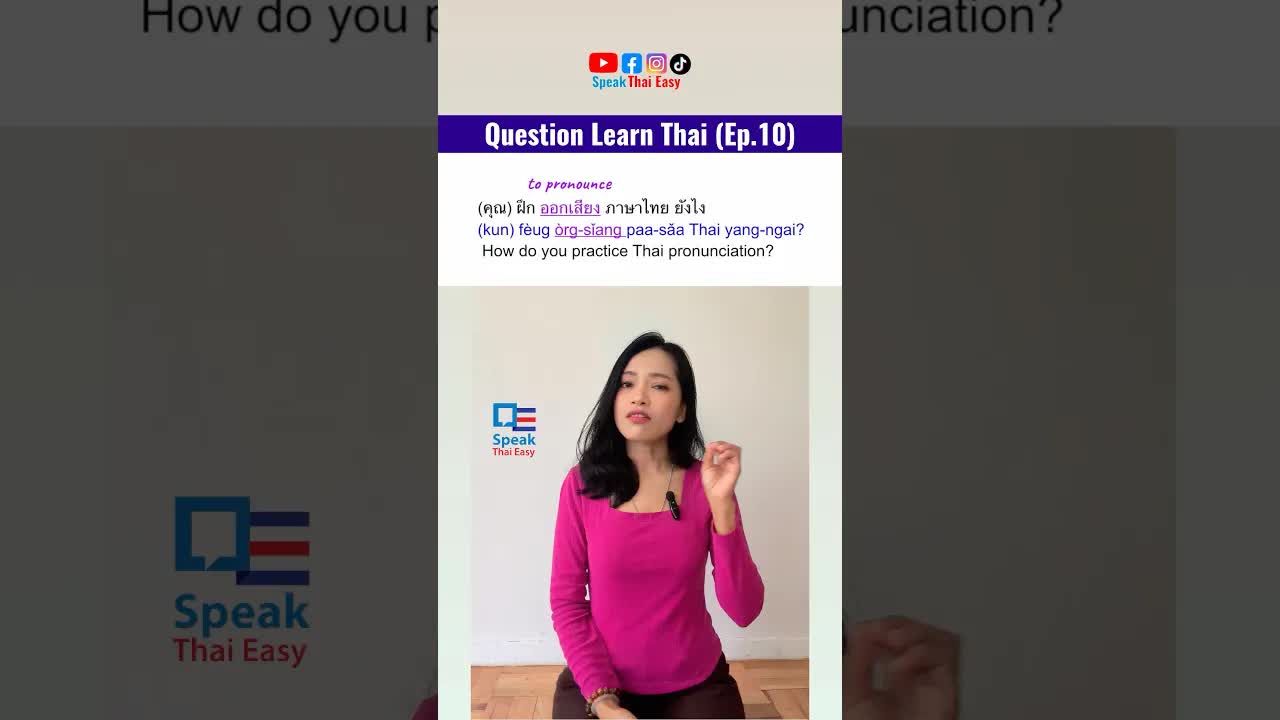




































By Level
Find Thai videos at your level, then stretch upward as tones, speed, and casual particles stop throwing your ear.
By Listening Difficulty
Filter by how hard the audio is to follow, including speed, clarity, and how casual the speech feels.
By Accent
Hear Thai from native speakers across Thailand, including Bangkok speech and regional varieties.
By Topic
Explore real Thai by subject, situation, and learner interest, from daily life, food, and family to culture, humor, and work.
About this hub
About comprehensible input in Thai
What is comprehensible input?
Comprehensible input is language you can mostly follow, with a small amount that is still new. The idea is often associated with Stephen Krashen: people acquire language by understanding meaningful messages, not only by memorizing rules in isolation. Thai is a strong fit for it, because so much of the meaning sits in the tones, and tones are much easier to absorb by hearing than by memorising.
Why real reels, not textbook dialogues
In Thai, five different pitch patterns can sit on the same syllable and give you five different words. A textbook can list them; only real listening can make them automatic. On top of that, Thai leans heavily on sentence-final particles that carry tone, politeness, and intent, and almost no textbook fully captures how freely people use them. Reelang uses unscripted short-form video from native speakers so the pitch and the particles arrive inside real conversation.
How to use this catalog
Start with your level, then choose a listening difficulty you can mostly follow. From there, browse by topic depending on what you want to work on. If reading Thai feels solid and listening still blurs, the tones need more ear-time, not more drilling. Pick topics you would watch anyway and stay in clips you can mostly follow: the pitch patterns become familiar faster than they look like they will.