תרגול האזנה בEsperanto · A1 · מתחילים
What does “fia” mean in Esperanto?
La Fia Ĝemela Anaso: Komedia Skizo
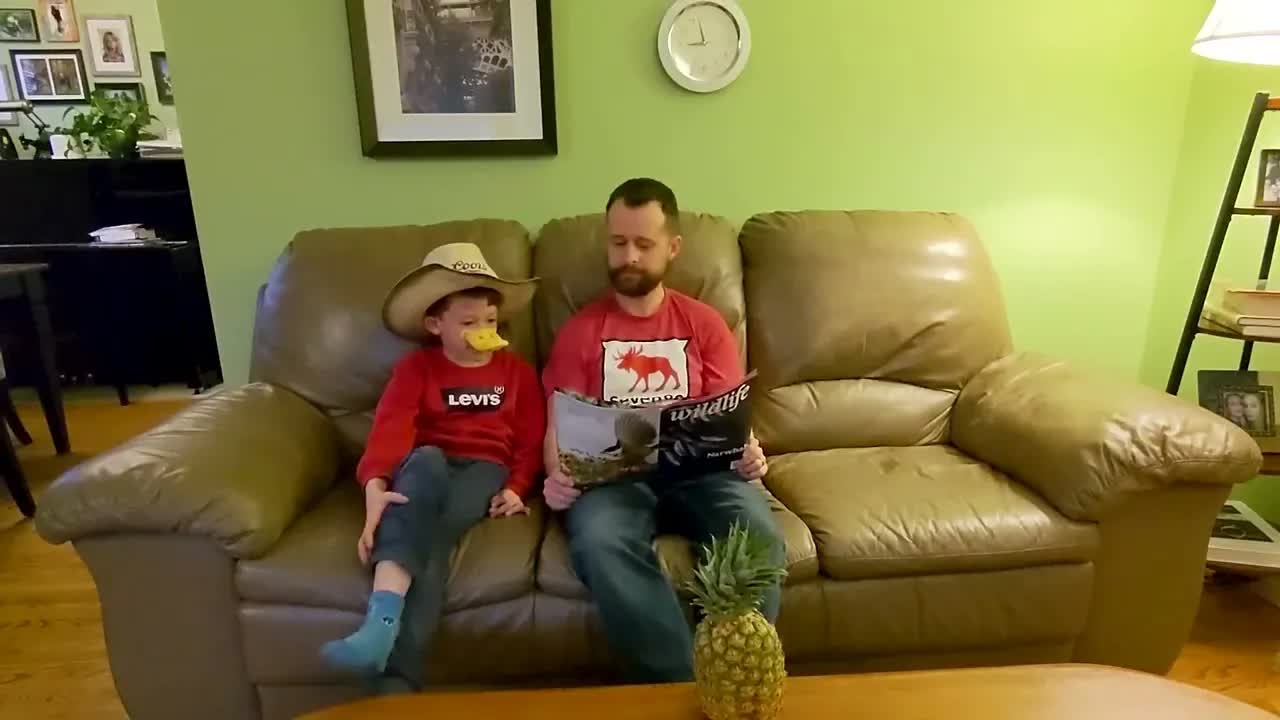


מאת Esperanto USA ב-YouTube. צפייה במקור
Esperanto fia means shameful or villainous: the fia ĝemelo is the evil twin.
Fia is the Esperanto adjective for something morally low or shameful, and it is also used playfully for “naughty.” It comes from the prefix fi-, which marks disgrace, plus the adjective ending -a. That is why a villain’s double is a fia ĝemelo, an evil twin, and a nasty duck is a fia anaso.
The comedy sketch plays it for laughs. The speaker accuses the duck: “Vi estas la fia ĝemelo de mia anaso” (You are the evil twin of my duck), and later cries “Kia fia anaso!” (What a nasty duck!). Dictionaries give both a serious sense (a dishonourable job, a disgraceful act) and a light one for misbehaving children, so tone and context tell you which is meant. The same fi- shows up in other words as a marker of disgust. Compare fia with the plain adjective malbona (bad): fia adds moral disapproval, not just poor quality.
עוד סרטונים כמו זה

Tagmanĝo: Decidoj pri Manĝo
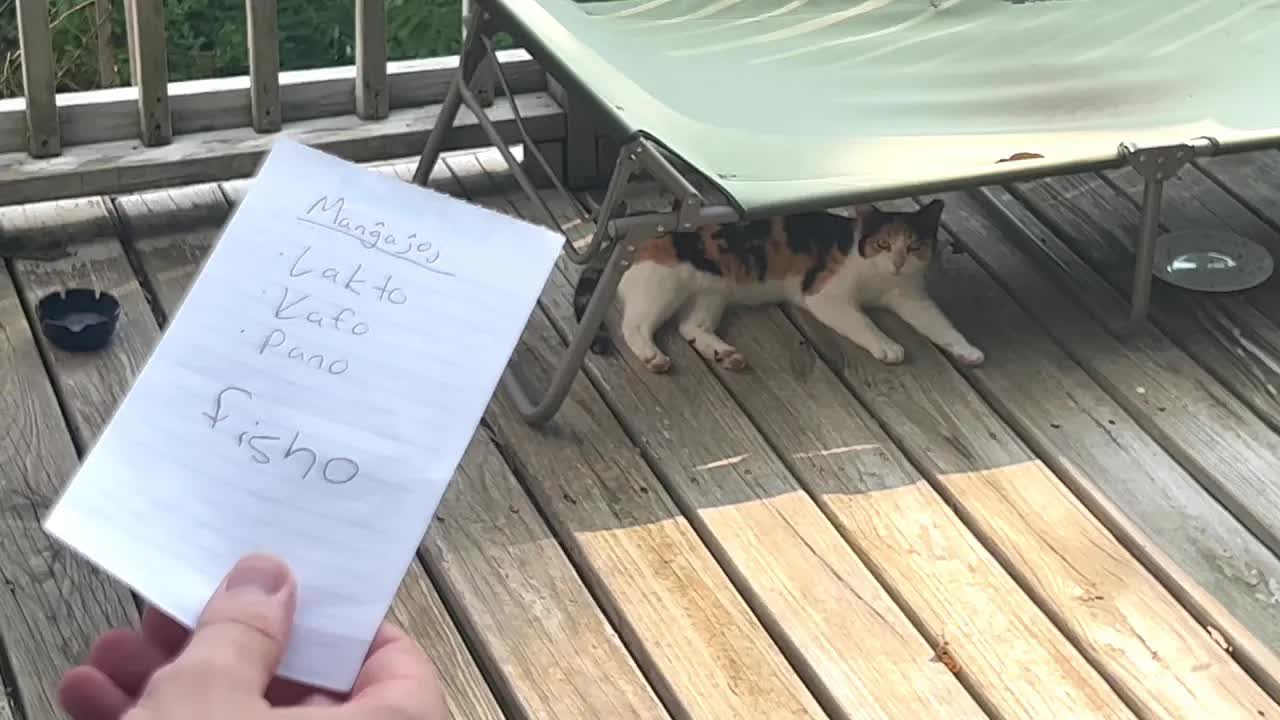
Malsata Kato: Kurta Filmo en Esperanto
Tro Frue: Mallonga Filmo en Esperanto

Banano-Pano estas preta

Kie Estas Mia Ĉapelo? – Filmo por la Usona Bona Film-Festivalo

Helpo en la Flughaveno: Maltrafita Vojaĝanto
למידה מסרטונים אמיתיים
אלפי סרטונים כמו זה, מותאמים לרמה שלך תוך כדי צפייה.