תרגול האזנה בסינית · A2 · מתחילים בטוחים
What is the difference between 一把 and 一棵 in Chinese?
小白菜的搞笑超市故事
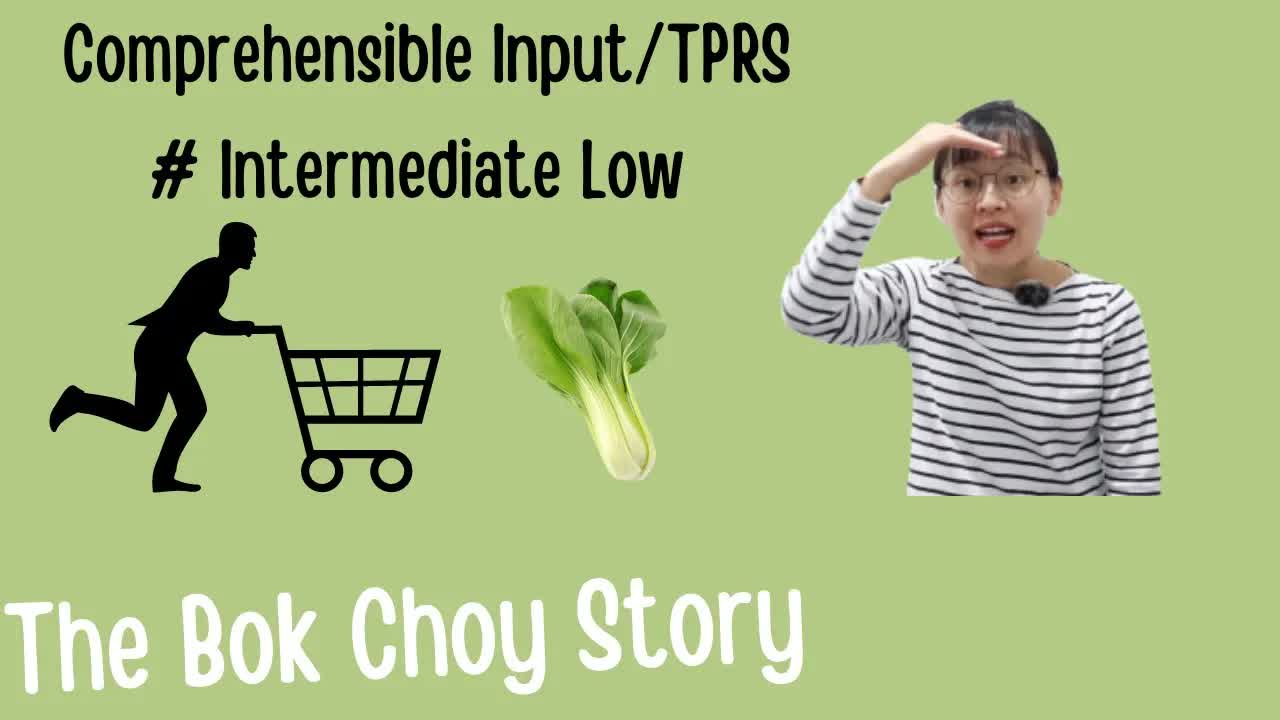


מאת Lazy Chinese - Comprehensible Input ב-YouTube. צפייה במקור
“a bunch” of greens; versus 一棵, “one plant”
The joke turns on two measure words. 棵 (kē) counts individual plants, so 一棵小白菜 is one stalk of bok choy. 把 (bǎ) counts a handful or bunch, so 一把小白菜 is a whole bunch. When the supermarket says “one yuan a bunch”, our shopper hears “one yuan a stalk” and comes home with a single plant.
Wiktionary lists 把 as the classifier “for handfuls of something” (一把米, a handful of rice) and “for bundles or bunches” (一把韭菜), and 棵 as “classifier for plants.” The same split works elsewhere: 一棵树 is one tree, 一把花 a bunch of flowers. In the clip the girlfriend corrects him with 一把一块钱,不是一棵一块钱. Measure words change the price, so check which one the sign uses.