Native Italian Comprehensible Input Video Catalog
Italian, as native speakers really use it.
Real short-form videos from native speakers: the rhythm, pace, and flow of spoken Italian. Browse by level, topic, accent, or listening difficulty.
15,049
Italian videos
10
Accents
Start watching in Italian
Reelang’s Italian video feed is TikTok-style: real videos from native Italian speakers, graded by level and speech speed, tagged by accent. As you scroll, it learns from how you watch and serves comprehensible input matched to your level.
Not sure? Just watch, we’ll find your level.
Accent
Level
Speed
Topic
Recommended Italian videos
Showing 24 of 9,484 videos


















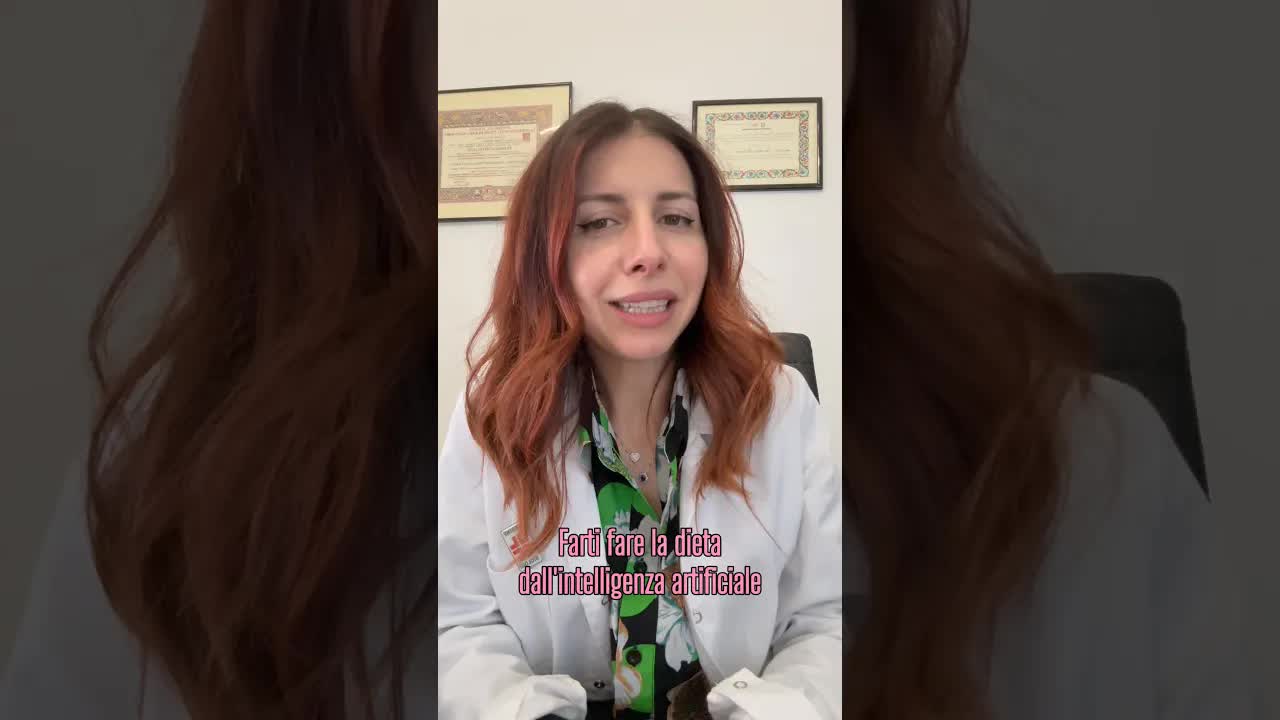




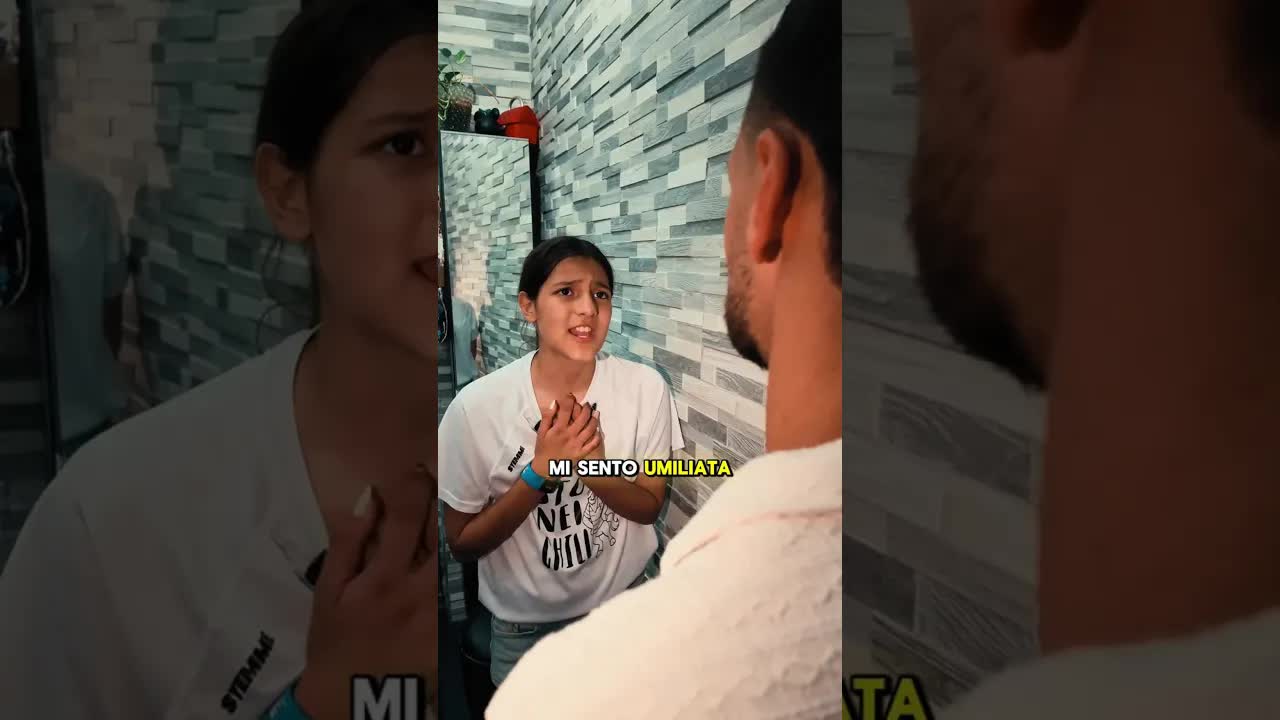






















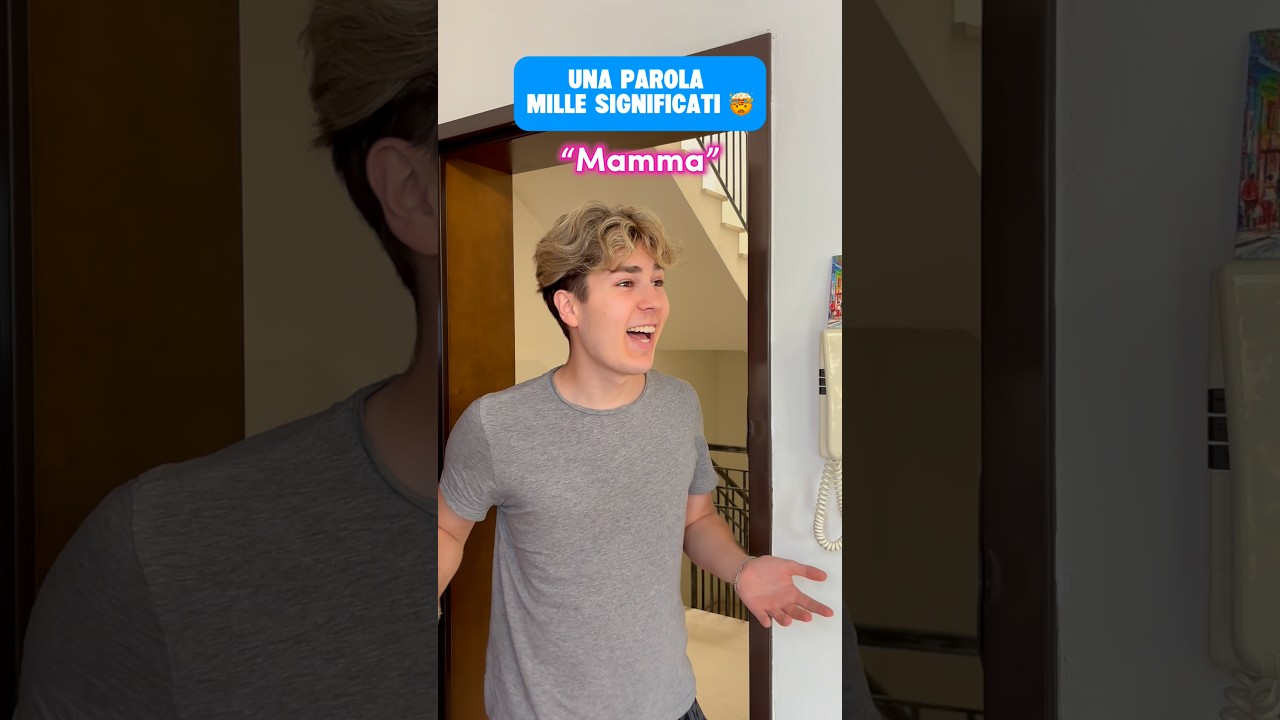

By Level
Find Italian videos at your level, or go one step harder when you want a useful challenge.
By Listening Difficulty
Filter by how hard the audio is to follow, including speed, clarity, and how easy the speech is to track in context.
By Accent
Hear Italian from native speakers across Italy, including northern, central, and southern regional accents.
By Topic
Explore real Italian by subject, situation, and learner interest, from family and food to travel, work, humor, and everyday conversation.
How it works
How does Reelang work?
Reelang’s Italian hub is a free catalog of real Italian short videos made by native speakers, sorted by level and topic. Browse freely, or open the Italian video feed to get videos picked for your level.
Reelang’s Italian video feed is TikTok-style: real videos from native Italian speakers, graded by level and speech speed, tagged by accent. As you scroll, it learns from how you watch and serves comprehensible input matched to your level. No signup: pick Italian and you’re in.
Comprehensible input means listening to Italian you can almost fully understand, around 90%. You absorb the language by understanding real messages, not by memorizing rules. Every clip is chosen so you get most of it and pick up the rest from context.
Before your first video, Reelang asks one thing, “Where do you want to start?”, and you pick, from “just starting out” to “advanced” (or tap “Not sure? Start easy”). Then a few short clips fine-tune it: you tap Too hard, Just right, or Too easy, and Reelang settles on your level.
You’re not graded, you just say how each clip felt, and even if you pick the wrong level, the clips correct it. It starts easy by default, so you’re never thrown in too deep.
Reelang grades each clip two ways, how fast the speech is and how hard the words are, so it can tell “too fast” apart from “too many new words.”
Replay a part? You’re engaged, but the speech got ahead of you, so Reelang plays slower, clearer speakers next. Leave early, or tap several words to translate them? That’s too many new words, so it gives you easier vocabulary. Watch it through smoothly? It moves you up a level.
Every video has Italian captions, and you can tap any word to see what it means. Hard words are saved so you can review them later.
Many handpicked Italian videos include a short “Did you know?” insight that teaches one key Italian word or phrase from the clip: its meaning, part of speech, and how native speakers actually use it, the nuance a dictionary skips. Recent Italian examples include orecchiette ("orecchiette: Puglia's 'little ear' pasta, shaped by hand"), tortellini panna e prosciutto ("Tortellini in cream and ham," the dish Bolognese purists hate and Italian families cook every Sunday), or madamatore ("Mother of love!" A Tuscan-flavoured *nonna* exclamation that doesn't translate cleanly).
Each handpicked video comes with a vocabulary-frequency analysis that shows how common each word is in real Italian, so you spend effort on the high-frequency words you’ll hear every day, not rare ones.
Watching Reelang is free, with no signup to start. Signing up (also free) saves your progress so you can continue on any device. It keeps your level, the videos you’ve watched, the words you looked up and saved, and the clips you liked. On a new device your feed picks up where you left off.
Everything from just starting out to advanced: the same scale you pick from when you begin (just starting out, beginner, intermediate, advanced). The feed places you anywhere on it, and you can also browse by listening speed (slow & clear to fast natural) and by topic.
No lessons, no points or streaks, no boring textbook drills. With Reelang you learn Italian the way you picked up your first language: by watching real videos from native Italian creators that you actually understand and enjoy. It’s the comprehensible-input method, built from real native content instead of made-up exercises.
Real Italian moves faster than textbook Italian, with dropped sounds and slang the page never shows. Short native clips train your ear on how people actually talk, in small doses you’ll actually finish.
The more you watch, the better. That’s how comprehensible input works: you pick up a language by spending hours with it, not by studying rules. Every clip at your level adds to those hours.
About this hub
About comprehensible input in Italian
What is comprehensible input?
Comprehensible input is language you can mostly follow, with enough new material to keep you growing. Stephen Krashen argued that people acquire language by understanding meaningful messages, not by drilling rules in isolation. In Italian, this matters because even familiar grammar can feel different once it is moving at real speed, inside real intonation and natural sentence flow. On Reelang, comprehensible input means short native-speaker videos that let you stay engaged while your listening keeps stretching.
Why real reels, not textbook dialogues
Spoken Italian has a rhythm and musicality that textbooks often flatten. A speaker from Milan and a speaker from Naples can sound surprisingly different to learners, even when the grammar looks familiar on paper. Reelang uses real short-form video so the pace, intonation, and regional variation come through the way they actually do. That makes listening practice more realistic, and more useful, than polished dialogues built only to illustrate a grammar point.
How to use this catalog
Start with your level, then choose a listening difficulty you can mostly follow. From there, browse by topic depending on what you want to work on. If reading Italian feels easier than following a conversation, drop the listening difficulty and build back up. Topic browsing is especially useful when you want to stay engaged with material you would actually watch outside a classroom.