תרגול האזנה בHebrew · C1 · הבנה בלי מאמץ
What does “באסטה” (basta) mean in Hebrew?
דירוג הימים הכי טובים לחתונה
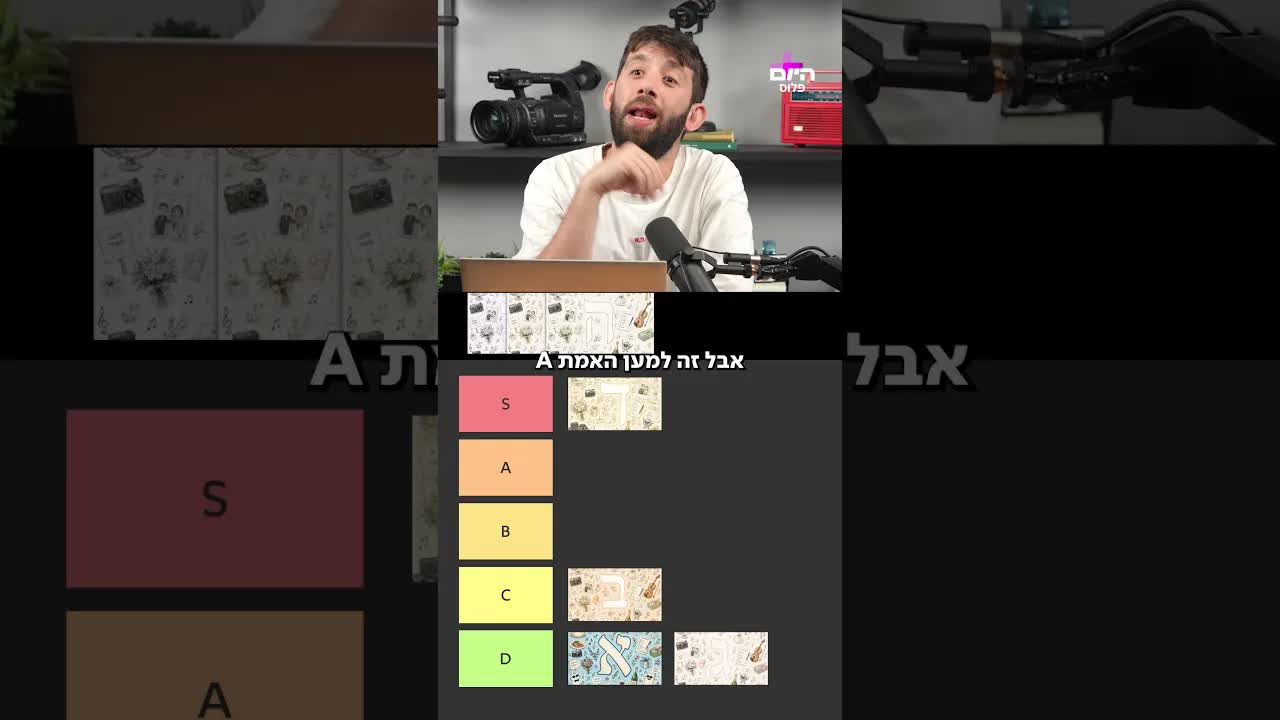


מאת ישראל היום - Israel Hayom ב-YouTube. צפייה במקור
בסטה is a market stall, and “closing the basta” is how Israelis talk about wrapping something up.
בסטה (basta, often spelled באסטה) is a stall or stand where goods are sold, the kind you see in an open-air market. It is a colloquial word, borrowed from Arabic basṭa, from a root about spreading things out: a stall is where you spread out your wares. In everyday talk the market image travels, so people speak about closing the basta when they finish off a task or a week.
The word is feminine (plural בסטות; construct form בַּסְטַת). Its standard-register synonym is דוכן. Hebrew Wiktionary lists the phrase סגר את הבסטה (“closed the stall”) and gives an example of a seller saying all the cucumbers on her basta are the same. The clip is a tier list of wedding days. The speaker says a Wednesday-night wedding works because Thursday is then free: “קמתם חמישי, יאללה כבר עושים סופ”ש ארוך. סוגרים את הבאסטה“. Here ”closing the basta" means shutting down the working week and calling it done. This figurative sense is my reading of the clip; dictionaries list only the literal stall.
עד כמה נפוצות המילים בסרטון הזה?
86.1%
מהמילים נמצאות בין 2,000 המילים הנפוצות ביותר בHebrew
מתוך המחקר שלנוכמה מילים צריך כדי להבין סרטונים של דוברים ילידיים?
עוד סרטונים כמו זה

מלחמה בקורונה בלי אסטרטגיה ממשלתית

גל רובין על הזכייה, רפאלה ואדיר

קדימון לסרט הישראלי אצבע אלוהים

העימות המתחדש בין קובה לארצות הברית

סטנדאפ על טייס ערבי, צבא וחקירות

איך שיר השירים מעצב את התרבות הישראלית
למידה מסרטונים אמיתיים
אלפי סרטונים כמו זה, מותאמים לרמה שלך תוך כדי צפייה.