تدريب على الاستماع باليونانية · A1 · مبتدئ
What does “μωρέ” mean in Greek?
Βοηθάει να βρει τα κλειδιά για ψώνια
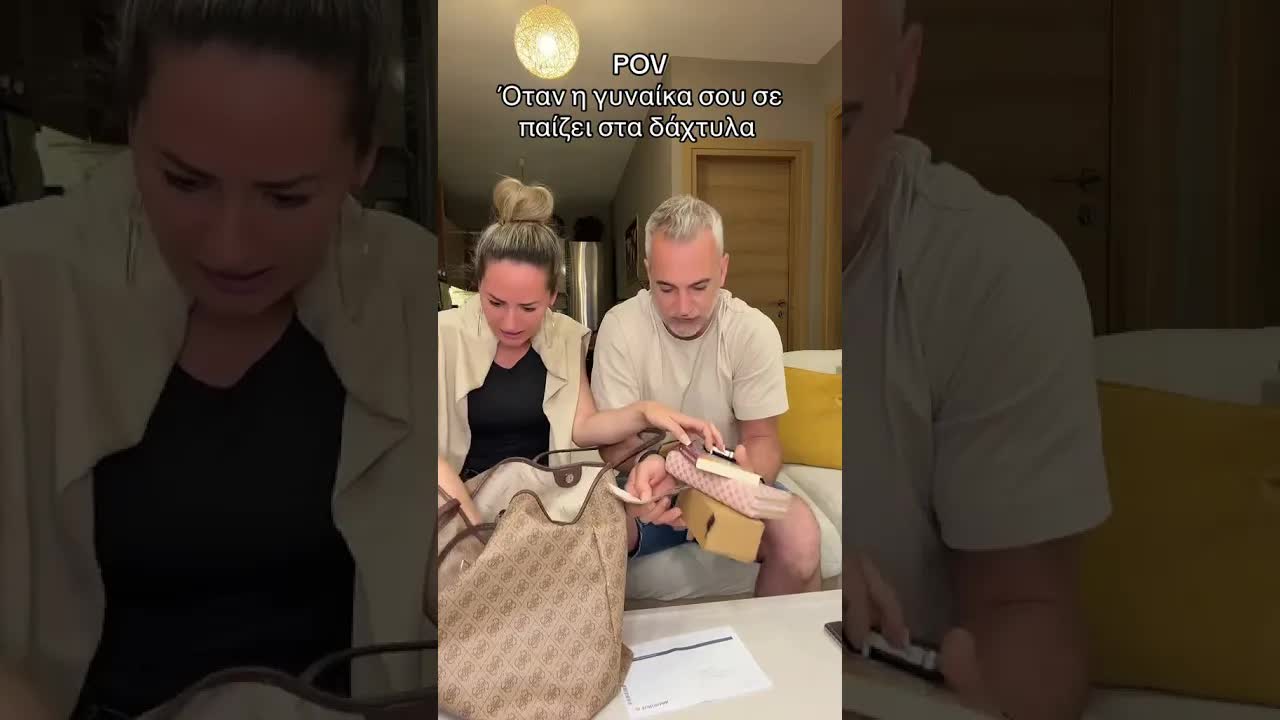


من Npress Media على YouTube. مشاهدة الفيديو الأصلي
Greek μωρέ comes from μωρός, “stupid”, yet today it is a friendly filler that softens a question.
Μωρέ looks like an insult, because it began as the vocative of μωρός, “stupid” (Ancient Greek ὦ μῶρε, “oh, you fool”). Over the centuries it wore down into an interjection. Today it is a small filler that adds warmth, impatience or affectionate teasing to a sentence, and it can be said to anyone, even a baby or a husband.
In the clip, a woman rummages through a bag while someone holds it, and says “Τι να βρεις εκεί μέσα, μωρέ;” (“What are you going to find in there, anyway?”). The μωρέ makes the question sound like exasperated affection, not an attack. Earlier she says “Έλα μωρέ”, where it works the same way. You will hear it at the end of a clause, after a name or after “έλα”. Dictionaries trace it back to Ancient Greek, and related forms like βρε and μπρε are shortened versions.
ما مدى شيوع كلمات هذا المقطع؟
89.9%
من الكلمات ضمن أشيع 2,000 كلمة في اليونانية
المزيد من المقاطع المشابهة

Η πρώτη μέρα στο σχολείο μου!

Φτιάχνω έναν χιονάνθρωπο και συστήνω τον Όλαφ
Αγάπη μου, εγώ δεν θα φάω!

Σε ποιους στέλνεις φιλιά;

Η Ανδριάνα πάει στον οφθαλμίατρο για έλεγχο

Περιγραφή φωτογραφιών με ρούχα, χρώματα και ποδήλατα
تعلم من فيديوهات حقيقية
آلاف المقاطع مثل هذا، على مستواك أثناء المشاهدة.